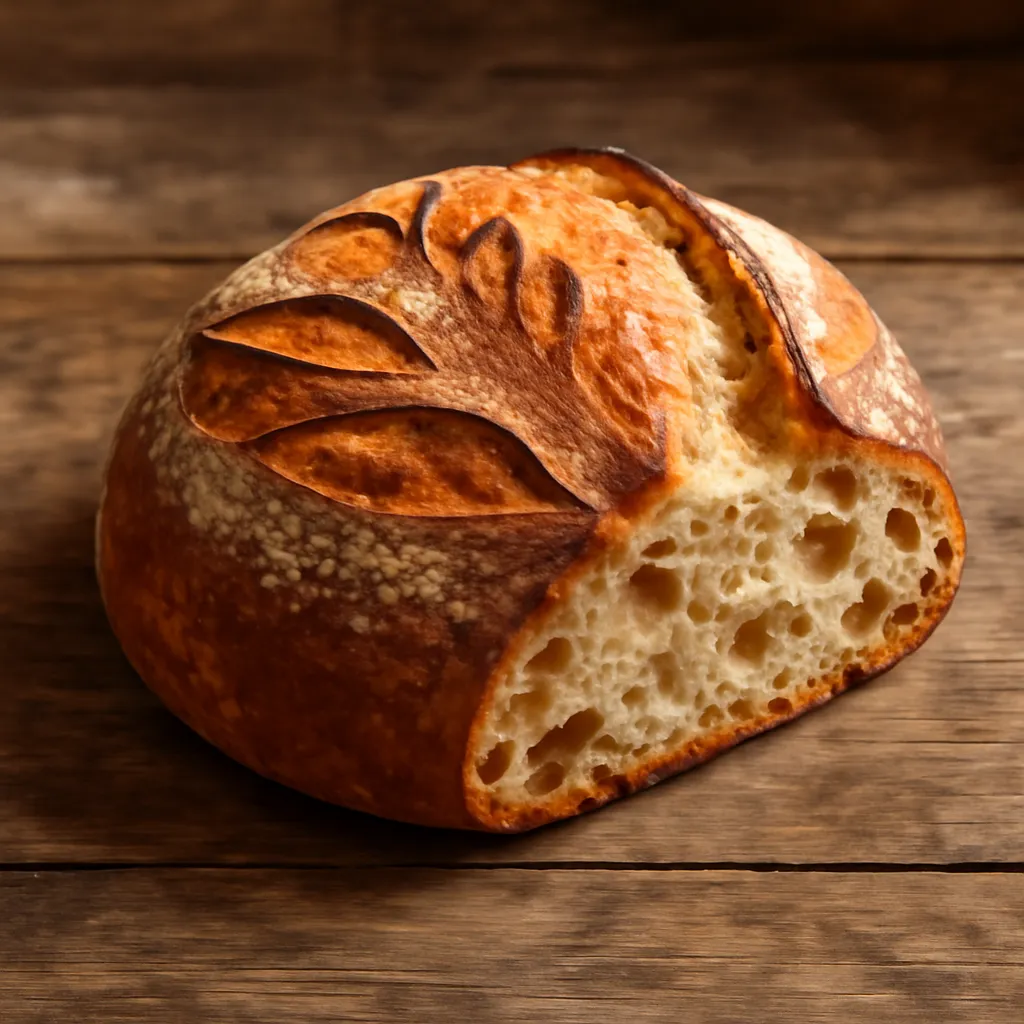
There’s a jar that’s lived on the back-left corner of my counter for years now, tucked next to the stove where the ambient warmth hovers around 74°F — and yet no spot in my kitchen, however carefully chosen, can substitute for what makes a genuine San Francisco starter what it is. This is arguably the most storied heritage culture on the planet, and it didn’t earn that status by accident: the lineage runs 233 years deep, has been fed without a real break since the California Gold Rush, rode out the 1906 earthquake sealed in a bucket, and lent its name to the exact bacterium responsible for that signature tang. In this guide, I’m digging into where this starter actually came from, what the science says about why it resists being copied outside the Bay Area, and how to keep one thriving if you ever bring it into your own kitchen.
Curious about other heritage cultures from around the world? My global sourdough starter guide walks through French levain, German sauerteig, Italian lievito madre, and more.
San Francisco Sourdough Starter: A 233-Year Lineage
Arguably the single most recognizable sourdough culture anywhere, San Francisco’s starter carries a reputation that borders on legend. This particular strain has been kept alive, fed, and passed down continuously since the Gold Rush era — 233 years and counting. Bakers know it for its sharp tang and vigorous activity. So what actually sets San Francisco sourdough apart, and how did it end up so widely known across the country?
Tracing the Lineage: Gold Rush Origins to Present Day
Wind the clock back to 1849 and the Gold Rush, and that’s where this story really starts. Miners and settlers flooded into San Francisco, and many of them brought sourdough starters along for the journey. These cultures weren’t a luxury — they were survival tools, since commercial yeast was scarce on the frontier and a starter needed nothing but flour, water, and attention to keep working.
The best-documented lineage traces to Boudin Bakery, founded in 1849 by a French immigrant named Isidore Boudin. He blended classic French bread-baking methods with the local wild yeast strains, producing a loaf that caught on fast with miners and settlers alike. What’s remarkable is that the bakery’s original “mother dough” has never been allowed to die out — it even made it through the catastrophic 1906 earthquake and fire, after Louise Boudin grabbed it and ran as the bakery burned.
That single act of rescue is a big part of why Boudin Bakery holds the title of oldest continuously running business in San Francisco, and their starter stands among the longest-maintained sourdough cultures anywhere in the world. Feeding and using the same culture for well over 170 years straight says as much about the bakers who tended it as it does about the resilience of the culture itself.
What Actually Makes San Francisco Sourdough Different
People credit San Francisco sourdough’s reputation to its blend of wild yeast and lactic acid bacteria, but the real distinguishing factor goes a step further. The Bay’s cool, foggy weather turned out to be an ideal breeding ground for one specific bacterium: Fructilactobacillus sanfranciscensis (once classified as Lactobacillus sanfranciscensis).
This organism was named after the city because researchers isolated and identified it there first. It flourishes in that particular foggy microclimate, which supplies just the right temperature and moisture for this culture to develop the way it does. The result is that recognizable tangy, slightly sour edge that’s become the calling card of San Francisco sourdough.
Research shows that when this same starter gets relocated and maintained in a different climate, its microbial makeup shifts. San Francisco’s particular combination of fog, cooler temperatures, and general environment produces a microbial signature that’s genuinely hard to reproduce anywhere else. That’s the underlying reason true San Francisco sourdough carries such a distinct flavor compared to other regional cultures.
Why This Bread Caught On So Widely in America
Several factors explain why San Francisco sourdough became such a nationwide favorite:
- Its Place in History: The tie to the Gold Rush and the image of pioneers baking bread under rough frontier conditions strikes a chord with American values. The loaf itself has come to stand for resilience and ingenuity — qualities Americans tend to hold in high regard.
- Recognizable Cultural Symbol: San Francisco sourdough has crossed over into full-blown cultural icon territory. The San Francisco 49ers even named their mascot “Sourdough Sam” after it. That kind of visibility has carried the bread’s reputation well past California’s borders.
- A Long, Documented History: Cultures such as the Boudin mother dough, kept alive for more than 170 years, prove their own reliability and consistency. Knowing that history gives bakers real confidence they’re working with something genuinely tested by time.
- A Flavor You Don’t Forget: Nothing else quite matches San Francisco sourdough’s sharp, tangy bite. Once you’ve had the real thing, it sticks with you — and that’s built a dedicated following of bakers who specifically hunt down this particular culture.
- The Backstory Itself: Between the miners, the earthquake survival, and generations of unbroken feeding, people are drawn to the narrative as much as the bread. It turns a loaf into a talking point and a tangible link to history.
The Microbiology Behind That Signature Taste
That distinctive San Francisco flavor traces back to the precise balance of microorganisms living in the starter. Fructilactobacillus sanfranciscensis generates lactic acid, which is where the bread’s signature tang comes from. Alongside it, the wild yeast — usually Saccharomyces exiguus or Candida milleri — handles the leavening and contributes its own layer of flavor.
These two organisms work as a team, each feeding on different sugars, which together builds a flavor that’s more complex than either could produce alone. San Francisco’s cool, foggy climate happens to be exactly what this ecosystem needs to flourish, and that’s ultimately why authentic San Francisco sourdough tastes the way it does.
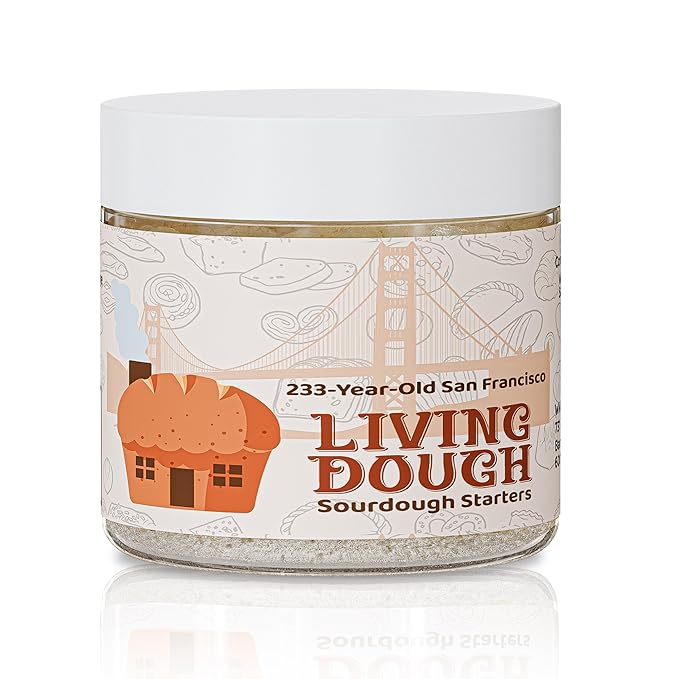
Living Dough – 233 Year Old San Francisco Sourdough Starter Culture
If you want the real San Francisco experience in your own kitchen, the Living Dough – 233 Year Old San Francisco Sourdough Starter Culture is worth a look. It comes straight out of the WWJD Living Dough lineage, a culture that’s been passed down and maintained across generations.
What Customers Love:
One buyer described it this way: “I have recently received my starter so I will update my review after my first batch of bread, but I wanted to encourage everyone considering a starter to choose living dough. I had to reach out to the seller with a few questions and he got back to me in about 12 hours with a very kind response and great information.”
Delivery beat the estimate by a full week, which was a nice surprise. The smell alone signals quality, and it ships with clear, detailed instructions for building the culture up. Given that it’s a genuinely decades-old living culture rather than a packet of fresh yeast, the value is hard to argue with.
They went on to add: “I have already purchased my second starter from WWJD Living Dough and I recommend you do as well! The quality of the starter is evident in my first beautiful loaves of bread. It comes with instructions so extremely easy to use and the taste and texture are amazing! The size is just perfect for beginning your own usable starter and it performs exactly as expected. I highly recommend!”
Key Features:
- A genuine 233-year-old San Francisco sourdough lineage
- Active, live, organic sourdough culture
- Works well for artisan loaves, pizza dough, waffles, and more
- Ships with thorough development instructions
- Responsive, helpful customer support
- Track record of great-tasting, beautifully risen loaves
This particular starter suits bakers chasing the authentic San Francisco flavor and story. It’s especially friendly for newcomers, since it arrives with clear instructions and a solid history of working out well.
Does a San Francisco Starter Fit Your Baking Style?
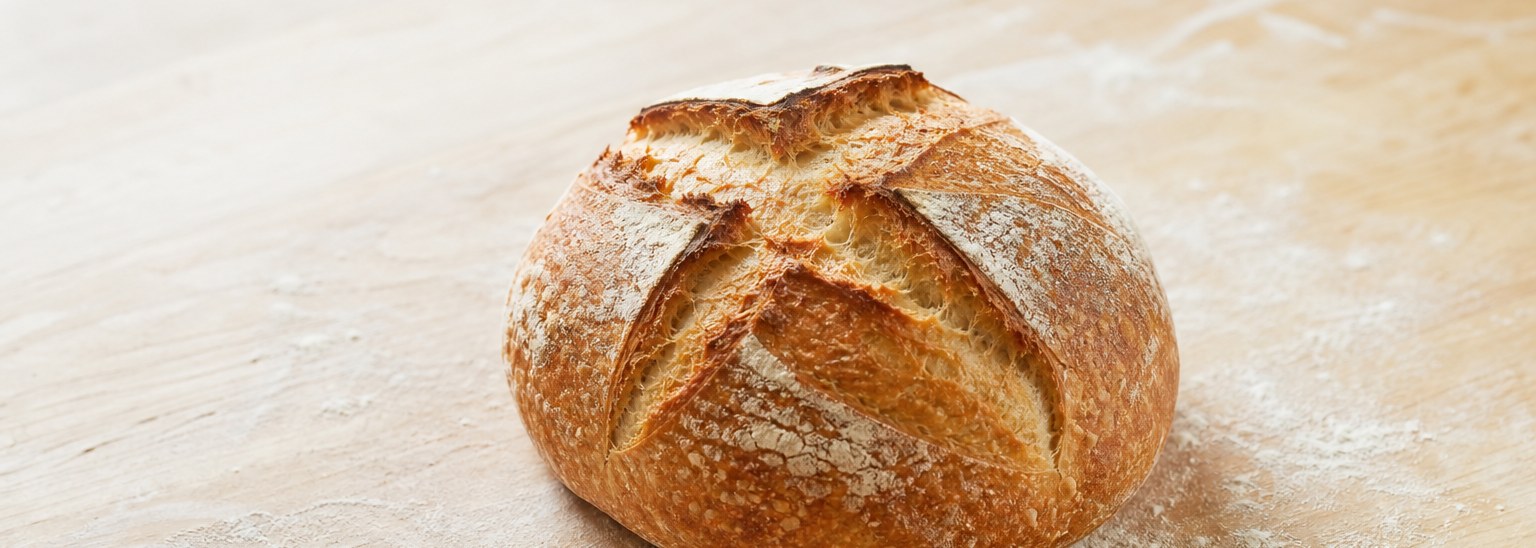
What San Francisco sourdough is known for above all is its bold, unmistakable sourness — a great choice if you want bread that reads as unmistakably sourdough rather than something mild and wheat-forward. It shines in classic rustic boules and batards, the kind with a crackly, blistered crust and an open, chewy crumb — essentially the loaf you’d pick up at an actual San Francisco bakery. Want something softer and more nuanced for a country loaf? A French-style levain suits that better. Craving a rye-heavy, aggressively sour bread instead? Reach for a German sauerteig culture. I’ve covered both of those in depth, along with Italian lievito madre: French sourdough history, German rye sourdough culture, and Italian lievito madre.
New bakers often do surprisingly well with San Francisco starters, mainly because heritage strains like Living Dough show up already mature and balanced — you’re not fighting a temperamental brand-new culture at the same time you’re learning to bake in general. For bakers with more mileage under their belt, it works well as a reference point: once you understand how a properly fed San Francisco culture behaves, you’ve got a benchmark to measure every other starter against.
Keeping a San Francisco Starter Alive at Home
Nobody’s replicating San Francisco fog on a kitchen counter, but you can get reasonably close to what Fructilactobacillus sanfranciscensis and its yeast partners actually want. Shoot for a steady 70–75°F while the starter’s active — a cool pantry shelf or the top of the fridge usually does the job without any special equipment. Feed it daily at room temperature when you’re baking often, starting with equal parts starter, flour, and water by weight, and move it to the fridge with weekly feedings whenever you need to step back for a while.
Judge it by behavior, not a stopwatch: look for a domed or rounded top, bubbles spread throughout rather than just clustered on top, and a smell that’s pleasantly tangy-sour rather than sharp or solvent-like. A San Francisco starter that’s being fed properly should about double in size within 4 to 8 hours at room temperature — if it’s dragging well past that window, it probably needs a warmer location or a stronger feeding ratio.
Closing Thoughts: Holding Onto a Piece of Gold Rush History
A San Francisco sourdough starter does more than just leaven bread — it’s a 175-year unbroken chain of daily feedings that made it through a gold rush, an earthquake, and everything else in between. Whether you’re chasing that signature tangy crumb or simply want to bake with a genuine piece of culinary history, a well-tended San Francisco culture pays you back with bread that doesn’t taste like anything else out there.
Thinking about starting your own San Francisco sourdough journey? Pick a culture with a documented history, stick closely to its feeding schedule for the first couple of weeks, and give it time to adjust to your kitchen before you judge how it’s performing.
| Regional Culture | Signature Flavor | Key Microorganism | Climate Need |
|---|---|---|---|
| San Francisco | Sharp, tangy bite | Fructilactobacillus sanfranciscensis | Cool, foggy |
| French levain | Softer, more nuanced | Wild yeast strains | Not specified |
| German sauerteig | Aggressively sour, rye-heavy | Not specified | Not specified |
| Italian lievito madre | Not specified | Not specified | Not specified |
Reviving a San Francisco Starter Fresh Off Delivery
A San Francisco starter that arrives by mail is basically a dormant microbial colony that needs a careful, patient wake-up call before it’s reliable. I learned this the hard way — diving into a full bake the moment a culture shows up is a nearly guaranteed way to end up disappointed. Give it a few days to prove it’s ready first.
What actually works
- Sticking to the rehydration instructions included with the culture, exactly as written, for that first feeding gives you a known, tested starting point instead of guessing at ratios for a strain you’ve never handled before.
- Feeding it once a day at room temperature (70–75°F) for that first week recreates the environment the culture was bred for, and lets you watch it settle into its normal rise pattern before you trust it with a real loaf.
- Setting aside a small backup portion in the fridge during that first week means a single botched feeding won’t wipe out the whole culture while you’re still figuring out how it behaves.
What tends to backfire
- Those first few feedings often look weak or unremarkable compared to a starter you’ve kept going for months, which can make you doubt whether it’s alive at all — it almost certainly is, it’s just easing awake.
- Treat the printed feeding schedule as a rough guide, not gospel — your own kitchen’s temperature will nudge the timing earlier or later than whatever the instructions say.
I came close to tossing a brand-new San Francisco starter on day four because it barely seemed to rise, before I caught myself comparing it to my long-established starter at peak strength instead of letting the new culture have its own week to find its footing.
Frequently Asked Questions
What temperature should I keep my San Francisco starter at?
Shoot for a steady 70–75°F while the starter’s active. A cool pantry shelf or the top of the fridge usually works without special equipment. San Francisco’s cool, foggy climate is ideal for Fructilactobacillus sanfranciscensis, so maintaining that temperature range helps your culture thrive at home.
How often should I feed my San Francisco sourdough starter?
Feed it daily at room temperature when you’re baking often, starting with equal parts starter, flour, and water by weight. When you need to step back, move it to the fridge with weekly feedings. For a newly arrived culture, feed once a day at 70–75°F for that first week before using it for baking.
Why is San Francisco sourdough tang so distinctive?
The tang comes from Fructilactobacillus sanfranciscensis, a bacterium that generates lactic acid and flourishes in San Francisco’s cool, foggy microclimate. Wild yeast like Saccharomyces exiguus works alongside it, and together they create a flavor more complex than either could produce alone.
What should I do when my San Francisco starter first arrives?
Follow the rehydration instructions included with the culture exactly as written for that first feeding. Feed once daily at room temperature (70–75°F) for the first week, and set aside a small backup portion in the fridge as insurance while you’re learning how it behaves before baking with it.
About This Article

Written by Sam Whitaker. Sam Whitaker has been baking sourdough for over a decade, including three years baking commercially, and now works out of a home kitchen in the Pacific Northwest. Sam's eleven-year-old starter, Harold, is the foundation for every recipe and troubleshooting guide on Sourdough Rising — real bread tested over and over until it works. More about this site.
Scope and limits. Sam is a home baker with no formal culinary training. Follow current food safety guidance for storage and handling, particularly with enriched or filled doughs.
Verify this against a primary source
Specifics change, and your situation may differ from the one described here. These are the authorities worth checking directly:
- USDA FoodData Central — flour and ingredient composition data
- FoodSafety.gov — safe handling and storage