The Wild Yeast Story Started Long Before San Francisco
Nearly every home baker assumes San Francisco sourdough sits at the center of the whole story — that tangy, foggy-city loaf everyone points to first. That assumption doesn’t hold up. Bakers in Ancient Egypt were likely capturing wild yeast thousands of years before California existed as a place, let alone a bread destination. From there, the practice spread across every inhabited continent, with local bakers bending it around whatever grain and climate surrounded them. That’s the real reason “sourdough” ends up meaning something different depending on which country you happen to be standing in.
The real strength of fermented bread shows up in how endlessly adaptable it is. The wheat sitting in a Turkish mill isn’t the wheat sitting in a Danish one, and a German bakery holds a different ambient temperature than a village kitchen in Portugal. Those differences shape entirely separate microbial environments, which is exactly why the same starter culture can behave in wildly different ways depending on where it lands. Keep that in mind heading into the ten loaves below — it’s the reason each one turns out so distinctly flavored and textured from the next.
Ten Regional Fermented Loaves Worth Chasing Down
Below are ten fermented breads pulled from different corners of the map, each one proving just how far wild yeast and time can be stretched:
- San Francisco Sourdough (USA) — Dense and unmistakably tangy, with a crackling crust shaped by the Bay Area’s cool fog and its native Lactobacillus plantarum strain.
- German Vollkornbrot (Germany) — A whole-grain rye loaf given more than 24 hours to ferment, producing a dark, tight crumb carrying quiet sourness and deep, earthy notes.
- French Pain au Levain (France) — Gentler and less sharp than its San Francisco cousin, built around delicate flavor and a wide-open crumb structure.
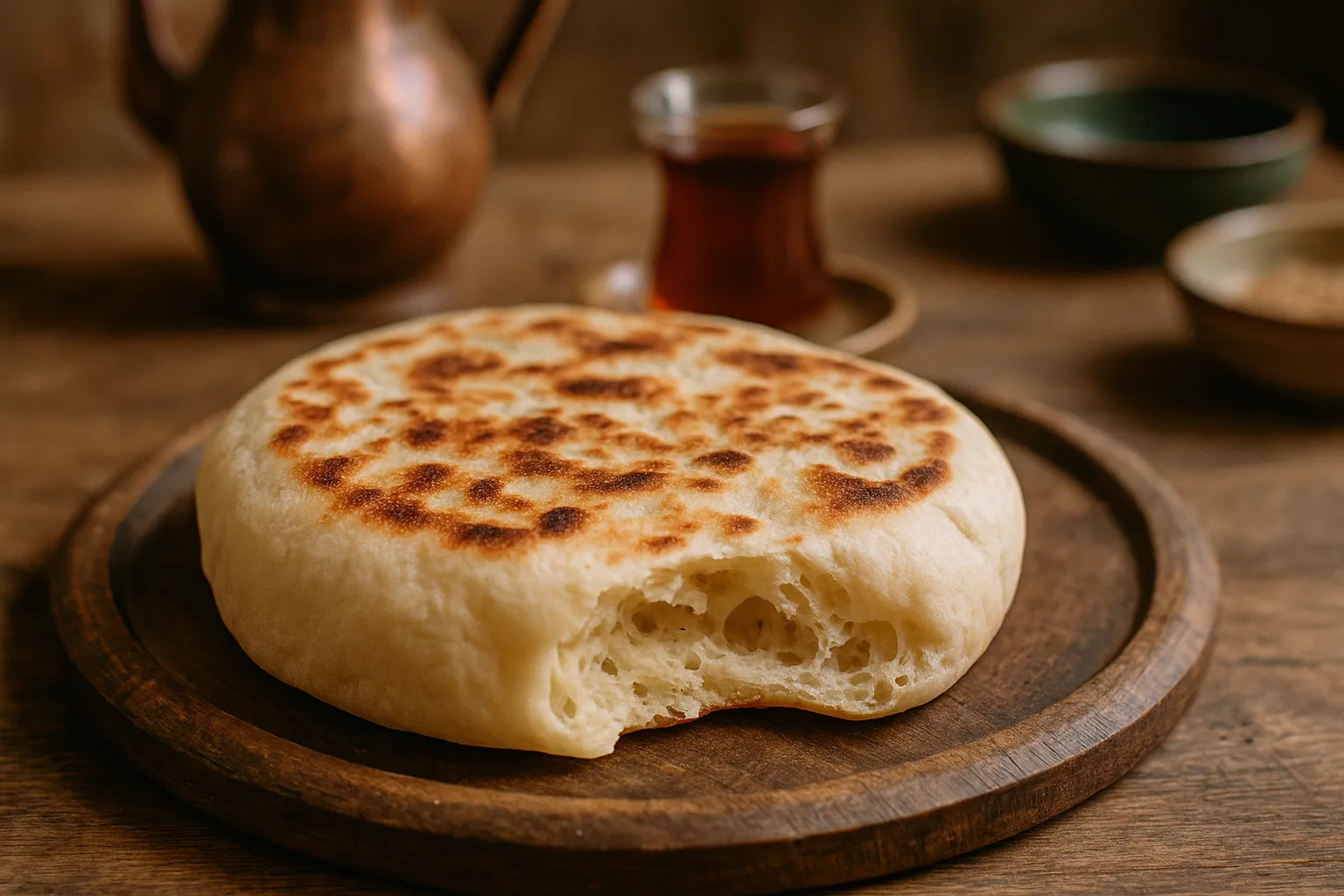
- Turkish Çörek (Turkey) — A faintly sweet fermented flatbread usually finished with sesame and nigella seeds, rooted firmly in Middle Eastern baking tradition.
- Italian Pane Toscano (Italy) — Classically baked with no salt at all, relying on a slow, cool ferment that leaves behind mild tang and a soft, tender bite.
- Spanish Pan de Barra (Spain) — A crackly-crusted loaf with an airy interior, moderate sourness, and a touch of malt flavor built up over an extended fermentation.
- Portuguese Broa (Portugal) — A dense, subtly sweet rye-and-corn bread wrapped in a thick crust, traditionally left to ferment overnight.
- Danish Rugbrød (Denmark) — A dark rye loaf fermented alongside caraway seeds, frequently loaded with whole seeds and grains, striking a distinctive tangy-sweet balance.
- Swedish Limpa (Sweden) — A gently sweetened rye bread carrying hints of orange or anise, given enough fermentation time to build complexity without turning harsh.
- Belgian Pain Artisanal (Belgium) — Frequently mixed from several grains at once, resulting in a nutty flavor profile and an irregular, rustic crumb.
What These Loaves Reveal About Their Origins
Every one of these loaves carries a story about the climate, grain supply, and cultural taste of its region. Rye bread dominates northern Europe because rye shrugs off cold weather and keeps longer in storage than wheat does. Mediterranean loaves frequently cut salt way back or skip it entirely, a holdover from historical preservation practices and whatever ingredients happened to be on hand at the time. Working your way through this list isn’t just a tour of flavors — it’s a hands-on lesson in how microbiology, geography, and human resourcefulness collide.
Sourcing a Starter Before You Even Know What You’re Chasing
Dig into fermented breads from different cultures and you’ll figure out fast that no two starters behave alike — and coaxing one from scratch to mimic a specific regional style eats up more time and patience than most of us have to spare. Keeping a dependable, already-proven starter on hand frees you up to focus on technique and flavor instead of constantly wondering whether your culture is even alive.
Where it pulls its weight
About This Article

Written by Sam Whitaker. Sam Whitaker has been baking sourdough for over a decade, including three years baking commercially, and now works out of a home kitchen in the Pacific Northwest. Sam's eleven-year-old starter, Harold, is the foundation for every recipe and troubleshooting guide on Sourdough Rising — real bread tested over and over until it works. More about this site.
Scope and limits. Sam is a home baker with no formal culinary training. Follow current food safety guidance for storage and handling, particularly with enriched or filled doughs.
Verify this against a primary source
Specifics change, and your situation may differ from the one described here. These are the authorities worth checking directly:
- USDA FoodData Central — flour and ingredient composition data
- FoodSafety.gov — safe handling and storage