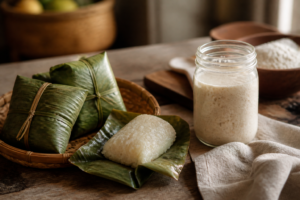
Introduction: A Jar of Flour and Water Carries More Than Bubbles
We went through a stretch last February where the furnace was running nonstop and the air in my kitchen dropped to something like 20% humidity. My usual starter, the one I’ve fed for over a decade, barely blinked. But a rye culture a reader had mailed me from Germany went nearly dormant, sluggish and flat, while an Italian Lievito Madre I was babying at the time turned almost leathery on top overnight. That’s when it really clicked for me: these aren’t interchangeable jars of goo. Each one is its own creature, shaped by wherever it came from, and it reacts to your kitchen based on habits it picked up somewhere else entirely.
Here’s the thing that gets me excited about all this: a single loaf can carry you somewhere. Fog rolling off the California coast, a stone farmhouse oven in rural Germany, a kitchen in Ethiopia where bread doubles as a spoon. None of that is metaphor — it’s baked into these cultures. Once you start collecting heirloom starters instead of just maintaining one, baking stops being a routine and starts being a kind of travel.
So consider this your itinerary. I’m going to walk you through some of the most distinctive sourdough cultures on the planet — where they came from, why they taste the way they do, and how you can keep a few of these living histories bubbling away on your own counter.
Sourdough Has a “Terroir” Too — Here’s What Sets Each Starter Apart
Wine people talk about how soil and climate leave fingerprints on a grape — terroir, they call it. Sourdough works the same way. Every starter is basically a mirror of the place it was born in, molded by geography, the flour it’s fed, and however many years it’s been kept alive.
Every Starter Has Its Own Microbial Signature
Place Shapes Taste More Than You’d Expect
Why the History Behind a Starter Is Worth Protecting
A Roundup of Some Ancient and Heirloom Sourdough Cultures Worth Knowing
Grab your metaphorical suitcase — here’s a rundown of the sourdough starters I find most compelling, historically and otherwise, from a handful of corners of the world.
North America: What the Gold Rush Left Behind
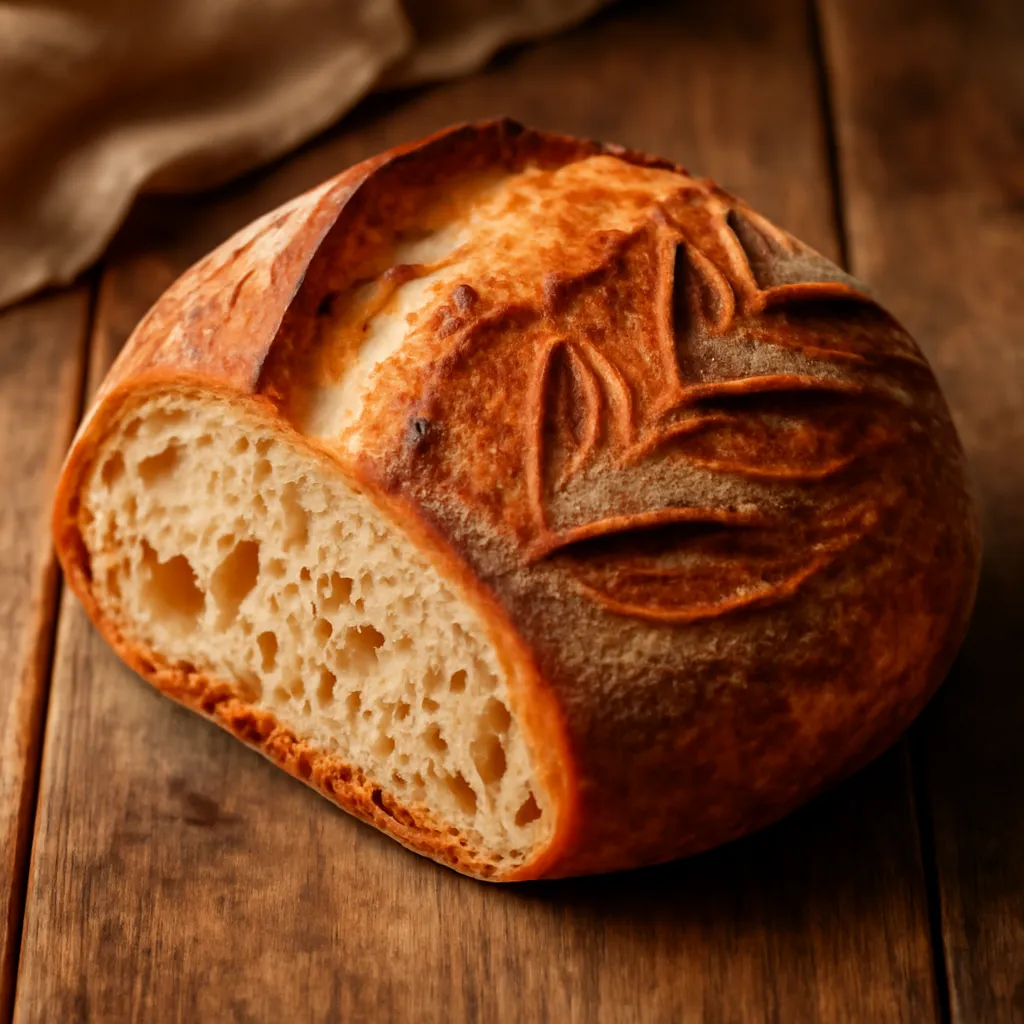
- San Francisco Sourdough: Probably the best-known starter on earth. That signature sharp bite comes courtesy of a specific bacterium, Fructilactobacillus sanfranciscensis (you may see it under its older name, Lactobacillus sanfranciscensis), which does especially well in the Bay Area’s cool, fog-heavy air. There’s real history baked in here too — prospectors carried these cultures during the Gold Rush precisely because they didn’t need commercial yeast to leaven bread.
- Yukon & Alaskan Starters: These trace back to the Klondike Gold Rush, and they earned their reputation the hard way. Miners kept them going through brutal, freezing conditions, which bred cultures that are tough as nails and stay vigorous — the bread they produce tends to be milder in tang but still full of flavor, well-suited to frontier life.
Europe: Where Sourdough Tradition Really Took Root
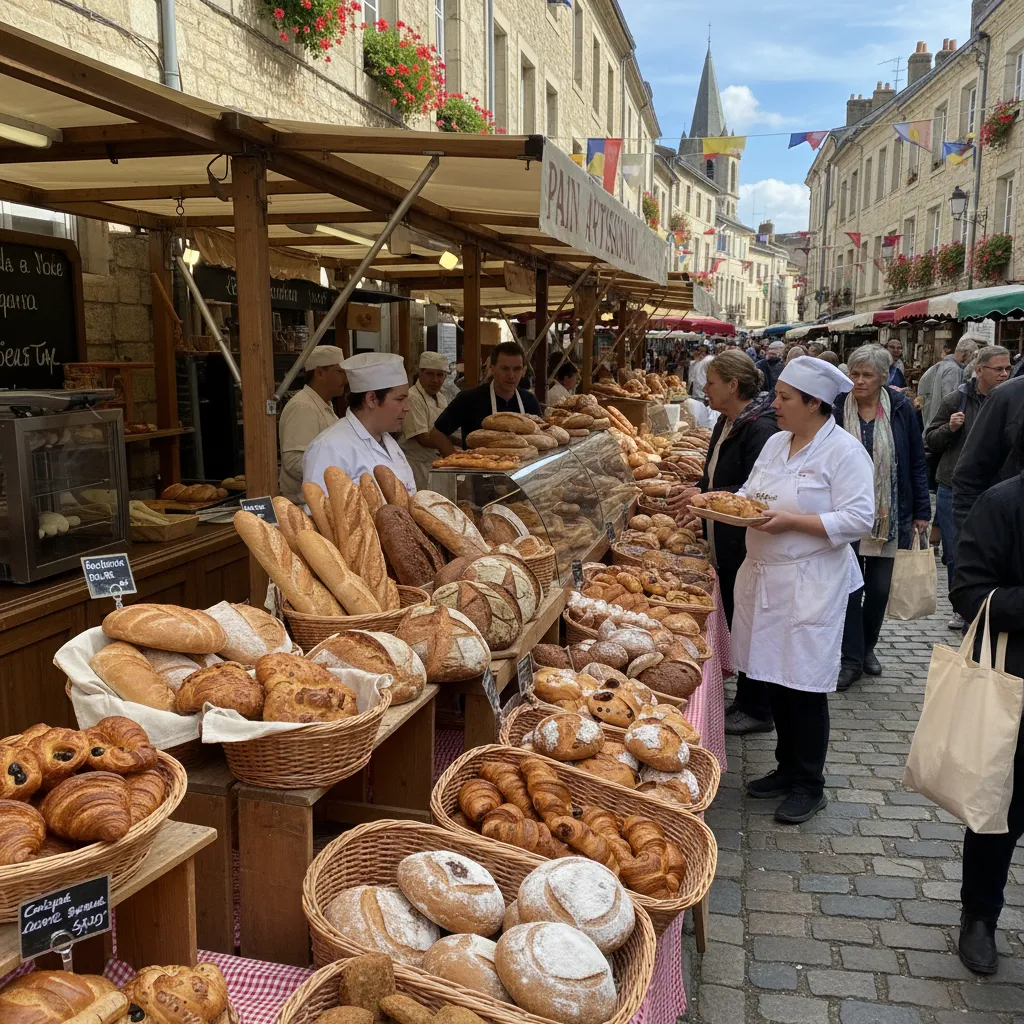
- French Levain: This is the backbone of Pain de Campagne (country bread), and compared to its San Francisco cousin, it’s usually gentler and less one-note. It leans toward a nuanced, wheat-friendly flavor, often carrying a creamy, yogurt-like aroma and a soft, well-rounded acidity rather than a sharp punch.
- German Sauerteig: German baking is built around rye, and Sauerteig is what makes that possible. It’s a forceful, intensely acidic rye starter, and it needs to be — rye flour is dense and gummy without that acidity keeping it in check. This is the engine behind hearty loaves like Bauernbrot (farmer’s bread) and Pumpernickel.
- Italian Lievito Madre: Genuinely unlike anything else on this list. Lievito Madre (literally “mother yeast”) is stiff, low-hydration, and honestly looks more like a dough ball sitting in a bowl than a typical starter. It’s kept deliberately mild and yeast-heavy rather than sour, which is exactly what you want when leavening enriched, sweet doughs like Panettone and Pandoro, where tang would ruin the effect.
- Russian Zakvaska: This intense rye starter is behind the legendary Borodinsky loaf. Zakvaska is nurtured for a deep, layered flavor that can hold its own against dark rye flour and the molasses this iconic Russian bread is known for.
- Finnish Ruisleipäjuuri: A deeply rooted piece of Finnish food culture — the name (leivänjuuri translates to “bread root”) gives away how long this rye starter has been handed down. It’s the backbone of ruisleipä, the dense, dark, sharply sour rye bread that’s often shaped into rings and traditionally hung on poles to dry out.
Middle East & Africa: Old Grains, Traditions That Never Left
- Ancient Egyptian Starter: Nobody’s pulling a culture straight out of a pharaoh’s tomb, obviously, but plenty of bakers today have rebuilt starters using old grains like emmer and einkorn. Doing this ties you back to the earliest chapter of leavened bread, which most historians agree was likely stumbled upon by accident in ancient Egypt.
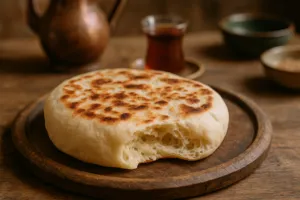
- Ethiopian Teff Starter: Injera, the well-loved Ethiopian flatbread, comes from a starter fed with teff — a small but nutrient-dense ancient grain. What you end up with is a sour, spongy bread that’s practically built for scooping up stews, functioning as both food and utensil.
Asia & Oceania: Starters Shaped by Isolation
- Australian ‘Down Under’ Starter: Australia’s isolated, one-of-a-kind ecosystem produces a microbial environment you won’t find replicated anywhere else. Bakers there have coaxed starters into life that carry distinct flavor profiles pulled straight from local wild yeast and bacteria — a genuinely Australian version of terroir.
Stocking Your Own Shelf With Starters From Elsewhere
Building up your own little collection of international starters isn’t nearly as complicated as it sounds.
- Buying legitimate international starters: A number of trustworthy online sellers focus specifically on shipping heirloom cultures. Go with vendors who explain the starter’s backstory and give you real instructions for reviving and maintaining it.
- Dehydrated flakes versus live cultures: Dried flakes travel better internationally, hold up through long storage before you ever activate them, and generally survive shipping mishaps. Live starters show up ready to go but are delicate and need attention right away. If you’re newer to this, dried is the lower-risk choice.
- Trading with other bakers: This whole community basically runs on generosity. Check out threads on r/Sourdough or the various sourdough Facebook groups — bakers regularly offer up their own local cultures to swap or share, usually asking nothing more than postage.
- Carrying one home yourself: Fell in love with a starter while traveling? Dehydrating it is your safest bet for getting it home. Spread a thin coat of active starter across parchment paper, let it dry out completely until it snaps rather than bends, then crumble it into flakes. It packs light, holds up well, and travels easily. (Double-check your destination’s customs rules on bringing in organic material before you go.)
Keeping a Whole World of Starters Alive on One Counter
Think of each starter as a houseguest with its own personality and its own list of demands about what it will and won’t eat.
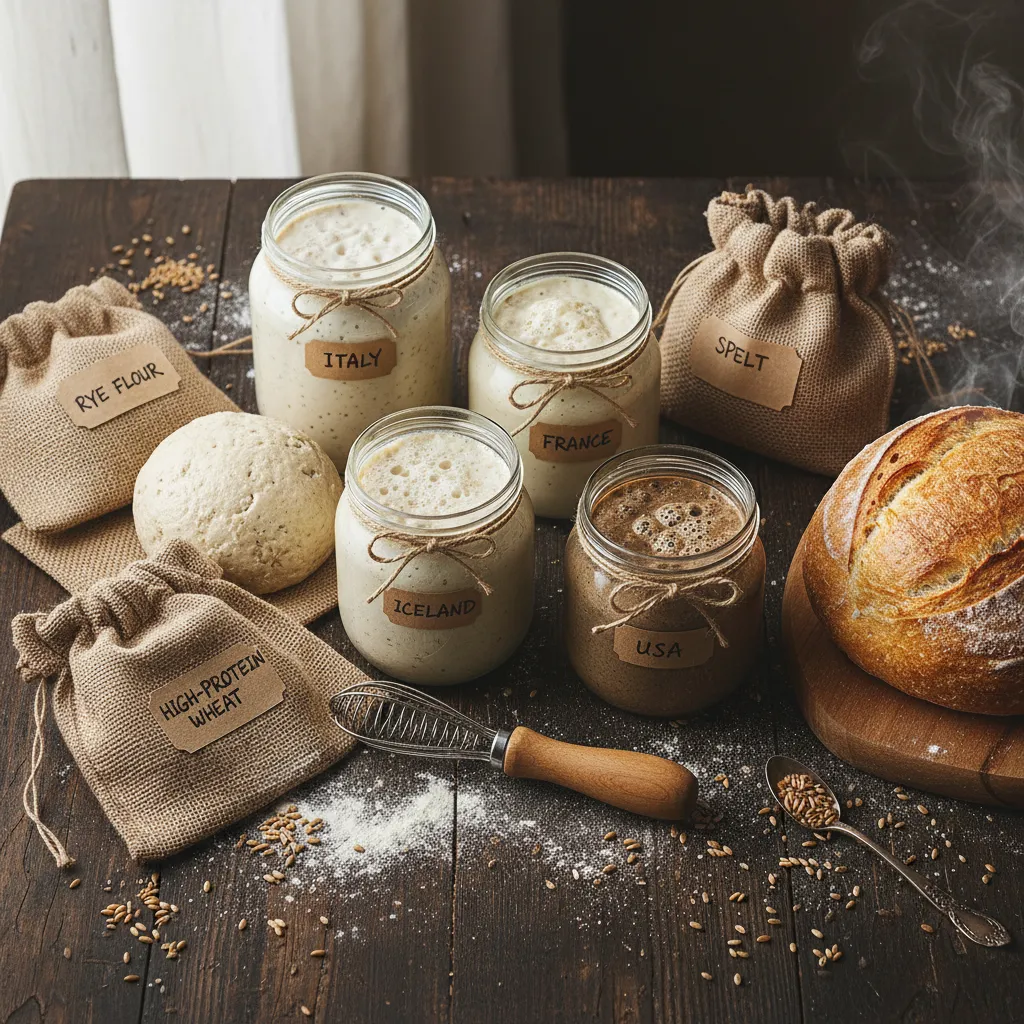
- Stick to what it grew up eating: A starter tends to hold onto its true character when you feed it the flour it originally developed with. Give a German rye starter whole rye flour, and give a Lievito Madre a strong Italian “00” or high-protein bread flour — swapping these around dulls what makes each one special.
- Different hydration levels need different handling: A loose, liquid rye starter just gets a quick stir. A stiff Lievito Madre is a different job entirely — it gets kneaded at every feeding, and some bakers even bind it in cloth or wash it to keep fermentation slow and controlled.
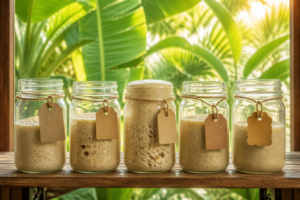
- Setting up a rotation for multiple starters: Once you’re keeping several going at once, it starts feeling like managing a small menagerie. Label absolutely everything. Most bakers store the whole collection in the fridge and only pull out the one they’re about to bake with, feeding it two or three rounds at room temperature until it’s back at full strength.
- Preserving one for the long haul: Need to step away for a while? Dehydration will save you. A well-dried starter can sit in an airtight container in the freezer for years and still come back to life whenever you’re ready to bake again.
For a quick side-by-side, here’s how these different starter types compare in day-to-day care:
| Starter Type | Typical Flour | Hydration | Key Care Characteristic |
|---|---|---|---|
| San Francisco | Bread/All-Purpose | 100% (Liquid) | Prefers moderate temperatures (70-75°F / 21-24°C). |
| German Sauerteig | Whole Rye | 100-150% (Liquid/Paste) | Ferments very quickly, loves warmth, highly acidic. |
| Italian Lievito Madre | Strong Bread Flour | ~50% (Stiff Ball) | Requires kneading; often “bound” in cloth to slow fermentation. |
| Russian/Finnish Rye | Dark/Whole Rye | 100%+ (Liquid/Paste) | Extremely active, needs consistent feedings to maintain health. |
Turning These Cultures Into Bread: A Few Traditional Bakes
Once one of your starters is bubbly and clearly alive, it’s finally time to put it to work.
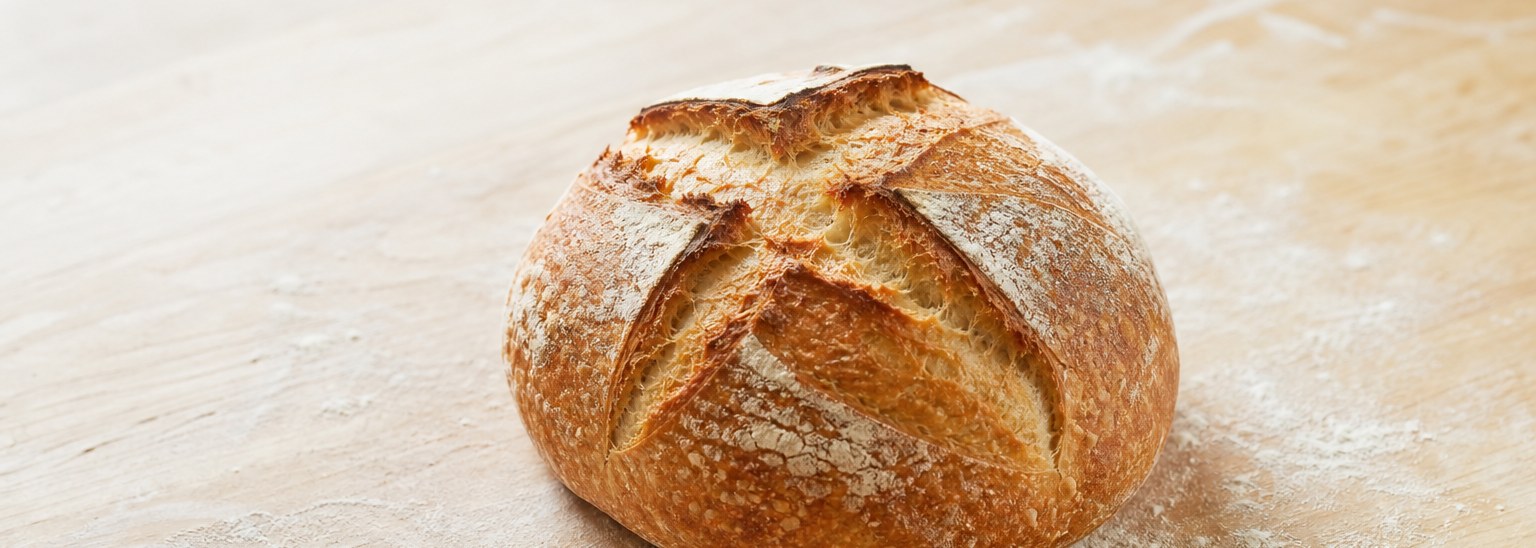
- A San Francisco-style loaf, done properly: Put that tangy Gold Rush culture to work and you’ll get a blistered, crackly crust, an open and chewy crumb, and the sharp sourness this style is famous for. Push it through a long, cold retard in the fridge and the tang only gets more pronounced.
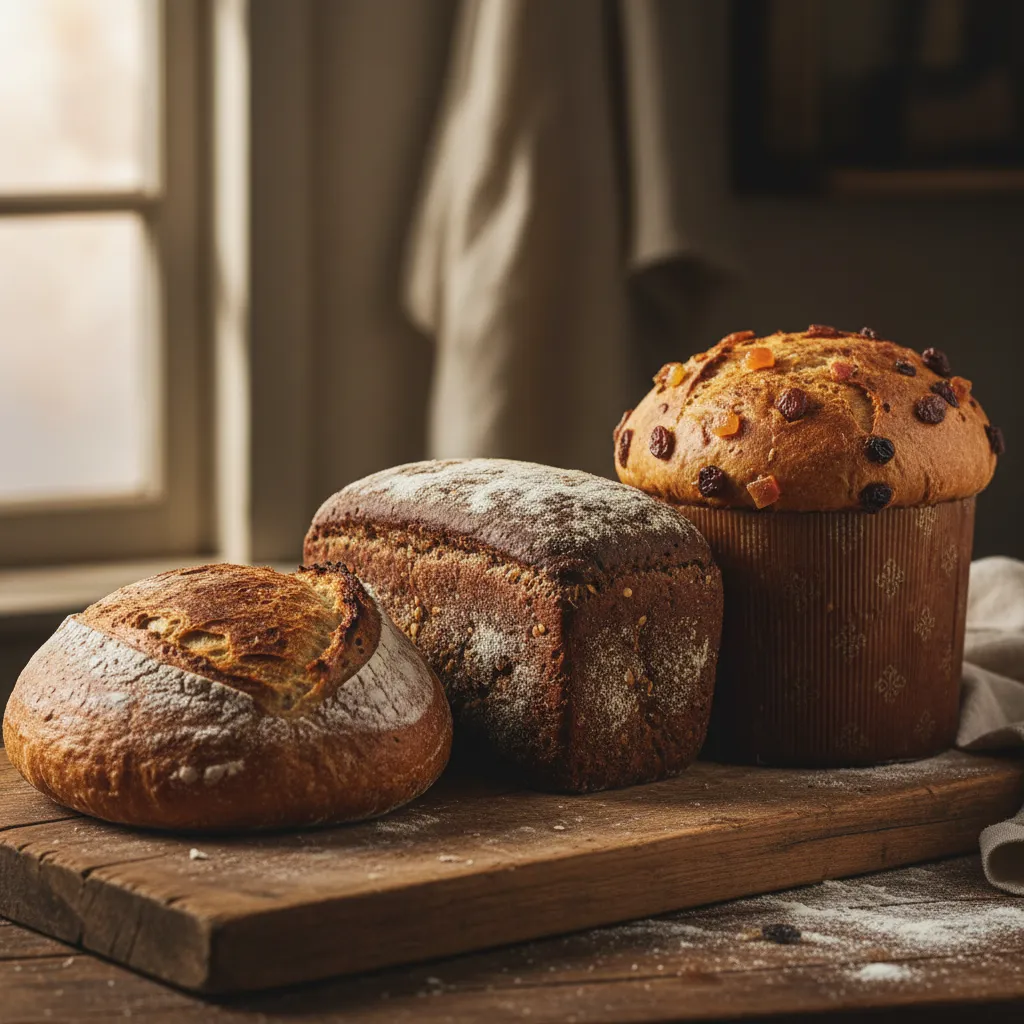
- German farmhouse bread (Bauernbrot) leaned on a strong rye starter: Dense, moist, packed with flavor — this loaf is Germany in bread form. You genuinely need the strength of your Sauerteig here; it’s what leavens that heavy rye dough and pulls out its distinctive earthy edge.
- Panettone made from Lievito Madre, for the ambitious: This is not an easy bake, but it pays off. A mild, powerful Lievito Madre is the only thing with enough lift to carry a dough loaded with eggs, butter, sugar, and dried fruit through a multi-day process, ending in a tall, airy, fragrant sweet bread that nothing else quite matches.
Conclusion: Turn Your Counter Into a Little Outpost of the World
Between the sharp tang of a California coastal loaf and the sweet fragrance of an Italian holiday bread, there’s an entire world of flavor sitting dormant in a plain jar of starter. Once you take on the job of keeping an heirloom culture alive, you’re not just baking anymore — you’re acting as a caretaker for something that’s genuinely historical. You’re preserving a thread that connects you to every baker who’s fed this exact culture before you, going back generations.
Your own kitchen counter can hold that same range — traditions from all over meeting whatever you decide to do with your own two hands. It never really gets old, and every single loaf ends up carrying its own story.
So which one are you going after first? Tell me your dream bake, or just share where your own sourdough journey has taken you, down in the comments.
Getting a Starter Home in One Piece (Without Losing It Along the Way)
Whether you’re picking up a starter from another baker or having one shipped to you, you need something that won’t leak all over your mailbox and won’t crack the second temperatures swing. A solid glass starter culture container is genuinely the difference between opening the box to a thriving colony and opening it to a dried-out, separated disappointment.
Where it holds up
- The glass is heavy-duty enough to survive going straight from the fridge to a warm counter — I’ve pulled that move dozens of times and never had it crack on me.
- The lid seals tight enough to stop evaporation over long ferments, but not so tight that pressure builds and pops the lid off (mason jars taught me that particular lesson the messy way).
- You can watch the rise, the fall, and the separation happen in real time — no more guessing games about whether it’s peaked yet.
Where it falls short
- There’s no volume marking on the glass, so if you’re the type tracking feeding ratios by weight down to the gram, keep your scale handy regardless.
- It weighs noticeably more than a plastic jar, which is worth knowing if you’re constantly shuffling it around your kitchen or shipping it back and forth.
I nearly sent mine back during the first week because condensation on the glass made it impossible to read how active the starter actually was — but once I started wiping it dry before checking, the whole problem disappeared. Grab a Sourdough Starter Container Glass and stop wondering whether your starter made it through the trip in one piece.
Frequently Asked Questions
Why did Sam’s German rye starter go sluggish in low humidity?
Each starter is shaped by the climate it came from and reacts to your kitchen based on habits it picked up elsewhere. Sam’s German rye culture struggled when his kitchen dropped to 20% humidity last February, while his usual starter barely blinked—showing how different starters have vastly different environmental needs.
What flour should I feed my German Sauerteig starter?
Feed your German Sauerteig whole rye flour to keep it true to its character. A starter holds onto its authentic flavor when you feed it the flour it originally developed with. Swapping flours around dulls what makes each one special.
Can I dehydrate a starter to bring it home from travel?
Yes. Spread a thin coat of active starter across parchment paper, let it dry out completely until it snaps rather than bends, then crumble it into flakes. It packs light, holds up well, and travels easily. Double-check your destination’s customs rules on organic material first.
How long can a dehydrated starter stay frozen?
A well-dried starter can sit in an airtight container in the freezer for years and still come back to life whenever you’re ready to bake again, making it ideal for long-term preservation.
About This Article

Written by Sam Whitaker. Sam Whitaker has been baking sourdough for over a decade, including three years baking commercially, and now works out of a home kitchen in the Pacific Northwest. Sam's eleven-year-old starter, Harold, is the foundation for every recipe and troubleshooting guide on Sourdough Rising — real bread tested over and over until it works. More about this site.
Scope and limits. Sam is a home baker with no formal culinary training. Follow current food safety guidance for storage and handling, particularly with enriched or filled doughs.
Verify this against a primary source
Specifics change, and your situation may differ from the one described here. These are the authorities worth checking directly:
- USDA FoodData Central — flour and ingredient composition data
- FoodSafety.gov — safe handling and storage