Introduction: The Living Legacy in Italy’s Bread
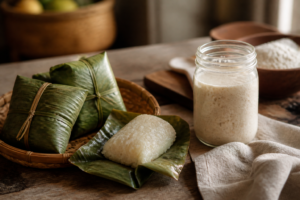
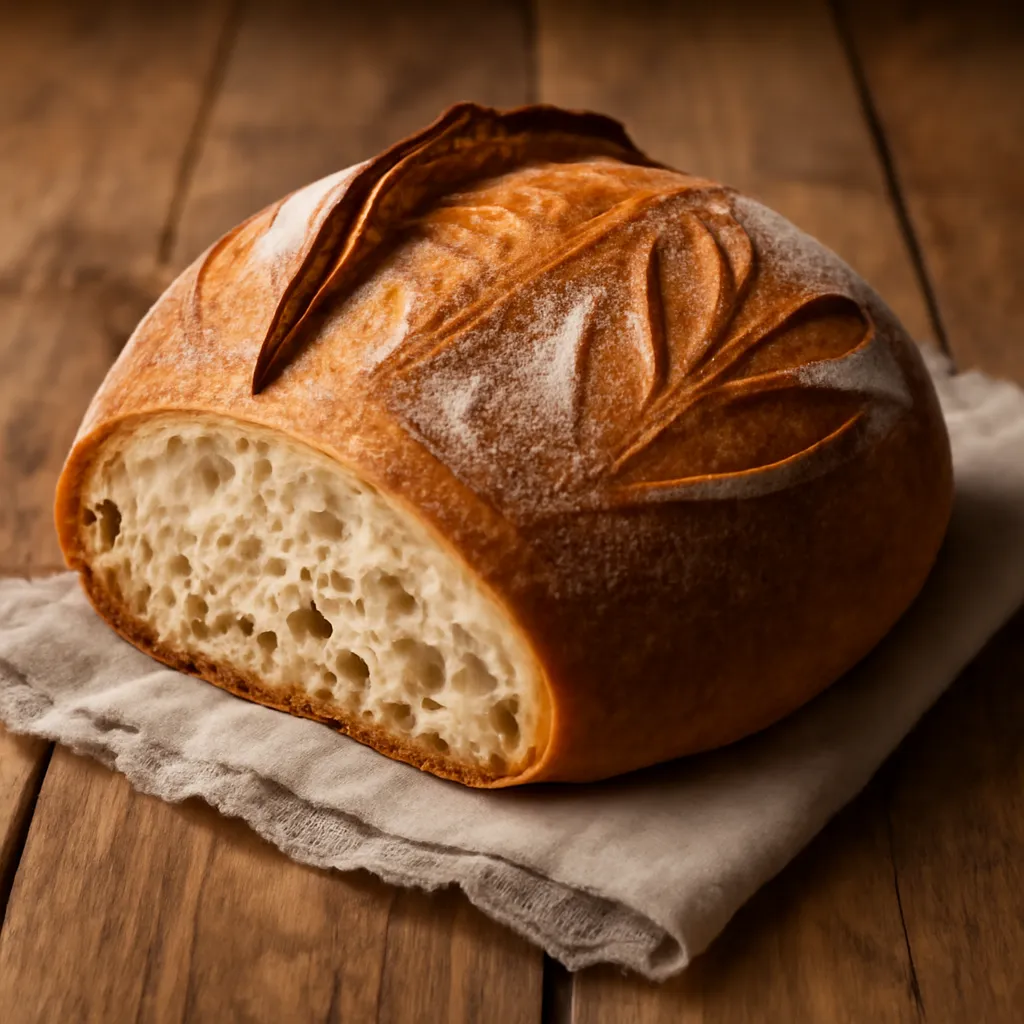
What’s actually keeping Italian sourdough alive centuries after the recipe could’ve been forgotten? The short answer: a handful of stubborn, carefully guarded starters that Italians never let die out. Long before pizza dough and fresh pasta became the country’s culinary calling cards, there was ancient sourdough — a tradition kneaded directly into the nation’s identity. This is more than bread; it’s a living record passed hand to hand across generations. Its engine is the revered lievito madre, the “mother dough” — a colony of wild yeast and bacteria that anchors Italian heritage baking.
Scattered across the country, countless regional starters exist, each shaped by its own patch of soil and its own kitchen habits — but two names rise above the rest for their deep roots and wildly different personalities. Calling these “leaveners” undersells them badly; they’re closer to biological heirlooms, tiny time capsules that carry centuries of craft and a very specific sense of place.
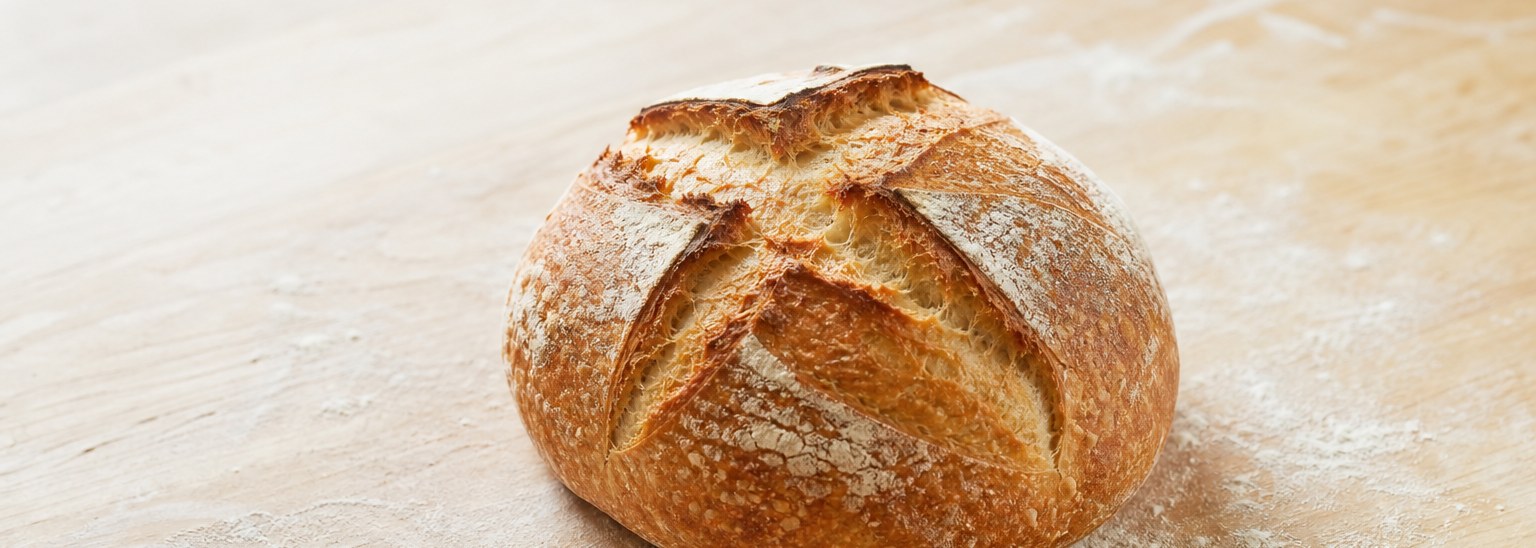
First up is Camaldoli — cloistered, monastic, born in a secluded hermitage tucked into the Apennines near Arezzo. Monks have babied this culture with near-ritual devotion for generations, and that’s exactly why people call it “sacred.” The payoff of all that careful stewardship is a starter with serious staying power and consistent strength, one that hands doughs a bold, layered character. Expect a fermentation that leans deep and earthy, echoing old-world grains and the austere richness of monastic life, with finished loaves showing sturdy structure and a flavor that lingers.
Then there’s its opposite number: Ischia, the mild-mannered island starter, grown out of the volcanic soil and distinctive microclimate on its namesake island in the Gulf of Naples. “Gentle” fits because the island’s temperate conditions keep its microbial mix in balance. Bakers reach for it when they want a softer rise, a finer and more tender crumb, and a light, aromatic tang that never muscles its way to the front. Loaves made with it turn out airy and nuanced, often carrying a whisper of local produce and a faint salinity from the sea, a flavor that could only come from that one island.
Both starters carry a family tree stretching back through their own unbroken history, and both leave a fingerprint — aroma, texture, flavor — that nothing else can replicate. They’re not just ingredients on a list; each one is a story you’re baking into your bread, along with a taste you won’t forget.
What follows is a walk through the history, flavor, and cultural weight behind Italy’s most storied sourdough starters — a taste of the past you can bring straight into your own kitchen.
Before the Legends: A Quick History of Italian Sourdough Traditions
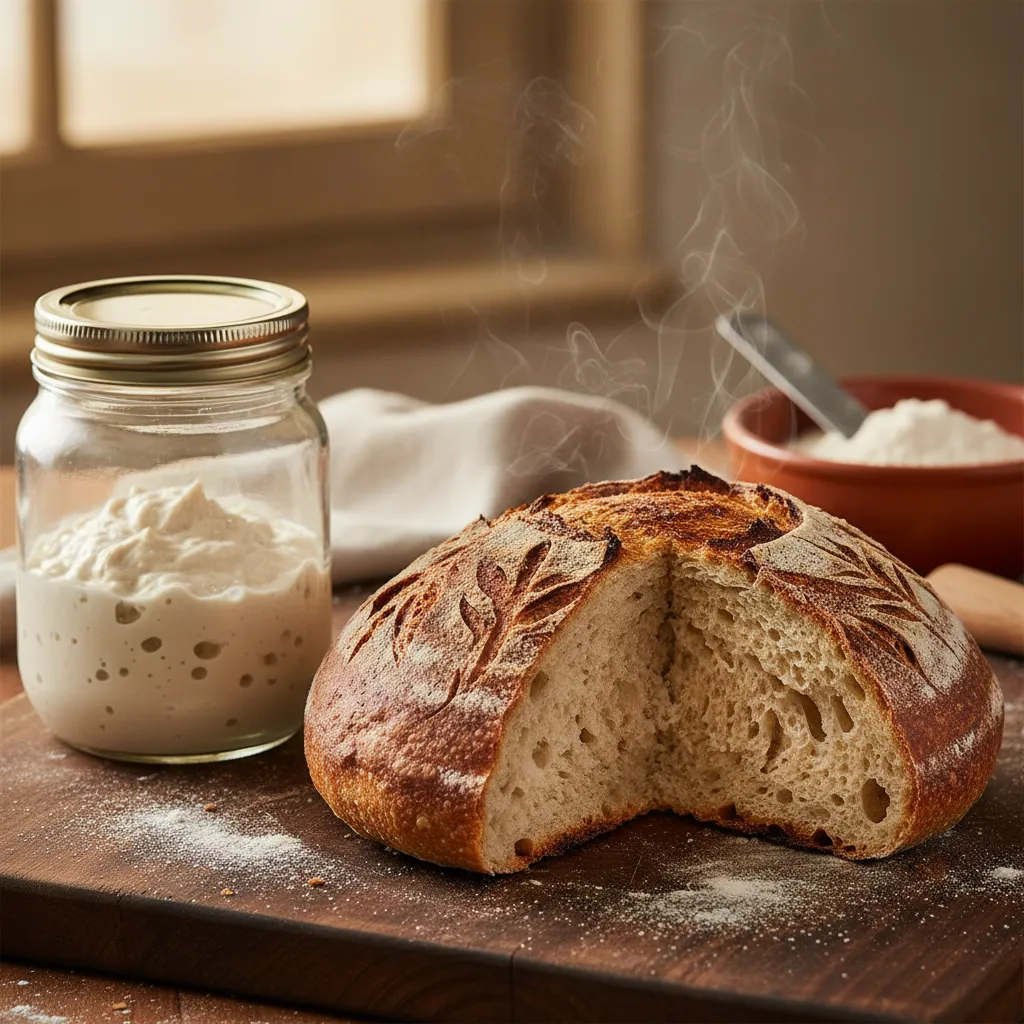
Before uniform white loaves and packets of commercial yeast took over, Italian baking answered to nothing but wild, natural fermentation and community habit. Back in the days of Pasta Madre (a stiffer sourdough starter, essentially), every household and every village kept its own culture — treated less like an ingredient and more like a family member. The history of Italian sourdough bread traditions grew out of necessity and neighborliness.
The village hub wasn’t the church square — it was the forno comunale, the shared oven. Households shaped their dough at home with their own inherited starter, then carried it over to be baked communally. That wasn’t just a practical arrangement; it was a social custom that kept local food identities intact. Because each town’s starter picked up its own microbial signature from local flour, water, and even the surrounding air, bread could taste dramatically different just a few towns over. That’s the real story behind traditional Italian sourdough starter origins—not born in a laboratory, but shaped in the hands of grandmothers and village bakers all across the peninsula.
The Sacred Starter: Digging Into Camaldoli Monastery Sourdough
Born in a Tuscan Monastery
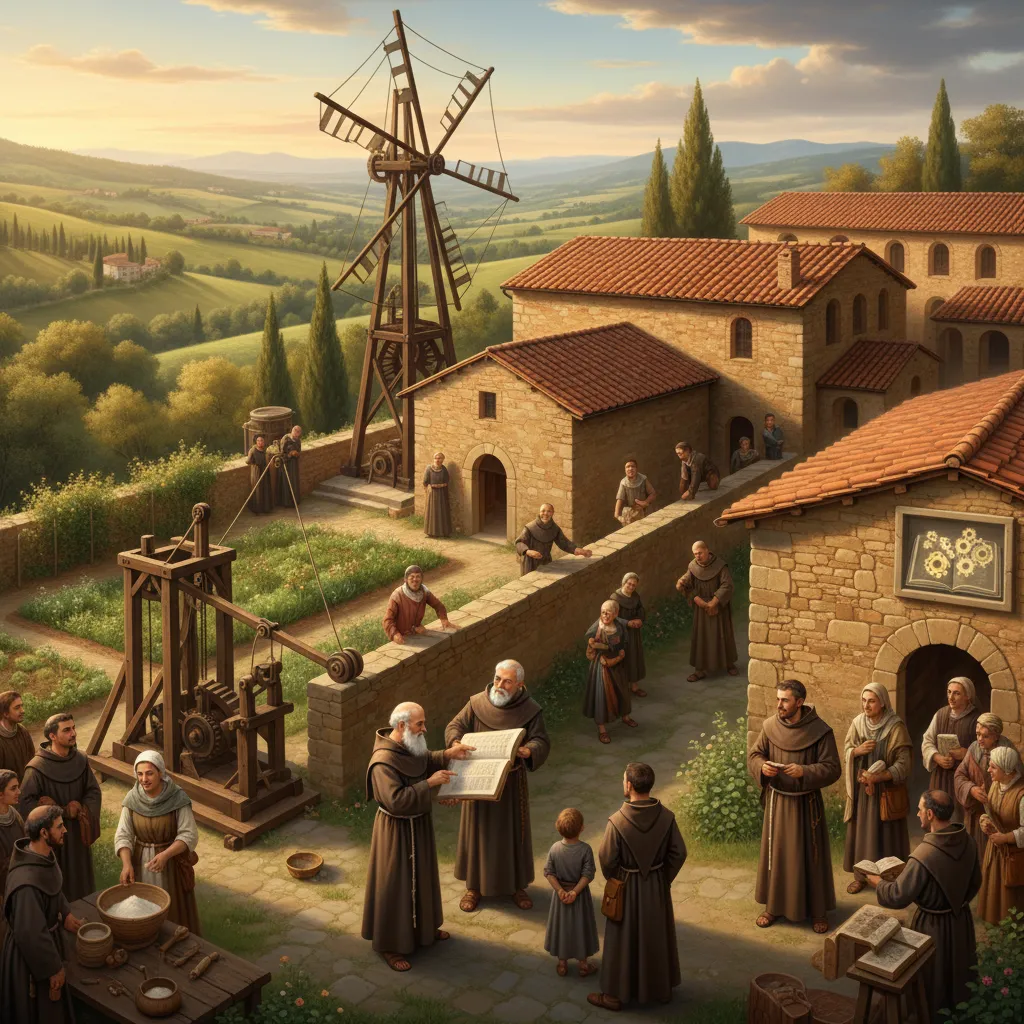
Tucked into the quiet, forested slopes of Tuscany sits the Camaldoli Monastery, established somewhere around 1012 A.D. For more than a thousand years, its monks have devoted themselves to contemplation, prayer, and — as it happens — the careful upkeep of their bread. The Camaldoli Monastery ancient sourdough history is defined by isolation and purity. Cut off from outside influence, the monastery’s own microbial world — shaped by mountain air and centuries-old stone — bred a culture found nowhere else on earth.
This monastic sourdough Italy Camaldoli culture has survived famine, war, and every era of change in between, nursed along by the monks’ persistence. Bake with the Tuscan monastery sourdough starter Camaldoli today, and you’re plugged straight into a thousand years of that same lineage.
What Camaldoli Actually Tastes Like
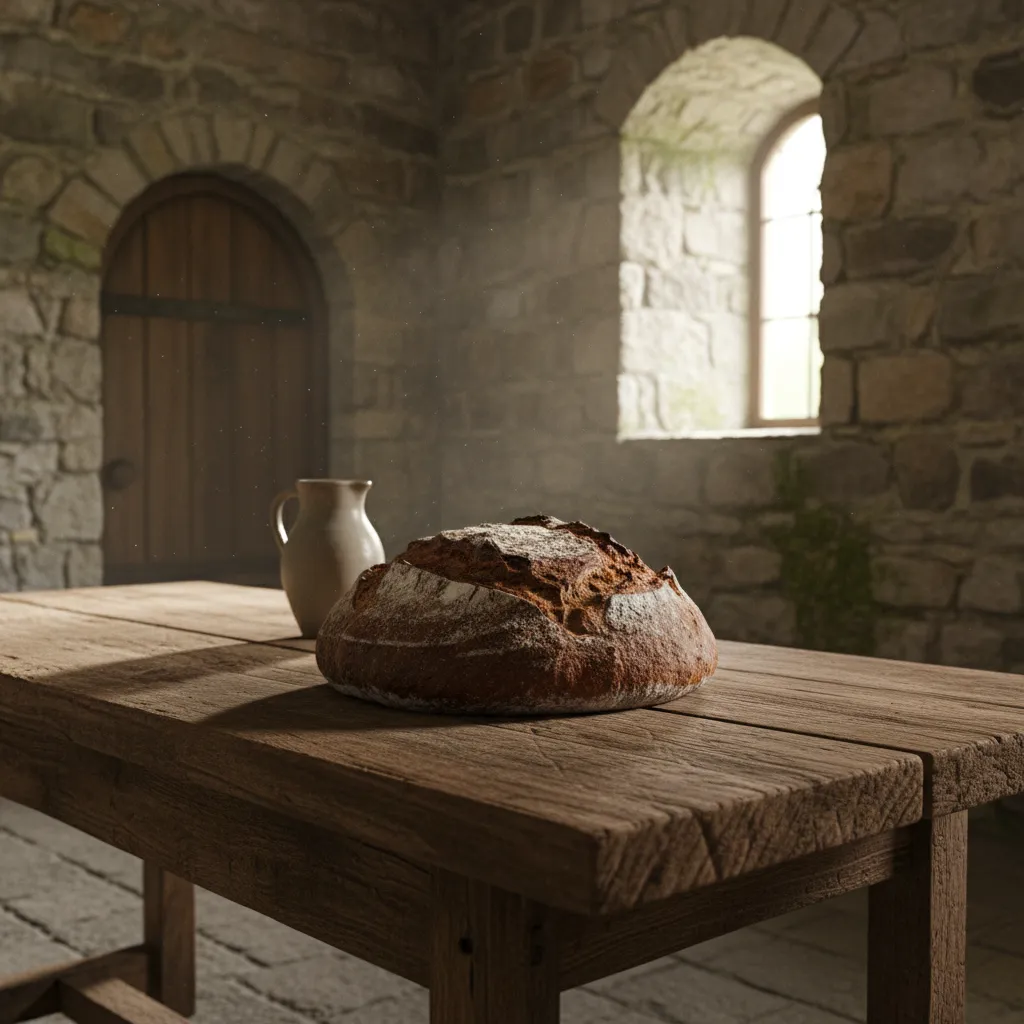
Baking with Camaldoli feels a bit like opening a bottle of well-aged Chianti — it’s not a gentle experience. The flavor runs deep, earthy, and assertive, with a tang that gives away its wild lineage instantly. You’ll pick up on malt, dark-crust notes, and a savory undercurrent that pairs beautifully with whole grains, rye, and ancient wheats such as spelt or farro.
From the quiet halls of that Tuscan monastery to a home baker’s counter today, this lineage has traveled carefully and intact. It’s a vigorous performer, one that hands your dough serious lift along with all that complexity.
The Island Jewel: Getting to Know the Ischia Sourdough Starter
Born From a Volcanic Island
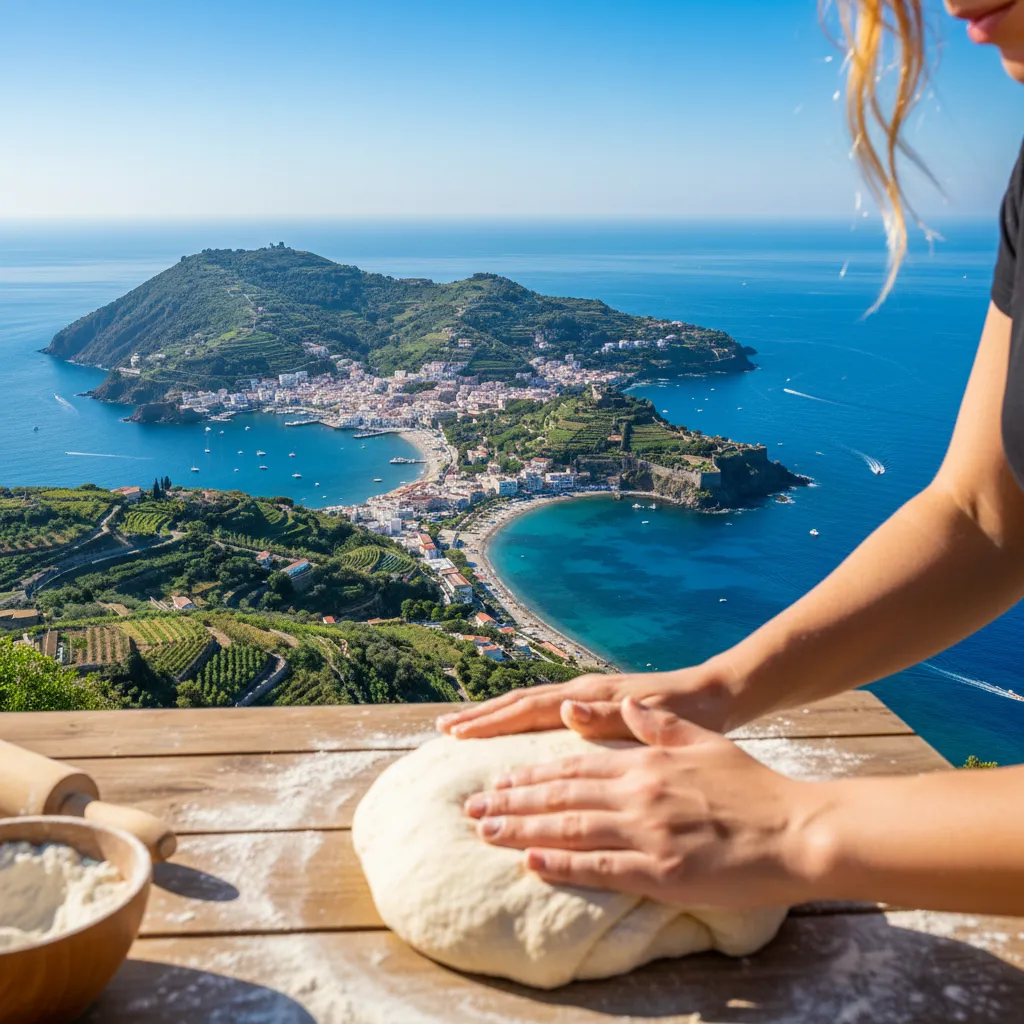
Head south from Tuscany down to the sun-soaked Bay of Naples and you’ll land on Ischia, a green, volcanic island famous for thermal springs and postcard views — and, less famously, for a legendary sourdough starter of its own. The island’s baking traditions, part of the wider Campania region’s food story, are inseparable from its land. Everything about the place — mineral-heavy volcanic soil, salty coastal air, the local plants — shaped a starter with real personality, feeding into what’s now called sourdough history Campania Ischia.
Ischia’s Character: Soft-Spoken but Strong
Think of Camaldoli as a bold Barolo and Ischia as a light, crisp Pinot Grigio. What sets Ischia apart is its soft, mild flavor with just a hint of sweet tang underneath. That makes it incredibly forgiving and easy for beginners to work with. It stays out of the way of delicate flavors, which is exactly why it’s the traditional pick for enriched doughs like panettone, airy ciabatta, and Neapolitan pizza dough.
Don’t let the mild flavor fool you into thinking it’s weak. Among the Ischia Island sourdough starter characteristics is a slow-building activation that ramps up into a strong, dependable rise. It’s steady, forgiving in the bowl, and turns out a tender crumb under a thin, crisp crust.
Camaldoli vs. Ischia: A Side-by-Side for Today’s Bakers
Picking between these two comes down almost entirely to what you want out of a loaf. Are you after something bold and rustic, or light and airy?
Flavor Face-Off: Tuscan Earth vs. Island Air
The Camaldoli Ischia sourdough flavor profile comparison is basically a study in opposites. Camaldoli brings a deep, earthy tang built to stand up against heartier flours. Ischia stays clean, mild, and almost creamy, letting the grain’s own flavor come through — which is why it shines with white flours and enriched doughs alike.
How They Behave Once Mixed In
So what happens once these two hit a mixing bowl? Their fermentation speed, rising power, and dough behavior split pretty sharply.
| Feature | Camaldoli Monastery Starter | Ischia Island Starter |
|---|---|---|
| Flavor Profile | Complex, robust, earthy, pronounced sour tang. | Mild, creamy, sweet, with a very subtle tang. |
| Aroma | Malty, earthy, and sharp. | Clean, yeasty, and slightly fruity. |
| Fermentation | Very vigorous and fast-acting. | Gradual start, building to a steady and reliable rise. |
| Leavening Power | Strong, creates a dramatic oven spring. | Powerful but gentle, creates a soft, open crumb. |
| Dough Handling | Can be more acidic, potentially affecting gluten structure. | Very forgiving and easy to work with. |
| Best For | Rustic whole-grain loaves, rye breads, hearty country bread. | Panettone, ciabatta, pizza, brioche, everyday sandwich bread. |
Reviving the Old Ways: Practicing Ancestral Italian Baking Craft Through Natural Fermentation
Working with a heritage starter means something beyond simply following a recipe card — it’s a way of honoring where that culture came from. To pull the most out of your Camaldoli or Ischia, lean into ancient Italian bread making techniques sourdough-style rather than shortcuts.
Respecting the Starter: Practical Tips for Doing This Right
- Give Fermentation Room to Stretch Out: If there’s one real trick to unlocking deep, layered flavor in sourdough, it’s simply not rushing it. Letting your dough go through a long, cold retard in the fridge — usually 8 to 24 hours, sometimes stretched to 48 for certain bakes — isn’t just a scheduling convenience; it’s doing real biological work. The cold slows down the metabolism of the wild yeasts and lactic acid bacteria living in your starter, giving them time to fully do their thing: breaking starches down into digestible sugars while producing a broader range of organic acids, alcohols, and aromatic compounds. What you end up with is a far richer flavor — sweetness, tang, umami, subtle yeasty notes all layered together — something a quick room-temperature rise can’t touch. Rush it, and you tend to get a flatter, more one-note sourness with a harsher, more vinegary edge.
- Pick Flours That Match the Starter’s Roots: Getting the full benefit of these historic cultures means pairing them with flours that echo their origins — think of the flour as a partner in flavor, not just filler. Ischia, for example, earned its reputation baking delicate pastries and classic Neapolitan pizza, so a finely milled Italian ’00’ flour is the natural match. That low-ash, low-protein flour (chosen for gluten quality, not sheer quantity) gives you a highly extensible dough that bakes up soft, airy, and delicately crusted. Camaldoli, on the other hand, carries an earthy, rustic character suited to European country breads — so reach for stone-ground whole wheat, farro, or rye instead. These heritage grains keep more of their bran and germ intact, which means more nutrition, a darker color, and bolder flavor running from nutty to faintly spicy — though you’ll need extra hydration and should expect a denser, chewier result.
- Keep the Starter Stiff: Plenty of traditional Italian bakers — especially anyone making heavily enriched doughs like panettone or pandoro — keep their lievito madre (mother yeast) at a notably low hydration, generally around 50% (50 grams water for every 100 grams flour). That stiffness isn’t arbitrary; it directly shapes the microbial balance inside the starter. With less available water, wild yeasts get the upper hand over certain lactic acid bacteria that prefer wetter environments and tend to produce sharper, more acetic tang. What you get instead is a milder, more aromatic lactic sourness with less bite. On top of that, the stiffer environment concentrates the yeast population, which means stronger, more sustained leavening — exactly what’s needed to lift heavy, high-fat, high-sugar doughs that ask a lot of the gluten network.
Keeping the Past Alive: Protecting Italian Heritage Sourdough Cultures
In an era dominated by industrial food, simply keeping a sourdough starter alive is a quiet act of defiance. Home bakers and small-scale artisans now carry the weight of Italian heritage sourdough culture preservation on their shoulders. Every time we bake with — and especially when we share — these starters, we become caretakers of something genuinely alive.
Resources: Getting your hands on one of these living cultures, often marketed as heirloom or heritage starters, is step one for anyone serious about this. Start with reputable online sellers who specialize in authentic sourdough cultures — many trace their lineage back decades or centuries and come tied to specific regions known for particular bread traditions. Look for sellers who are upfront about origin, who spell out the culture’s characteristics (hydration, preferred flour, flavor notes), and who’ve built solid reputations within the baking community. Beyond buying one outright, the online baking world offers plenty of other paths in. Dedicated forums (Reddit threads, specialized baking sites) and local exchange groups (often organized through social media or food co-ops) regularly connect bakers directly, letting you pick up a living starter from someone who’s actually raised it — usually along with firsthand tips on care and backstory.
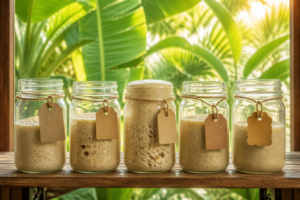
Once that tiny ecosystem is settled into your kitchen, upkeep is straightforward — though it does demand consistency. Regular feeding keeps it strong and active: you discard part of the old starter and refresh it with good flour and water free of chlorine. How often depends on where you keep it — room temperature usually calls for daily feeding, while a fridge-stored culture can get by on a weekly schedule. Your flour choice matters too, shaping both activity and flavor; unbleached all-purpose, bread flour, or nutrient-dense whole grains like rye all give the yeast and bacteria plenty to work with. And always reach for filtered or unchlorinated water — chlorine can knock out the very microbes responsible for your starter’s rise and flavor. Stick with that rhythm, and your “piece of history” stays lively, active, and audibly bubbly — proof of a genuine partnership between wild yeast strains and lactic acid bacteria — ready to keep feeding your baking for years, maybe even generations.
Conclusion: Bring a Piece of Italian History Into Your Own Kitchen
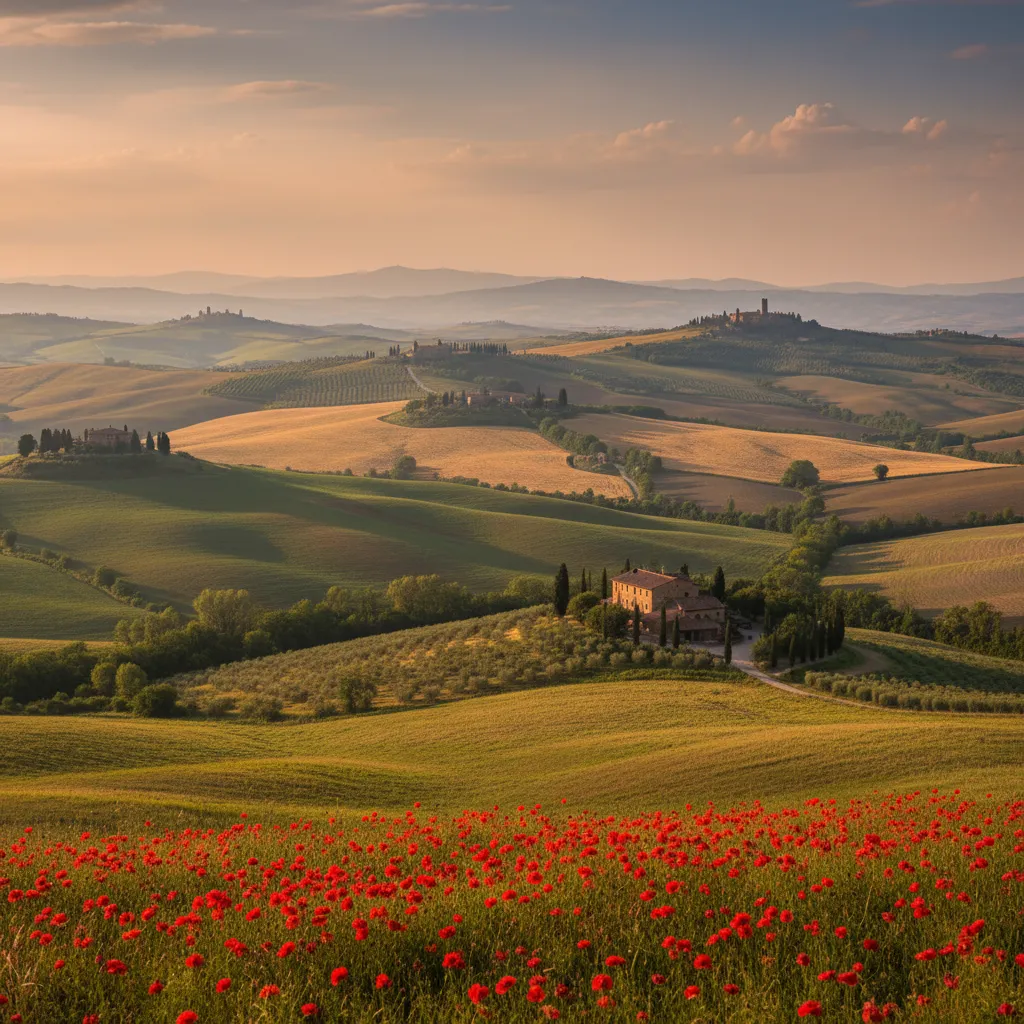
From a hushed Tuscan monastery to sun-drenched volcanic shores, Camaldoli and Ischia both offer a direct line back to Italy’s culinary past. Camaldoli speaks in rustic resilience and deep, earthy flavor; Ischia answers with gentle sea breezes, mild sweetness, and remarkable range.
Working with either starter goes well beyond hobby baking — it’s a form of cultural preservation. It’s a way of touching centuries of tradition, one loaf loaded with history at a time.
The Glass Jar That Finally Let Me Watch My Lievito Madre in Action
Trying to learn the rhythm of an ancient Italian starter — when it climbs, when it peaks, what activity actually looks like at each stage — is nearly impossible through an opaque ceramic crock. I needed eyes on my mother dough at all times to understand its habits, not just cross my fingers based on the clock.
What works
- You can watch the rise, the fall, and the bubble pattern happen without prying the lid off every five minutes — meaning fewer temperature swings and fewer botched feedings.
- Marked measurement lines on the jar let you track real volume changes, so you’re not left guessing whether the starter has peaked or is still lagging.
- Glass keeps temperature steadier than you’d expect and, unlike plastic, doesn’t hang on to smells or stains — so your culture stays fresh-smelling across many feedings.
What doesn’t
- It’s bulkier and more breakable than you’d like when you’re scrubbing dried starter off the inside walls — I’ve nearly dropped it more than once.
- The lid isn’t airtight, so you’ll still want a cloth or loose plastic wrap over it if dust or drying-out is a concern.
I nearly went back to ceramic after the first month because the glass felt too breakable for everyday kitchen use — but then I noticed how much faster I was picking up on what my starter actually needed.
Frequently Asked Questions
What’s the difference between Camaldoli and Ischia sourdough starters?
Camaldoli is a vigorous, earthy starter from a Tuscan monastery established around 1012 A.D., delivering complex, robust flavor suited to whole grains and rye. Ischia, born from volcanic soil on an island in the Gulf of Naples, offers mild, creamy character with subtle tang, ideal for delicate pastries and pizza dough.
How should I feed an Italian heritage sourdough starter?
Regular feeding keeps the culture strong: discard part of the old starter and refresh it with good flour and filtered or unchlorinated water. Room temperature starters need daily feeding, while refrigerated cultures can manage weekly feeding. Flour choice shapes activity and flavor; unbleached all-purpose, bread flour, or rye all work well.
Why should I use a cold retard when baking with heritage starters?
A cold retard in the fridge for 8 to 24 hours, sometimes stretched to 48 hours, slows yeast and bacteria metabolism, allowing them to break starches into sugars and produce a broader range of organic acids, alcohols, and aromatic compounds. This creates far richer, more layered flavor than a quick room-temperature rise.
What hydration should I keep my Italian lievito madre at?
Traditional Italian bakers keep lievito madre at notably low hydration, generally around 50 percent. This stiffness favors wild yeasts over certain bacteria that prefer wetter environments, yielding milder, more aromatic sourness with less bite and stronger leavening for enriched doughs.
About This Article

Written by Sam Whitaker. Sam Whitaker has been baking sourdough for over a decade, including three years baking commercially, and now works out of a home kitchen in the Pacific Northwest. Sam's eleven-year-old starter, Harold, is the foundation for every recipe and troubleshooting guide on Sourdough Rising — real bread tested over and over until it works. More about this site.
Scope and limits. Sam is a home baker with no formal culinary training. Follow current food safety guidance for storage and handling, particularly with enriched or filled doughs.
Verify this against a primary source
Specifics change, and your situation may differ from the one described here. These are the authorities worth checking directly:
- USDA FoodData Central — flour and ingredient composition data
- FoodSafety.gov — safe handling and storage