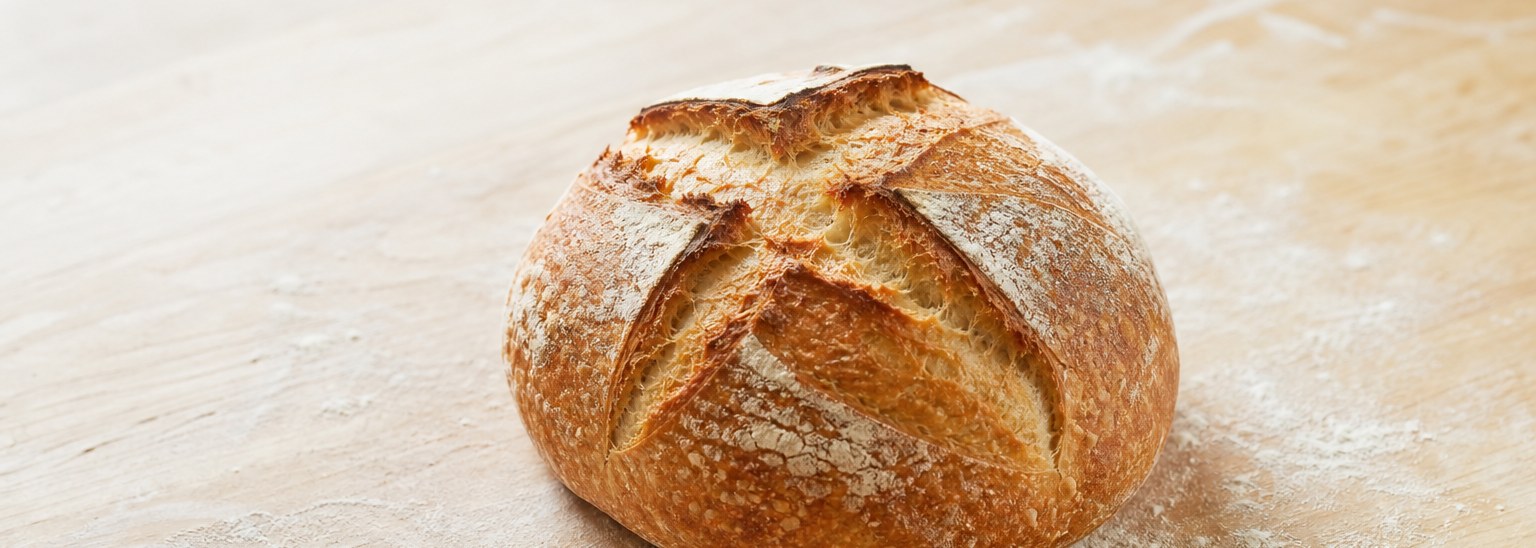
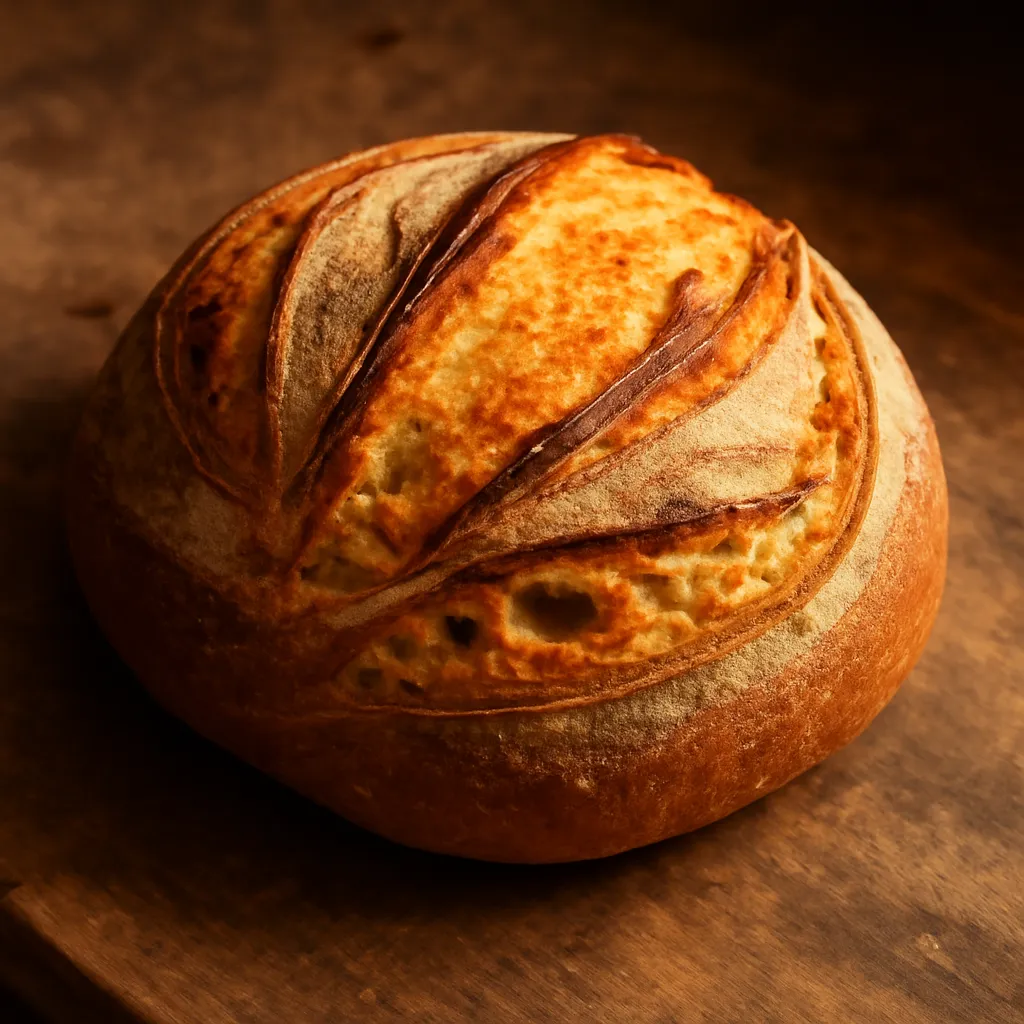
Eight hours. Sometimes twenty-four. That’s the fermentation window a properly made French sourdough loaf sits through before it ever sees an oven—a stretch of time that would strike most modern shoppers as absurd for something as ordinary as bread. Yet that patience is exactly why the crust shatters the way it does, why the crumb opens up soft and irregular, and why the smell carries that unmistakable sour edge. This loaf people treat as a symbol of French cuisine didn’t start in a polished Parisian shopfront. It started in the rough settlements of Roman Gaul, more than two thousand years back.
The French word for all of this is pain au levain. That word ‘levain’ isn’t just a label for sour bread—it’s shorthand for patience, for tradition, for the notion of terroir that runs through French cooking. It’s a living thread back to an older way of doing things, one that refuses to be hurried along the way so much of modern life demands.
What follows is the path that thread takes—from Roman legions hauling the practice into ancient Gaul, through monks quietly keeping it alive behind monastery walls, into a Renaissance-era refinement, and finally into the artisan bakeries of present-day France where it’s treated with something close to reverence.
The Ancient Loaf: How Sourdough First Reached Roman Gaul
Before Rome: Greek Traders and Gaulish Beer Bread
Before there was ever a “France,” the region called Gaul belonged to Celtic tribes, and their bread rose thanks to cervoise—their homebrewed beer. Down in the Mediterranean, though, a different method was already taking hold. Somewhere around 600 BCE, Greek traders set up a trading post at Massalia, what we now call Marseille, and with it came an early taste of leavened bread culture.
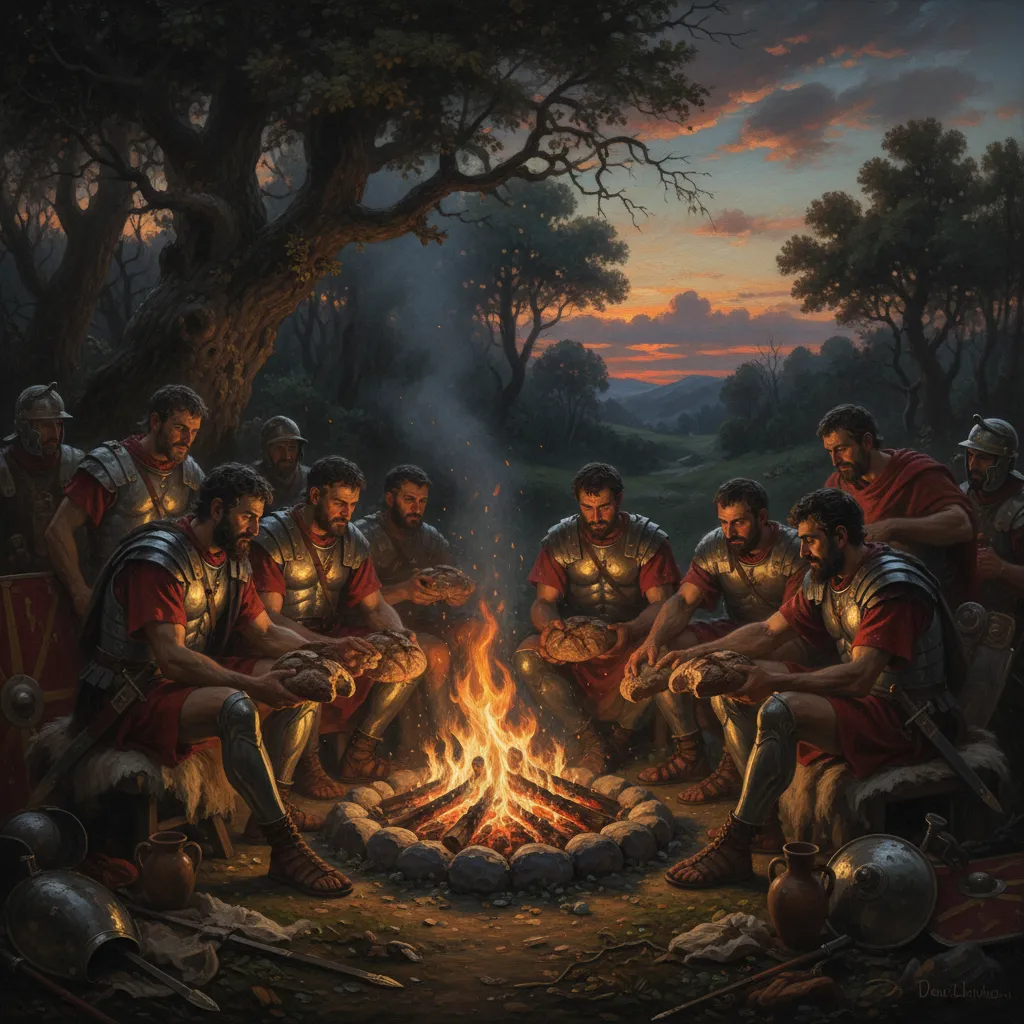
The real turning point, though, came with the Roman conquest starting in the 2nd century BCE. Romans looked down on beer-leavened bread, calling it heavy and inferior, and they brought their own preferred technique instead: fermenting dough naturally with a levain, a sourdough starter in modern terms. For legionaries and settlers alike, this was simply the practical choice. All it demanded was flour and water, left to catch whatever wild yeast happened to be floating in the grain and the air, and out came a loaf that was sturdy, full of flavor, and slow to spoil—ideal for feeding an army and establishing a fresh province. From that point forward, sourdough had a permanent foothold.
Why Gallo-Roman Baking Worked So Well
What Gallo-Roman bakers were doing, without any of the vocabulary we use today, was pure natural chemistry. Flour and water, given time alone, turn into a busy little ecosystem of their own. Wild yeast already living on the grain and drifting through the Gallic air feeds on sugar in the flour, releasing carbon dioxide that pushes the dough upward. At the same time, Lactobacillus bacteria generate lactic and acetic acid—responsible both for that distinctive tang and for a kind of built-in preservative that keeps mold at bay. That straightforward mechanism became the backbone of sourdough evolution in ancient France. The story of Roman Gaul sourdough bread history is really the story of nature and necessity lining up perfectly, producing a staple food that would go on to shape a culture for generations.
Holding Steady: How Sourdough Carried Medieval France Through Famine, War, and Disease
Keeping the Tradition Alive Inside Monastery Walls
Once the Western Roman Empire collapsed, chaos followed across much of Europe, and countless Roman practices simply disappeared. Baking with levain, though, found a refuge behind monastery stone. Monastic orders, functioning as centers of both learning and self-reliance, took on the job of keeping baking knowledge alive. Monks tended their starters with real discipline, holding onto techniques for wholesome bread that fed not just their own community but travelers who showed up needing help.
Why Pain au Levain Made So Much Practical Sense
Back then, keeping food from spoiling wasn’t a matter of convenience—it could mean survival. Sourdough’s natural acidity gave it a real edge here. A loaf of pain au levain could stay edible for a week or longer, which made it essential fare across every rung of society, from the poorest peasant to the wealthiest lord.
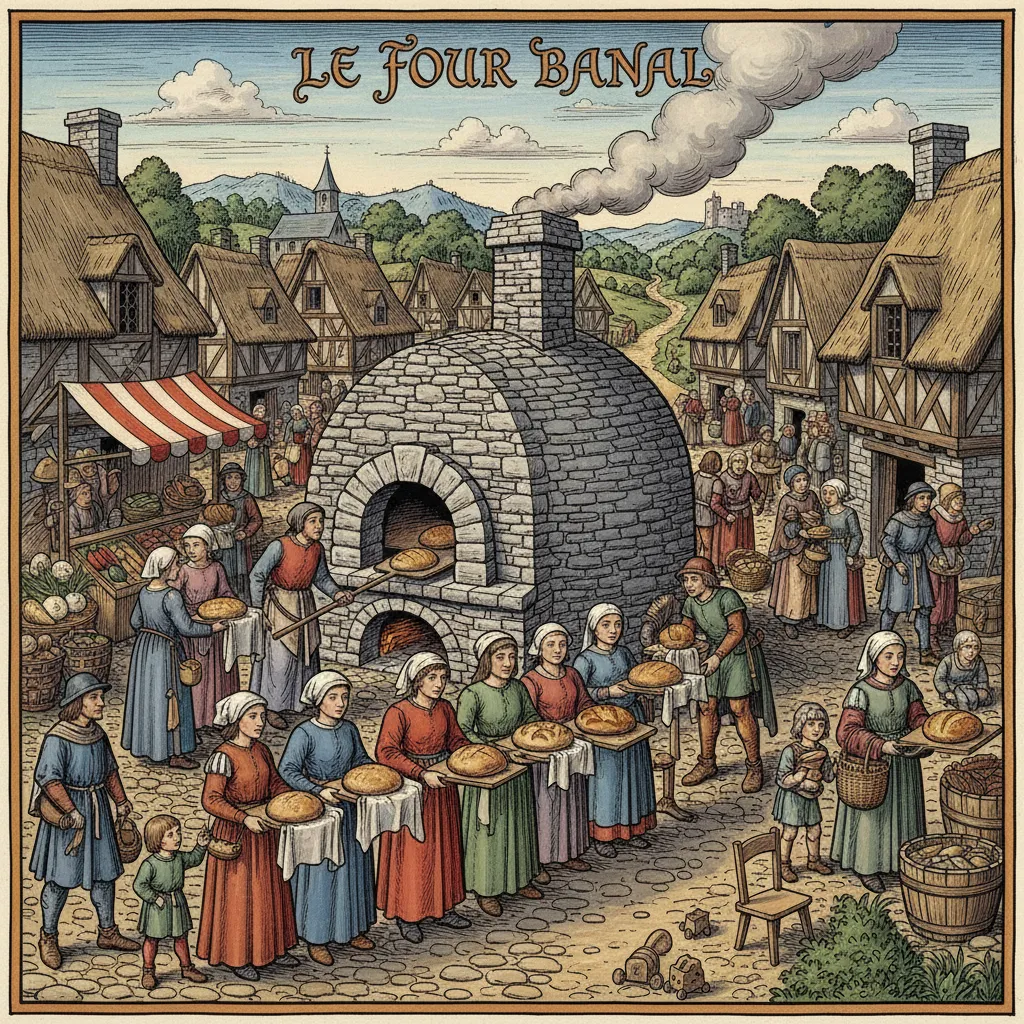
Much of village life centered around the four banal, the shared communal oven. Households mixed their dough at home, then carried it over to be baked at this central oven—owned by the local lord—for a small fee. That shared ritual cemented bread’s place at the core of community life. The medieval French sourdough bread origins trace directly back to this blend of practicality and togetherness: a food that lasted, that nourished, and that pulled people into one another’s orbit.
Refinement Arrives: French Baking After the 1500s
Levain Meets Levure: A Rivalry Takes Root
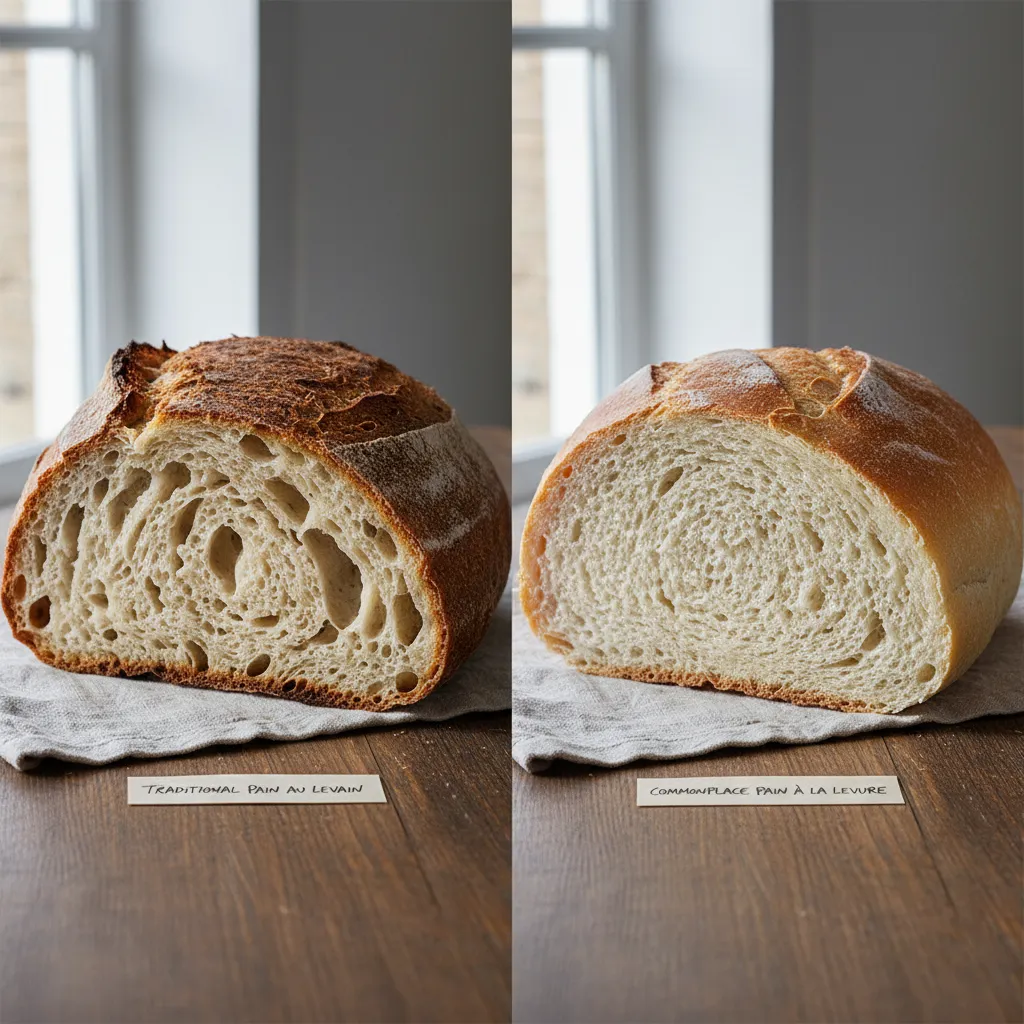
As the Renaissance took hold in France, a fresh leavening option made its way in from Flanders and Holland: brewer’s yeast, known locally as levure. Being a byproduct of beer brewing, this yeast worked far quicker than a traditional starter and turned out bread that was lighter, whiter, and noticeably more delicate. Among the aristocracy, this new style became something of a status symbol, prized for its novelty as much as its refinement.
Bakers, naturally, split into camps. Traditional bakers stood firmly behind pain au levain, pointing to its richer flavor, sturdier texture, and superior keeping qualities. To them, yeasted bread seemed flimsy and bland by comparison. For hundreds of years afterward, sourdough held its place as the everyday standard of quality bread, while brewer’s yeast was regarded with a fair amount of suspicion.
| Characteristic | Pain au Levain (Sourdough) | Pain à la Levure (Yeast Bread) |
|---|---|---|
| Leavening Agent | Wild yeasts and bacteria (starter) | Cultivated Saccharomyces cerevisiae |
| Rise Time | Slow (8-24+ hours) | Fast (1-3 hours) |
| Flavor Profile | Complex, tangy, deep | Mild, simple, slightly sweet |
| Shelf Life | Long (several days to a week) | Short (1-2 days) |
| Social Perception | The traditional, authentic standard | A luxurious, delicate novelty |
Baking Becomes a Regulated Profession
This same period marked the moment baking turned into a formally recognized trade. Guilds—the corporations de boulangers—sprang up, especially throughout Paris. These groups held real power: they set quality benchmarks, controlled bread pricing, and oversaw how apprentices were trained. That structure helped push the craft forward, making sure Renaissance era French sourdough techniques were refined, protected, and handed down with real precision.
Paris Takes the Lead: 19th-Century Boulangeries and Their Innovations
How the Modern Boulangerie Came Into Being
By the 1800s, Paris had firmly established itself as the culinary capital of the world, and bread was no exception to that reputation. The city’s boulangeries turned into laboratories of sorts, and it’s here that the idea of sourdough terroir really came into its own. Bakers realized that no two starters were identical—each one soaked up the specific microbial fingerprint of its own shop. A starter cultivated in the Marais would produce a loaf noticeably different from one raised in Montmartre, and each bakery guarded its particular flavor like a trade secret.
New Machines, New Flavors
The Industrial Revolution handed bakers tools they’d never had before. Steam-injected ovens, introduced in the 1840s, changed everything. That burst of steam during baking boosted oven spring dramatically and, just as importantly, produced the thin, shattering crust (croûte) and the tender, airy interior (mie) we now think of as signatures of French bread. Paired with the newly available refined white flours, these advances essentially defined what a modern French loaf looks and tastes like.
But progress came with a cost. The ability to isolate and cultivate commercial yeast gave bakers speed and consistency they’d never had before, and it quietly began the shift away from the slower, more demanding—though far more flavorful—levain. That shift marks a pivotal chapter in Parisian boulangerie sourdough historical development, as traditional French sourdough baking methods started competing directly against industrial speed and efficiency.
Falling Off and Bouncing Back: Sourdough Across the 20th and 21st Centuries
When Industry Nearly Won
The years right after World War II brought industrialization at full speed. Everyone wanted bread faster, cheaper, and in bigger volume. That mindset seeped into bakeries everywhere, and traditional pain au levain took a real hit. Long, unhurried fermentation got swapped out for quick commercial yeasts and chemical shortcuts. The baguette—once a genuine mark of skilled craft—too often turned into a pale, bland loaf that would be stale within hours of leaving the shop. There was a real stretch of time when it looked like authentic French sourdough might simply fade away.
The Comeback of the Artisan Baker
Thankfully, pushback started building in the later decades of the 20th century. A new wave of bakers, backed by an equally passionate group of food lovers, turned away from mass-produced bread and set out to bring back the old ways of their predecessors. This sourdough revival in French bakeries became a loud, deliberate stand for flavor, quality, and heritage over shortcuts.
The artisan movement gained enough momentum that lawmakers eventually stepped in. In 1993, France enacted the “Décret Pain,” or Bread Decree. This law gave legal definition and protection to pain de tradition française—traditional French bread. To qualify, a loaf has to be baked at the same location it’s sold, using nothing but wheat flour, water, salt, and yeast (either commercial baker’s yeast or a sourdough starter). Additives are banned outright, and so is freezing the dough. It was a genuine win for quality, and a crucial safeguard ensuring the path from Roman era to modern French sourdough wouldn’t simply dead-end.
Beyond the Loaf: What Sourdough Means Culturally in France
Terroir: A Loaf Rooted in Its Location
The idea of terroir—that a food carries the imprint of the exact place it’s made—gets talked about most often in relation to wine or cheese in France. But it’s just as true of sourdough. A levain is essentially a living colony of microorganisms shaped entirely by its surroundings. The wild yeast floating through Parisian air isn’t the same as what you’d find out in the Provençal countryside. Even the flour itself, milled from local wheat, carries its own microbial fingerprint. Put it together, and every genuine pain au levain becomes a real taste of the ground it grew from.
Starters Passed Down Like Heirlooms
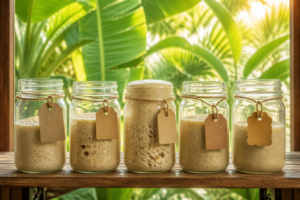
Ask a French baker what they’d save first in a fire, and plenty would say their starter—the levain-chef, or mother culture. It’s a physical link to the past, fed and cared for every day, and in some bakeries it’s been passed hand to hand across generations. That jar of bubbling dough is a quiet witness to history, carrying the skill of every baker who’s ever tended it and the character of the bakery itself.
In the end, sourdough’s place in France goes far beyond its short ingredient list. It stands for community, for pushing back against industrial sameness, and for taking pride in doing food well. The historical significance of sourdough in French cuisine connects directly to how the French see themselves: a deep loyalty to tradition, a real appreciation for simple ingredients done right, and a conviction that anything worth making is worth taking time over.
Wrapping Up: Why French Sourdough Refuses to Disappear
From feeding Roman soldiers stationed in Gaul to becoming a legally shielded artisanal treasure in present-day France, pain au levain‘s journey mirrors French history in miniature. It weathered upheaval, bent to accommodate new technology, and pushed back hard against industrialization—coming out the other side as a genuinely cherished piece of the nation’s food identity.
What this loaf represents, at its core, is staying power paired with honesty. It’s proof that some things simply can’t be rushed without losing what makes them worthwhile. French sourdough’s lasting appeal isn’t just about how it tastes or how it feels in your hands—it’s the plain, honest ingredients and the layered, centuries-deep history baked right into every loaf.
The Starter That Actually Sticks Around (And Carries That Historic Tang)
If you’ve watched a starter die on you—maybe more than once—while trying to chase down that real French levain sourness, you already know how frustrating this can get. Coaxing a wild fermentation into the right microbial balance, particularly from a dead start, is where the majority of home bakers stall out.
What actually works
- Instead of weeks spent guessing whether a wild capture is even alive, this gets you a stable, active culture within days—I noticed a clear, dependable rise by the third day.
- The tang shows up clearly without tasting watery or flat, which tells me the microbial balance was solid right out of the gate.
- It hands you a working benchmark—once you know what a properly established culture looks and behaves like, you can diagnose problems in later bakes instead of shooting in the dark.
Where it falls short
- It won’t teach you maintenance on its own—you still have to feed it consistently and understand hydration, or it’ll fade just like any neglected starter would.
- There’s a cost involved that capturing your own wild starter simply doesn’t have, and some bakers push back against that on principle—though personally, I’d trade that expense for months of dead-end loaves any day.
I’ll be honest—the first time I bought a culture instead of trying to catch my own from thin air, it felt a little like cheating me out of the “real” experience. But once I watched it triple inside the jar within a week, I finally had something solid to build on, and I could actually dig into French sourdough technique instead of stalling out in frustration.
Frequently Asked Questions
How long does French sourdough fermentation actually take?
French sourdough ferments for eight hours to sometimes twenty-four hours before baking. That extended fermentation window is exactly why the crust shatters properly, the crumb opens up soft and irregular, and the loaf develops that unmistakable sour edge characteristic of pain au levain.
What made sourdough ideal for Roman soldiers in Gaul?
Sourdough required only flour and water, catching wild yeast from grain and air naturally. It produced sturdy, flavorful loaves that stayed fresh longer than alternatives, making it ideal for feeding armies and establishing new provinces without complex supply chains.
Why did medieval monks keep sourdough starters alive?
Monks tended starters with real discipline inside monastery walls, keeping baking knowledge alive after the Western Roman Empire collapsed. They maintained techniques for wholesome bread that fed their own communities and traveling strangers needing help during chaotic medieval times.
What did the 1993 French Bread Decree actually require?
The Décret Pain defined pain de tradition française as bread baked where it’s sold, using only wheat flour, water, salt, and yeast. Additives were banned outright, and dough freezing was prohibited, legally protecting traditional French sourdough methods.
About This Article

Written by Sam Whitaker. Sam Whitaker has been baking sourdough for over a decade, including three years baking commercially, and now works out of a home kitchen in the Pacific Northwest. Sam's eleven-year-old starter, Harold, is the foundation for every recipe and troubleshooting guide on Sourdough Rising — real bread tested over and over until it works. More about this site.
Scope and limits. Sam is a home baker with no formal culinary training. Follow current food safety guidance for storage and handling, particularly with enriched or filled doughs.
Verify this against a primary source
Specifics change, and your situation may differ from the one described here. These are the authorities worth checking directly:
- USDA FoodData Central — flour and ingredient composition data
- FoodSafety.gov — safe handling and storage