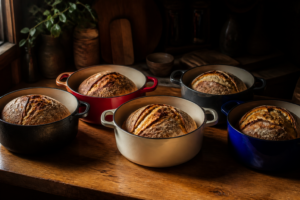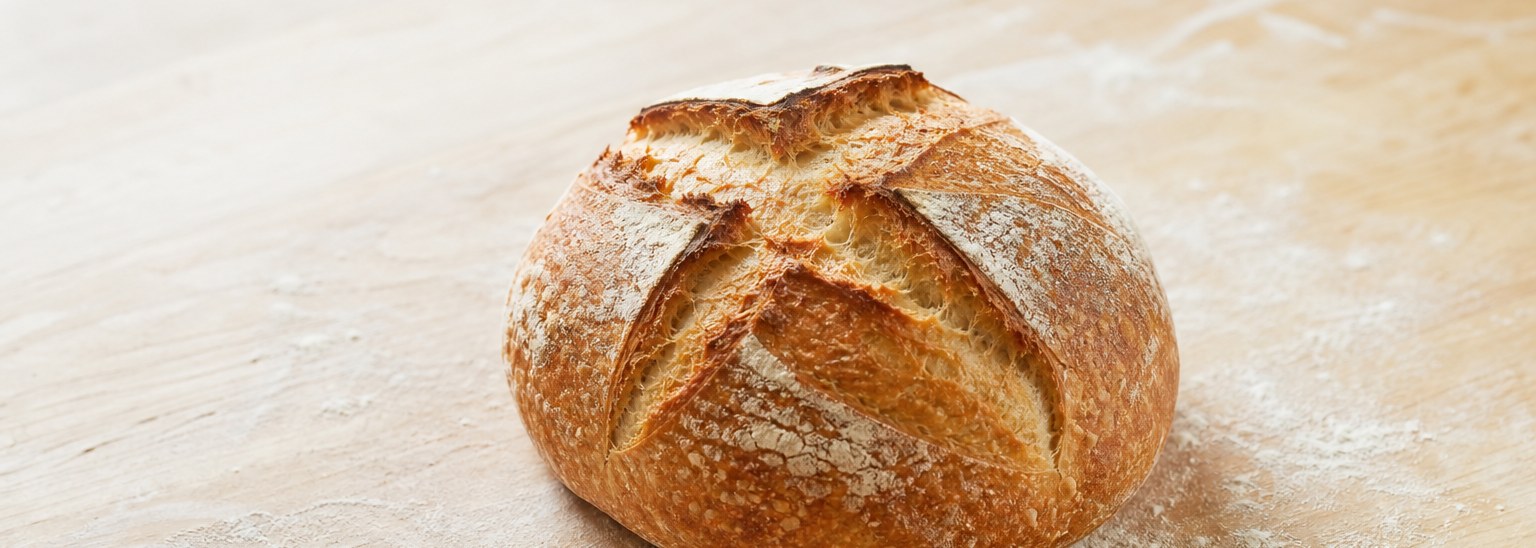
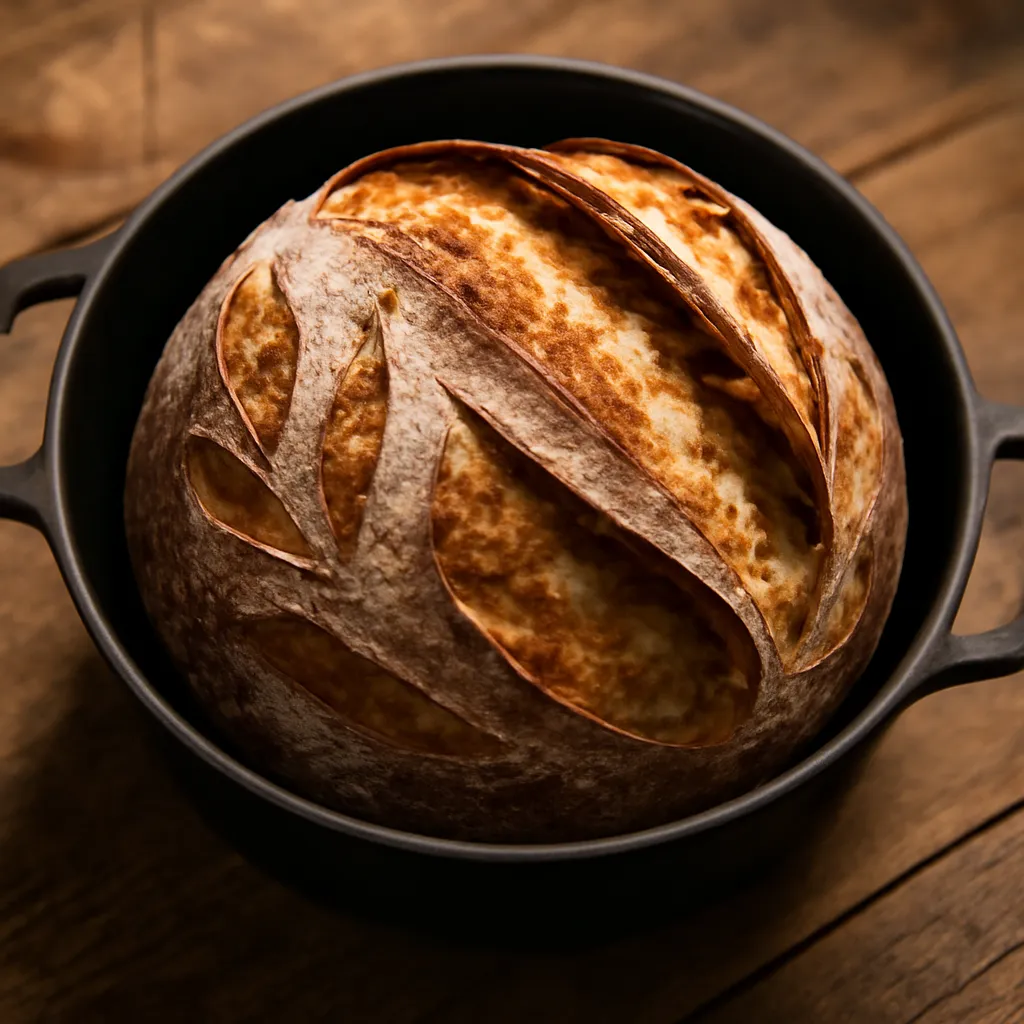
Pull up any photo of a loaf with a deep, glassy, spiderwebbed crust — the kind that crackles audibly when you press on it — and nine times out of ten there’s a Dutch oven behind that shot. That blistered shell versus the pale, leathery crust you get from a plain sheet pan is basically proof of what steam does during those first crucial 20 minutes of baking. I’ve cycled through a stack of these pots in different sizes and finishes over the years, and here’s what genuinely matters when you’re picking one for your own kitchen.
| Pot Type | Material | Steam Retention | Ease of Use |
|---|---|---|---|
| Dutch Oven | Enameled cast iron | Excellent | Forgiving on sizing |
| Combo Cooker | Bare cast iron | Slightly less than Dutch oven | Easier loading and scoring |
| Bread Cloche | Ceramic | Close to cast iron | More breakable and pricier |
Sizing It to the Dough You Actually Bake, Not the Burner It Sits On
The typical home sourdough formula gives you a dough ball somewhere between 800g and 1kg, and a 5–5.5 quart pot lands right in that sweet spot — there’s just enough breathing room for the loaf to spring upward without so much dead air space that all your trapped steam leaks out before it’s done its job. If you routinely shape bigger boules, or you want to fit two smaller loaves in at once, step up to a 6–7 quart size. Go below 4.5 quarts, though, and you’ll jam a standard loaf against the lid, killing the spring you’re trying to get.
Enameled Cast Iron Compared to Bare Cast Iron
Enameled cast iron is the right default for nearly everyone starting out. There’s no seasoning to maintain, a plain soap-and-water wash gets it clean, and the coating keeps it from reacting with sourdough’s natural acidity. The tradeoff is that the enamel is picky about shock — skip metal tools, and avoid dropping a cold pot straight into a fully preheated oven. Instead, let it heat up alongside the oven rather than sliding it in partway through.
Bare cast iron, on the other hand, costs less and shrugs off sudden temperature swings better, but you’ll need to keep up with seasoning, and thin seasoning can leave a faint metallic edge on tangy doughs. Combo cookers — a shallow pan paired with a deep lid, or the reverse setup — are almost always made from bare cast iron, and bakers love them mainly because the shallow piece makes sliding your dough in and scoring it far less awkward than fishing around inside a deep pot.
Deciding Between a Dutch Oven, a Combo Cooker, and a Bread Cloche
A regular Dutch oven is the low-risk choice — it’s forgiving on sizing and you can find one almost anywhere. A combo cooker sacrifices a little steam-holding power in exchange for a much simpler loading-and-scoring process, which you’ll appreciate the first time you nearly scrape your knuckles lowering dough into a deep pot. A ceramic bread cloche delivers steam performance close to cast iron while weighing noticeably less, though it’s more breakable and generally pricier per liter of capacity.
What You Get at Each Price Point
- Entry-level ($30–50): A basic enameled or bare cast iron pot around 5 quarts. This tier bakes excellent bread already — extra spending later mostly buys finish quality and better lid engineering, not better crust.
- Middle tier ($60–120): Sturdier enamel that holds up longer, a lid that seals tighter for better steam retention, and frequently a self-basting design with raised nubs on the underside that send condensation dripping back onto the loaf.
- High-end ($200+): Names like Le Creuset and Staub fall here, offering enamel built to outlast you and decent resale value, though they don’t actually bake noticeably better bread than a solid mid-range pot.
Keeping It in Good Shape
Warm the pot up together with the oven instead of dropping a cold one into an already-hot oven, stick to silicone or wooden tools on enameled surfaces, and give it time to cool before washing so the enamel doesn’t crack from a sudden temperature change. For bare cast iron, wipe on a thin coat of oil after every wash to keep the seasoning from breaking down.
So Which Pot Is Actually Worth Buying?
I’ve put specific models through side-by-side testing elsewhere on the site, separate from this general guide. Check out my comparison of 5 Dutch ovens and which one won, my Challenger Bread Pan vs. Dutch Oven test if you’re weighing a dedicated bread pan against a classic pot, or the combo cooker breakdowns: the Lodge 5-Quart Double Dutch Oven after 6 months, the Emile Henry bread cloche against a Dutch oven, and a Lodge combo cooker vs. a regular Dutch oven over 30 days.
Nail down the right size and finish for your actual baking habits, and this one pot will keep earning its spot in your kitchen long after other gear you bought has been shoved to the back of a cabinet.
Frequently Asked Questions
What size Dutch oven do I need for sourdough?
A 5–5.5 quart pot fits the typical home sourdough formula of 800g to 1kg dough perfectly, giving enough room for spring without wasting steam. If you bake bigger boules or two smaller loaves at once, go 6–7 quarts. Anything under 4.5 quarts will jam a standard loaf against the lid and kill your spring.
Should I buy enameled or bare cast iron?
Enameled cast iron is the right default for most home bakers—no seasoning needed, easy cleanup, and it won’t react with sourdough’s acidity. Bare cast iron costs less and handles temperature swings better, but requires regular seasoning maintenance and can leave a metallic taste on tangy doughs.
Why does a Dutch oven make better sourdough crust?
Steam trapped during the first 20 minutes of baking creates that deep, glassy, spiderwebbed crust with audible crackle. A plain sheet pan produces a pale, leathery crust instead because it doesn’t trap steam the way a Dutch oven does.
Can I put a cold Dutch oven straight into a hot oven?
No—avoid dropping a cold enameled pot into a fully preheated oven, as the shock can crack the enamel. Instead, let it heat up alongside the oven. Bare cast iron handles sudden temperature changes better, but warming it gradually is still gentler overall.
About This Article

Written by Sam Whitaker. Sam Whitaker has been baking sourdough for over a decade, including three years baking commercially, and now works out of a home kitchen in the Pacific Northwest. Sam's eleven-year-old starter, Harold, is the foundation for every recipe and troubleshooting guide on Sourdough Rising — real bread tested over and over until it works. More about this site.
Scope and limits. Sam is a home baker with no formal culinary training. Follow current food safety guidance for storage and handling, particularly with enriched or filled doughs.
Verify this against a primary source
Specifics change, and your situation may differ from the one described here. These are the authorities worth checking directly:
- USDA FoodData Central — flour and ingredient composition data
- FoodSafety.gov — safe handling and storage