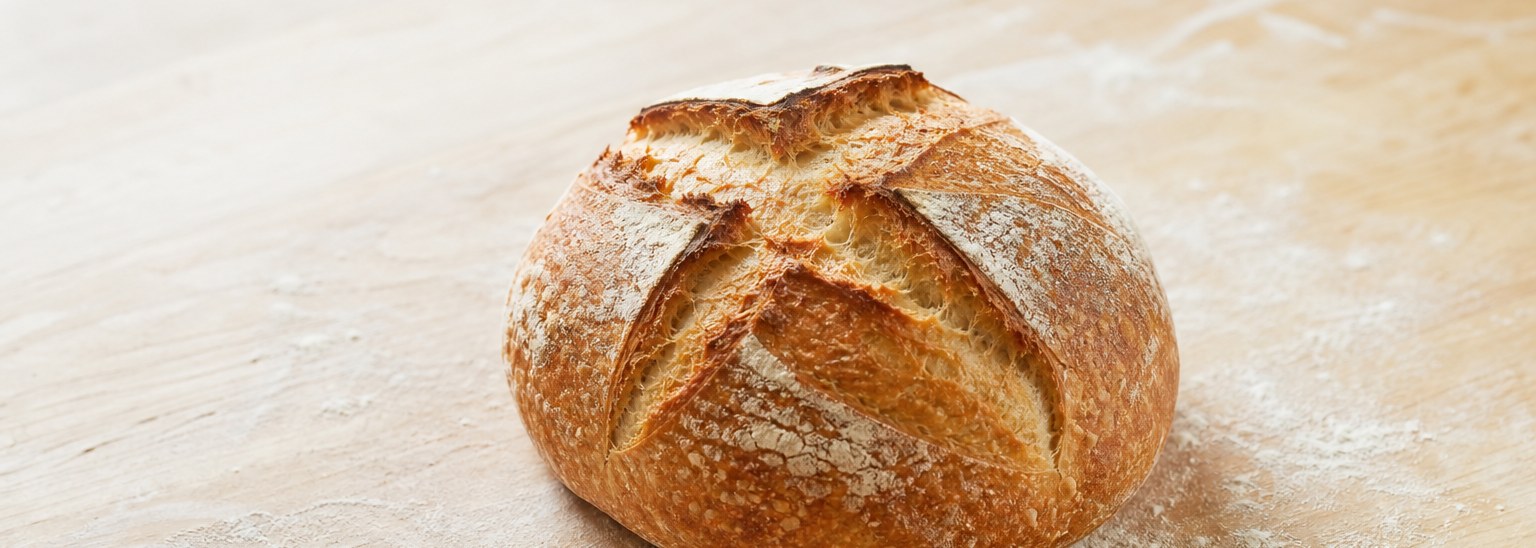
Ever pulled a gorgeous, fully-risen sourdough round out of bulk fermentation only to find it flat-out refuses to fit inside your banneton? That exact nightmare hit me at 11 PM on a Friday night, standing in my kitchen wondering how I’d let this happen.
And “refuses” is putting it mildly. This was a physical impossibility. The dough had ballooned up over the edge of my so-called “professional-grade” basket like a mini volcano erupting, with a good two inches of gorgeous dough perched on the rim like it was laughing at me. Three days of building flavor, dialing in technique, and coddling that dough through cold fermentation—and now this expensive basket I’d bought after falling for a stack of glowing Amazon reviews was about to torch the whole thing.
That humiliating night taught me more about proofing baskets for sourdough than every article I’d ever skimmed combined. Across 11 years of baking at home, plus a solid few years cranking out big weekend batches for neighbors and friends, I’ve cycled through nearly every banneton setup imaginable. Some were genuine keepers. Others turned into glorified shelf decorations. And one in particular—that’s the story I’m telling here.
| Proofing Setup | Dough Support | Drying Time | Real-World Issue |
|---|---|---|---|
| Kitchen towel in colander | Dough slides around; basically nonexistent | Not discussed | No shaping support |
| Budget banneton (single) | Reliable shape support | Not specified | None noted over 2 years |
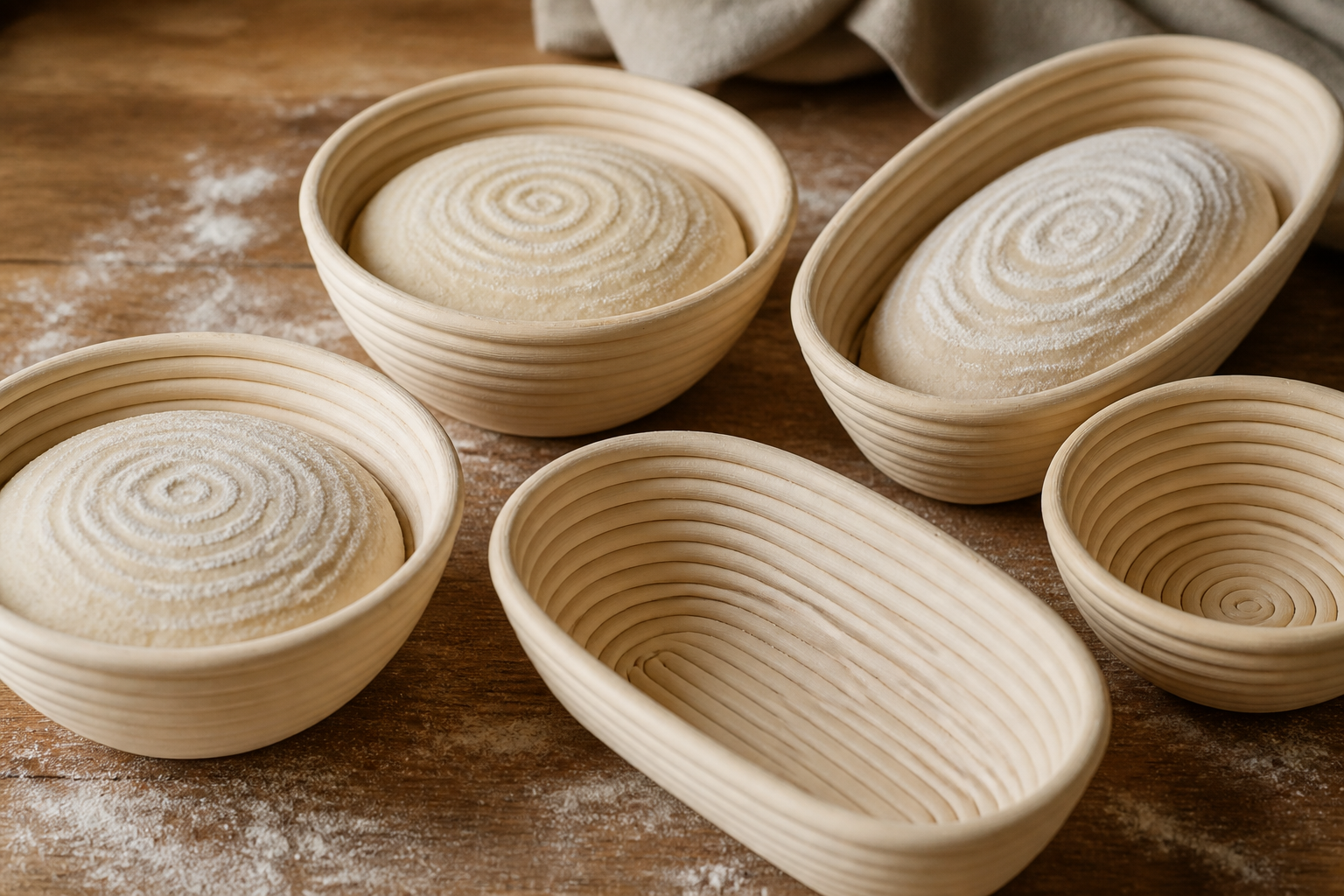
| Two-basket set (Sourdough Bread Baking Supplies 2 Pack) | Firm walls, no sagging or warping | Runs longer; budget extra time | Rope seams can snag wet dough |
Why Your Proofing Basket Choice Actually Makes a Difference
Before I dive into my banneton horror story, here’s the bottom line: a proofing basket isn’t some optional extra. It’s genuinely central to a successful sourdough loaf. A solid banneton holds your dough’s shape through cold fermentation, stops it from spreading out into a flat pancake, and leaves those signature flour-dusted rings across the finished crust.
Here’s the catch, though—proofing baskets for sourdough aren’t all built the same. The size matters. So does the depth. Liner quality matters too. And it turns out actually reading the real dimensions before hitting “buy” matters more than I ever gave it credit for.
Here’s the hard-earned lesson: that basket I’d ordered was labeled “10-inch,” but that measurement was taken across the widest point of the rim—not the actual usable proofing space inside. By the time my dough hit full bulk fermentation (after expanding through autolyse, lamination, and a few rounds of coil folds), it had simply outgrown the real interior. I’d gotten so caught up in glowing reviews that I skipped checking the depth entirely.
That’s exactly why this post comes from actual hands-on use, not just a rundown of spec sheets.
Where This All Began: My First Banneton
Eleven years back, when I first got serious about this hobby, my “proofing basket” was a kitchen colander lined with a flour-dusted towel. Genuinely. It got the job done in a pinch, but it wasn’t great—the dough would slide around inside, and shaping support was basically nonexistent.
Eventually I picked up my first real banneton. Cheap, came bundled with a liner, and it felt like exactly what I needed. I relied on it for roughly two years before I even thought about upgrading. But here’s the thing worth remembering: that budget basket delivered, reliably, every single bake. Sometimes the no-frills option just does the job.
What I’ve Actually Tried: Real Proofing Basket Reviews
Once that 11 PM oversized-round meltdown was behind me, I got serious about testing. I ran multiple proofing baskets for sourdough head-to-head during my heavy-volume, weekend-batch years, and I’m still comparing them now in my home kitchen. Here’s what’s actually held up.
The Two-Basket Set That Fixed My Volcano Dough Problem
If your loaf keeps ballooning above the rim and spilling out, chances are your basket simply isn’t sized for the dough you’re making. I found that out repeatedly, the hard way, before realizing that owning two correctly-sized baskets let me bake bigger boules without ever repeating that 11 PM panic.
Where it shines
- Having two baskets means genuine flexibility—one holding a bulk ferment while the other’s mid-proof—so you’re never stuck waiting for a single basket to dry out between bakes.
- The depth is roomy enough that even a tall, high-domed boule stays well below the rim—no overflow, no guessing whether it’ll clear the edge come scoring time.
- The walls stay firm bake after bake, dozens of times over—no sagging, no warping, just dependable shape support every single time.
Where it falls short
- Drying time runs longer than I’d prefer—if you bake often, budget extra time or set aside a proper drying spot, otherwise mold can sneak in during muggy stretches.
- The rope seams can catch on wet dough if you’re not paying attention while loading, which once cost me clean ear development on what would’ve been a flawless loaf.
I almost sent these back after that snagged loaf, thinking they weren’t worth the trouble—until I realized the problem was my technique, not the baskets. If you bake regularly, the two-pack pays for itself in peace of mind alone. Check out the Sourdough Bread Baking Supplies 2 Pack Banneton Bread Proofing Basket.
Frequently Asked Questions
How do I know if my banneton is big enough for my dough?
Check the actual usable interior dimensions, not just the rim measurement. If your dough balloons above the rim during bulk fermentation, your basket is too small for the dough you’re making. A roomy depth ensures even a tall, high-domed boule stays well below the rim without overflow.
Why does mold grow on my proofing basket?
Drying time between bakes matters more than you might think. If you bake often, budget extra drying time or set aside a proper drying spot—otherwise mold can sneak in during muggy stretches. Two correctly-sized baskets let you bake without waiting for one to dry completely.
Can I use a kitchen towel instead of a banneton?
Yes, but with caveats. Sam started with a flour-dusted kitchen towel in a colander before upgrading to a real banneton. The towel-lined approach works in a pinch, but dough slides around inside and shaping support is basically nonexistent compared to an actual proofing basket.
What happens if rope seams snag my dough?
Rope seams can catch on wet dough during loading and cost you clean ear development on an otherwise perfect loaf. The problem is technique, not the baskets themselves—pay attention while loading to avoid snagging, and the baskets will perform reliably across dozens of bakes.
About This Article

Written by Sam Whitaker. Sam Whitaker has been baking sourdough for over a decade, including three years baking commercially, and now works out of a home kitchen in the Pacific Northwest. Sam's eleven-year-old starter, Harold, is the foundation for every recipe and troubleshooting guide on Sourdough Rising — real bread tested over and over until it works. More about this site.
Scope and limits. Sam is a home baker with no formal culinary training. Follow current food safety guidance for storage and handling, particularly with enriched or filled doughs.
Verify this against a primary source
Specifics change, and your situation may differ from the one described here. These are the authorities worth checking directly:
- USDA FoodData Central — flour and ingredient composition data
- FoodSafety.gov — safe handling and storage