“Why does the dog get the good bite and I got the brick?” That’s roughly what my neighbor texted me minutes after politely swallowing one bite of loaf number four in my run of 100% whole wheat sourdough attempts, then quietly sliding the rest across the porch to her dog. Even the dog hesitated over it, like he wasn’t fully convinced either. That deflating afternoon is exactly what pushed me toward blending whole wheat and white flour fifty-fifty — and it rearranged pretty much everything about how I bake now.
For months before that, I’d been chasing a dense-but-nutritious, all-whole-wheat loaf like it was some kind of finish line. Every forum thread made it sound like a weekend project anyone could pull off. Every photo I’d saved looked bakery-worthy. My actual results told a different story: gummy centers, occasional bricks in loaf form, one round that honestly could’ve doubled as a frisbee. Eventually I had to admit the issue wasn’t my technique — it was my refusal to let go of the all-whole-wheat dream.
The Real Reason the 50/50 Ratio Works (And Why I Fought It for So Long)
Here’s something nobody warns you about when you’re new to this hobby: whole wheat flour has its own agenda. It takes up water differently than white flour, ferments on a quicker timeline, and those bran flecks act like tiny blades, slicing straight through developing gluten strands. That’s the actual reason 100% whole wheat loaves so often bake up dense and flat — the gluten web that’s supposed to trap all those air pockets gets shredded apart before it ever gets a chance to stretch and hold its shape.
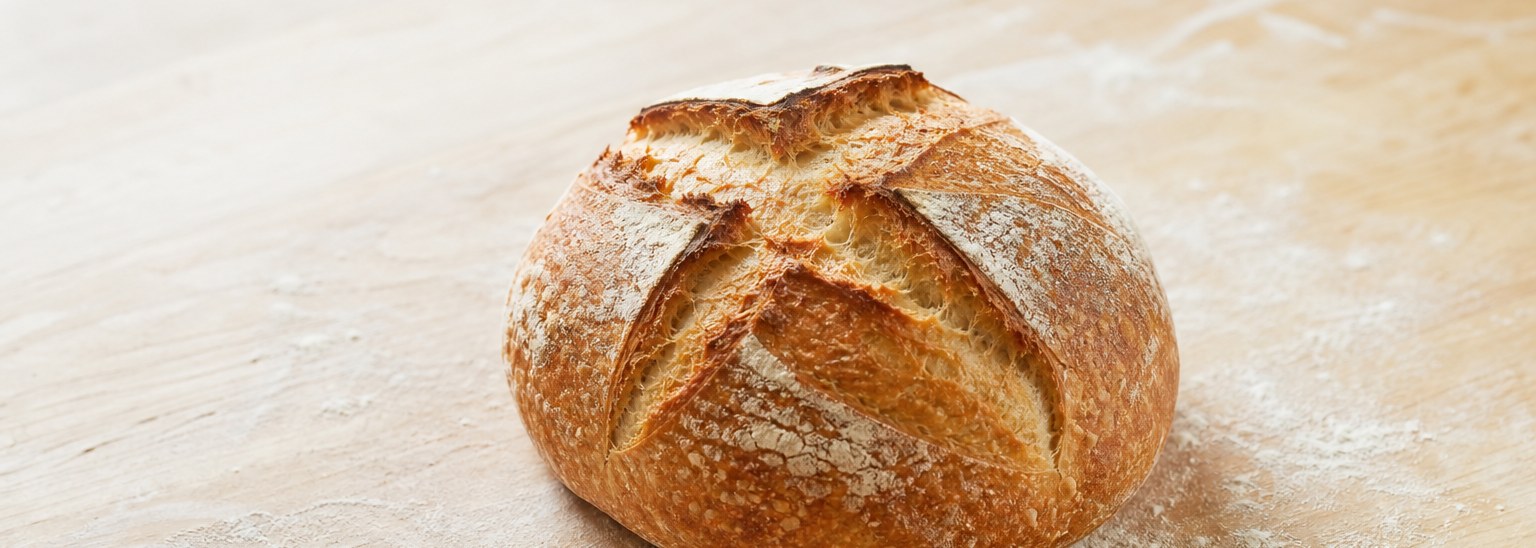
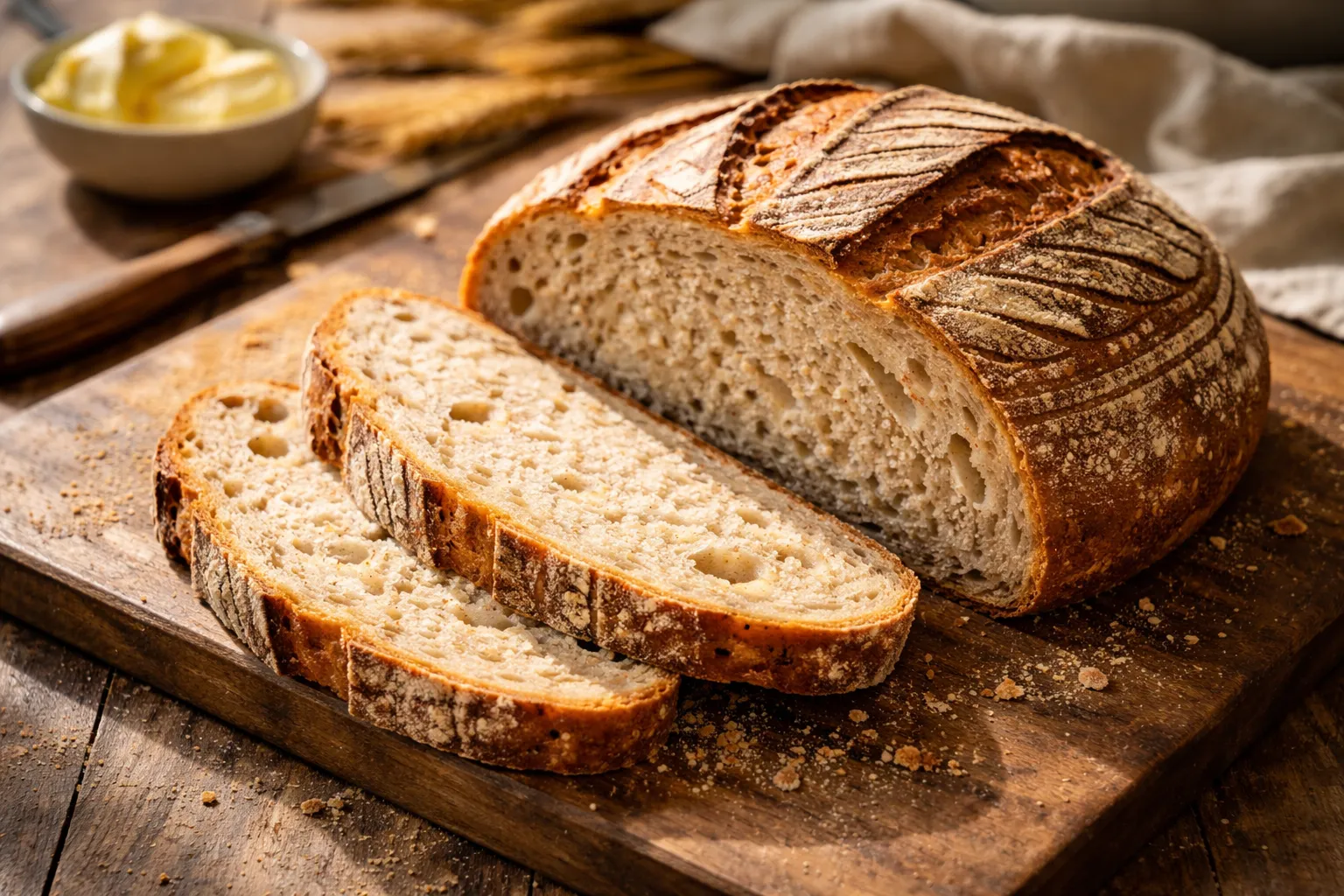
White bread flour, meanwhile, packs more protein and has no bran getting in the way, so gluten forms strong and fast without any resistance. Combine the two flours in equal amounts, though, and something genuinely clicks. You keep the nutty depth and fiber from the whole wheat half, and the white flour half supplies the scaffolding, the rise, and that open, airy crumb. The loaf actually climbs the way it should. The crust shatters with that crackly bite you’re hoping for. And the flavor ends up in far more interesting territory than a plain white sourdough ever reaches.
For way too long, I treated this ratio like a shortcut — like a 50/50 loaf meant I’d given up on doing things the “right” way. That’s simply not true. It’s just baking with more sense.
The Whole Wheat Flour That Stopped Tasting Like Sawdust
Once you start folding whole wheat into a sourdough formula, the specific flour you reach for decides whether your neighbor finishes the loaf or hands it off to the dog. I learned this the slow, expensive way, after years of grabbing whatever organic whole wheat happened to be on sale, only to watch my crumb turn dense and my flavor turn bitter every time.
Where This Flour Delivers
- Even making up half the blend, the flavor stays mild — none of that sharp, acrid bite that makes you doubt your starter.
- Gluten builds up noticeably more smoothly than with cheaper whole wheat brands; the dough never turns to paste partway through the bulk ferment.
- In a 50/50 mix, the open crumb genuinely stays intact instead of collapsing into a gummy center by the second day.
Where It Falls Short
- Compared with all-purpose flour, it’s heavier — plan on nudging your hydration up or accepting a tighter crumb than your usual white sourdough gives you.
- Cost per pound runs higher than bulk-bin whole wheat, and that difference adds up fast if it becomes your everyday flour.
I almost abandoned the 50/50 blend entirely after a batch where I used a different brand and got that brick-like texture all over again—until I switched back to this flour and the dough felt like dough again. Bob’s Red Mill Whole Wheat Flour – 5 lb is what I reach for now, every time.
Ingredients
- 250g whole wheat flour
- 250g bread flour
- 375g water (75% hydration)
- 100g active sourdough starter
- 10g salt
Step by Step
- Mix. Combine both flours and water and autolyse for 45 minutes. Add the starter and salt and mix thoroughly.
- Bulk ferment with folds. Do 4 sets of stretch-and-folds over the first 2 hours.
- Continue bulk fermentation. Let the dough ferment at room temperature for 4-5 hours, until increased by about 50%.
- Shape. Shape into a boule or batard, building surface tension.
- Proof. Place in a floured banneton and refrigerate overnight, 8-12 hours.
- Score and bake covered. Preheat oven with a Dutch oven inside to 475F (245C). Score and bake covered for 20 minutes.
- Bake uncovered. Remove the lid and bake another 20-22 minutes at 450F (230C) until golden.
- Cool completely, at least 1.5 hours, before slicing.
Whole wheat flour’s bran acts like tiny blades, slicing through developing gluten strands and creating dense, flat loaves. White flour packs more protein and builds strong gluten without resistance. Combined fifty-fifty, you keep whole wheat’s nutty depth and fiber while the white flour supplies the scaffolding, rise, and open crumb structure. Sam uses Bob’s Red Mill Whole Wheat Flour, which stays mild-flavored even at 50% of the blend and builds gluten noticeably more smoothly than cheaper brands. The open crumb genuinely stays intact past day two instead of collapsing into a gummy center, making it his everyday choice. After shaping into a boule or batard and placing in a floured banneton, refrigerate overnight for 8-12 hours before scoring and baking. This recipe uses 75% hydration. Compared with all-purpose flour, whole wheat is heavier, so you may need to nudge hydration up or accept a tighter crumb than your usual white sourdough gives.Frequently Asked Questions
Why is 50/50 whole wheat and white flour better than 100% whole wheat?
What whole wheat flour does Sam recommend for sourdough?
How long do you proof 50/50 sourdough in the fridge?
What hydration percentage for 50/50 sourdough with these flours?
About This Article

Written by Sam Whitaker. Sam Whitaker has been baking sourdough for over a decade, including three years baking commercially, and now works out of a home kitchen in the Pacific Northwest. Sam's eleven-year-old starter, Harold, is the foundation for every recipe and troubleshooting guide on Sourdough Rising — real bread tested over and over until it works. More about this site.
Scope and limits. Sam is a home baker with no formal culinary training. Follow current food safety guidance for storage and handling, particularly with enriched or filled doughs.
Verify this against a primary source
Specifics change, and your situation may differ from the one described here. These are the authorities worth checking directly:
- USDA FoodData Central — flour and ingredient composition data
- FoodSafety.gov — safe handling and storage