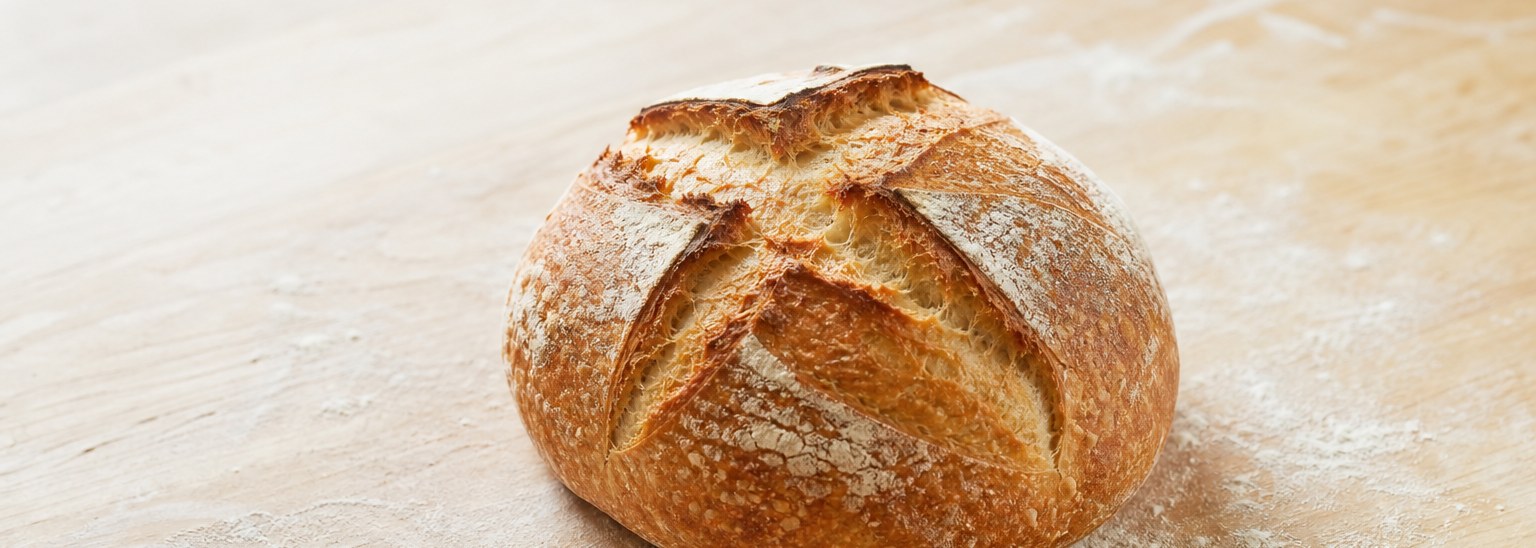
Don’t trust your kitchen’s ambient temperature to babysit a sourdough proof — it will wreck a loaf right when you can least afford it. I learned that the hard way one March Tuesday, staring down at what should’ve been a tall, puffy round and instead getting a squat, barely-risen brick. Third failed bake in two weeks, and this after eleven years of doing this exact thing.
That gut-drop feeling stuck with me for a while. My starter wasn’t the issue — it was lively and healthy. My method hadn’t slipped either. I’d picked apart every single step I could think of, and still the dough kept turning on me right at the last proof. Some days it would rocket past peak in what felt like minutes; other days it would just sit there for hours, refusing to move. I was burning through flour, time, and confidence in equal measure. Eventually the truth landed: the real culprit wasn’t me or my recipe. It was the temperature swinging wildly around my kitchen, and fixing it meant hunting down the best sourdough proofing box I could find.
| Fermentation Stage | Ideal Temperature | Purpose |
|---|---|---|
| Bulk fermentation | 77–80°F | Keep fermentation moving |
| Final proof | 75–76°F | Develop flavor, control yeast activity |
A Problem I Never Saw Coming
For years I proofed sourdough wherever there was open counter space, hoping the room would just behave. Winters would drag my house down to 62 degrees; summers could shove it up toward 78. That gap looks small written down, but in this craft, a ten-degree swing separates a loaf that rises exactly right from one that’s gummy and underdone — or one that goes too far and collapses.
At first I didn’t connect those temperature swings to my hit-or-miss results at all. I assumed the fault was mine. Maybe my timing was off, or I wasn’t reading the dough closely enough. So I tweaked recipes, switched flours, even changed how often I fed my starter. None of it fixed anything, because I was treating symptoms while ignoring the actual cause.
The shift happened after a chat with another baker at a local sourdough workshop. She mentioned, almost offhand, that picking up a proofing box had made her bakes suddenly predictable. That comment lodged in my brain. If I could lock down temperature, I could isolate every other variable and finally understand what was actually happening during my proof.
Why the Right Temperature Changes Everything
Wild yeast and bacteria are what power sourdough fermentation, and like any living organism, they have a sweet spot — generally 75 to 78 degrees Fahrenheit for bulk fermentation, and a bit cooler for the final proof. Stay inside that band and their behavior is steady and easy to predict. Push outside it and they either crawl to a stop in the cold or take off too fast in the heat, and your timing goes out the window.
Once I started digging into which proofing box actually made sense for me, I had to get honest about what I needed. A proofing box isn’t a fancy container for show — it’s a precision tool for your kitchen. It strips out your home’s unpredictable temperature and lets you actually focus on reading your dough, learning real fermentation timelines, and building genuine instinct as a baker.
I also found out that each stage of fermentation wants its own number. Bulk fermentation — the first rise — can handle, and even benefits from, slightly warmer conditions, roughly 77 to 80 degrees, to keep things moving. The final proof tends to do better cooler, around 75 to 76 degrees, which slows the yeast down and gives flavor more room to develop. A decent proofing box lets you dial in whatever number your process actually calls for.
Choosing the Right Proofing Box for Your Own Kitchen
The Box That Finally Ended My Temperature Roller Coaster
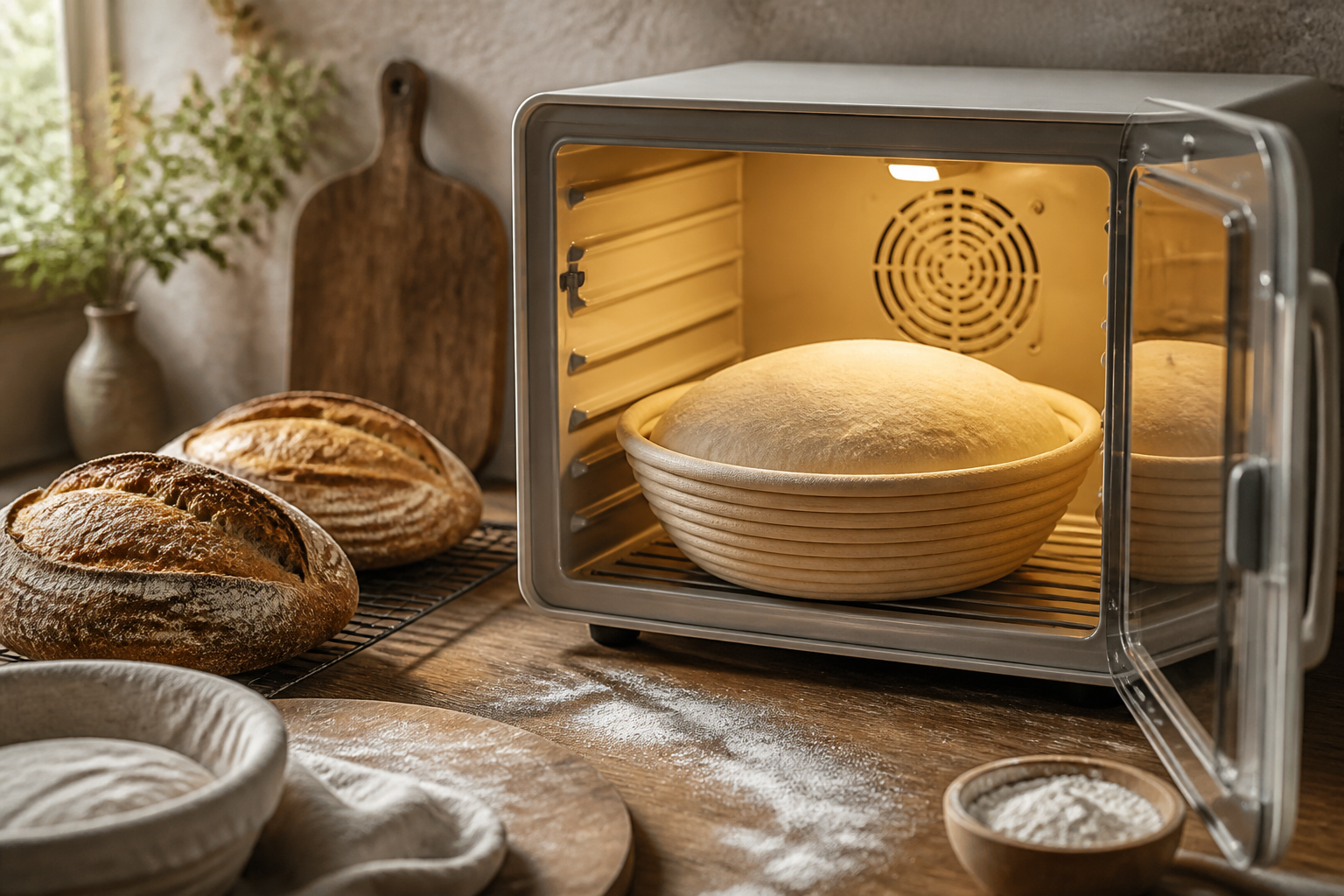
My kitchen has never been climate-controlled, and for a long stretch, neither was my proofing setup — that was exactly the problem. I’d watch over bulk fermentation for hours, only to have a stray draft or a heating cycle undo it all right as the final proof kicked in. A temperature-controlled proofing box cuts out that guesswork entirely, holding your dough steady in the 75–78°F range it needs to rise the same way every single time.
The wins
- Holds temperature within 1–2 degrees without fail, even when the house drops into the 60s overnight — for the first time in months, I watched the same dough rise predictably across three back-to-back bakes.
- Collapses down flat for storage, which matters a lot if you don’t have a dedicated baking corner; mine sits tucked behind a cabinet door and takes about 30 seconds to pop back into shape.
- Clear side panels let you check on your dough without lifting the lid and losing all your built-up heat, so you can actually tell the moment bulk fermentation has finished.
The downsides
- It isn’t cheap, and if sourdough is a once-a-week hobby for you, the upfront cost might feel hard to justify — I nearly returned mine after two weeks, right before the consistency payoff showed up.
- The heating element needs 15 to 20 minutes to warm up first, so you can’t just toss your dough in right away — you have to plan a few minutes ahead of time.
I almost sent it back after the second week when I was still tweaking variables, convinced I’d wasted money on something fancy I didn’t need. But once I committed to actually using it for a full month, I stopped having failed proofs. Brod & Taylor Folding Proofer & Slow Cooker
Frequently Asked Questions
What temperature should sourdough bulk fermentation be?
Bulk fermentation, the first rise, benefits from slightly warmer conditions around 77 to 80 degrees Fahrenheit to keep fermentation moving. Wild yeast and bacteria work most predictably within this range, making your rise consistent and easier to time correctly.
Why does my sourdough rise time keep changing?
Wild yeast and bacteria have a sweet spot around 75 to 78 degrees Fahrenheit. When your kitchen temperature swings between 62 and 78 degrees, fermentation speeds up or slows down dramatically, making timing impossible to predict. A temperature-controlled proofing box fixes this by holding steady temperature.
How long does a proofing box take to warm up?
A proofing box’s heating element needs 15 to 20 minutes to warm up before you place your dough inside. This means you need to plan ahead rather than tossing your dough in immediately, but the wait ensures your proof starts at the right temperature.
What temperature is best for sourdough final proof?
The final proof does better around 75 to 76 degrees Fahrenheit, which is slightly cooler than bulk fermentation. This slower temperature gives flavor more room to develop while keeping yeast activity controlled for a more predictable rise.
About This Article

Written by Sam Whitaker. Sam Whitaker has been baking sourdough for over a decade, including three years baking commercially, and now works out of a home kitchen in the Pacific Northwest. Sam's eleven-year-old starter, Harold, is the foundation for every recipe and troubleshooting guide on Sourdough Rising — real bread tested over and over until it works. More about this site.
Scope and limits. Sam is a home baker with no formal culinary training. Follow current food safety guidance for storage and handling, particularly with enriched or filled doughs.
Verify this against a primary source
Specifics change, and your situation may differ from the one described here. These are the authorities worth checking directly:
- USDA FoodData Central — flour and ingredient composition data
- FoodSafety.gov — safe handling and storage