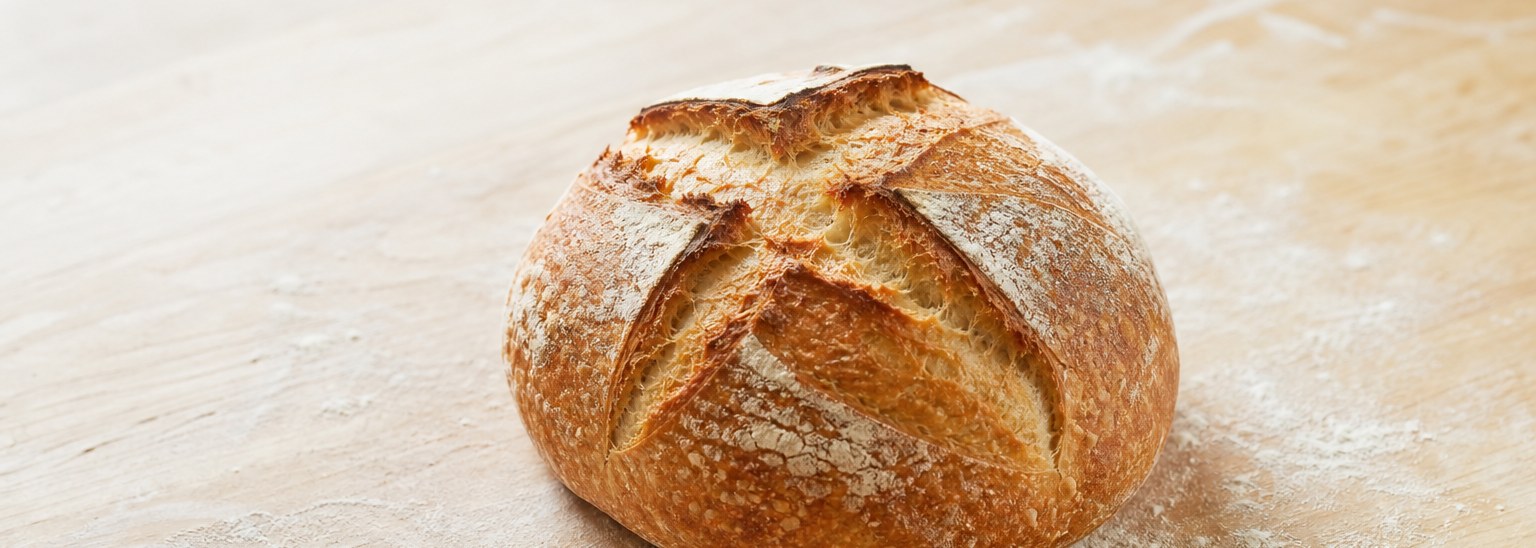
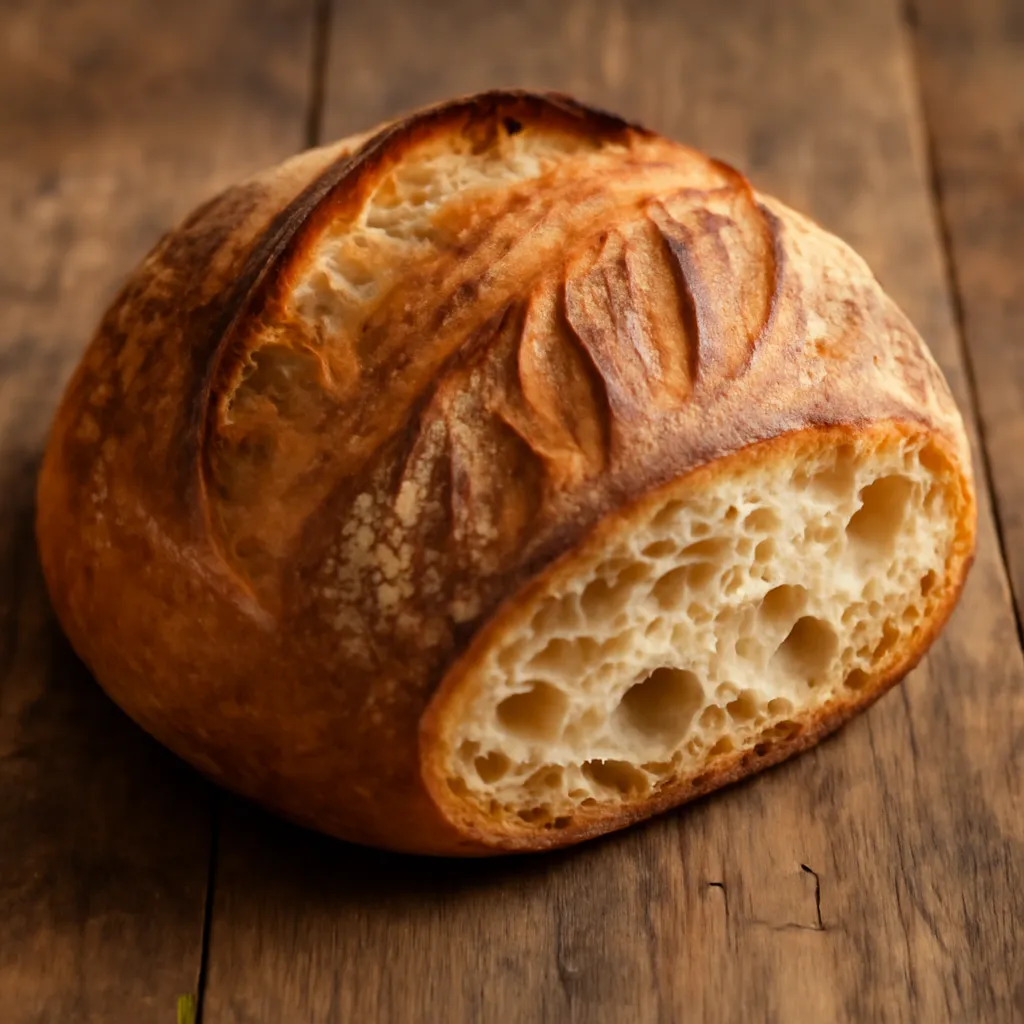
Plenty of bakers treat a proofing basket as decorative flair rather than something that actually matters — that’s the wrong read on it. After going through more Dutch ovens and starter jars than I can count, the piece of gear that changed my results wasn’t a pot at all — it was a proper banneton. My earliest loaves came out as flat, shapeless blobs because I let the dough rise in whatever mixing bowl happened to be closest. Bannetons fixed that almost right away.
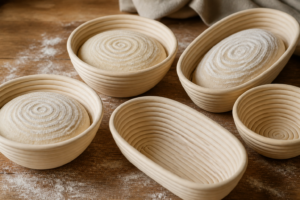
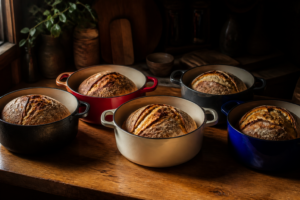
The first loaf I pulled out of a banneton has stuck with me — I baked it in my well-worn Lodge Dutch oven, the same pot I’d once scorched a loaf in, and when the dough tipped free of the basket, it carried this gorgeous spiral pressed across the crust. For once, what came off my counter actually resembled something from a bakery case. That’s the moment proofing baskets stopped being optional in my head and became a non-negotiable part of getting that bakery-style look.
After putting several bannetons through their paces — different sizes, shapes, and materials — here’s the practical rundown of every decision point that actually matters when picking one for your own kitchen, with no specific product pitch attached.
A banneton isn’t merely a basket — it’s a shaping tool that molds not just your loaf, but your whole approach to baking.
Traditional French Baker
| Banneton Size | Dough Weight | Shape | Best For |
|---|---|---|---|
| 8 inch | 400–600g | Round | Smaller batches, one or two people |
| 9–10 inch | 500–900g | Round | Most home bakers, standard choice |
| 10–11 inch | 500–900g+ | Oval (batard) | Wetter dough, sandwich-style loaves |
| 11+ inch | 1kg+ | Round or oval | Bulk baking, loaves over 1kg |
Getting the Size Right for Your Dough Weight
Basket sizing works by diameter on round bannetons and by length on oval ones, and the number that actually matters is your dough weight — not whatever looks proportional sitting on a shelf.
- 8 inch: Suited to smaller batches, roughly 400–600g of dough. If you’re baking for just yourself or one other person, this is the size that fits.
- 9–10 inch (standard): The size most home bakers reach for again and again, comfortably handling anywhere from 500–900g. If you’re only ever buying one basket, make it this one.
- 10–11 inch oval (batard): Built for elongated, sandwich-style loaves. The added length gives wetter dough enough room to hold its shape instead of spreading thin.
- 11+ inch: Reserved for bakers regularly pushing past 1kg of dough, or for anyone baking in bulk for a crowd.
Go too small and your dough will climb over the basket’s rim before proofing even finishes. Go too large, and instead of rising upward, the dough spreads sideways — leaving you with a flatter loaf and a softer internal structure.
Material Choices: Rattan, Cane, or a Lined Bowl
Rattan/cane (the traditional pick): This is the material behind those classic spiral or basketweave marks pressed into your crust. It pulls moisture away from the dough’s surface efficiently, which builds a drier outer skin that scores cleanly with a blade. The catch is upkeep — rattan needs to dry out completely in open air between bakes, and a brand-new basket can shed small splinters at first.
Cloth-lined rattan: Here, a cotton or linen liner sits inside the cane basket. You give up the decorative ring pattern, but cleanup becomes far simpler and the fabric treats wetter or more delicate dough more gently than bare cane would.
A generously floured bowl with a tea towel: This is the no-cost route in, and it’s a completely legitimate way to begin. You won’t end up with any ring pattern, but the core job — holding the dough’s shape steady through its final rise — happens all the same. If you’re still deciding whether sourdough is a hobby you’ll stick with, start here before spending money on anything.
Choosing Between Round and Oval
Round bannetons are the more forgiving entry point and suit boules — the standard round sourdough shape. Oval bannetons exist for batards, the longer, tapered loaf that slices closer to a traditional sandwich loaf. Stick with round if boules are all you make. If you want more variety, or you like slices built for sandwiches, add an oval basket as a second piece of gear rather than swapping out the round one.
Basic Upkeep
Never soak a rattan banneton in water. Instead, knock and brush out leftover flour and stray dough by hand, let it dry fully in open air before putting it away, and flour it heavily before every single use — skimping on flour is the top reason dough sticks. For the complete cleaning and upkeep routine, plus what to do if mold shows up because a basket didn’t dry out properly, check my complete guide to using and cleaning bannetons.
So Which Banneton Is Actually Worth Buying?
I’ve broken down specific baskets in a separate comparison, since the winner really comes down to fine details rather than the broad size-and-material categories covered here. Take a look at my honest comparison of the bannetons I’ve actually used, or, if you want the short answer, here’s the basket that clearly came out on top when I tested three head-to-head.
Picking the right banneton is one of the most overlooked choices in setting up your sourdough routine — it’s the piece of equipment that turns a shapeless lump of dough into the polished, spiral-marked loaf every home baker is chasing. Match the size and material to how you actually bake, and everything else falls into place.
Frequently Asked Questions
What size banneton do I need for my dough weight?
Size depends on dough weight, not appearance. An 8-inch basket suits 400–600g, the standard 9–10 inch handles 500–900g and works for most home bakers, a 10–11 inch oval fits wetter dough, and 11+ inches handles loaves over 1kg. Too small and dough climbs over the rim; too large causes flat loaves with softer structure.
Should I buy rattan or cloth-lined banneton?
Rattan creates those classic spiral marks and pulls moisture efficiently for clean scoring, but needs complete air drying between bakes and may shed splinters initially. Cloth-lined rattan gives up the decorative pattern but cleans easily and handles wetter dough more gently. Both work well—choose based on cleanup preference.
Can I use a bowl instead of buying a banneton?
Yes, a generously floured bowl with a tea towel is a completely legitimate no-cost way to start. You won’t get ring patterns, but it holds your dough’s shape through final proofing just fine. Try this before spending money if you’re still deciding whether sourdough is for you.
How do I prevent dough from sticking to my banneton?
Flour your basket heavily before every use—skimping on flour is the top reason for sticking. Never soak rattan in water. Instead, knock out leftover flour by hand, let it dry fully in open air, then flour generously again before the next bake.
About This Article

Written by Sam Whitaker. Sam Whitaker has been baking sourdough for over a decade, including three years baking commercially, and now works out of a home kitchen in the Pacific Northwest. Sam's eleven-year-old starter, Harold, is the foundation for every recipe and troubleshooting guide on Sourdough Rising — real bread tested over and over until it works. More about this site.
Scope and limits. Sam is a home baker with no formal culinary training. Follow current food safety guidance for storage and handling, particularly with enriched or filled doughs.
Verify this against a primary source
Specifics change, and your situation may differ from the one described here. These are the authorities worth checking directly:
- USDA FoodData Central — flour and ingredient composition data
- FoodSafety.gov — safe handling and storage