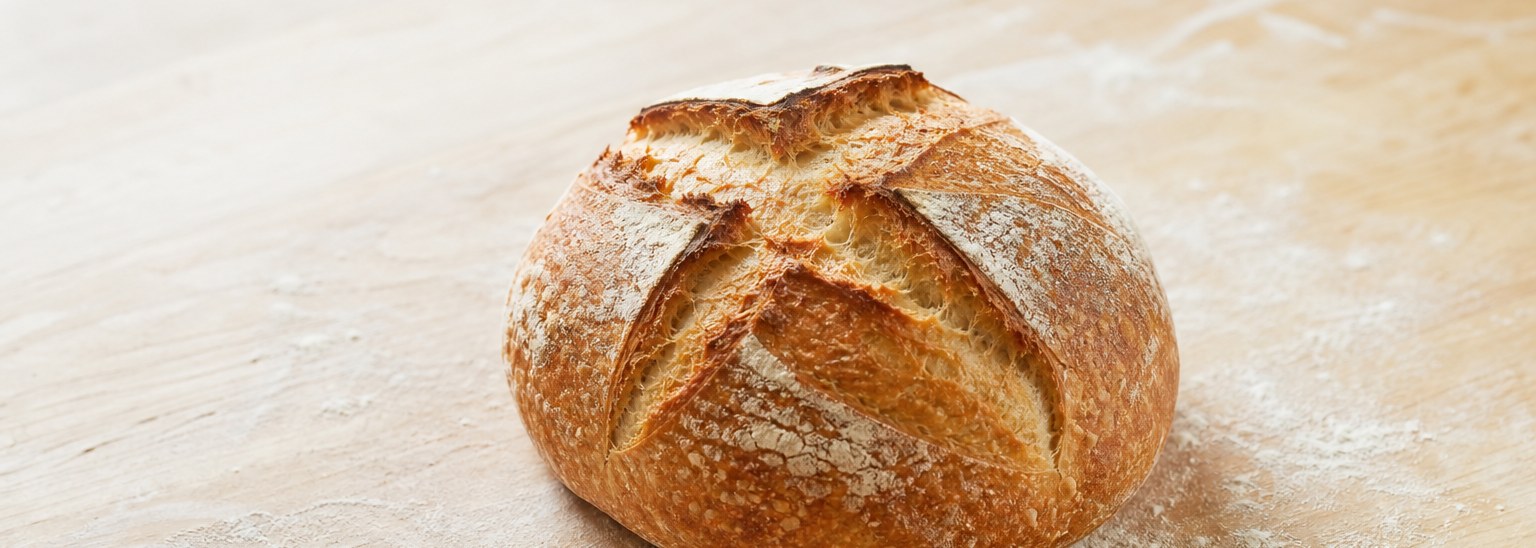
“Can’t you just use a bowl and a dish towel instead of buying some fancy basket?” That’s what my brother-in-law asked me years back, right before I proved myself spectacularly wrong. I’d shaped a loaf, nestled it into a flour-dusted towel sitting inside a mixing bowl, and gone to bed feeling smug about my setup. Come morning, the dough had oozed sideways into something closer to a deflated pancake than a boule. That flop sent me hunting for answers, and it’s the whole reason this banneton guide exists — because once I switched tools, everything about my proofing changed for the better.
| Banneton Size | Flour Weight Range | Loaf Shape | Best For |
|---|---|---|---|
| 9-inch round | 500–750g | Boule | Most standard home recipes |
| 10-inch round | 750g–1 kilo | Batard | Bigger loaves, lower-hydration dough |
| Oval-shaped | Not specified | Batard | Longer loaves, creative scoring |
What Exactly Is a Banneton Basket, and Why Bother With One?
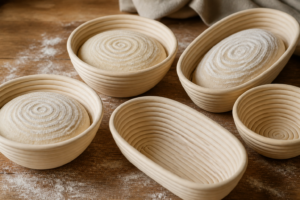
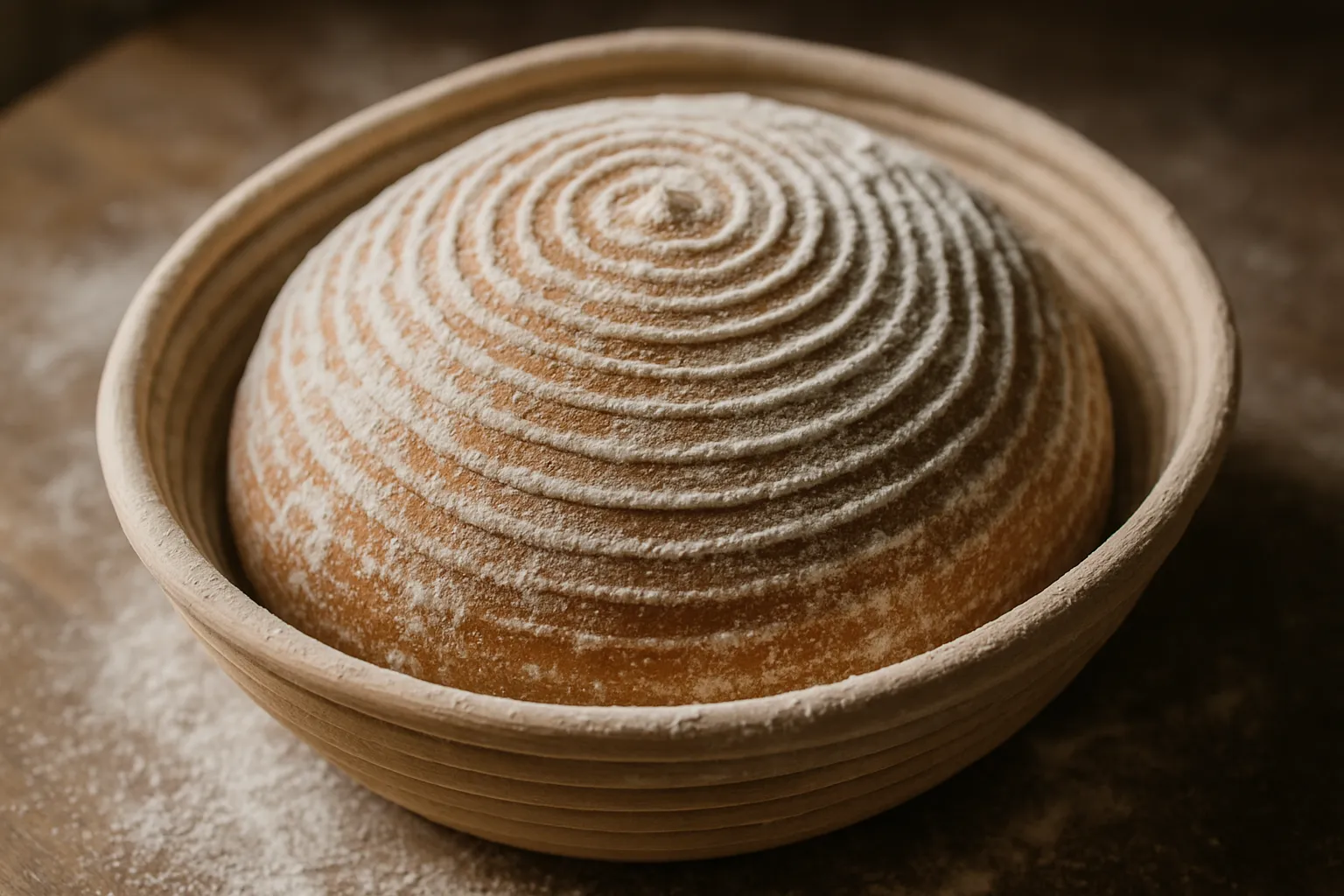
A banneton — sometimes called a brotform — is essentially a shaping vessel, usually woven from rattan or cane, or occasionally molded from wood pulp, built to cradle your dough through its last rise. A plain bowl just holds dough; a banneton actually constrains and supports it as it ferments, keeping that flat-spread problem at bay while helping the loaf build the tension and height it needs for a strong oven spring.
There’s a bonus feature I’ve grown fond of, too: those elegant spiral markings on artisan loaves aren’t accidental — they’re stamped in by the coiled weave of the basket itself. That texture transfers onto the dough’s skin and gives your finished bread a look that could pass for bakery-made. It’s a small touch, but it’s the kind of detail that makes baking feel like more than just following a recipe.
Using a Banneton the Right Way, Start to Finish
Breaking In a New Banneton
A brand-new banneton needs to be seasoned before dough ever touches it. Spritz the interior lightly with water, then coat it heavily with a flour blend split evenly between rice flour and all-purpose. Rice flour does the heavy lifting here — since it resists soaking up moisture the way wheat flour tends to, it forms a much sturdier non-stick barrier. Massage the flour into every groove of the coil using your fingertips, shake out whatever doesn’t stick, and give the basket time to dry fully before you put it to use.
Getting the Basket Ready Before Every Bake
Every single time you bake, re-dust the basket with that same rice flour mix — don’t hold back, since a heavily floured basket means an easy release later. Set your shaped dough into the basket seam-side up (it’ll end up seam-down once you tip it out onto your baking surface). Loosely cover it with a shower cap or a sheet of plastic, then either tuck it into the fridge for an overnight cold proof or leave it out at room temperature for roughly two to four hours, adjusting based on your dough’s condition and how warm your kitchen runs.
Moving the Dough From Basket to Oven
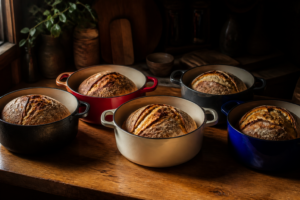
When it’s time to bake, invert the banneton in one smooth, committed motion — right over your hot Dutch oven or onto a sheet of parchment. Second-guessing yourself here does more harm than good; a firm, quick flip is what gives you a clean release. Score right away and slide it into the oven without delay. And if the dough does stick a little, don’t panic — you haven’t ruined anything. Work it loose gently with a bench scraper, smooth the surface back into shape as best you can, and score it anyway.
Picking the Right Banneton Size for Your Dough
Size isn’t a minor detail — go too small and dough spills over the rim, go too big and the loaf has nothing to lean on for structure. Here’s how I break it down:
- 9-inch round basket: Suited to loaves built from 500–750g of flour. This is the size that fits most standard home recipes, and it’s the one I grab most often out of habit.
- 10-inch round basket: Better suited to bigger batard-style loaves or doughs made from 750g up to a full kilo of flour. It also gives you a bit more room if your dough runs lower-hydration and tends to spread a touch more.
- Oval-shaped basket: The natural choice for a batard — that longer loaf shape that slices up beautifully for sandwiches. The oval shape also opens up more surface area for creative scoring.
If you’re just starting out, my real recommendation is to grab a 9-inch round first. It matches nearly every beginner recipe you’ll find and lets you nail down the classic boule shape before branching out.
The Basket That Finally Put an End to My Pancake-Flat Loaves
A well-lined banneton does more than cradle your shaped dough — it genuinely reinforces the gluten network while the dough cold-proofs, so the loaf climbs upward instead of oozing outward. I figured this out the hard way after my towel-and-bowl disaster, and it reshaped how I handle overnight proofing for every boule since.
Where it excels
- The linen liner has just enough grip to hold onto the dough without ever letting it stick, so when I flip it out onto the peel in the morning, there’s zero fighting or deflating involved.
- The 9-inch version is a near-perfect match for a 500–600g shaped loaf — snug enough to keep the rise going vertically through an 8–12 hour cold proof, without ever squeezing the dough too tight.
- The rattan shell underneath has held its form bake after bake; two years of steady use in and it hasn’t warped or started coming apart the way some of the cheaper baskets I’ve owned eventually did.
Where it falls short
- The liner needs a handful of washes before it really settles in — the first few uses felt noticeably slick, until the flour finally worked its way into the fibers of the weave.
- At this price, you only get a single basket and liner, so if you’re turning out several loaves a week like I tend to, plan on either washing between bakes or picking up a second set.
I was skeptical that a banneton would make that much difference—I figured a shaped dough was a shaped dough—but the first time I pulled my loaf out of this one and it actually held its height, I was a believer. Saint Germain Bakery Premium Round Bread Banneton Basket with Liner (9 inch)
Frequently Asked Questions
What size banneton basket do I need for my sourdough?
A 9-inch round basket suits loaves built from 500–750g of flour and matches most standard home recipes. A 10-inch round works better for bigger batard-style loaves or doughs made from 750g up to a full kilo of flour. Oval-shaped baskets are the natural choice for batards. If you’re starting out, grab a 9-inch round first.
How do I season a new banneton basket?
Spritz the interior lightly with water, then coat it heavily with a flour blend split evenly between rice flour and all-purpose flour. Rice flour resists soaking up moisture and forms a sturdier non-stick barrier. Massage the flour into every groove using your fingertips, shake out what doesn’t stick, and let it dry fully before use.
Should I flour my banneton before every bake?
Yes, re-dust your banneton with the same rice flour and all-purpose flour mix before every bake, and don’t hold back on the flour. A heavily floured basket ensures an easy release when you tip the dough onto your baking surface. Set your shaped dough in seam-side up.
How long can dough proof in a banneton?
You can leave dough out at room temperature for roughly two to four hours, adjusting based on your dough’s condition and how warm your kitchen runs. Alternatively, tuck it into the fridge for an overnight cold proof. A 9-inch basket with a 500–600g shaped loaf can handle an 8–12 hour cold proof without squeezing the dough too tight.
About This Article

Written by Sam Whitaker. Sam Whitaker has been baking sourdough for over a decade, including three years baking commercially, and now works out of a home kitchen in the Pacific Northwest. Sam's eleven-year-old starter, Harold, is the foundation for every recipe and troubleshooting guide on Sourdough Rising — real bread tested over and over until it works. More about this site.
Scope and limits. Sam is a home baker with no formal culinary training. Follow current food safety guidance for storage and handling, particularly with enriched or filled doughs.
Verify this against a primary source
Specifics change, and your situation may differ from the one described here. These are the authorities worth checking directly:
- USDA FoodData Central — flour and ingredient composition data
- FoodSafety.gov — safe handling and storage