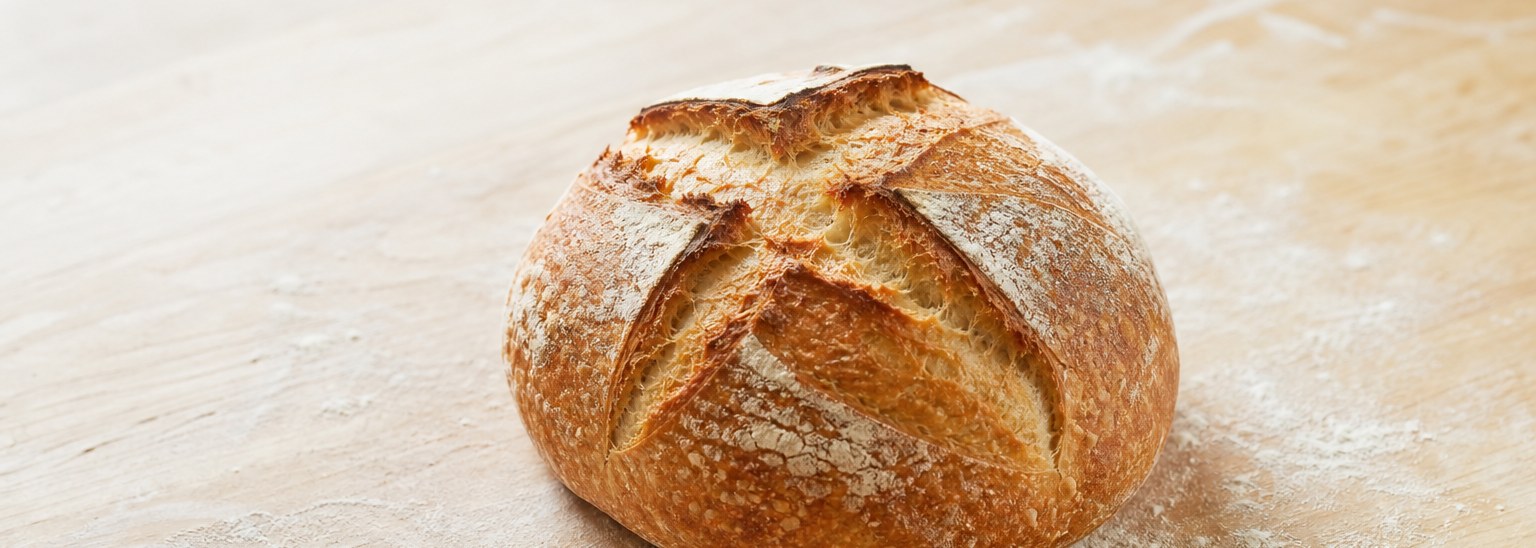
Pull up any early photo from my baking days and you’ll spot the same disaster every time: a crust split wide open along one side, a jagged blowout that has nothing to do with deliberate scoring. That picture is proof of exactly what happens when you try to score dough with a plain kitchen knife instead of a real blade. The knife caught and tugged instead of slicing clean, the surface sank just enough to lose its tension, and the oven spring that should have pushed straight up blew out sideways through that weak seam instead. Staring at that ruined loaf is what finally convinced me that a dedicated bread lame scoring tool sourdough bakers rely on isn’t some optional extra — it’s one of the tools that genuinely moves the needle in this whole process.
Maybe you’ve run into the same thing — a loaf that blooms in the wrong spot, or a scoring pattern you worked hard on that disappears completely once oven spring takes over. That’s exactly what this post is here to fix. We’ll dig into what a lame is really doing when it cuts into dough, why the sharpness of that blade matters far more than most bakers assume, and which specific tools are actually worth adding to your kit.
Understanding the Job a Lame Is Actually Doing
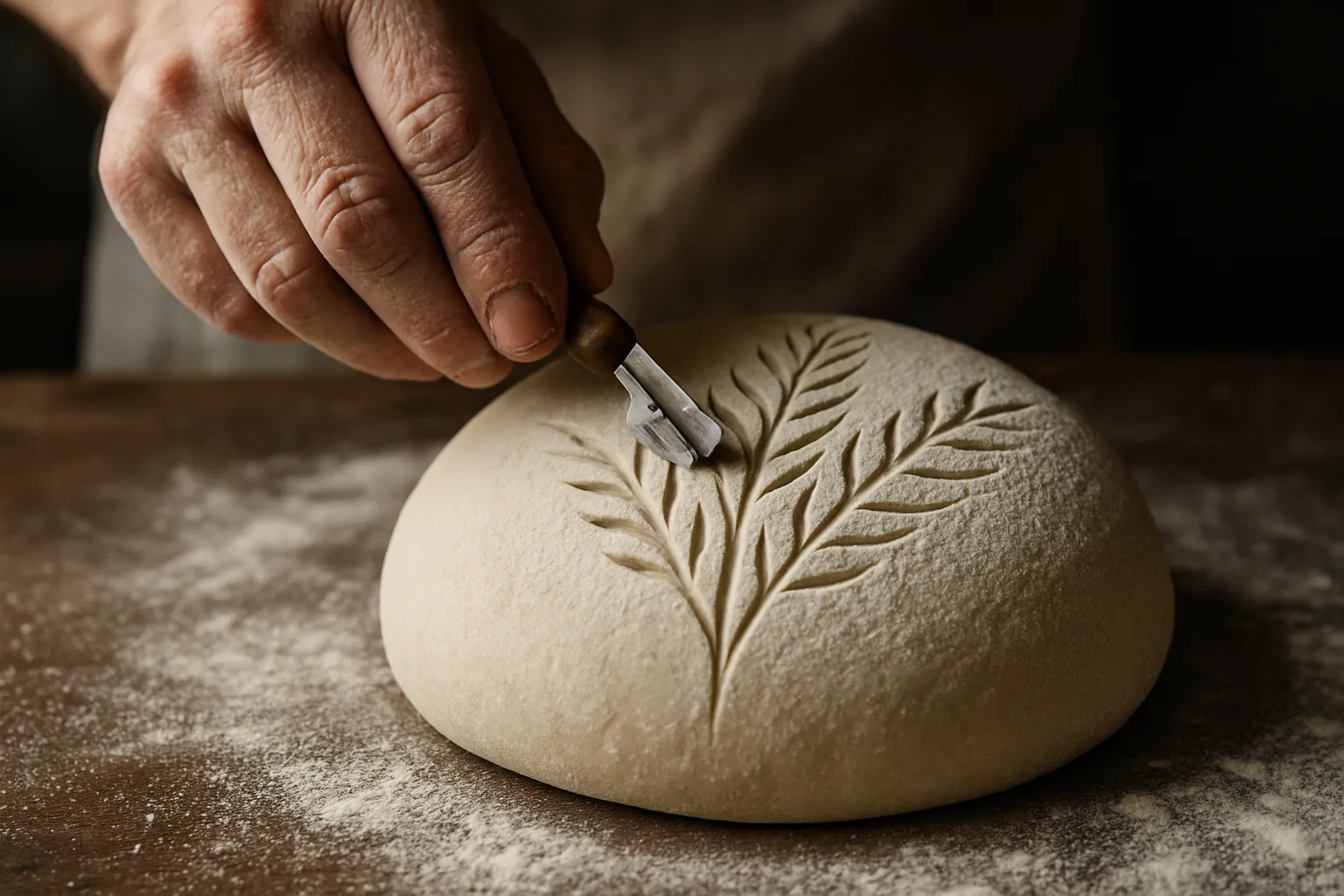
Say it “lahm” — it’s a French word — and the tool itself is nothing more than a razor blade fixed onto a handle, built for one job: slicing the surface of dough right before it goes into the oven. That plain description, though, barely hints at what’s actually happening when you score well.
Once sourdough drops into a scorching-hot Dutch oven, the yeast throws one last burst of energy into the dough before the heat shuts it down for good. That final surge is oven spring, and it’s spectacular to watch — provided the dough has somewhere pre-planned to expand. A clean score breaks the surface tension at a specific spot, steering all that expansion toward the path you chose. Cut with confidence using a sharp blade, and you get a dramatic ear, a wide-open crumb, and a crust that cracks audibly when you tap it. Cut hesitantly, or saw through the dough with a blade that’s gone dull, and the loaf deflates instead, tearing wherever the surface happens to give rather than where you actually aimed.
A razor-sharp lame and a standard kitchen knife aren’t even in the same category — think scalpel versus butter knife. High-hydration sourdough that’s fermented well is fragile right up until the second it bakes. What you need is a blade that passes through in one confident stroke, not one that snags and drags the dough along behind it.
Flat Blade or Curved Blade: Picking the Right Edge
People ask me about this constantly, and the honest answer is that neither one wins outright — it comes down to what you’re baking and the effect you’re chasing.
Straight Blade
A flat blade slices in a clean, direct line. It shines for decorative work — those elaborate leaf motifs and wheat-stalk patterns you see all over social media — and it’s the right pick for the classic diagonal cuts on baguettes. Because the blade sits flush against the surface, it usually produces a more open cut rather than that dramatic raised ear.
Curved Blade
A curved, or “bent,” blade is what actually produces that prized ear on a round boule or an oblong batard. Holding the lame nearly flat and letting the curve arc through the dough undercuts the top layer just slightly. That thin flap then lifts away under the oven’s heat, turning into the crisp, deeply caramelized ear every sourdough baker chases. It’s what I reach for on both everyday sandwich loaves and rustic round shapes.
Here’s the upside: plenty of the top lames sold today are built to switch between a flat and curved configuration, so you’re never locked into choosing just one.
The Blade That Finally Let My Scoring Work
There’s a real gap between a score that opens into a proper ear and one that just deflates the second it hits heat, and a sharp, single-use blade is what closes that gap. The moment I stopped dragging a knife across the dough and started making one quick, shallow cut with an actual lame, my oven spring finally shot upward instead of spilling out sideways.
Where This Tool Delivers
- It slides through chilled dough without snagging once, leaving a clean separation that opens into a genuine ear during roughly the first 30 seconds of oven spring.
- The handle offers just enough control to hold the cut at a 30-degree angle, which turns out to be the key detail for growing that signature ear instead of just splitting the crust flat.
- A single-use blade keeps its edge across several bakes, so you’re not fighting dull metal the way I constantly did with kitchen knives after just two or three loaves.
Where It Falls Short
- Because the blades are disposable, there’s a small ongoing cost if you’re baking two or three loaves a week the way I do — though it’s still far cheaper than replacing a cracked Dutch oven lid.
- The handle can feel a little light or unbalanced until you get used to the weight of it, and I nearly dropped mine straight into a banneton on my third loaf before I found the right grip.
Honestly, I doubted something this small could make much of a difference, but the gap between my old, ragged kitchen-knife tears and these clean, deliberate scores showed up immediately. Check out the Baker of Seville Bread Lame
Frequently Asked Questions
Why does my scored loaf tear in the wrong spot instead of opening properly?
A dull or dragging blade catches and tugs the dough instead of slicing clean, losing surface tension right where you scored. The oven spring then blows out sideways through that weakened seam rather than expanding upward where you intended. A sharp lame makes one confident stroke that steers expansion exactly where you planned.
Should I use a flat blade or curved blade for sourdough scoring?
Flat blades work best for decorative patterns and diagonal baguette cuts, producing more open scores. Curved blades create that prized ear on boules and batards by undercutting slightly, lifting into a crisp, caramelized flap during oven spring. Many modern lames switch between both configurations, so you’re not locked into one choice.
What angle should I hold the lame when scoring sourdough?
Hold the lame nearly flat and angle the blade at roughly 30 degrees when cutting. This angle is key for growing that signature ear instead of just splitting the crust flat. The curved blade’s arc undercuts the top layer slightly, letting it lift away under the oven’s heat.
How long does a single-use bread lame blade stay sharp?
A single-use blade keeps its edge across several bakes, so you’re not constantly fighting dull metal the way kitchen knives dull after just two or three loaves. There’s a small ongoing cost if you bake two or three loaves weekly, but it’s far cheaper than other equipment replacements.
About This Article

Written by Sam Whitaker. Sam Whitaker has been baking sourdough for over a decade, including three years baking commercially, and now works out of a home kitchen in the Pacific Northwest. Sam's eleven-year-old starter, Harold, is the foundation for every recipe and troubleshooting guide on Sourdough Rising — real bread tested over and over until it works. More about this site.
Scope and limits. Sam is a home baker with no formal culinary training. Follow current food safety guidance for storage and handling, particularly with enriched or filled doughs.
Verify this against a primary source
Specifics change, and your situation may differ from the one described here. These are the authorities worth checking directly:
- USDA FoodData Central — flour and ingredient composition data
- FoodSafety.gov — safe handling and storage