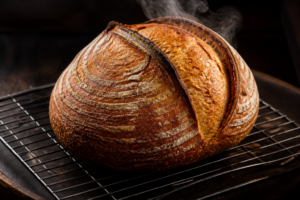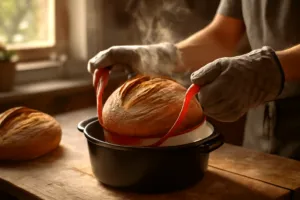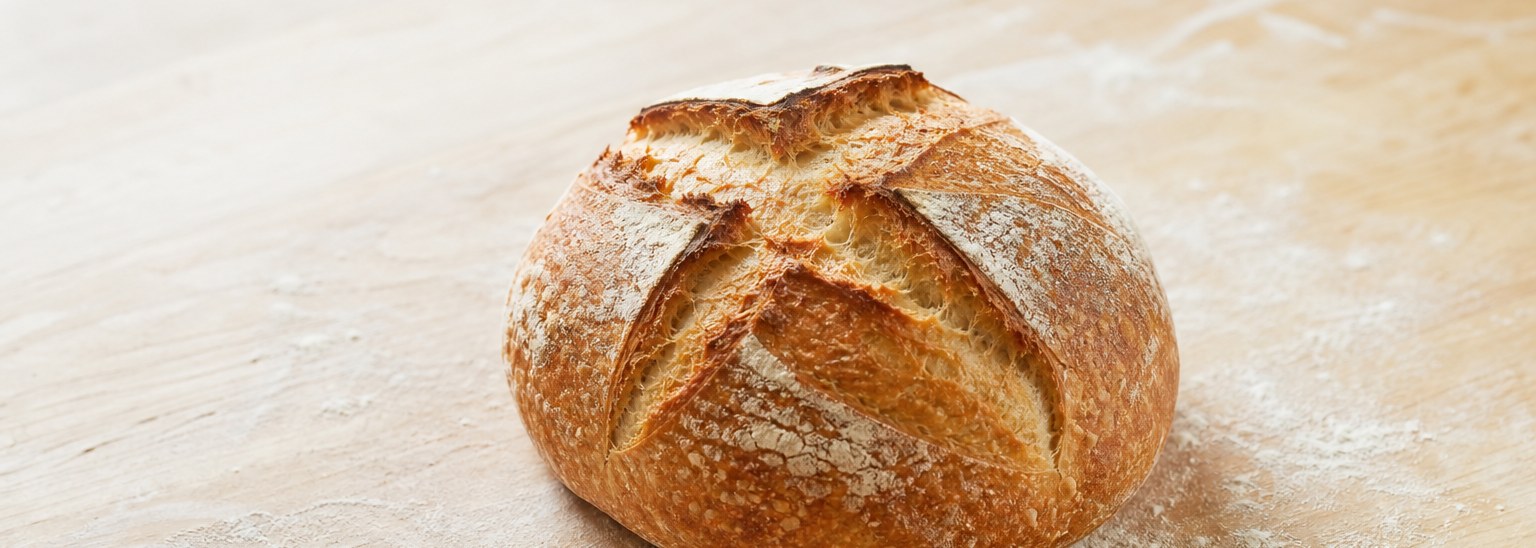
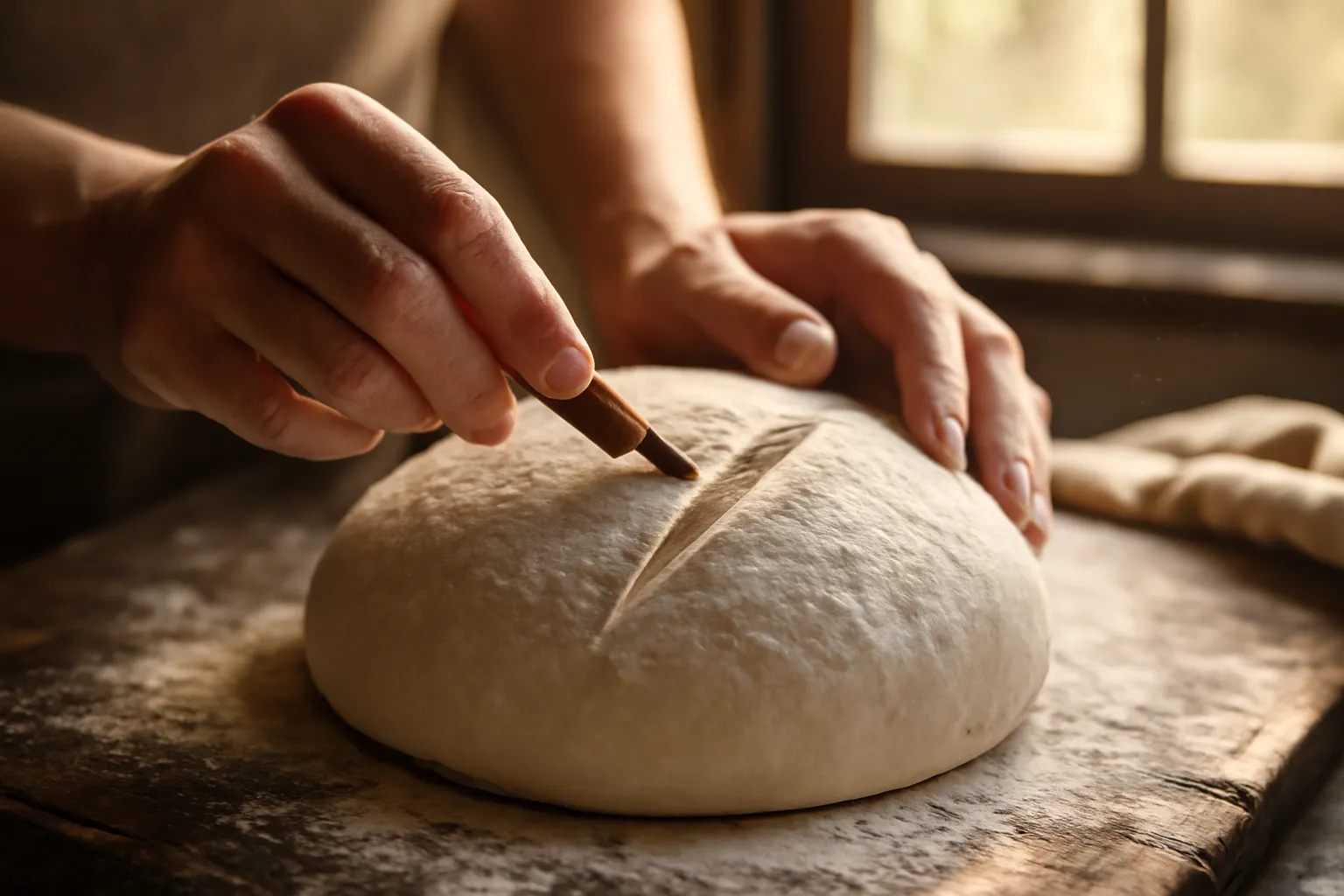
Pull up any photo from my early scoring days and you’ll see the same problem staring back at you: boules with jagged, sideways blowouts instead of one clean lifted ear, crust torn open rather than sliced. The crumb underneath was fine, the flavor was solid, but the top of every loaf told the real story — my blade was dragging through the dough instead of cutting it. That kind of visual evidence is exactly what pushed me to shop for a real bread lame instead of sticking with my makeshift setup. Eventually that search landed me on the Baker of Seville bread lame, and this review covers what happened once I put it to work — it did more for my loaves than I expected.
My old rig was a razor blade wedged into a wooden chopstick — yes, really. It got the job done in a scrappy, slightly humiliating way. Once my bakes started leveling up and I actually cared about ear formation and cut patterns, that homemade tool turned into more of a hazard than a helper. Depth varied loaf to loaf, I had zero say over blade angle, and I nicked my fingers more times than I’d like to admit. Clearly, an upgrade was overdue.
I spent a few weeks buried in baking forums, scoring tutorials on YouTube, and general bread-gear research before finally committing to a purchase. What follows is everything I’ve picked up after using this tool regularly for months.
What Sold Me on the Baker of Seville Lame
You’d be surprised how many bread lames are out there. Plenty are throwaway plastic handles paired with a lone blade; others are gorgeous hand-carved wooden pieces that look better displayed than used. So what made me pick this particular one?
What kept drawing my attention was its patented dual-configuration setup. Most lames commit you to a single geometry — straight or curved, never both. This one lets you flip between the two in seconds flat. That flexibility matters more than it sounds: a straight edge is your go-to for basic slashes on a batard, while a curved edge builds the tension a boule needs for a proper ear. Getting both options in a single tool struck me as a real functional upgrade, not just a marketing checkbox.
The six included blades also grabbed my attention. Sharpness fades faster than most new bakers expect, and a worn-out blade will drag across the dough surface instead of slicing through it, which flattens your ear every single time. Starting out with six spares meant I could rotate blades often without fretting over running dry. That one detail convinced me whoever designed this thing actually bakes bread themselves.
In sourdough groups online, I kept seeing the same comment repeated: this tool holds up over the long haul. Hearing that consistently from people baking several loaves a week gave the purchase real credibility in my eyes.
How the Blade Performs Once You’re Actually Cutting
A blunt edge or a bad angle turns a single confident cut into a slow crawl through chilled dough — and that’s exactly where things go sideways. A properly sharpened, well-designed lame is the line between a clean, controlled ear and a torn-up disaster.
What works
- Cold, chilled dough barely puts up a fight against this blade — there’s no more tearing at the surface tension, so every ear comes out sharper and cleaner.
- The grip itself hands you real confidence and control; the blade won’t twist or slide out of position, so I can hit the exact angle I’m aiming for and land cuts precisely where I intended.
- Sharpness holds up over dozens of bakes; I still haven’t swapped mine out, and it slices just as cleanly now as it did on day one.
What doesn’t
- There’s no sheath included, and the blade sits fully exposed — store it carelessly and you’ll slice your hand or your banneton liner without even trying.
- There’s no angle adjustment; you’re locked into whatever cut geometry the blade gives you, so bakers who like to vary slash depth or style will hit a ceiling fast.
My first loaf with it, I was so nervous about the handle grip that I held it too tightly and my hand shook—but the blade did the work anyway, and the score came out perfect. That’s when I realized the tool does most of the heavy lifting for you. Baker of Seville Bread Lame
Frequently Asked Questions
What was wrong with my razor blade and chopstick scoring setup?
A razor blade wedged into a wooden chopstick creates inconsistent depth loaf to loaf, gives you no control over blade angle, and poses a safety hazard—you’ll nick your fingers regularly. Once your bakes improve, that homemade tool becomes more hazard than helper.
Why does a dull bread lame ruin my ear formation?
A worn-out blade drags across the dough surface instead of slicing through it, which flattens your ear every single time. A properly sharpened, well-designed lame is the line between a clean, controlled ear and a torn-up disaster.
What’s the Baker of Seville lame’s dual-configuration feature?
This lame lets you flip between straight and curved blade geometry in seconds. A straight edge works for basic slashes on a batard, while a curved edge builds the tension a boule needs for a proper ear.
How long does the Baker of Seville blade stay sharp?
The included blade holds sharpness through dozens of bakes without needing replacement. Sam’s blade slices just as cleanly now as it did on day one and still hasn’t required swapping out.
About This Article

Written by Sam Whitaker. Sam Whitaker has been baking sourdough for over a decade, including three years baking commercially, and now works out of a home kitchen in the Pacific Northwest. Sam's eleven-year-old starter, Harold, is the foundation for every recipe and troubleshooting guide on Sourdough Rising — real bread tested over and over until it works. More about this site.
Scope and limits. Sam is a home baker with no formal culinary training. Follow current food safety guidance for storage and handling, particularly with enriched or filled doughs.
Verify this against a primary source
Specifics change, and your situation may differ from the one described here. These are the authorities worth checking directly:
- USDA FoodData Central — flour and ingredient composition data
- FoodSafety.gov — safe handling and storage