No recipe card ever bothers to warn you about this: pick the wrong proofing basket for your dough’s shape, and a gorgeous loaf can turn into a sad puddle before it even sees the oven. I learned this the hard way, on my mother-in-law’s Thanksgiving table, no less. What I’d shaped into a proud, tight boule showed up looking exactly like a frisbee someone had sat on. I’d let it cold-proof in an oval banneton, tipped it out onto parchment, and watched — practically frame by frame — as it oozed sideways instead of holding its dome. That mortifying moment is what finally pushed me to actually understand the real distinctions between a sourdough boule vs batard — because shape isn’t just cosmetic, no matter how badly I wanted to believe otherwise.
So if you’ve ever hovered over a recipe wondering whether to grab your round proofing basket or the oval one, you’re in good company. The gap between a boule and a batard runs far deeper than looks. It shapes how your dough ferments, how it takes a score, how it performs in the oven, and yes — whether it survives the walk to your in-law’s holiday table intact. Here’s the full breakdown, frisbee incident and all.
| Shape | Form | Shaping Method | Proofing Basket | Typical Score | Crumb Pattern |
|---|---|---|---|---|---|
| Boule | Round, domed, compact | Pull and tuck into taut mound with folds | Round banneton | Cross, square, wheat-stalk, or curved ear | Open, airy texture near center |
| Batard | Elongated oval, torpedo form | Flatten into rectangle, fold sides to middle, roll firmly, pinch seam shut | Oval banneton | Single diagonal slash | Consistent crumb from end to end |
Sourdough Boule vs Batard: What Is the Actual Difference?
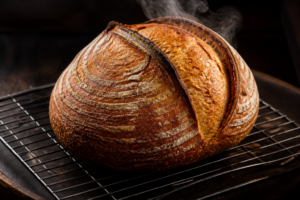
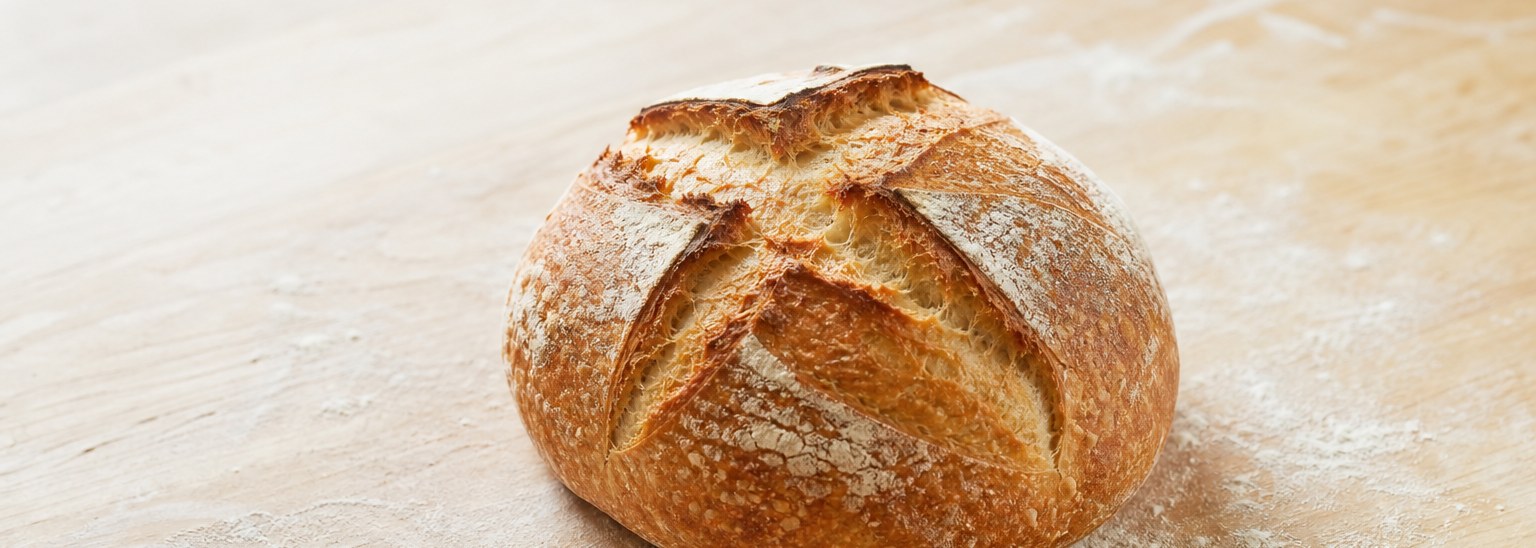
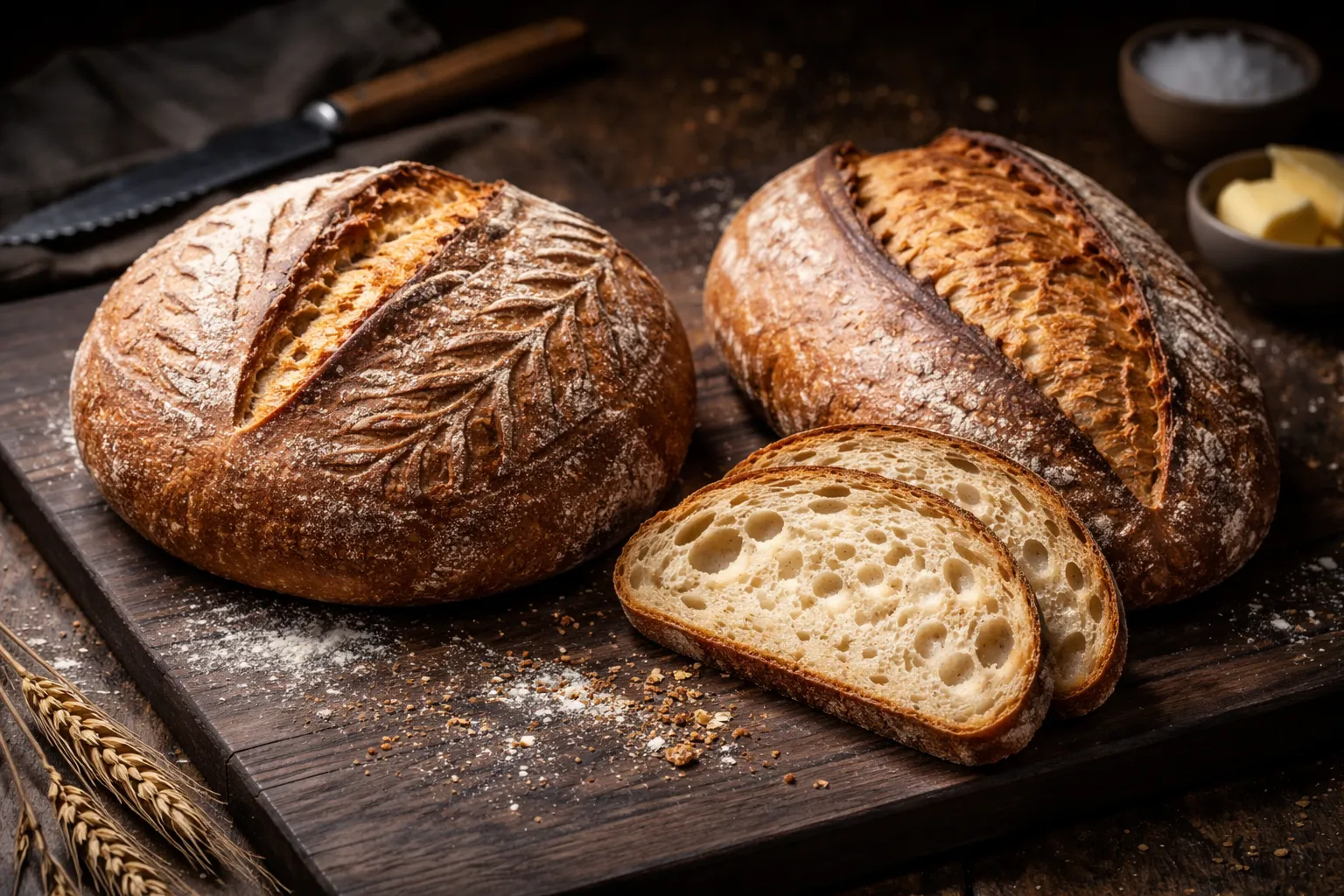
“Boule” is simply French for ball, and that’s the whole shape in a nutshell — round, domed, compact. A batard, by contrast, is elongated: an oval or torpedo form that lands somewhere between a boule and a full-length baguette. Both are classic sourdough shapes, both can turn out beautifully when handled right, and both call for their own particular technique to hit their full potential.
The Boule
Shaping a boule means pulling and tucking the dough into a taut round mound, building surface tension through a series of folds and one final drag across an unfloured counter. Once shaped, it rests in a round banneton, bakes up tall and domed, and rewards you with a satisfying cross-section once you slice in. Because the tension pulls evenly from every direction, a well-shaped boule holds its form remarkably well — as long as you’re using the correct round basket and not an oval one, a mistake I know intimately from that fateful Thanksgiving.
The Batard
Shaping a batard takes a touch more choreography. You gently flatten the dough into a rough rectangle, fold the sides toward the middle, roll it firmly toward you, and pinch the seam shut. The result is an elongated oval that fits neatly into an oval proofing basket. Batards tend to be friendlier for beginners to score — one long, confident slash does the trick — and they slice into more even pieces, which makes them great for sandwich-sized slices or loaves meant to give away.
Why Shape Actually Changes How Your Bread Bakes
Here’s the part that took me forever to really absorb: a loaf’s shape isn’t just decoration — it’s structural. The tension you build during shaping dictates exactly how the dough expands once it hits the oven’s heat. A tightly shaped boule springs upward. A well-formed batard bursts open along that long score with dramatic, ear-lifting flair. A poorly shaped loaf of either kind — say, one proofed in the wrong basket entirely — spreads sideways instead of rising, because nothing is steering that oven spring in the right direction.
Shape also influences the crumb. Round loaves tend toward a more open, airy texture near the center, since the dough sits an equal distance from every edge. Oval loaves, on the other hand, often develop a more consistent crumb from end to end, which is part of why so many bakers favor them for everyday sandwich bread.
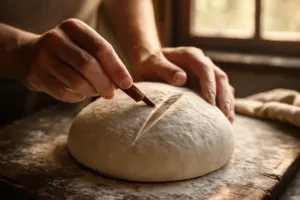
Then there’s scoring. A boule is usually finished with a cross, a square pattern, a wheat-stalk design, or a curved ear cut. A batard practically calls out for that single, confident diagonal slash that lets the whole loaf bloom open like a flower. Matching the score to the shape correctly is one of those small details that makes a disproportionately big visual difference.
Once you’ve settled on your shape, my full boule-and-batard shaping guide walks through the hands-on technique for both, and if batard is the direction you’re headed, this batard-specific guide digs deeper into the shaping and proofing details that are easiest to get wrong.
My Gear: The Bannetons I Actually Use and Recommend
After what I now refer to as the Great Thanksgiving Frisbee Incident, I finally bought the right basket for each shape, and it genuinely changed the outcome. Here’s what I currently reach for.
The Round Banneton That Actually Holds a Boule’s Shape
If you’ve ever watched a beautifully shaped boule slowly slump into a puddle during its cold proof, you already know the basket matters more than you’d expect. A sturdy round basket with a proper liner is the difference between a loaf that leaps upward in the oven and one that spreads out the way mine did at that unforgettable Thanksgiving dinner.
What works
- The thick cane weave genuinely bears the weight of the dough through a long cold proof, without sagging or leaving flat patches on the finished loaf.
- The linen liner it comes with is snug enough that dough won’t sink into the gaps between the coils, giving you cleaner scores and stronger oven spring.
- At 9 inches, it hits the sweet spot for boules — roomy enough for 500 to 750 grams of shaped dough, yet tight enough to give real structural support.
What doesn’t
- The liner has to be fully washed and completely dried between bakes, or mold will creep in — a lesson I learned the hard way after reusing a basket before it was actually dry.
- Since it’s built at 9 inches specifically for boules rather than as a dual-purpose basket, you’ll need a separate oval banneton if batards are part of your regular baking lineup.
I was skeptical that a banneton would truly fix my spreading problem until I used this one for three consecutive boules and actually got loaves that held their height. Saint Germain Bakery Premium Round Bread Banneton Basket with Liner (9 inch)
Frequently Asked Questions
What’s the difference between a sourdough boule and batard?
A boule is round and domed, shaped by pulling and tucking dough into a taut mound. A batard is elongated and oval, shaped by flattening dough into a rectangle, folding the sides toward the middle, rolling it firmly, and pinching the seam shut. Both are classic sourdough shapes with different techniques and proofing baskets.
Why does using the wrong proofing basket ruin your bread?
Using the wrong basket prevents proper tension during proofing. A boule in an oval banneton spreads sideways instead of rising upward in the oven because nothing steers the oven spring in the right direction. The correct round or oval basket holds the shaped dough’s structure, determining whether it leaps upward or flattens into a puddle.
Should I use a 9 inch round banneton for boules?
Yes, a 9-inch round banneton works well for boules, accommodating 500 to 750 grams of shaped dough while providing structural support. The thick cane weave and snug linen liner prevent dough from sinking into gaps between coils, giving you cleaner scores and stronger oven spring during baking.
How do I prevent mold in my banneton’s linen liner?
The linen liner must be fully washed and completely dried between bakes. Reusing a basket before it’s actually dry allows mold to creep in. Proper drying is essential for keeping your banneton clean and ready for the next bake.
About This Article

Written by Sam Whitaker. Sam Whitaker has been baking sourdough for over a decade, including three years baking commercially, and now works out of a home kitchen in the Pacific Northwest. Sam's eleven-year-old starter, Harold, is the foundation for every recipe and troubleshooting guide on Sourdough Rising — real bread tested over and over until it works. More about this site.
Scope and limits. Sam is a home baker with no formal culinary training. Follow current food safety guidance for storage and handling, particularly with enriched or filled doughs.
Verify this against a primary source
Specifics change, and your situation may differ from the one described here. These are the authorities worth checking directly:
- USDA FoodData Central — flour and ingredient composition data
- FoodSafety.gov — safe handling and storage