The lid had barely finished twisting off when that sharp, beery tang hit me — my discard jar had crept past its usual line again, a thin gray puddle sitting on top of the paste underneath, the telltale sign I’d let it go two days longer than I should have. That eleven-o’clock kitchen check, the night before my friend Dara’s dinner party, is the whole reason I ended up baking the batch of sourdough discard cookies that made me the most popular guest at her table. Considering some of the genuinely rough batches I’ve put out over the years, that’s not something I say lightly.
Some context first. Dara throws the kind of dinner parties people plan their week around, and her circle does not go easy on anyone’s cooking. This is a woman who baked her own croissants from scratch for a Tuesday potluck, for reference. Her friend Marco shows up with homemade gelato. My usual move is to bring wine and pray nobody quizzes me. That night, though, I’d already promised dessert, and I had nothing planned besides a fridge stuffed with discard that was about two days from becoming a science experiment.
How This Whole Recipe Happened By Accident
Full disclosure: nothing about this started with grand ambitions. My only goals were to burn through half a cup of discard and dodge the embarrassment of showing up with a bakery-aisle tart. I grabbed a standard chocolate chip cookie base, cut back on some of the liquid to make room for the discard, stirred it in, and crossed my fingers hard enough to worry about a sprain.
The dough smelled fantastic straight off — a little tangy, rich with butter, and carrying that warm, faintly yeasty note that anyone who bakes sourdough will spot instantly, while everyone else just calls it “that homemade smell.” I ran out of time and stuck the dough in the fridge overnight, which ended up being the luckiest mistake of the whole night. That cold, rested dough turns out to be doing most of the heavy lifting here, and I’ll get into exactly why shortly.
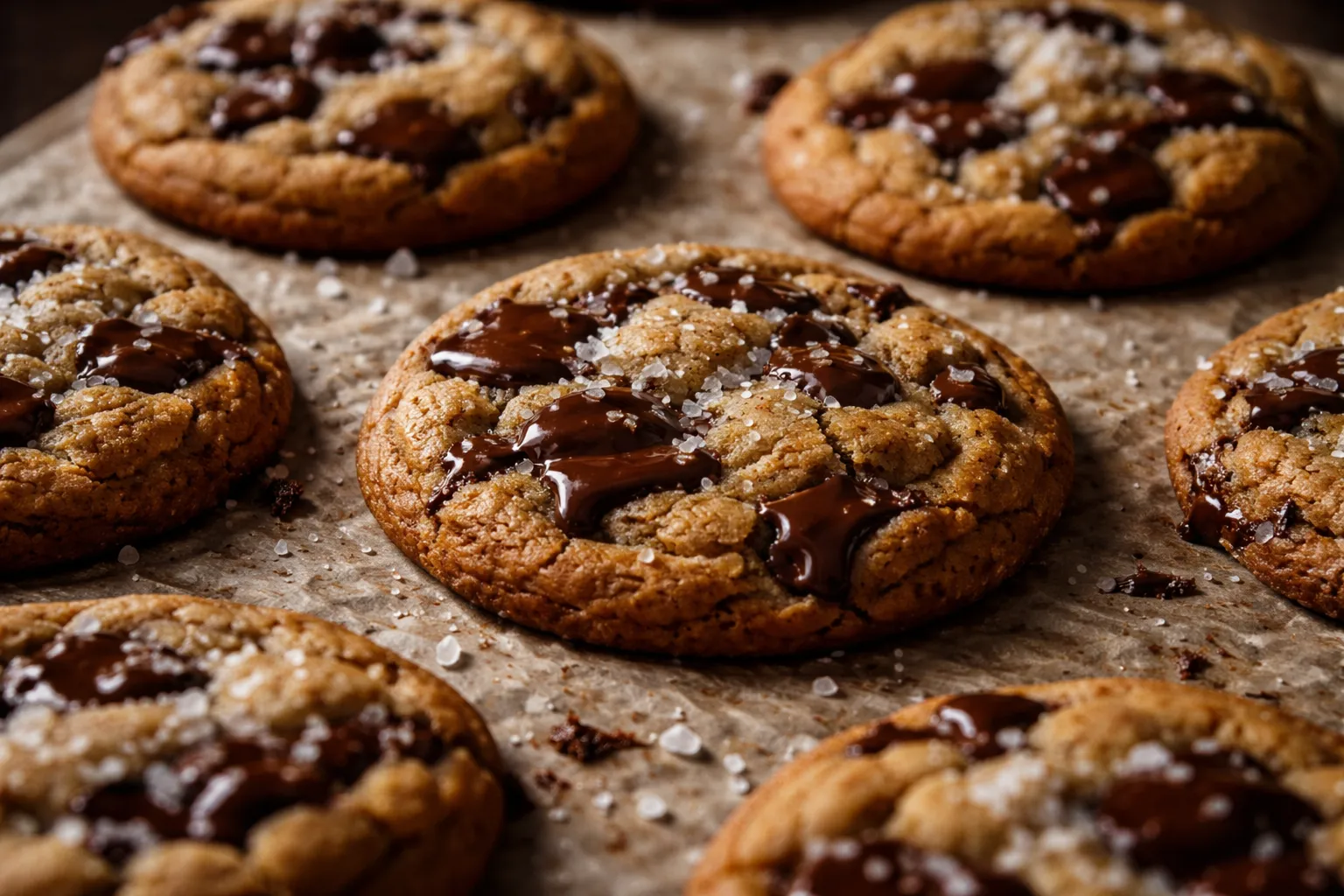
By the next afternoon I baked them, dusted the tops with a bit of flaky sea salt, and packed them into a tin. Visually, they were stunners — crisp rims, soft crinkled middles, and chocolate pooled all through the centers. I felt cautiously hopeful. Then Marco, the gelato guy, plowed through three of them back-to-back and asked for the recipe before he’d even settled into his chair. I nearly toppled out of mine.
Why Sourdough Discard Cookies Aren’t Like Regular Ones
I should walk through what’s actually going on when discard gets folded into cookie dough, because there’s real science behind it, not just a tidy excuse to avoid waste.
Discard is simply flour and water that wild yeast and bacteria have been quietly working on. That fermentation breaks down a portion of the flour’s starches and proteins, and inside a cookie, that does a handful of genuinely useful things. For one, it layers in a mild tang that offsets the sweetness and gives the flavor more dimension — nothing sour or sharp, more like the gap between a decent cookie and a really memorable one. It also nudges the crumb toward chewier and more tender territory, since those partly broken-down proteins act differently once heat hits them. And the slight acidity speeds along the Maillard reaction, meaning deeper browning, more flavor, and those beautifully caramelized edges everybody’s chasing.
The overnight chill in the fridge takes all of that further. Cold dough spreads at a slower pace in the oven, so the cookies get a head start building structure before they flatten. The payoff is a thicker, chewier cookie with more flavor underneath. At this point I treat the overnight rest as a hard rule, even on nights when I’d rather skip it.
Quick but important detail: stick with unfed discard, whether it’s fridge-cold or sitting at room temperature. Skip anything that’s active or recently fed. An active starter brings leavening power you haven’t planned for, and that can send your cookies puffing up in weird, unpredictable ways. Discard that’s been quietly aging in the fridge for a few days is exactly what you want.
What You’ll Want On Hand
Solid cookies begin with solid ingredients. Below is the exact lineup I pull together every single time I make this batch.
The Ingredient Lineup
- 150g sourdough discard
- 250g all-purpose flour
- 200g brown sugar, packed
- 100g granulated sugar
- 200g unsalted butter, softened
- 1 large egg
- 5g baking soda
- 3g salt
- 5g vanilla extract
- 250g chocolate chips
The Method, Broken Down
- Beat the butter and sugars together. Work the softened butter with both sugars until the mixture turns pale and airy, roughly 2-3 minutes.
- Work in the wet components. Mix in the egg, the discard, and the vanilla until everything’s evenly blended.
- Bring in the dry components. Scatter the flour, baking soda, and salt over the wet mixture, stir just enough to bring it together, then fold the chocolate chips through.
- Let it chill. Cover the bowl and refrigerate for at least 30 minutes — this keeps the cookies from spreading thin and gives the flavor time to deepen.
- Into the oven. Portion into 2-tablespoon balls on a parchment-lined sheet, leaving 2 inches between each, and bake at 350F (175C) for 11-13 minutes, pulling them once the edges are set but the centers still look a touch underdone.
- Let them rest on the pan for 5 minutes before moving them to a cooling rack — residual heat keeps cooking them a bit longer.
Keeping The Chocolate From Turning Into Grease Pools
Bargain-bin chocolate chips tend to break down into an oily mess in this dough — the acidity from the discard plus the long chill time exposes low-cocoa-butter fillers for exactly what they are. What I needed were chips sturdy enough to keep their shape and flavorful enough to actually taste like chocolate instead of candle wax.
Why these earn their spot
- Instead of melting into a smear across the cookie, they hold their shape and stay chewy — their cocoa butter content keeps them firm.
- The sourdough tang doesn’t drown out the chocolate flavor; there’s genuine richness and sweetness that plays off the discard’s complexity instead of losing to it.
- They pick up a light browning in the oven without scorching, adding a subtle depth that pairs nicely with the browned-butter base.
Where they fall short
- They’re pricier than the standard grocery-store bag, and that cost stacks up quickly if you’re making these on a weekly basis.
- The 12-ounce bag size is an odd choice and won’t stretch far enough if you double the batch — I end up grabbing a second bag every time.
I nearly swapped these out for a cheaper brand after the first batch felt too expensive for “just cookies,” but one taste of that difference in chew and flavor made me realize I’d been settling. GHIRARDELLI Semi-Sweet Chocolate Premium Baking Chips
Frequently Asked Questions
Can I use active starter instead of discard in cookies?
No, stick with unfed discard only. Active or recently fed starter brings leavening power you haven’t planned for, which can send your cookies puffing up in unpredictable ways. Discard that’s been quietly aging in the fridge for a few days is exactly what you want.
Why do my sourdough discard cookies spread too thin?
You likely skipped the overnight chill. Cold dough spreads slower in the oven, giving cookies a head start to build structure before they flatten. This rest is crucial for thicker, chewier cookies with better flavor. Refrigerate for at least 30 minutes before baking at 350F.
What chocolate chips work best for sourdough cookies?
Use chips with high cocoa butter content that hold their shape instead of melting into grease. Bargain-bin chips break down in this dough due to discard’s acidity plus the long chill time. GHIRARDELLI Semi-Sweet Chocolate Premium Baking Chips stay chewy and flavorful against the tangy dough.
How does sourdough discard change cookie texture and flavor?
Fermentation breaks down flour’s starches and proteins, layering in mild tang that offsets sweetness and adds dimension. The partly broken-down proteins make cookies chewier and more tender. The slight acidity also speeds the Maillard reaction, creating deeper browning and beautifully caramelized edges.
About This Article

Written by Sam Whitaker. Sam Whitaker has been baking sourdough for over a decade, including three years baking commercially, and now works out of a home kitchen in the Pacific Northwest. Sam's eleven-year-old starter, Harold, is the foundation for every recipe and troubleshooting guide on Sourdough Rising — real bread tested over and over until it works. More about this site.
Scope and limits. Sam is a home baker with no formal culinary training. Follow current food safety guidance for storage and handling, particularly with enriched or filled doughs.
Verify this against a primary source
Specifics change, and your situation may differ from the one described here. These are the authorities worth checking directly:
- USDA FoodData Central — flour and ingredient composition data
- FoodSafety.gov — safe handling and storage