This post contains affiliate links. As an Amazon Associate, I earn from qualifying purchases at no extra cost to you.
Six months into my sourdough journey, I was still getting flat, dense loaves with no structure. My dough kept spreading sideways during the final proof instead of building upward. A friend suggested I needed a proper banneton basket, so I started researching. That search eventually led me to this Superbaking banneton set beginner review — and honestly, it changed how I approach proofing entirely. If you’re in the same frustrated spot I was, keep reading.
Before I found this set, I was proofing dough in a flour-dusted mixing bowl covered with a tea towel. It worked, sort of. But my loaves never had that gorgeous spiral pattern or the tight, rounded shape I kept seeing in photos online. Worse, my dough kept sticking, deflating, and losing tension when I transferred it to the Dutch oven. Something had to change.
I started watching YouTube tutorials and reading sourdough forums obsessively. Nearly every experienced baker pointed to the same tool: a rattan banneton with a linen liner. That’s when I began seriously comparing products and eventually landed on the Superbaking Banneton Bread Proofing Basket, Sourdough Bread Baking Supplies, Round 9 Inch Sourdough Starter Kit.
Why I Chose the Superbaking Banneton Set for Beginners
There are dozens of bannetons on Amazon. Many look nearly identical at first glance. So why did I land on Superbaking specifically? A few reasons stood out immediately during my research phase.
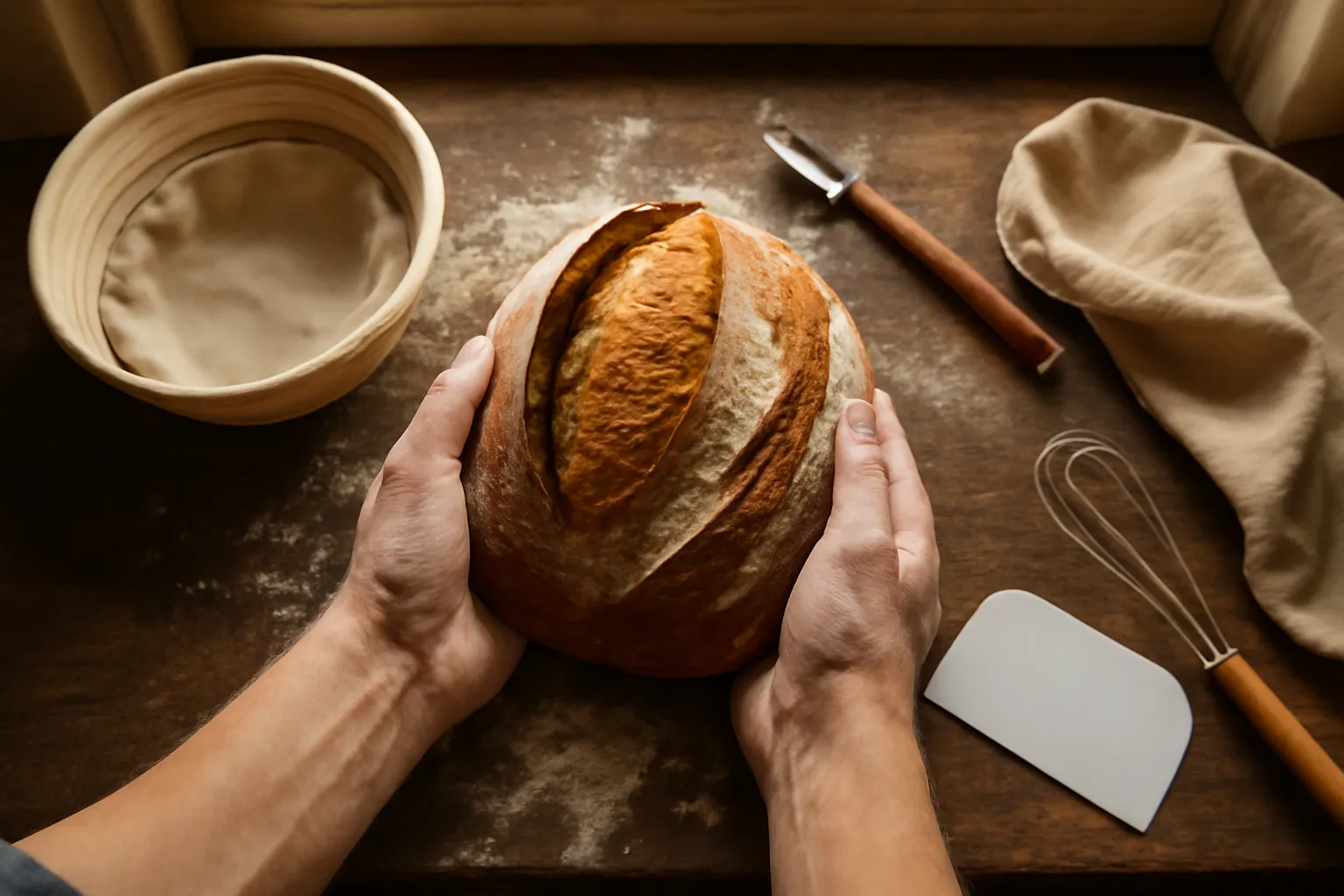
First, the kit includes more than just the basket. A lot of cheaper options sell you a bare banneton and nothing else. As a beginner, I needed guidance, not just gear. The Superbaking set comes with a linen liner, a dough scraper, a bread lame with extra blades, a cleaning brush, and a recipe booklet. Getting all of those tools together in one package felt like a genuine starter kit rather than a single accessory.
Second, the reviews consistently mentioned beginner-friendly quality. Many reviewers described themselves as new to sourdough, which felt relatable. They mentioned clear stitch spacing on the rattan, good basket depth, and a liner that actually stayed put. That specificity built trust for me. Third, the price point sat comfortably in the mid-range — not so cheap that I worried about durability, not so expensive that a beginner purchase felt risky.
First Impressions: Unboxing and Build Quality
The package arrived in about two days. Opening it, I was genuinely surprised by how complete everything felt. Each item came neatly arranged, and nothing looked flimsy or thrown together.
The 9-inch round basket itself is the star. The rattan coils are tightly wound and smooth to the touch. There are no sharp splinters anywhere, which I honestly worried about after reading complaints on some competing products. The spiral pattern is deep enough to create real definition on your crust. Holding it, the basket feels solid and well-constructed without being heavy.
The linen liner fits snugly inside the basket. It doesn’t bunch up or slide around, which matters a lot when you’re trying to dust it with flour evenly. The bread lame has a comfortable handle, and the blades are genuinely sharp out of the box — always a good sign. The dough scraper is rigid enough to actually cut through dough rather than just bending uselessly. Small detail, but it matters.
One honest note: the included recipe booklet is basic. It covers the fundamentals, but experienced bakers won’t find anything new there. For a true beginner, though, having even a simple visual reference in the box is genuinely helpful.
My Testing Protocol: How I Put It to Work
I tested this set over approximately eight weeks, baking two to three loaves per week. My standard recipe uses 450 grams of bread flour, 325 grams of water, 90 grams of active starter, and 9 grams of salt. Hydration sits around 72%, which is manageable but still requires proper proofing support.
My routine looked like this: after bulk fermentation and shaping, I placed the dough seam-side up into the rattan basket without the liner first. I wanted to test whether the bare rattan left a visible spiral pattern on the crust. Then I tried several bakes using the linen liner instead, to compare how each method affected sticking and surface texture.
Each shaped loaf went into the fridge for a cold retard of 10 to 14 hours. In the morning, I scored the dough directly from the fridge and baked it in a preheated Dutch oven at 500°F for 20 minutes covered, then 20 minutes uncovered. I repeated variations of this process consistently throughout the testing period to get a fair picture of the basket’s performance.
What Actually Changed in My Baking
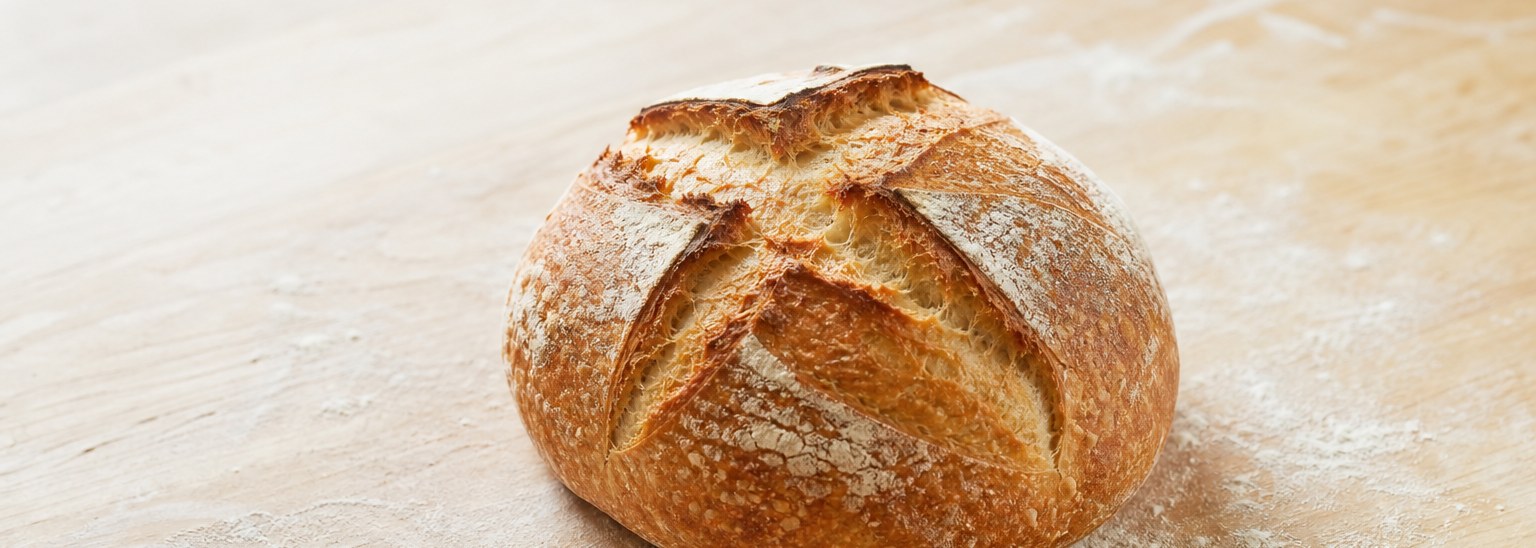
The difference was noticeable from the very first bake. Seriously. My loaves started holding their shape during the final proof in a way they never had with a mixing bowl. That outward spread I kept fighting? Gone. The dough built upward, stayed taut, and transferred cleanly to the Dutch oven without deflating.
By week two, my oven spring improved noticeably. The structure I built during shaping was actually surviving the proof, which meant the dough had more energy to expand in the oven. My scores opened up dramatically compared to before. That alone made the purchase feel worthwhile.
Using the bare rattan produced a beautiful spiral imprint on the finished crust. Using the liner gave a smoother exterior with less defined patterning — useful to know depending on the look you want. Both approaches released cleanly after dusting with rice flour, which I’d recommend over all-purpose flour for preventing sticking.
I’ll be honest: around week three, I had a moment of real doubt. One loaf stuck badly to the basket mid-testing. I’d rushed the dusting, and the dough tore when I tried to release it. My first instinct was to blame the basket. But after reviewing my process, the fault was entirely mine — I hadn’t used enough flour and the dough was slightly over-proofed. Once I corrected both issues, sticking was never a problem again. That experience actually taught me more about proofing than the previous month of struggling had.
The lame made a real difference too. Scoring with a sharp, curved blade versus a basic kitchen knife is not a subtle improvement — it’s night and day. My ears started forming properly, and my scores looked intentional rather than ragged.
The Downsides Worth Knowing
No product is perfect, and this one has a few genuine limitations worth mentioning before you buy.
- Sizing is fixed at 9 inches: This fits dough recipes in the 700g to 900g range comfortably. If you’re regularly baking larger loaves of 1kg or more, you’ll outgrow this basket fairly quickly.
- Only one basket included: If you want to bake two loaves at the same time, you’ll need to purchase a second basket separately. That’s a real inconvenience if batch baking is part of your routine.
- Maintenance requires attention: Rattan bannetons need to dry completely between uses. If you store it while still damp, mold can develop. This isn’t unique to Superbaking — it’s true of all rattan bannetons — but beginners should know going in.
- The recipe booklet is thin: Helpful as a quick reference, but it won’t replace a proper sourdough guide or recipe resource. Treat it as a bonus, not a tutorial.
- Lame blades dull with time: The included replacement blades are a thoughtful touch, but you’ll eventually need to reorder. Worth keeping a spare pack on hand.
None of these are dealbreakers. But they’re worth factoring into your decision, especially if your baking habits lean toward larger or higher-volume production.
Final Verdict: Superbaking Banneton Set Beginner Review
After eight weeks of consistent use, my conclusion is straightforward. The Superbaking Banneton Bread Proofing Basket, Sourdough Bread Baking Supplies, Round 9 Inch Sourdough Starter Kit, Proofing Basket for Baking, Bread Making Supplies Tools, Banneton Basket Gift Set is one of the most complete entry points into sourdough baking I’ve found at this price. It delivers on its core promise — better-shaped, better-structured loaves — and the included accessories are genuinely useful rather than filler.
Buy This If You Are:
- A new sourdough baker who wants everything in one package
- Struggling with dough that spreads instead of rising upward
- Looking for a thoughtful gift for someone getting into bread baking
- Baking standard single-loaf recipes in the 700g–900g range
- Someone who wants a lame and scraper without sourcing them separately
Consider Skipping If You Are:
- Regularly baking large loaves over 1kg
- Already well-equipped and just need a second basket
- Looking for an oval banneton shape specifically
- Planning to bake two loaves simultaneously as a regular habit
For most beginners buying their first banneton, this is an easy recommendation. The build quality is solid, the full kit eliminates the guesswork of piecing tools together, and the results speak clearly in your finished loaves.
What If You Want Two Baskets Right Away?
If batch baking is already on your radar, there’s a smart alternative worth considering. The Superbaking 2 pcs Banneton Bread Proofing Basket, 9″ Splinter-Free Round Rattan Bread Basket with Liners, Sourdough Starter Kit, Sourdough Bread Baking Supplies & Sourdough Kit, Bread Making Tools gives you two baskets and two liners in a single purchase. You won’t get the lame or scraper included in the single-basket kit, so it’s a slightly different trade-off. However, if you know you’ll want to proof two loaves at once from the start, buying the two-piece set from the beginning makes more practical and financial sense than purchasing a second basket later.
Both options come from the same brand and deliver the same core rattan quality. Your choice really comes down to whether you prioritize the complete accessory kit or the two-basket convenience. Either way, Superbaking consistently delivers reliable build quality that holds up well over repeated use.
“`