Half the sourdough advice floating around online will tell you a French culture and a San Francisco culture are basically interchangeable — feed either one, bake, done. The other half insists you need a completely separate schedule for each or the loaf just won’t work. The first claim is the one that’s dead wrong, and I proved it to myself the hard way when a dumb labeling mistake nearly wrecked three months of side-by-side testing.
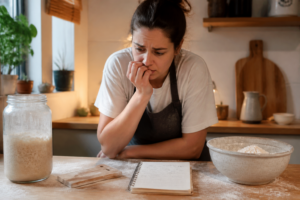
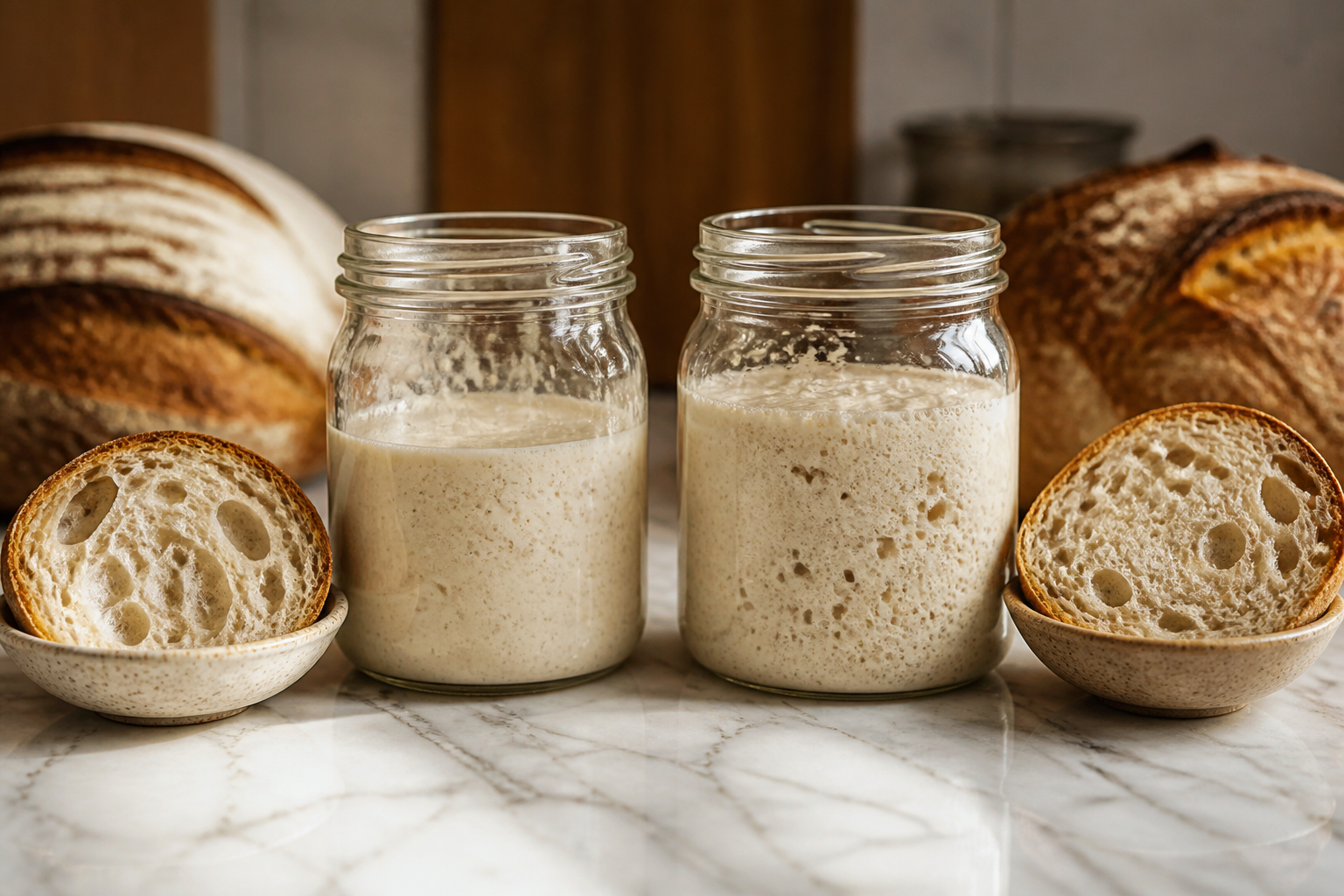
Picture it: 6 AM on a Saturday, two mason jars sitting on my counter looking like twins. One was supposed to be my treasured San Francisco culture, alive with that sharp, tangy edge. The other was a French starter I’d been nursing along for weeks, chasing the layered, nuanced flavors I remembered from bakeries in Lyon.
Here’s the catch — I’d scrawled the same marker on both jars, and the humidity in my kitchen had smeared the labels into illegible blobs. There was no way to tell which jar was which anymore. And both of them were about to go into that day’s dough.
That flash of dread sent me into weeks of digging and testing, and it completely rewired how I think about the whole French-versus-San-Francisco starter question. Here’s everything I ended up figuring out.
| Starter Type | Microbes | Flavor Profile | Optimal Fermentation | Crumb Character |
|---|---|---|---|---|
| San Francisco | Saccharomyces cerevisiae + Lactobacillus sanfranciscensis | Bold, vinegary tang | 12-hour warm ferment | Open, irregular |
| French | Mixed wild yeasts + Lactobacillus plantarum and other strains | Gentle, layered sourness with toasted nuts, caramel, fruit notes | 48-hour cold ferment | Fine, even |
French Starters vs. San Francisco Starters: It’s Not Just a Matter of Geography
Before I get back to my mix-up, let me lay out what genuinely separates these two cultures. Eleven years into home baking, including a few years spent turning out weekend batches for neighbors and friends, I can say with confidence: the starter you pick shapes your final loaf far more than most recipe cards let on.
A San Francisco starter runs on a specific wild yeast strain (Saccharomyces cerevisiae) paired with the bacterium Lactobacillus sanfranciscensis. That combination is what produces the so-called “San Francisco sourness” — a bold, sometimes near-vinegar tang that gives the bread its punch. Expect a more open, irregular crumb, a darker, more dramatic crust, and a flavor that doesn’t hold anything back.
A French starter, on the other hand, typically carries a different mix of wild yeasts alongside Lactobacillus plantarum and other lactobacillus strains. What you get is a gentler, more layered sourness — tangy, but never sharp. You’ll pick up notes of toasted nuts, caramel, sometimes even fruit. The crumb tends to be finer and more even. It’s a quieter loaf, but there’s real depth sitting underneath.
These aren’t just surface-level flavor differences — they come from two genuinely distinct microbial communities, shaped by different climates and centuries of separate baking traditions.
The Accidental Test That Showed Me What Each Starter Was Really Doing
So there I was with two unlabeled jars and no way to sort them out. First reaction: panic. Second reaction: wait, this is actually a perfect controlled experiment.
I split the dough into two equal batches. One went into the fridge for a slow, cold 48-hour ferment — the pace a French starter needs to reveal its subtler side. The other got a warm, fast 12-hour ferment on the counter — the aggressive timeline San Francisco starters thrive on.
The difference was obvious the instant I scored each loaf.
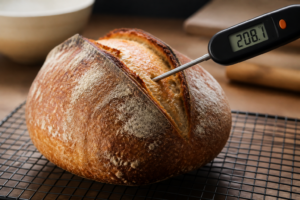
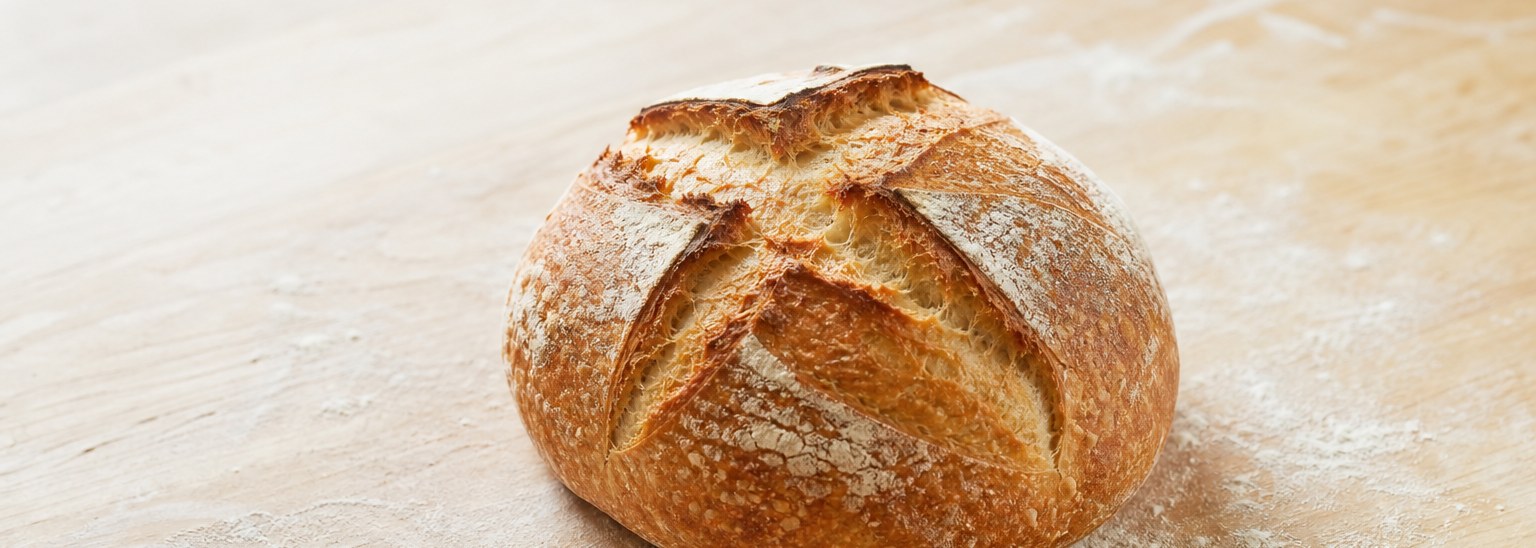
The cold-fermented loaf sprang open with this beautiful, lacy oven spring. The crust baked up a deep mahogany. But the flavor, once I cut into it, was composed and elegant — sourness that was present but soft-spoken, with wheaty, faintly sweet undertones I wasn’t expecting.
The warm-fermented loaf was a completely different animal. It practically burst open in the oven, the crust charring nearly black in spots. And the taste hit immediately — full funk and tang, no subtlety whatsoever. The crumb ran looser and more open. It had that aggressively delicious, unmistakably Bay Area quality everyone pictures when they think San Francisco sourdough.
I still had zero idea which jar belonged to which starter. But now I understood exactly what each culture was capable of.
Why Fermentation Temperature and Timing Change Everything
Here’s the lesson from my accidental side-by-side: every starter culture has a rhythm it wants to ferment at, and forcing it into a different one is like handing a jazz player a classical score and expecting the same performance.
San Francisco starters move quickly and hit their signature tang in a hurry. Short, warm fermentations are their sweet spot. Put one through a 48-hour cold ferment instead, and the bread you get is flatter and honestly less interesting — the tang gets muted, and that lively energy just disappears.
French starters need the opposite: a long, cool ferment to show off their complexity. Rush one through a warm, fast rise, and you end up with something sharp and one-dimensional, nothing close to authentic French bread. You’re pushing the bacteria into overdrive and skipping right past the slow yeast activity that builds all that nuance.
This changed how I think about recipe design from the ground up. Picking a starter isn’t about which name you like better — it’s about committing to the fermentation approach that culture actually needs.
The Twist That Finally Solved the Jar Mystery
Three weeks into all this testing, I was in the middle of photographing loaves for Instagram when my mom called. Turns out she’d stopped by that chaotic Saturday morning, and, being the helpful parent she is, had snapped a photo of both jars before the labels smeared into nothing. She’d texted it to herself and completely forgotten about it — until she happened to scroll back through old messages.
I laughed so hard I nearly dropped the phone.
The cold-fermented loaf really had come from my French starter. The warm-fermented loaf really was my San Francisco culture. I’d guessed it exactly right without knowing.
But here’s the actual payoff: that accidental experiment became the framework I used for talking starters with the neighbors and friends I baked big batches for every weekend. I stopped saying “use this starter for this bread” and started asking instead: what kind of sourness are you chasing? How much time do you actually have? What’s your kitchen running at, temperature-wise? Once we answered those, the right starter picked itself.
The Backup Culture That Kept My Side-by-Side Comparisons Honest
Testing two living cultures against each other only works if one of them is steady enough to serve as your control — something you can trust to behave the same way while you’re the one changing variables. A mature, proven starter takes the guesswork out of whether your results are coming from technique or from an unpredictable culture doing its own thing.
Where it delivers
- Showed up already mature and vigorous — no weeks-long wait to get it going, and it performed the same way bake after bake, across multiple tests.
- Delivered that classic San Francisco tang every single time, which made it instantly obvious whenever my other starter was behaving differently.
- Recovered fast after neglect — I once left it forgotten at the back of the fridge for three weeks — which gave me the confidence to run back-to-back experiments without worrying.
Where it falls short
- Getting it fully activated took longer than I’d hoped — closer to 5 days before it was truly reliable, not the optimistic 2–3 days I’d planned around.
- The tang is consistent, but it’s also intense; if subtle, delicate notes are what you’re after, this culture will overpower them rather than work alongside them in your dough.
I questioned whether it was worth the money when I could just wait out my own culture, but that doubt lasted exactly one bake—the moment I realized I could actually trust my comparison data. If you’re doing side-by-side experiments or just need a bulletproof San Francisco starter, grab the Living Dough 233 Year Old San Francisco Sourdough Starter Culture.
Frequently Asked Questions
What’s the difference between French and San Francisco starters?
San Francisco starters contain Saccharomyces cerevisiae yeast and Lactobacillus sanfranciscensis, producing bold, vinegary tang with open crumb and dark crust. French starters carry different wild yeasts with Lactobacillus plantarum and other strains, creating gentler, layered sourness with notes of toasted nuts, caramel, or fruit, plus finer crumb.
How long should I ferment San Francisco sourdough?
San Francisco starters thrive on warm, fast fermentations. Sam’s testing showed a 12-hour warm ferment brought out the signature tang and aggressive character these cultures are known for, while longer cold ferments muted the flavor and reduced the distinctive energy.
How long should I ferment French sourdough?
French starters need long, cool fermentations to reveal their complexity. Sam’s testing used a 48-hour cold ferment, which produced a beautiful oven spring, deep mahogany crust, and composed, elegant sourness with wheaty undertones that warm ferments cannot achieve.
Can I use San Francisco starter like a French starter?
Forcing a San Francisco starter into a French fermentation schedule produces flatter, less interesting bread—the tang gets muted and that lively energy disappears. Each culture has a fermentation rhythm it needs; picking a starter means committing to the approach that culture actually requires.
About This Article

Written by Sam Whitaker. Sam Whitaker has been baking sourdough for over a decade, including three years baking commercially, and now works out of a home kitchen in the Pacific Northwest. Sam's eleven-year-old starter, Harold, is the foundation for every recipe and troubleshooting guide on Sourdough Rising — real bread tested over and over until it works. More about this site.
Scope and limits. Sam is a home baker with no formal culinary training. Follow current food safety guidance for storage and handling, particularly with enriched or filled doughs.
Verify this against a primary source
Specifics change, and your situation may differ from the one described here. These are the authorities worth checking directly:
- USDA FoodData Central — flour and ingredient composition data
- FoodSafety.gov — safe handling and storage