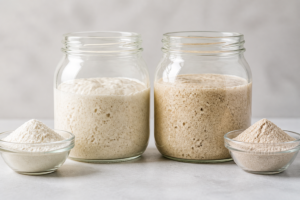
Two hundred and some loaves in, I still hadn’t questioned the one ingredient sitting quietly in nearly every bake: salt. For years I reached for whatever container sat nearest on the pantry shelf, and that meant Diamond Crystal kosher salt by default — cheap, familiar, always in stock. Then I started reading about bakers swapping in Celtic sea salt, and a nagging thought took hold: maybe my salt choice had been quietly capping how good my sourdough could taste. Was switching salt really enough to shift the flavor of my crumb?
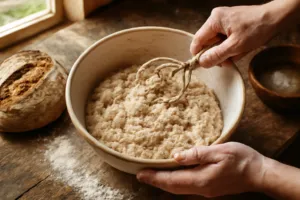
That thought wouldn’t let go of me. By then I’d racked up something like 200 sourdough bakes. Hydration was locked in, my starter was performing reliably, and my shaping technique had come a long way from where I started. Still, each slice landed a little flat on the tongue — nothing wrong exactly, just missing the layered complexity I remembered from loaves at bakeries I trusted. One question kept resurfacing: could the salt itself be the missing piece?
| Attribute | Diamond Crystal Kosher Salt | Celtic Sea Salt Fine Ground |
|---|---|---|
| Crystal shape | Bigger kosher flakes | Fine grind |
| Dissolution in dough | Leaves stray gritty crystals | Melts uniformly while mixing |
| Salty spots in crumb | Overly salty spots occur | Avoids oversalted pockets |
| Flavor profile | Flat on the tongue | Richer, more layered taste |
| Mineral makeup | Contains iodine | Iodine-free |
| Cost per pound | Noticeably cheaper | Noticeably pricier |
| Measurement method | Volume-for-volume works | Must weigh; aim for 2% of flour weight |
| Storage in humidity | Clumping occurs | Zip-top bag keeps clumping at bay |
How One Salt Swap Reshaped the Flavor of My Crumb
Two hundred loaves deep into running Diamond Crystal on autopilot, I decided I needed a real answer: would trading it for Celtic sea salt actually move the needle on flavor? The two salts differ in mineral makeup and crystal shape at a fundamental level, and I wanted to find out whether that difference showed up in an actual finished loaf, not just on paper.
Where It Delivers
- Its fine grind melts into the dough uniformly while mixing, so you avoid the stray gritty crystals that used to leave overly salty spots in my crumb back when I used the bigger kosher flakes.
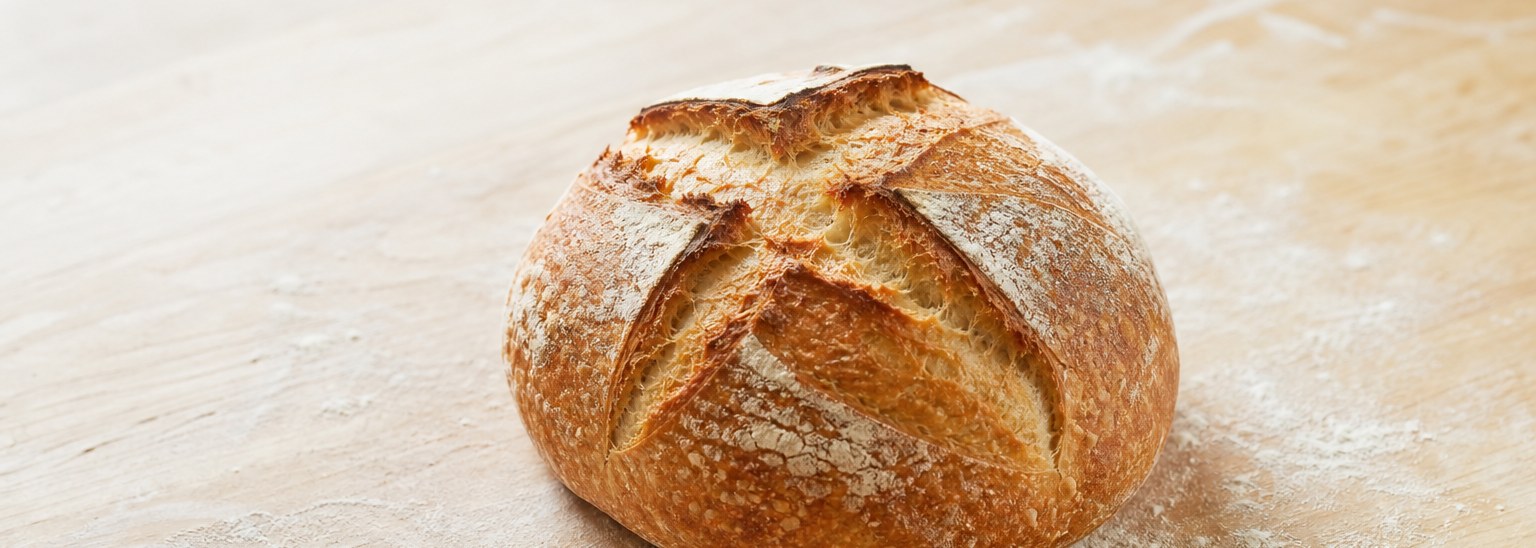
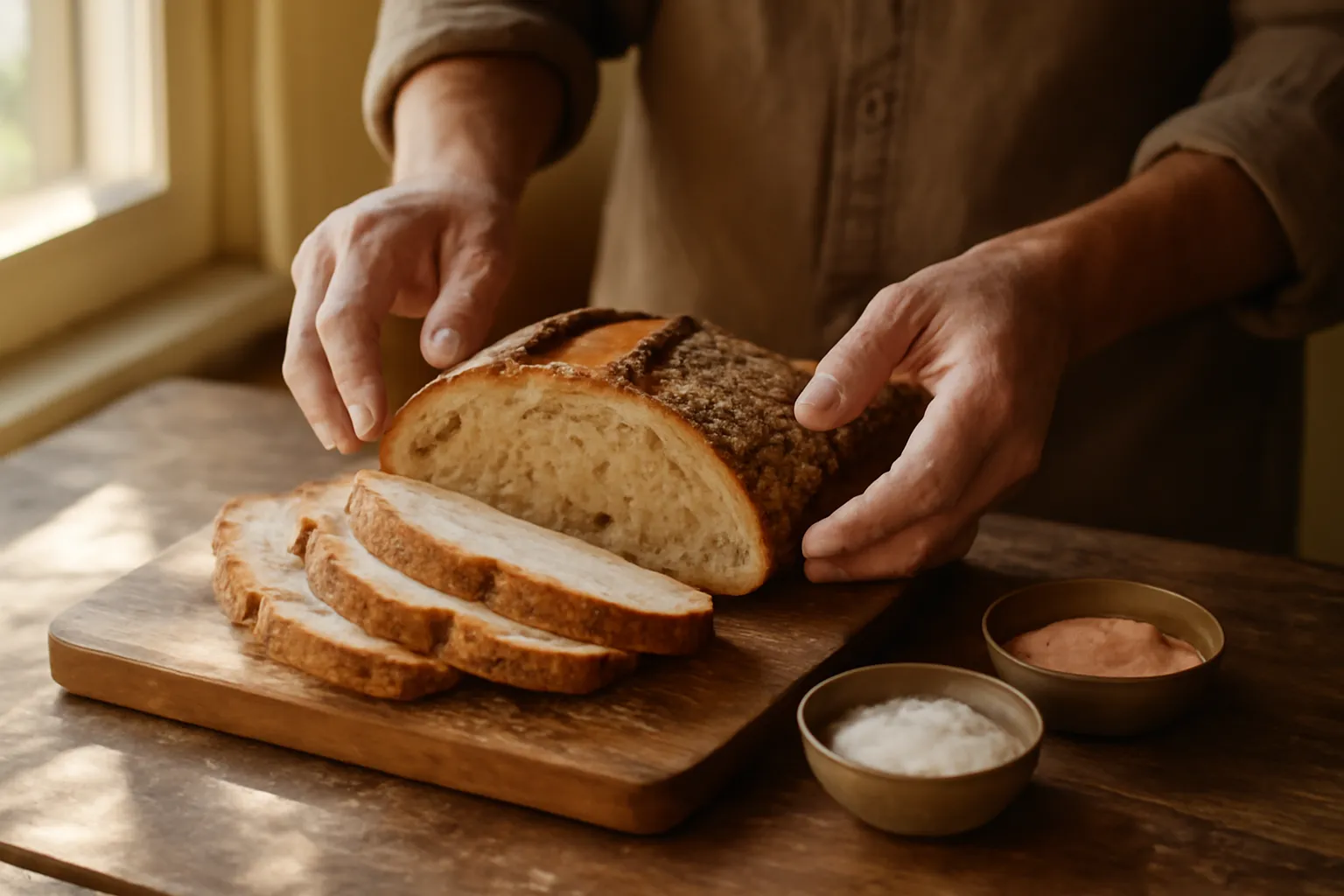
- The baked loaf carries a noticeably richer, more layered taste — that iodine-free mineral makeup coaxes out faint tangy notes in the crumb that used to stay buried with my previous salt.
- That zip-top bag it comes in keeps clumping at bay even when my kitchen turns humid, which counts for something if you bake through every season and every humidity swing.
Where It Falls Short
- Per pound, it runs noticeably pricier than Diamond Crystal, so if you’re turning out several loaves a week, expect your salt spending to creep upward.
- Because of its mineral density, a straight volume-for-volume swap with kosher salt doesn’t work — weigh it instead, aiming for 2% of your flour weight as the benchmark, or you risk pushing your dough into over-salted territory.
I second-guessed myself halfway through my first batch because the dough felt slightly different during lamination — less slippery, which made me worry I’d messed up the hydration — but the finished loaf proved the texture change was just the salt doing its job. Celtic Sea Salt Fine Ground – Unrefined Mineral Salt, Sustainably Harvested, GMP Certified, Lab Tested – Baking, Cooking, Hydration, Everyday Use – 1 lb Resealable Bag
Frequently Asked Questions
Does Celtic sea salt really change sourdough flavor?
Yes. The iodine-free mineral makeup coaxes out faint tangy notes in the crumb that stayed buried with Diamond Crystal kosher salt. The baked loaf carries a noticeably richer, more layered taste compared to what Sam experienced over roughly 200 previous bakes.
Can I swap Celtic sea salt one-to-one with kosher salt?
No, don’t use volume-for-volume swaps due to Celtic sea salt’s mineral density. Weigh it instead, aiming for 2% of your flour weight as the benchmark, or you risk pushing your dough into over-salted territory.
Why does Celtic sea salt cost more than Diamond Crystal?
Per pound, Celtic sea salt runs noticeably pricier than Diamond Crystal kosher salt. If you’re turning out several loaves a week, expect your salt spending to creep upward, though the finer grind delivers more uniform flavor distribution throughout your crumb.
Will Celtic sea salt prevent salty spots in sourdough?
Yes. Its fine grind melts into the dough uniformly while mixing, so you avoid stray gritty crystals that used to leave overly salty spots in Sam’s crumb when using bigger kosher flakes.
About This Article

Written by Sam Whitaker. Sam Whitaker has been baking sourdough for over a decade, including three years baking commercially, and now works out of a home kitchen in the Pacific Northwest. Sam's eleven-year-old starter, Harold, is the foundation for every recipe and troubleshooting guide on Sourdough Rising — real bread tested over and over until it works. More about this site.
Scope and limits. Sam is a home baker with no formal culinary training. Follow current food safety guidance for storage and handling, particularly with enriched or filled doughs.
Verify this against a primary source
Specifics change, and your situation may differ from the one described here. These are the authorities worth checking directly:
- USDA FoodData Central — flour and ingredient composition data
- FoodSafety.gov — safe handling and storage