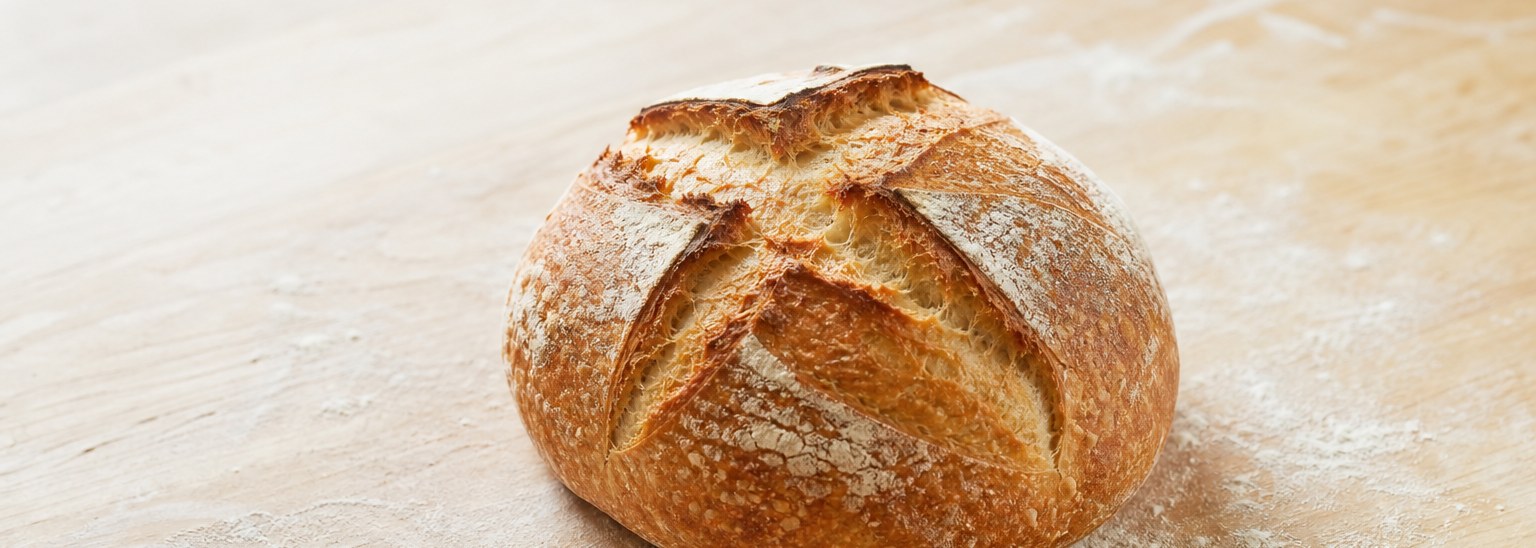
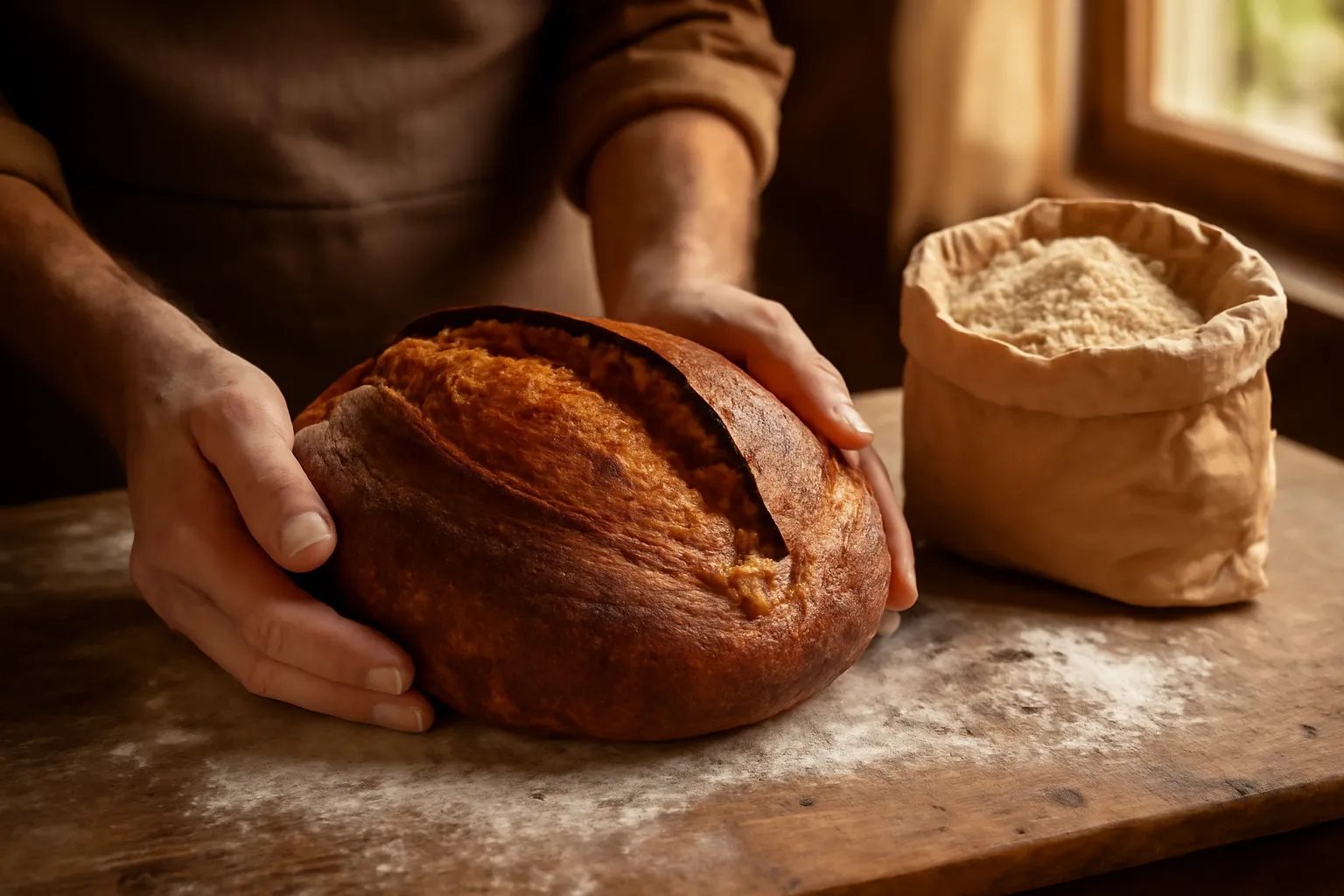
Back in year six or seven of feeding my starter, I went through a stretch where every loaf that came out of my oven tasted right but looked like it had never seen daylight — flat, pale, no shine, none of that deep amber crackle I’d admired in other bakers’ photos for years. Bake after bake, I chalked it up to a near miss and kept fiddling. I pushed my hydration around, played with autolyse timing, cranked the oven hotter and then colder — and none of it touched the actual problem, which was crust color and that satisfying shatter when you cut in.
Then, almost as a throwaway comment in a sourdough forum I lurk in, another baker mentioned diastatic malt powder like it was no big deal — just casually said it had completely reshaped her bakes. I brushed it off at first. How was a single ingredient going to solve something I’d been wrestling with for the better part of six months? Even so, I bookmarked the idea and kept digging. The deeper I got into the enzyme science behind it, the more it clicked into place, and eventually curiosity won out — I ordered a bag and stopped debating.
What happened next turned into one of the most rewarding little kitchen experiments I’ve run in years. Here’s the full rundown: the product I picked, how I put it through its paces, what actually shifted in my loaves, and the places where it still falls short. If you’re weighing whether diastatic malt belongs in your sourdough process, hopefully this spares you some of the guesswork I went through.
| Dosage Level | Crust Color | Crumb Texture | Fermentation Effect |
|---|---|---|---|
| 1–2% by weight | Deepens at ~15 min into bake | Brittle and crackly | Normal timeline |
| Over 2% by weight | Over-developed | Turns gummy | Speeds up excessively |
The Powder That Turned My Washed-Out Loaves Into Bakery-Grade Bread
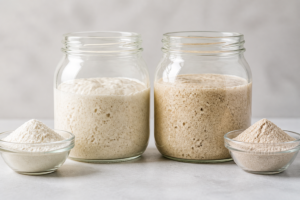
Diastatic malt powder is packed with enzymes that break down the starches in your dough, and that’s exactly what kicks off real browning — not a shallow, surface-level tint, but genuine crust development that unfolds while the loaf bakes. If amber, deeply colored crusts have been eluding you no matter what you try, this is likely the piece you’re missing.
Where it delivers
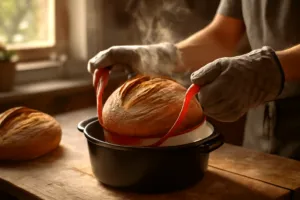
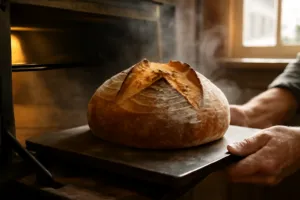
- Color starts showing up roughly 15 minutes into the bake — you can literally watch the crust deepen in the oven instead of staring at something that stays flat and colorless the whole time.
- Crust texture takes a real leap too, turning noticeably more brittle and crackly when you slice in, and this holds true even on wetter, higher-hydration doughs that usually give me trouble in that department.
- You only need a small dose — I stick to 1–2% of total flour weight — which means an 8 oz. bag stretches across dozens of bakes before you’re anywhere near needing more.
Where it falls short
- Go past 2% by weight and things start slipping — the crumb can turn gummy, and fermentation can speed up so much that your whole timeline gets away from you.
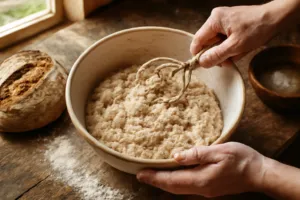
- The powder itself carries a strong, earthy-sweet aroma that isn’t for everyone at first whiff, and it tends to clump unless you whisk it into cold water before it hits the rest of your dough.
I almost returned my first bag because I misjudged the ratio and ended up with a loaf that over-fermented and collapsed — but once I dialed in 1.5% by weight, the difference was immediate and undeniable. Grab Breadtopia Organic Diastatic Malt Powder 8 oz. | Non-GMO Malted Barley Flour | No Additives, No Sugar, & No Fillers | Milled from Whole Malted Barley Kernel and measure carefully — your next bake will thank you.
Frequently Asked Questions
How much diastatic malt powder should I add to my sourdough?
Sam uses 1–2% of total flour weight. Going past 2% by weight can turn the crumb gummy and speed up fermentation too much, throwing off your timeline. Sam dialed in 1.5% by weight for the best results and recommends measuring carefully.
When does crust color start showing with malt powder?
Color starts showing roughly 15 minutes into the bake, so you can watch the crust deepen in the oven instead of it staying flat and colorless the whole time. The crust texture also becomes noticeably more brittle and crackly when you slice in.
How long does one bag of diastatic malt powder last?
An 8 oz. bag stretches across dozens of bakes before you need more. Sam has used one 8 oz. bag through dozens of loaves, so the small dose of 1–2% by weight makes it very economical for home bakers.
How do I prevent diastatic malt powder from clumping in dough?
Whisk the powder into cold water before adding it to the rest of your dough. This prevents clumping and ensures even distribution. The powder itself carries a strong, earthy-sweet aroma, so mixing it in cold water first also helps integrate it smoothly.
About This Article

Written by Sam Whitaker. Sam Whitaker has been baking sourdough for over a decade, including three years baking commercially, and now works out of a home kitchen in the Pacific Northwest. Sam's eleven-year-old starter, Harold, is the foundation for every recipe and troubleshooting guide on Sourdough Rising — real bread tested over and over until it works. More about this site.
Scope and limits. Sam is a home baker with no formal culinary training. Follow current food safety guidance for storage and handling, particularly with enriched or filled doughs.
Verify this against a primary source
Specifics change, and your situation may differ from the one described here. These are the authorities worth checking directly:
- USDA FoodData Central — flour and ingredient composition data
- FoodSafety.gov — safe handling and storage