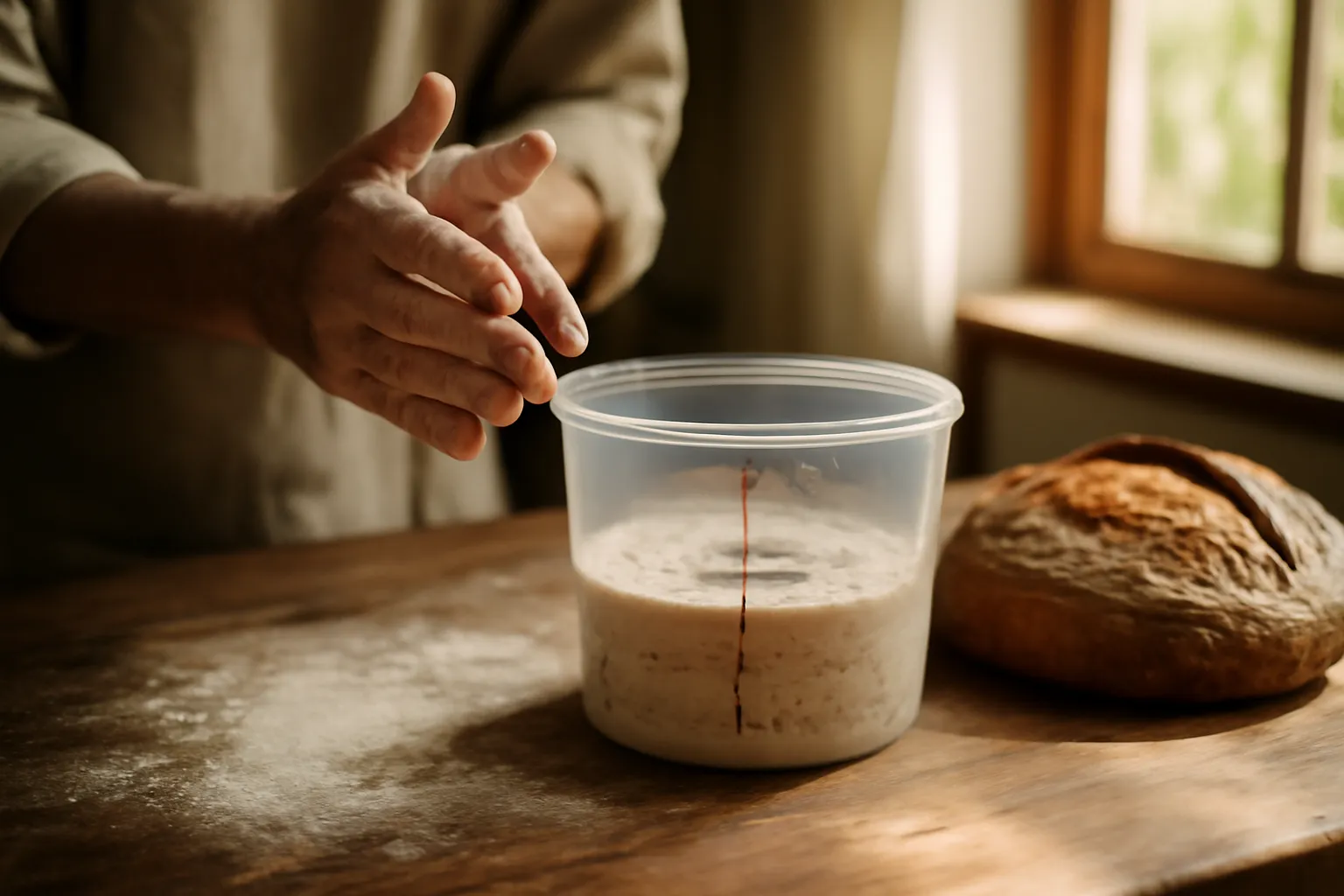
Right now my hands are buried in dough inside an old ceramic mixing bowl, plastic wrap peeled back just enough to check on things, and I genuinely have no clue how far along this bulk ferment actually is. For years that was the entire routine — mixing in a bowl I couldn’t see through, guessing at rise, treating every bake like a coin toss. That constant not-knowing is what sent me hunting for a better vessel, and after digging through options, I ended up building my whole process around a Cambro container sourdough bulk ferment setup. It changed everything, and I’ve never gone back to guessing since.
Watching how your dough moves through bulk fermentation might be the single most useful skill you can build as a sourdough baker. Skip the clear, straight-sided container and you’re essentially working with your eyes closed. My results proved it — some loaves collapsed from overproofing, others came out tight and gummy from underproofing. Something needed to give before I burned through another bag of good bread flour.
| Container Type | Visibility | Lid Seal | Drawback |
|---|---|---|---|
| Ceramic bowl | Opaque — cannot see dough | N/A | Requires guessing at fermentation progress |
| Cambro 6-quart (polycarbonate) | Transparent walls | Snug but not airtight | Walls fog after 1-2 years of washing |
| Cambro (polycarbonate) | Clear, marked vessel | Prevents surface crust, no pressure buildup | Lids not interchangeable across sizes |
How This Clear Container Made Bulk Fermentation Visible for the First Time
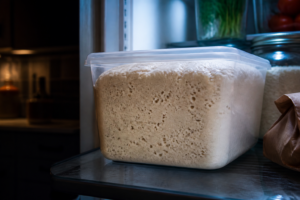
That ceramic bowl was basically a blindfold. I had no way of knowing where my dough sat in its bulk ferment, so I’d swing between collapsed, overproofed loaves and dense, underdeveloped crumb. Switching to a transparent, marked vessel flipped the whole equation — I could finally watch the fermentation happen in real time instead of guessing at it.
Where This Container Earns Its Keep
- Because the walls are transparent, you can watch the dough’s progress without popping the lid and knocking the gas out of it — no more guesswork, just trusting what your eyes tell you.
- At 6 quarts, there’s plenty of headroom for wetter doughs to expand without spilling over, and the rounded corners actually let you scrape the dough out cleanly once bulk is finished.
- The lid closes snugly enough to stop the dough’s surface from crusting over, yet it isn’t a true airtight seal, so you’re not risking a pressure buildup that could pop the container open mid-ferment.
Where It Falls Short
- Since it’s polycarbonate rather than glass, a year or two of steady washing will fog up the walls a bit, making it a touch tougher to judge your rise precisely.
- The lids aren’t interchangeable across different Cambro sizes, so once you start collecting more than one container — and most of us do — you’re stuck buying a separate lid for each.
I did wonder once, around month three, if I’d overpaid for what’s essentially a fancy bucket—then I caught an overproof dough mid-bulge because I could actually see it happening, and I knew this thing had paid for itself. If you’re ready to stop flying blind during bulk ferment, grab the Cambro RFS6PP190 Camwear 6-Quart Round Food Storage Container with Lid.
Frequently Asked Questions
What container does Sam use for bulk fermentation?
Sam uses a Cambro RFS6PP190 Camwear 6-Quart Round Food Storage container. The transparent walls let him watch dough ferment in real time without opening the lid and degassing it, eliminating the guesswork that plagued his earlier ceramic bowl routine.
Why is a clear container better for sourdough bulk ferment?
A transparent, marked vessel lets you watch fermentation happen in real time instead of guessing. Sam’s results improved dramatically once he could see his dough’s progress—he stopped getting collapsed, overproofed loaves and dense, underdeveloped crumb from underproofing.
Does the Cambro container lid need to be airtight?
No. The Cambro lid closes snugly enough to stop the dough’s surface from crusting over, but it isn’t a true airtight seal. This prevents the dough’s surface from drying while avoiding pressure buildup that could pop the container open mid-ferment.
What’s the main downside of a polycarbonate Cambro?
After a year or two of steady washing, the polycarbonate walls fog up a bit, making it slightly tougher to judge your rise precisely. Additionally, Cambro lids aren’t interchangeable across different sizes, so you need a separate lid for each container.
About This Article

Written by Sam Whitaker. Sam Whitaker has been baking sourdough for over a decade, including three years baking commercially, and now works out of a home kitchen in the Pacific Northwest. Sam's eleven-year-old starter, Harold, is the foundation for every recipe and troubleshooting guide on Sourdough Rising — real bread tested over and over until it works. More about this site.
Scope and limits. Sam is a home baker with no formal culinary training. Follow current food safety guidance for storage and handling, particularly with enriched or filled doughs.
Verify this against a primary source
Specifics change, and your situation may differ from the one described here. These are the authorities worth checking directly:
- USDA FoodData Central — flour and ingredient composition data
- FoodSafety.gov — safe handling and storage