How a Silicone Sling Ended My Parchment Paper Struggles in the Dutch Oven
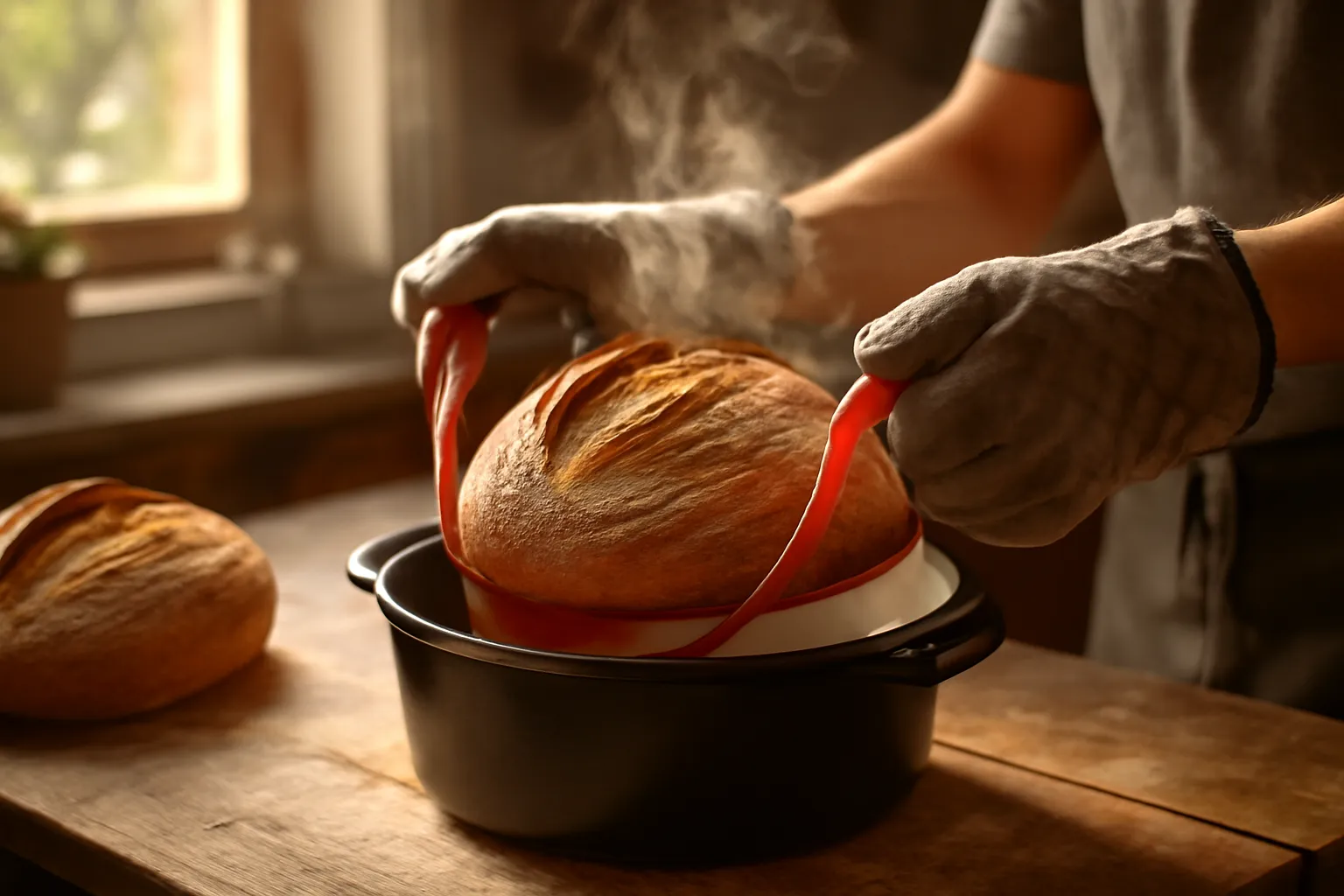
Nearly every home baker treats the banneton-to-Dutch-oven handoff as a fixed cost of baking — you tear off parchment, wrestle the dough onto it, and hope for the best, assuming that’s just how it’s done. It isn’t. That cold, faintly tacky dough round can move without tearing, without a scramble, and without you burning your knuckles on 500-degree ceramic, and a silicone bread sling is the reason why — it hands you real grips and a firm base so the loaf glides in rather than sagging halfway through the drop.
One hundred bakes in a row with the same sling have shown me precisely where this thing earns its keep and where it still comes up short. Anyone currently fighting torn parchment, trying to score bread one-handed while balancing a scorching lid, or watching dough weld itself to whatever surface is underneath deserves the full breakdown below.
Why That Split-Second Handoff Makes or Breaks the Bake
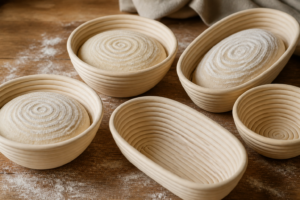
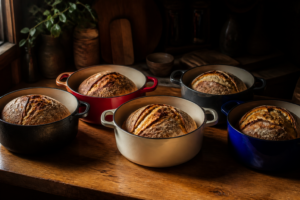
That short window — lifting shaped dough out of the banneton and lowering it into a screaming-hot Dutch oven — is exactly where nerve tends to fail most bakers. The loaf is at its shakiest point right then: fridge-cold, gluten wound tight and jumpy, so a single clumsy move flattens your boule or opens a jagged tear where your score was supposed to go. Throw in the odds of a steam burn and the sheer clumsiness of maneuvering inside a scorching ceramic pot, and fumbling starts to feel inevitable.
Parchment has long been the default fix, except it brings baggage of its own — it rips without much provocation, clings to dough on humid days, and demands constant repositioning right in the middle of the move. A silicone sling flips the whole equation: rather than crossing your fingers that dough will release off a sheet of paper, you’re setting it onto a purpose-built, reusable base made specifically to handle this exact moment.
Where This Tool Genuinely Delivers
- Grip length is generous enough to keep your hands well away from the Dutch oven’s rim — no more leaning through steam clouds or brushing the hot sides while you settle the loaf into place.
- That silicone surface stays slick enough that chilled, faintly sticky dough releases cleanly every time, and that hasn’t changed even past 100 bakes of steady use.
- It comes in a pair of shapes — oval and round — so the sling can actually match your loaf’s contour instead of you forcing a rectangular sheet of parchment into a circular pot.
Across a hundred bakes, that two-piece set has handled almost every shape I throw at it. The oval slides batards and elongated boules in without a fuss, and the round one is built for my go-to 9-inch banneton loaves. Owning both means I never have to stop and calculate whether the shape will fit right when I should be focused on scoring.
Longevity has surprised me the most. Dozens of round trips through a 500°F Dutch oven, plus countless in-and-out transfers, and the silicone hasn’t cracked, yellowed, or gone tacky. Rinsing it under warm water takes seconds — none of the stuck-on flour or crust residue that parchment tends to hang onto.
The Downsides Worth Knowing About
- Very wet or underproofed dough can still slip a little during the move — this sling helps with logistics, it doesn’t paper over a technique problem.
- The sling holds onto both heat and moisture, which means pulling it out mid-bake requires caution — more than once I’ve reached for tongs because grabbing it bare-handed simply wasn’t an option.
That second issue blindsided me the first few times around. The sling heats up right along with the Dutch oven itself, so anyone accustomed to grabbing bakeware bare-handed needs to recalibrate. I now keep a pair of silicone tongs close by, dedicated to pulling that sling out once the bake hits the 20-minute mark.
Getting the Timing Right Took a Few Tries
One bake had me convinced the sling had somehow bonded to the underside of my loaf — turned out I’d simply left it under there too long past the score, which was my mistake, not a flaw in the product. Its job is finished quickly, and it needs to be pulled before the dough fully sets up. Now I pull it around the 20-to-25-minute mark, once the crumb structure has firmed enough to hold its own shape without any extra support.
Fundamentals haven’t stopped mattering. An underproofed or overly wet dough still won’t be rescued by this sling during a rough transfer. But once your basics are dialed in, this tool quietly removes one of the more stressful steps from the whole process.
My Bottom Line After 100 Bakes
If you’re tired of the parchment paper shuffle and want a transfer method that actually works, grab the Sourdough Silicone Bread Sling for Dutch Oven, 2PCS Non-Stick Reusable Baking Mat with Long Handles, Essentials Bread Making Supplies for Dough Transfer and Loaf Pan Lifter Liner, Set Of Oval & Round. After 100 bakes, it’s earned a permanent place on my counter.
Pull the sling around the 20-to-25-minute mark, once the crumb structure has firmed enough to hold its own shape without extra support. Leaving it under the dough too long past the score can make it seem bonded to the loaf, though that’s operator error rather than a product flaw. No. Very wet or underproofed dough can still slip during the transfer — the sling helps with logistics but doesn’t fix technique problems. Your fundamentals need to be dialed in for the sling to work reliably. Use silicone tongs rather than grabbing it bare-handed. The sling heats up right along with the Dutch oven itself, so it becomes too hot to touch during the bake. Keep tongs dedicated to pulling the sling out. The sling comes as a two-piece set in oval and round shapes. The oval slides batards and elongated boules in without fuss, and the round one is built for standard banneton loaves like a 9-inch round.Frequently Asked Questions
When should I remove the silicone bread sling during baking?
Will a silicone bread sling work with wet or underproofed dough?
How do you safely remove a hot silicone bread sling from the Dutch oven?
What shapes does the silicone bread sling come in?
About This Article

Written by Sam Whitaker. Sam Whitaker has been baking sourdough for over a decade, including three years baking commercially, and now works out of a home kitchen in the Pacific Northwest. Sam's eleven-year-old starter, Harold, is the foundation for every recipe and troubleshooting guide on Sourdough Rising — real bread tested over and over until it works. More about this site.
Scope and limits. Sam is a home baker with no formal culinary training. Follow current food safety guidance for storage and handling, particularly with enriched or filled doughs.
Verify this against a primary source
Specifics change, and your situation may differ from the one described here. These are the authorities worth checking directly:
- USDA FoodData Central — flour and ingredient composition data
- FoodSafety.gov — safe handling and storage