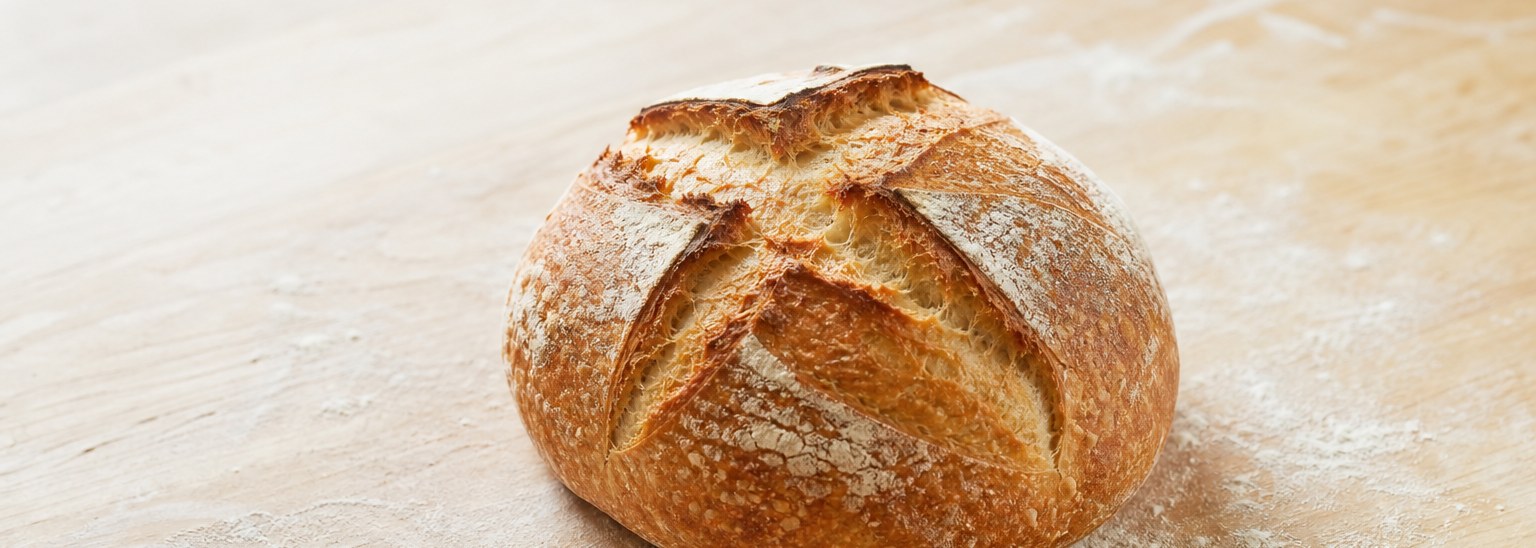
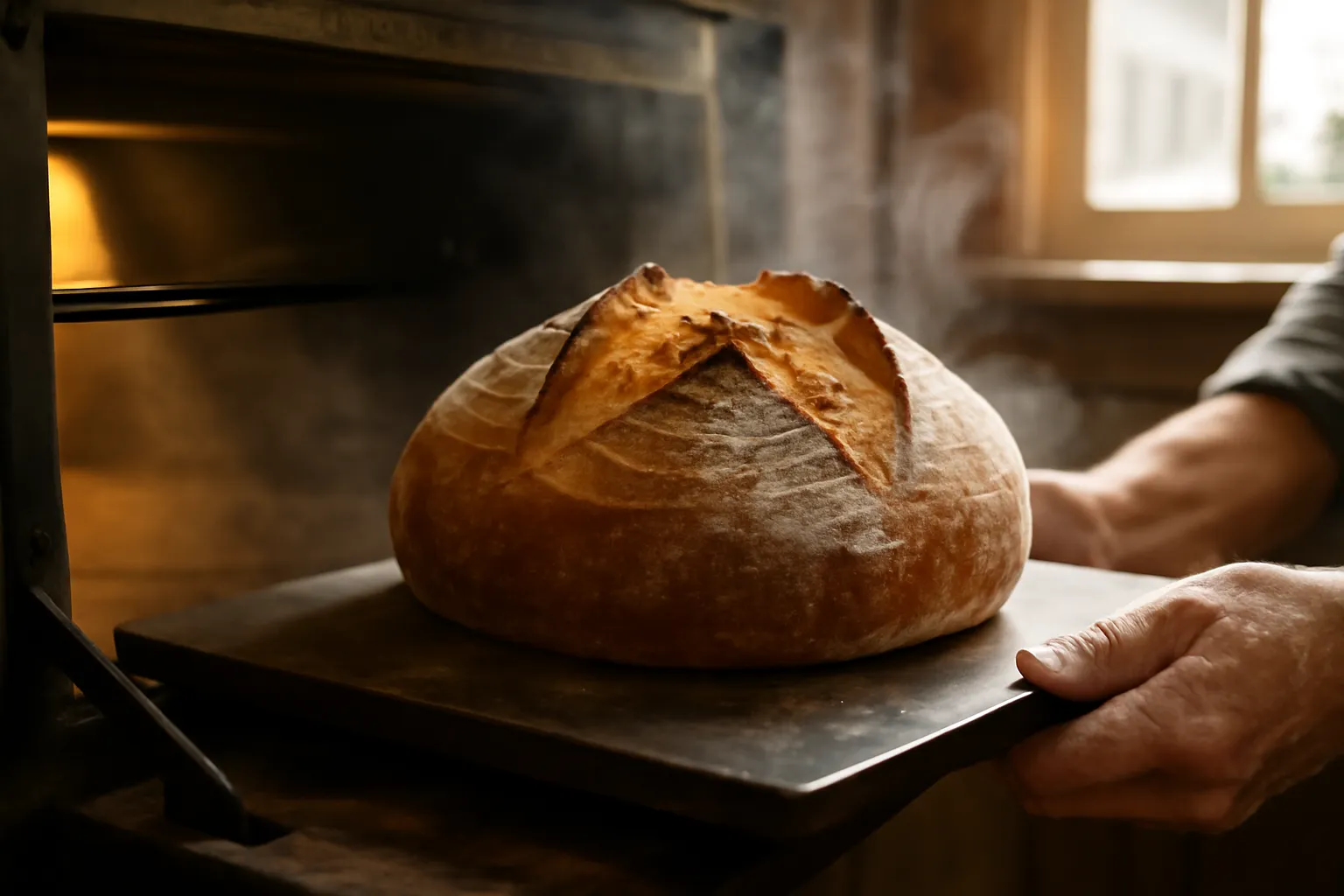
Don’t chase a taller rise or a bigger ear until you’ve solved how your oven holds heat — nothing else matters until that’s fixed. That’s the hard lesson two straight years of flat sourdough loaves taught me. Not pancake-flat, exactly, but nowhere close to the dramatic, blown-open, camera-ready rounds I kept scrolling past online. I had good flour, a lively starter, and scoring that should have worked just fine. Still, loaf after loaf came out of that oven looking like a half-deflated football. It wasn’t until I plowed through a pile of baking steel sourdough bread review posts and forum threads that the real culprit clicked into place: my oven simply wasn’t retaining enough heat where it counted. That discovery sent me down a rabbit hole that ended with a 19-pound slab of steel sitting on my kitchen floor.
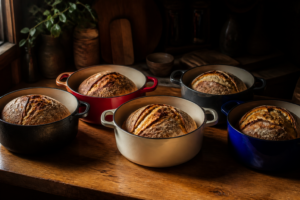
My home oven tops out at 500°F, which on paper sounds like plenty. In reality, every time I cracked the door to slide my Dutch oven in, the temperature inside dropped hard, and it took long enough to recover that my dough had already set before any real oven spring could kick in. People on the sourdough subreddit kept pointing me toward one of two fixes: a better Dutch oven, or a baking steel. I already had a Dutch oven I liked, so steel it was.
Six months and more than 40 loaves later, all baked on that same slab, my oven spring barely resembles what I used to pull out of that oven. Here’s the unfiltered version of that experience — what surprised me, what annoyed me, and whether I think it’s worth the money for a home baker in your position.
The Slab That Finally Gave My Loaves Real Lift
Steel transfers heat into dough far more aggressively than a standard wire oven rack ever will, and that punch of bottom heat is exactly what pushes a loaf upward instead of letting it spread flat. Of everything I tried, switching to steel was the one change that turned my flat loaves into ones with genuine height and character.
Where it delivers
- That 1/4-inch thickness banks heat unlike anything else I’ve tried — I can feel how quickly the crust locks in during those first few minutes, and the oven spring shows up immediately instead of fading out halfway through the bake.
- At 19.2 pounds, it barely loses temperature when you crack the oven door to score — a problem that used to wreck my bakes back when I was working off a thin rack.
- The 14×20 footprint holds two loaves comfortably side by side, so I can bake a whole week’s worth of bread in a single session with no rotating or stacking required.
Where it falls short
- Plan on a full 30 to 40 minutes for preheating — this isn’t something you can toss into the oven ten minutes before baking the way you might with a Dutch oven.
- Pulling it out of a scorching oven safely is its own small ordeal — the weight makes it awkward to grip, and I’ve come uncomfortably close to dropping it more than once.
I’ll admit, my first few bakes on steel made me nervous—the loaves rose so fast I second-guessed whether they were actually proofed enough, and I almost pulled one out early thinking it was overproofed. But that anxiety melted the moment I saw the real ear and actual height. ThermiChef 14×20 Pizza Steel
Frequently Asked Questions
Does a baking steel really improve oven spring?
Yes. Steel transfers heat into dough far more aggressively than a standard wire rack, and that bottom heat pushes loaves upward instead of letting them spread flat. After six months baking over 40 loaves on steel, Sam’s oven spring doubled compared to his previous results with a Dutch oven.
How long do you need to preheat a baking steel?
Plan on a full 30 to 40 minutes for preheating. This is significantly longer than preheating a Dutch oven, which can go into the oven about ten minutes before baking.
Can you bake two loaves on a 14×20 baking steel?
Yes. The 14×20 footprint holds two loaves comfortably side by side, so you can bake a whole week’s worth of bread in a single session with no rotating or stacking required.
What makes a baking steel better than a wire rack?
Steel’s 1/4-inch thickness banks heat unlike a thin rack—the crust locks in quickly during the first few minutes and oven spring shows up immediately. At 19.2 pounds, steel barely loses temperature when you crack the oven door to score, which used to wreck bakes on standard racks.
About This Article

Written by Sam Whitaker. Sam Whitaker has been baking sourdough for over a decade, including three years baking commercially, and now works out of a home kitchen in the Pacific Northwest. Sam's eleven-year-old starter, Harold, is the foundation for every recipe and troubleshooting guide on Sourdough Rising — real bread tested over and over until it works. More about this site.
Scope and limits. Sam is a home baker with no formal culinary training. Follow current food safety guidance for storage and handling, particularly with enriched or filled doughs.
Verify this against a primary source
Specifics change, and your situation may differ from the one described here. These are the authorities worth checking directly:
- USDA FoodData Central — flour and ingredient composition data
- FoodSafety.gov — safe handling and storage