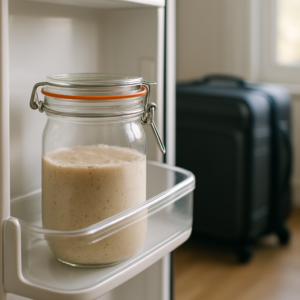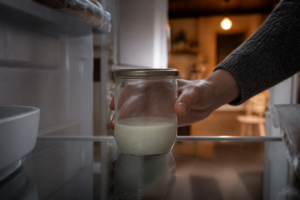
Reaching into the back of the fridge one Sunday afternoon for leftover pasta, my hand landed on a mason jar I didn’t immediately recognize — shoved behind the mustard and a block of cheese that had seen better days, topped with a layer of gray-brown liquid like something out of a ghost story. That was Harold, my starter, and I’d apparently forgotten he existed. For four solid months. I’ll spare you my first reaction, but the second one was simpler: could this thing possibly still be alive? If you’ve ever pulled a jar like that from your own fridge and wondered whether bringing a neglected sourdough starter back from the brink is even realistic, here’s my answer: it is, and I’ve got the loaf to prove it. Plenty of posts out there cover the basics of starter revival in general terms. This one’s different — it’s a blow-by-blow account of what happened when I tried it on a starter that had sat far longer than most of those guides ever plan for.
I wish I could claim I’d tucked my starter into the fridge with some kind of plan — a clear label, a mental reminder, a feeding schedule waiting in the wings, the way careful bakers do it. Nope. Late October, feeling overwhelmed by the holiday season, I stuck it in there telling myself I just needed a short break from baking. Then, predictably, life took over. By the time February arrived, I’d genuinely lost track of the fact that the starter still existed. It was my husband who rediscovered Harold’s jar while cleaning out the fridge shelves, presenting it to me the way a cat drops a dead bird at your feet — half proud, half grossed out. “Is this thing… still living?” he asked. Honestly, I had zero idea.
| Revival Stage | Timeline | Signs | Action |
|---|---|---|---|
| Day 1 | First feeding | Near-black hooch layer, sharp smell | Discard hooch, feed 1:1:1 ratio |
| Days 2–3 | Second and third feedings | Pinprick bubbles, paint thinner smell | Feed twice daily, keep at 78°F |
| Day 4 | Fourth feeding | Visible bubbles, rise, tangy yogurt smell | Continue twice-daily feeding |
| Days 5–6 | Fifth and sixth feedings | Doubling in 6–8 hours, consistent strength | Ready to bake by day 6 |
| 4-month dormancy vs. 3-week dormancy | Expected timeline | 4 months: 6 days to reliable doubling; 3 weeks: bubbles within 24–48 hours | Plan for roughly one week, not three days |
What’s Really Going On Inside a Starter That’s Been Dormant For Months
Once I started digging into this, one thing eased my panic considerably: a starter parked in the fridge for months isn’t dead — it’s just in an extremely deep sleep. Cold slows down both the yeast and the bacteria to a near-crawl, which is precisely the mechanism that makes refrigeration a viable long-term storage method in the first place. Plenty of home bakers report starters surviving anywhere from five to six months of total neglect at the back of a fridge — hooched over, gray, looking absolutely grim, yet still very much alive underneath. My four-month mark landed comfortably inside that window, though I had no clue about any of this at the time.
What caught me off guard was just how different an extreme case like mine behaves compared to a starter that’s only been sitting a week or two. Most revival tutorials — including one I wrote myself about a milder three-week rescue — talk about bubbles showing up within 24 to 48 hours of waking a starter up. Four months of cold storage throws that whole timeline out the window. Here’s exactly how it played out, day by day.
My Four-Month Starter Revival, Day by Day
Day 1. I set Harold on the counter for a few hours to let him warm up to room temperature. Lifting the lid revealed something worse than I’d braced for — nearly half an inch of near-black liquid pooled on top, and a smell sharp enough to sting my eyes from clear across the kitchen. I dumped out almost all of the hooch, chipped away the dried crust that had formed around the inner rim of the jar, and discarded down to roughly a tablespoon of usable starter underneath. That tablespoon got a standard 1:1:1 feeding — equal weights of starter, warm filtered water, and unbleached flour — then I covered it loosely and left it alone. Twenty-four hours later: nothing. Not one bubble.
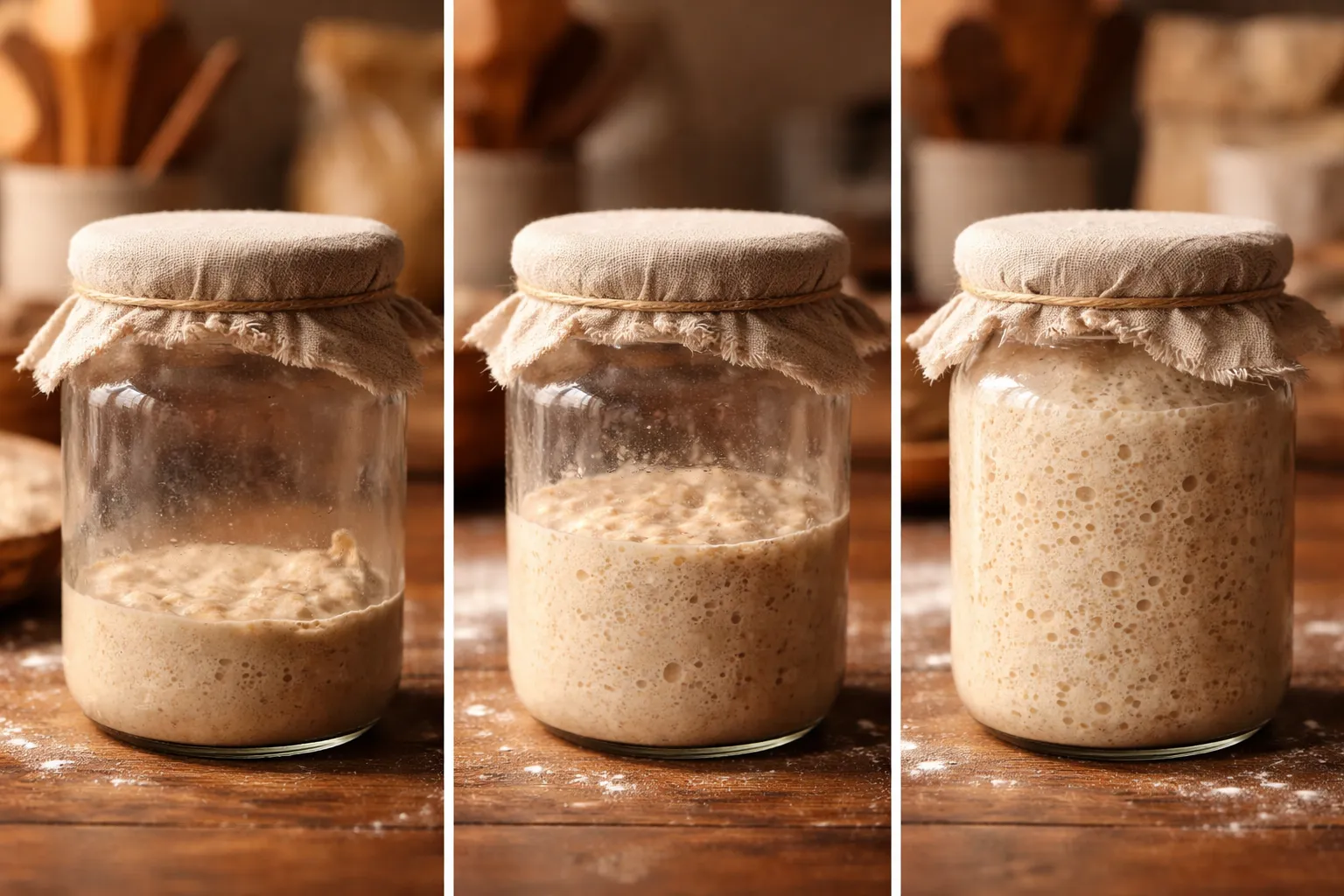
Day 2-3. This stretch is exactly where I would have thrown in the towel if I hadn’t already read enough to brace myself for a slower timeline. Activity stayed essentially invisible — a handful of pinprick-sized bubbles if I squinted, nothing resembling the rise I was used to seeing. Both mornings I fed it again at that same 1:1:1 ratio and kept it somewhere warm, around 78°F. The smell hadn’t mellowed either — still sharp, closer to paint thinner than bread dough. Had this been the three-week-dormant starter I’d revived once before, I’d have expected real signs of life by this point. This one simply wasn’t there yet, and I had to remind myself that “not ready” doesn’t mean “not happening.”
Day 4. At last — actual bubbles, a rise I could see, and a smell that had finally moved on from nail-polish remover to something closer to tangy yogurt. Everything shifted here. I stuck with the twice-a-day feeding schedule.
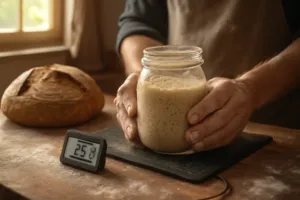
Day 5-6. By day five, Harold was consistently doubling in size within roughly 6 to 8 hours of being fed, which is right around his usual healthy pace. I gave him one extra full day of feedings just to confirm that strength was holding steady rather than a fluke, and by day six I felt confident enough to bake with it. The resulting loaf came out a touch flatter and denser than my typical bake — less oven spring, a tighter crumb — but it rose, it tasted unmistakably like sourdough, and it genuinely felt like a comeback worth celebrating.
How Long-Term Neglect Changes the Revival Process
If you’re dealing with a starter that’s been forgotten for months instead of weeks, here’s what to actually expect — and how it differs from a shorter dormancy:
- Plan on roughly a week, not three days. Most “bring your starter back” timelines assume a few days of neglect, not several months. Mine needed six full days to reach reliable doubling — build that into your expectations instead of panicking when day two shows zero change.
- Brace for a longer silent stretch. A starter that’s only dormant for a few weeks will often bubble within a day or two of its first feeding. Mine stayed essentially flat for the first three days straight. That’s not failure — it means the culture is rebuilding its numbers from a much smaller surviving population.
- The odor clears up slowly. Count on several rounds of feeding with a genuinely rough, solvent-like smell before things start smelling like sourdough again — that’s normal chemistry, not a bad sign.
- Resist the urge to discard more in the name of speed. On day two I nearly scrapped everything and started over with an even tinier amount, convinced something had gone wrong. Don’t do it — extreme dormancy just calls for more patience at the same ratio, not a harsher reset.
The wild yeast and lactic acid bacteria doing the actual work in your starter are tougher than most people give them credit for. Bringing them back after months of neglect takes the exact same ingredients as bringing them back after a couple weeks — warmth, fresh flour, fresh water, patience — you just need a much bigger dose of that last one.
Choosing a Jar That Takes the Guesswork Out of Revival
When you’re trying to nurse a forgotten starter back to life, you want a container that shows you what’s going on inside without forcing you to crack the lid and mess with the process. A wide-mouth jar is the difference between feeding your starter with confidence and constantly wondering if anything’s happening at all — which matters even more on day two or three of an extreme revival, when “still nothing visible” is actually the normal state of affairs and you need to check on it without disturbing what little progress is happening.
The Upsides
- That wide opening means scraping out hooch and feeding the starter without splattering it across your hands, the counter, and inevitably your shirt.
- Clear glass sides let you spot the earliest signs of life — bubbles, a rising dome, that telltale separation — which is a huge psychological relief when you can’t tell if your starter is genuinely coming back or just sitting there lifeless.
- Pint-sized is the sweet spot for home use: roomy enough for a proper feeding cycle without eating up half your fridge shelf, compact enough that you can eyeball the whole thing in one glance.
Where It Falls Short
- Glass transfers temperature quickly, so your starter reacts more to a chilly fridge or kitchen — expect sluggish activity in winter unless your space stays warm.
- These jars are more prone to chipping and cracking than you’d think, especially if you’re someone who stacks them in the fridge or knocks them around during cleanup.
I almost threw out a starter once because I couldn’t see through a cloudy plastic container and convinced myself there was nothing happening inside. Grab the Ball Wide Mouth Glass Mason Jars, Pint Size 16 oz (Pack of 3) and stop second-guessing yourself.
Frequently Asked Questions
How long does it take to revive a 4-month-old starter?
Plan on roughly a week, not three days. Sam’s Harold needed six full days to reach reliable doubling after four months of refrigeration. A starter dormant for only a few weeks typically bubbles within a day or two, but extreme neglect requires much more patience at the same 1:1:1 feeding ratio with warmth and fresh flour.
What should a neglected starter smell like during revival?
Expect a rough, solvent-like smell—sharper than paint thinner or nail-polish remover—for several rounds of feeding before it transitions to something closer to tangy yogurt. That sharp odor is normal chemistry, not a bad sign. Sam’s starter took roughly four days before the smell shifted toward bread-like scents.
Can a starter survive four months in the fridge?
Yes. Cold slows yeast and bacteria to a near-crawl, making refrigeration a viable long-term storage method. Many home bakers report starters surviving five to six months of total neglect while looking absolutely grim—gray, hooched over—yet still alive underneath. Sam’s four-month dormancy landed comfortably inside that survivable window.
Should I discard more starter to speed up revival?
No. Resist the urge to discard extra starter in the name of speed during extreme dormancy. Sam nearly scrapped everything on day two, convinced something had gone wrong. Extreme neglect calls for more patience at the same ratio, not a harsher reset—the wild yeast and bacteria are tougher than most bakers assume.
About This Article

Written by Sam Whitaker. Sam Whitaker has been baking sourdough for over a decade, including three years baking commercially, and now works out of a home kitchen in the Pacific Northwest. Sam's eleven-year-old starter, Harold, is the foundation for every recipe and troubleshooting guide on Sourdough Rising — real bread tested over and over until it works. More about this site.
Scope and limits. Sam is a home baker with no formal culinary training. Follow current food safety guidance for storage and handling, particularly with enriched or filled doughs.
Verify this against a primary source
Specifics change, and your situation may differ from the one described here. These are the authorities worth checking directly:
- USDA FoodData Central — flour and ingredient composition data
- FoodSafety.gov — safe handling and storage