My Kitchen Was Killing My Starter
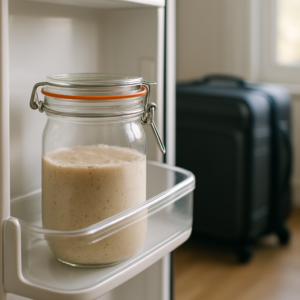
Watch your kitchen thermometer before you blame your flour, your water, or your technique. Last winter my starter went from lively to lethargic almost overnight — barely a bubble in sight. My house is old and drafty, and the kitchen holds steady around 64°F from November clear through March. Extending bulk fermentation, feeding more often, using warmer water — none of it fixed the sluggishness. Eventually I went digging into seedling heat mat sourdough fermentation as a fix, and it ended up reshaping my entire approach to baking.
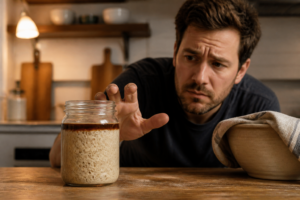
What drove me crazy was how unpredictable everything felt. One loaf would come out gorgeous, open-crumbed, tangy — the next would be flat and gummy for no obvious reason. I only cracked the mystery once I began tracking temperature alongside my bakes. The variable wasn’t my process at all — it was the room. A swing of just 4°F between afternoon and midnight was enough to throw off my entire fermentation schedule, every time.
What I actually needed was consistent warmth — something to hold both my starter and my bulk dough at a stable temperature. A full proofing box felt like too big a leap before I’d even confirmed it would solve anything, so I went looking for something cheaper and more adaptable first.
The Heat Mat That Woke My Starter Back Up
Once your kitchen drops into the low 60s, your starter doesn’t just lag — it more or less shuts down. Pairing a seedling heat mat with a thermostat gives you a controlled warm pocket for fermentation, one that holds a steady temperature close to what a real bakery runs, instead of leaving you at the mercy of a cold house in January.
Where it delivers
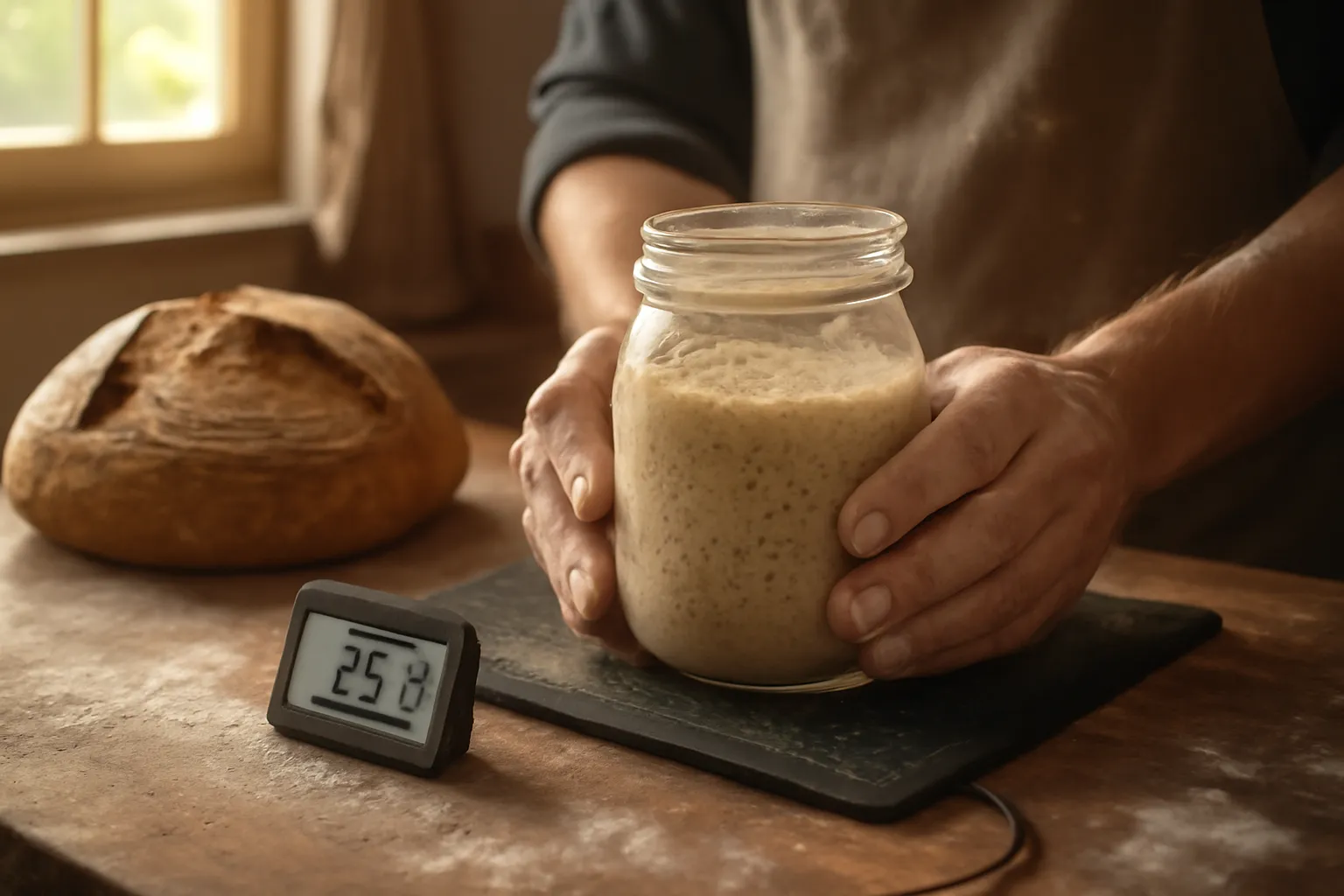
- Set to 76°F, the digital thermostat barely wavers — my bulk ferment finally progressed at a rate I could predict, instead of randomly stalling somewhere around the four-hour mark.
- The footprint fits a standard banneton or bulk container without crowding; my proofing box rests on top with space left over, and the heat spreads evenly from underneath.
- Since the thermostat controller is built into the combo unit, there’s no separate plug to track down — just a single cord, and the probe reaches into the proofing setup with ease.
Where it falls short
- Because it’s built for seedlings, the surface runs genuinely hot — you need something between the mat and your dough container (a towel, a wooden board), or the bottom of your loaf can end up baking unevenly.
- It’s not silent — the heating element clicks on and off throughout the cycle, and in a quiet house at night, you will notice it. Not a dealbreaker, but worth knowing if it’s going anywhere near your bedroom.
I’ll admit I was skeptical the first week—the thermostat seemed finicky, and I almost unplugged it after a batch that overproofed because I hadn’t calibrated the sensor correctly. But once I realized the problem was user error (not the tool), everything clicked. If you’re baking in a cold kitchen and tired of guessing fermentation times, grab the VIVOSUN 10″x 20.75″ Seedling Heat Mat and Digital Thermostat Combo Set.
Frequently Asked Questions
Why did my sourdough starter become sluggish in winter?
Kitchen temperature is critical. Sam’s house held steady around 64°F from November through March, which slows starter activity dramatically. Once your kitchen drops into the low 60s, your starter doesn’t just lag—it more or less shuts down. A swing of just 4°F between afternoon and midnight was enough to throw off his entire fermentation schedule.
What heat mat does Sam use for sourdough fermentation?
Sam uses a VIVOSUN 10″x 20.75″ Seedling Heat Mat with Digital Thermostat Combo Set, paired with a thermostat set to 76°F. The built-in digital controller holds temperature steady without wavering, and the footprint fits a standard banneton or bulk container without crowding.
Do I need something between the heat mat and my dough?
Yes. The seedling heat mat surface runs genuinely hot, so you need something between the mat and your dough container—a towel or wooden board work well. Without it, the bottom of your loaf can end up baking unevenly.
Is the VIVOSUN heat mat quiet during fermentation?
No. The heating element clicks on and off throughout the cycle, and in a quiet house at night, you will notice it. It’s not a dealbreaker, but worth knowing if it’s going anywhere near your bedroom.
About This Article

Written by Sam Whitaker. Sam Whitaker has been baking sourdough for over a decade, including three years baking commercially, and now works out of a home kitchen in the Pacific Northwest. Sam's eleven-year-old starter, Harold, is the foundation for every recipe and troubleshooting guide on Sourdough Rising — real bread tested over and over until it works. More about this site.
Scope and limits. Sam is a home baker with no formal culinary training. Follow current food safety guidance for storage and handling, particularly with enriched or filled doughs.
Verify this against a primary source
Specifics change, and your situation may differ from the one described here. These are the authorities worth checking directly:
- USDA FoodData Central — flour and ingredient composition data
- FoodSafety.gov — safe handling and storage