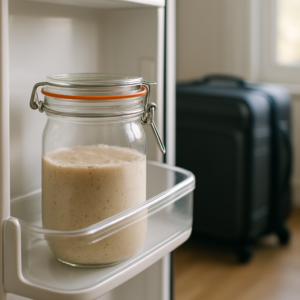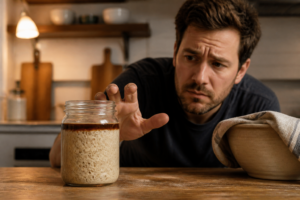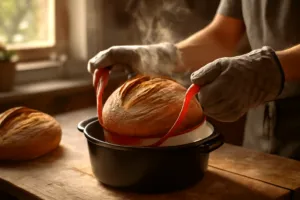
The smell hit me before I even cracked the lid — sharp, chemical, like nail polish remover instead of anything resembling bread. That was jar number three, and it was just as dead as the first two. Two months, three failed attempts, each one following the same guides and videos, each one ending with a flat, sour-smelling puddle of flour and water that never rose. So when a home baking forum thread turned up talking about a Breadtopia sourdough starter culture review, I actually stopped scrolling to read it. People kept saying you could skip the entire seven-to-fourteen-day activation slog. It sounded like a stretch, honestly, but at that point I’d have tried almost anything.
The issue wasn’t complicated, just endlessly annoying. I simply wanted to bake actual sourdough at home. But every attempt at building a starter from zero ran into trouble somewhere — too much feeding, too little feeding, or bubbles I couldn’t confidently read as “alive and thriving” versus “about to collapse.” What I was after wasn’t a shortcut in the cheating sense, but a solid, already-working base I could just take over and run with. A living culture that was already active seemed like it might solve exactly that.
| Starter Method | Time to Active Dough | Cost | Arrival State |
|---|---|---|---|
| Building from scratch | 7–14 days | Lowest | Dormant, requires activation |
| Breadtopia Live Starter | By day two | Higher | Already fed and bubbling |
| Wild yeast capture | 7–14 days | Lowest | Dormant, requires activation |
A Culture That Showed Up Ready to Work
Three dead starters into this whole ordeal, buying one that was already fed and thriving felt a bit like taking a shortcut nobody would admit to — but it also felt like the only sane move left. Getting a live culture meant I didn’t have to keep second-guessing whether what was in the jar was actually growing or just quietly falling apart.
Where it delivered
- It showed up truly alive and bubbling, not sitting dormant — I gave it one feeding after it arrived and had dough mixed by the second day, no two-week wait for signs of life.
- Since the ingredients are organic and non-GMO, nothing in that jar felt suspicious, and I watched actual fermentation kick in within hours — a stark contrast to the dead silence my earlier starters gave me.
- The directions are written for someone who’s never done this before, so there’s no insider sourdough jargon to decode — just clear steps like feed this amount, wait this long, then bake.
Where it fell short
- You’ve got to feed it right when it lands on your doorstep — there’s no cushion for waiting, so setting it aside for a couple weeks until life calms down isn’t really an option.
- It costs more than simply catching wild yeast on your own, and if baking sourdough is a one-time experiment for you, this probably isn’t the most economical route.
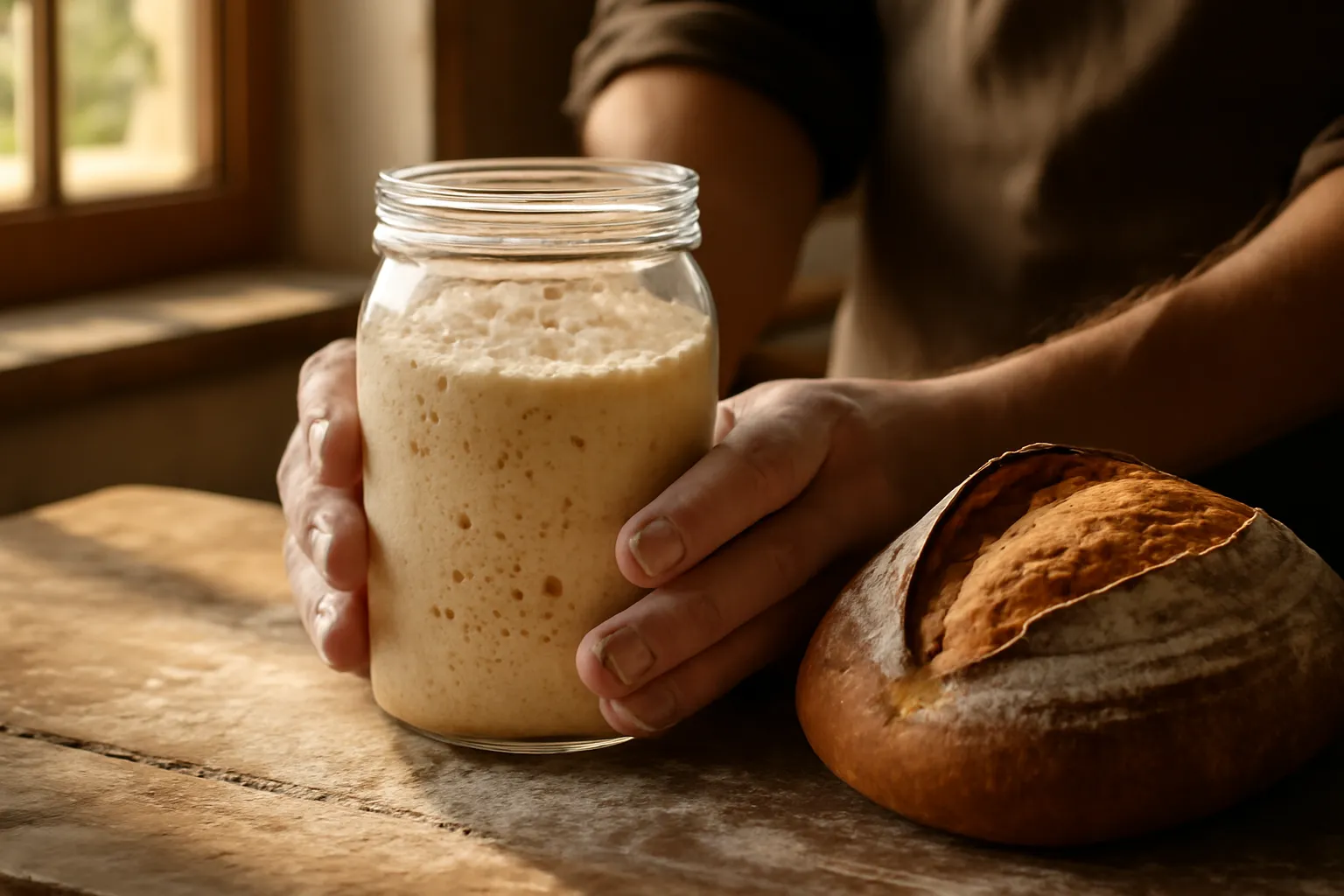
I’ll admit I was nervous the first time I pulled it out of the box—part of me expected it to be inert or already turning to mold after shipping—but the smell was unmistakably fermented and alive. Breadtopia Live Sourdough Starter | Organic Non-GMO Ingredients | Active & Ready to Go | It’s Alive – Must be Fed Immediately on Delivery
Frequently Asked Questions
Can you really bake sourdough in 5 days with a live starter?
Yes. The Breadtopia Live Sourdough Starter arrives already fed and active, so you can feed it once, mix dough by day two, and have bread ready much faster than building a starter from scratch, which typically takes seven to fourteen days of activation.
What happens when the live starter arrives at your door?
It arrives truly alive and bubbling, not dormant. The smell is unmistakably fermented and alive. You must feed it right when it lands on your doorstep — there’s no cushion for waiting weeks before using it, so immediate feeding is essential.
How long does fermentation take with Breadtopia starter?
Actual fermentation kicks in within hours of feeding. You can have dough mixed by the second day, with no two-week wait for signs of life like you’d experience building a starter from zero.
Is a live starter more expensive than wild yeast?
Yes, a live culture costs more than simply catching wild yeast on your own. If sourdough baking is a one-time experiment for you, buying a starter probably isn’t the most economical route.
About This Article

Written by Sam Whitaker. Sam Whitaker has been baking sourdough for over a decade, including three years baking commercially, and now works out of a home kitchen in the Pacific Northwest. Sam's eleven-year-old starter, Harold, is the foundation for every recipe and troubleshooting guide on Sourdough Rising — real bread tested over and over until it works. More about this site.
Scope and limits. Sam is a home baker with no formal culinary training. Follow current food safety guidance for storage and handling, particularly with enriched or filled doughs.
Verify this against a primary source
Specifics change, and your situation may differ from the one described here. These are the authorities worth checking directly:
- USDA FoodData Central — flour and ingredient composition data
- FoodSafety.gov — safe handling and storage