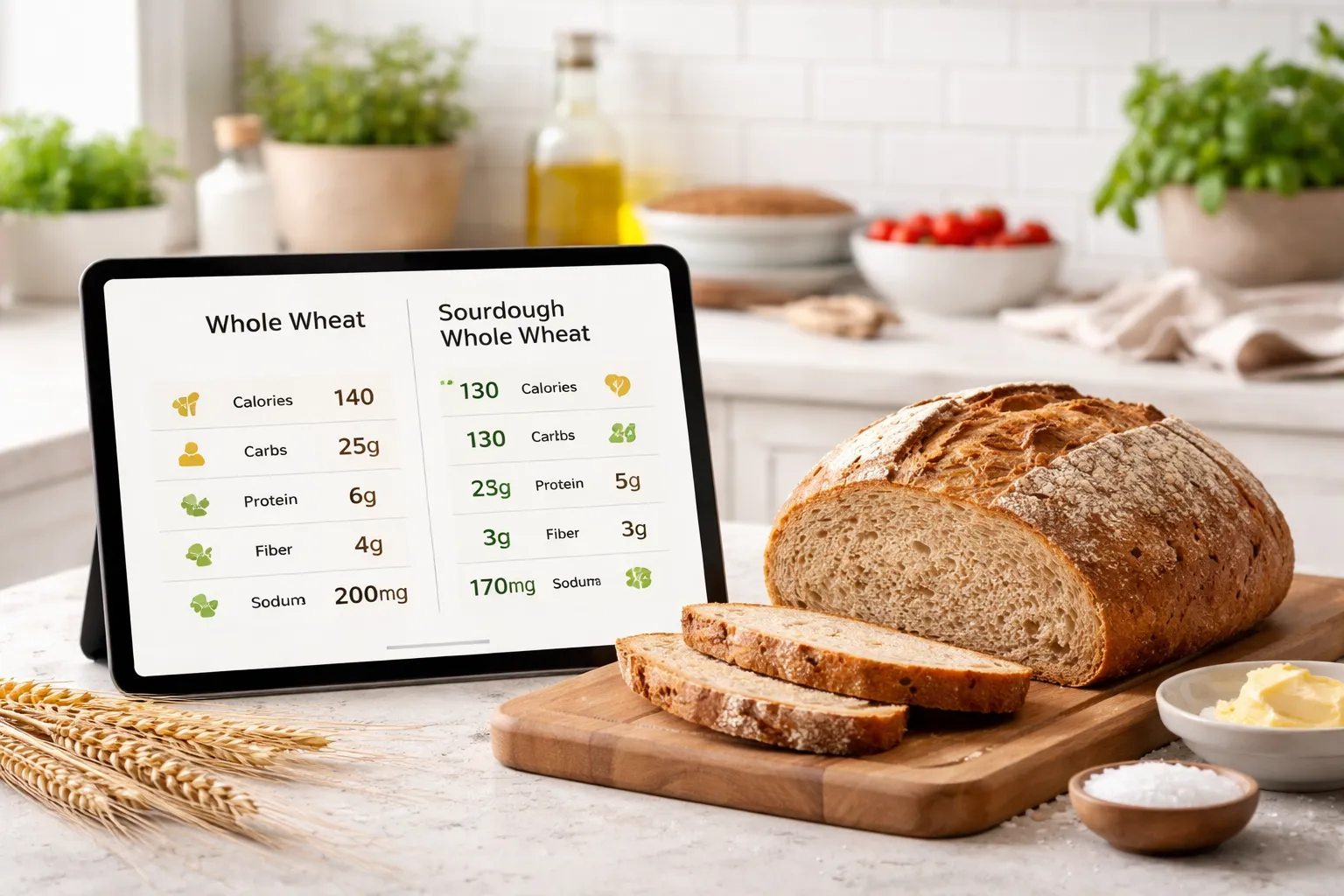
Somewhere out there, one baking blog will swear whole grain sourdough is the single healthiest thing you can pull out of your oven, while another insists whole grain locks up half your minerals before your gut ever gets a shot at them — and one of those claims is flatly wrong. I found this out the hard way, planted at my kitchen counter close to midnight, flour dusted across my face, gnawing on a slice of my “healthy” whole wheat loaf while scrolling through an article on my phone that seemed determined to ruin bread for me permanently. The piece was about phytic acid sourdough nutrition, and the headline alone sent my stomach into a knot — something to the effect of whole grains quietly sabotaging the very nutrients they claim to deliver. I set the bread down. Looked at it. It looked right back at me, unbothered.
At that point I’d only been at this sourdough thing for about eight months, and I’d gone all-in on whole wheat loaves because I was certain I was handing my family some serious health upgrade. I’ll admit I was insufferable about it — the sort of person who drops “oh, we only bake with whole grains now” into dinner-table small talk unprompted. So when some researcher on the internet appeared to be telling me whole grains were packed with a compound called phytic acid that was quietly stealing our iron, zinc, and magnesium, I nearly muttered sorry to my own loaf before diving headfirst into a research spiral that reshaped everything I thought I knew.
Phytic Acid, Explained: The Real Reason It Matters to Sourdough Bakers
Turns out I’d had the story backwards. Phytic acid — sometimes labeled phytate — is simply a compound plants tuck into the bran of grains, seeds, legumes, and nuts as their own way of banking phosphorus. Nothing sinister about its origin. The catch is that once it’s in your gut, it grabs onto minerals like zinc, iron, calcium, and magnesium and can keep your body from absorbing them the way it should. Nutrition folks slap the label “antinutrient” on it, which sounds far more alarming than it needs to, given that people figured out how to work around this compound millennia before any of us were born.
Here’s what caught me off guard that night: fermenting sourdough dough is actually one of the best natural methods for dismantling phytic acid. Your starter’s lactic acid bacteria churn out an enzyme called phytase, and given a long, unhurried fermentation, that enzyme spends hours quietly taking phytic acid molecules apart before the loaf ever reaches your mouth. Research has found that sourdough given extended fermentation can knock phytic acid levels down anywhere from 50% to more than 90%, with the exact number shifting based on how long you ferment, at what temperature, and which flour you’re using. So my smug whole-wheat habit had been right all along — I just hadn’t understood the mechanism behind it.
Phytic Acid and Sourdough Nutrition: Where Fermentation Time Actually Comes In
This is where things get useful, because sourdough isn’t a one-size-fits-all situation for phytic acid breakdown. A speedy two-hour rise leaning on commercial yeast barely touches it. Even a same-day loaf with a shortened bulk fermentation still leaves a good chunk of phytic acid untouched. Real progress kicks in once you stretch the fermentation out, and there are a handful of variables you can adjust to squeeze the most nutrition out of your bread.
Fermentation Length
Letting your dough bulk ferment for a solid four to six hours at room temperature hands your starter’s phytase enzymes real time to do their job. Tack on an overnight cold retard in the fridge once you’ve shaped the loaf, and you stretch that window even further while also deepening the flavor considerably. Funny enough, the same habits that make a loaf taste better tend to also make it more nutritious — which feels like one of the rare instances where the universe hands bakers a freebie.
Flour Choice
Whole grain flours carry more phytic acid than white flour simply because that’s where the bran — and the phytic acid — lives. But they also carry more nutrients worth freeing up, so ditching whole grain isn’t the answer. A smart middle ground is blending whole wheat with bread flour, which still delivers nutritional upside without saddling you with the full phytic acid load. And there’s a genuinely clever shortcut here too: sprouted whole wheat flour. Sprouting the grain before it’s milled kicks phytase enzyme activity into gear before fermentation even starts, so you’re already a step ahead before the dough is mixed.
Starter Health
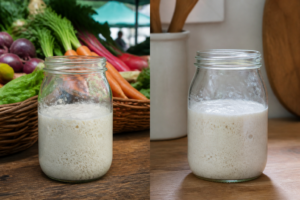
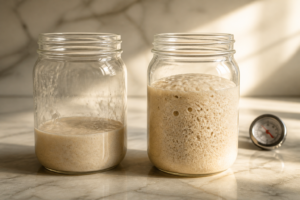
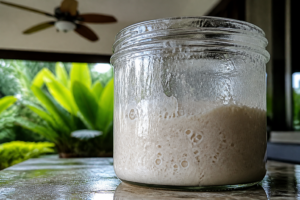
A starter that’s well-fed and lively churns out more lactic acid bacteria and more phytase activity along with it. If yours is sluggish, or you’re only using a tiny fraction of it in your dough, the phytic acid breakdown won’t be nearly as complete. Feed it consistently, keep it thriving, and bake with it right at peak activity if you want the best results — for both rise and nutrition.
Sprouted Flour’s Head Start: Cutting Phytic Acid Before Fermentation Even Begins
If phytic acid blocking nutrient absorption is what worries you, fermentation time doesn’t have to carry the entire load. Sprouted whole wheat flour has a jump on the problem already — the sprouting process itself starts breaking those antinutrients down, so your dough begins the fermentation clock already ahead, and your long rise just carries that momentum forward.
What works
- Fermentation moves noticeably quicker than with standard whole wheat — my bulk rise has sped up by 30 to 45 minutes with it, which compresses the whole phytic acid breakdown timeline.
- My loaves come out a touch sweeter and nuttier tasting than with regular whole wheat, and the crumb feels lighter even though I haven’t touched my hydration or method at all.
- It holds up well even in blends running 40–60% whole grain, sidestepping the dense, gummy crumb that usually shows up at those percentages.
What doesn’t
- Expect to pay close to double what conventional whole wheat costs, which adds up quickly if you’re turning out several loaves weekly.
- Shelf life takes a hit too — I’ve had mine turn slightly rancid after sitting in the pantry for 3 to 4 months, so stocking up in bulk for long-term storage isn’t the money-saver it is with regular whole wheat.
The first time I tried it, I doubted myself — half-certain that quicker fermentation was just wishful thinking on my part and that I’d pull out an over-proofed, gummy mess. Instead, the crust came out golden and crackly, and the crumb held its shape, open and springy. If the nutrition angle matters to you and you’re done guessing whether your fermentation window is genuinely long enough, One Degree Organic Foods Sprouted Whole Wheat Flour (32 oz) deserves a trial batch in your kitchen.
Frequently Asked Questions
How much can sourdough fermentation reduce phytic acid?
Research has found that sourdough given extended fermentation can knock phytic acid levels down anywhere from 50% to more than 90%, with the exact reduction depending on how long you ferment, at what temperature, and which flour you’re using.
How long should I ferment sourdough to break down phytic acid?
Letting your dough bulk ferment for a solid four to six hours at room temperature gives your starter’s phytase enzymes real time to do their job. Tacking on an overnight cold retard in the fridge once you’ve shaped the loaf stretches that window even further.
Does sprouted whole wheat flour reduce phytic acid faster?
Yes. Sprouting the grain before it’s milled kicks phytase enzyme activity into gear before fermentation even starts. With sprouted whole wheat flour, bulk rise has sped up by 30 to 45 minutes compared to standard whole wheat.
What’s the downside of using sprouted whole wheat flour?
Sprouted whole wheat flour costs close to double what conventional whole wheat costs. Shelf life also takes a hit—it can turn slightly rancid after sitting in the pantry for 3 to 4 months, so bulk storage isn’t practical.
About This Article

Written by Sam Whitaker. Sam Whitaker has been baking sourdough for over a decade, including three years baking commercially, and now works out of a home kitchen in the Pacific Northwest. Sam's eleven-year-old starter, Harold, is the foundation for every recipe and troubleshooting guide on Sourdough Rising — real bread tested over and over until it works. More about this site.
Scope and limits. Sam is a home baker with no formal culinary training. Follow current food safety guidance for storage and handling, particularly with enriched or filled doughs.
Verify this against a primary source
Specifics change, and your situation may differ from the one described here. These are the authorities worth checking directly:
- USDA FoodData Central — flour and ingredient composition data
- FoodSafety.gov — safe handling and storage