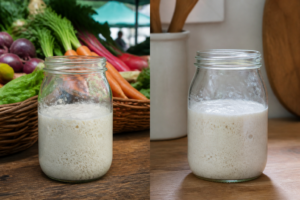
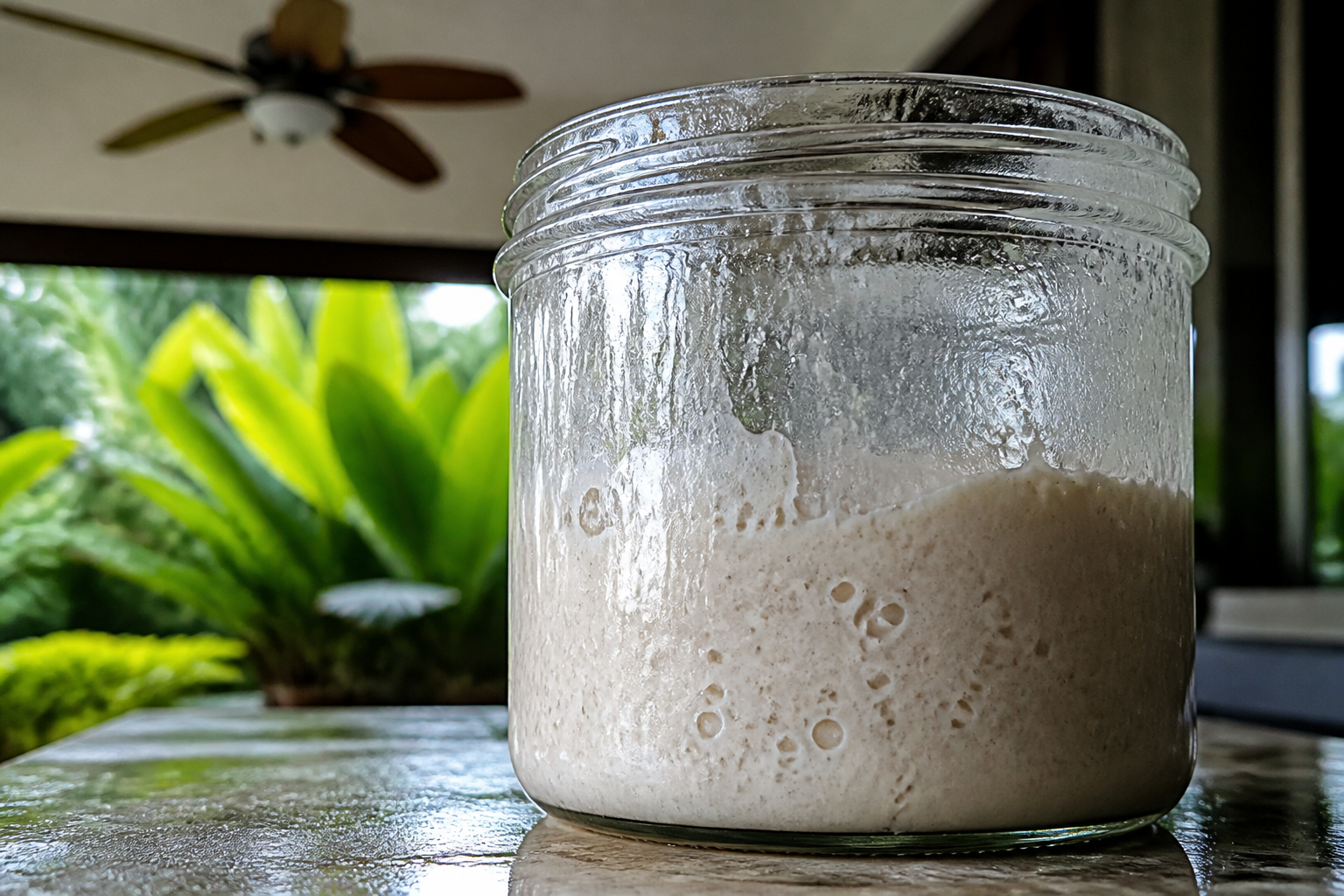
It was a Tuesday afternoon, and I was standing in my HDB kitchen staring at a jar of what can only be described as sad, grey, watery paste. Day five of my very first sourdough starter attempt. I had followed the instructions from a popular American baking blog to the letter, convinced I was about to capture wild yeast in tropical humidity and become Singapore’s next great home baker. Instead, what I had produced smelled faintly of old socks and showed absolutely zero signs of life. My husband walked past, peered into the jar, and said, “Eh, you sure this is food?”
| Flour Type | Wild Yeast Content | Recommended Use |
|---|---|---|
| Whole grain dark rye | Exceptionally rich | Days 1–7, early starter building |
| Bread flour | Not specified | After Day 6, or mixed with rye |
| Rye and bread flour mix | Rich (from rye component) | Transition option, Week 2 onwards |
Frequently Asked Questions
Why did rye flour save your first starter attempt?
Rye flour, especially whole grain dark rye, is exceptionally rich in wild yeast and the nutrients that feed fermentation. When I accidentally used rye instead of bread flour on Day Six, my starter nearly doubled with beautiful bubbles, while it had shown zero signs of life before. I’ve recommended rye flour at the start to every baker friend since with consistently encouraging results.
How often should I feed my starter in Singapore heat?
Feed once daily using a 1:1:1 ratio of starter, flour, and water by weight during Days 4 to 7. Watch timing closely since starters can peak within three hours and collapse before your next feed in tropical heat. If this happens, try moving it near an air conditioning vent or feeding with slightly cooler water to slow fermentation down.
What temperature is too hot for sourdough starters?
Singapore kitchens routinely hit 28 to 32 degrees Celsius, which is far warmer than the 18 to 22 degrees Celsius assumed in most sourdough guides. At 30 degrees Celsius or above, consider refrigerating your starter overnight once established, then pulling it out in the morning to feed and come to room temperature before use.
How do I know when my starter is ready to bake with?
Your starter is ready when it reliably doubles within four to six hours of feeding, smells pleasantly sour and yeasty, and passes the float test. Drop a small spoonful into water. If it floats, you’re good to go. If it sinks, give it a few more days of consistent feeding.
Reader, I was mortified. But also stubborn. And that stubbornness, combined with a lot of research and one very accidental discovery, eventually gave me a thriving starter I’ve been baking with for over two years. Today I want to share everything I learned, because if you’re a home baker here in Singapore, you’re working with a climate that most sourdough guides were simply not written for. The good news? That same heat and humidity that complicated my early attempts is actually a superpower, once you know how to use it.
Why Singapore’s Climate Changes Everything About Starting a Sourdough Starter
Most sourdough guides online assume you’re baking somewhere in the mid-latitudes with a kitchen that sits around 18 to 22 degrees Celsius. Our kitchens here routinely hit 28 to 32 degrees Celsius, especially if you’re in a unit without great airflow, or if, like me, you live in a west-facing flat that turns into a tandoor oven from about 2pm onwards. That temperature difference is enormous in sourdough terms.
Wild yeast and bacteria are living organisms, and they respond dramatically to warmth. In a cooler kitchen, fermentation is slow and forgiving. In our tropical heat, everything happens faster, sometimes too fast. In my experience, a starter in a 30-degree Celsius Singapore kitchen can peak and then collapse within three to four hours, which means if you’re feeding on a schedule designed for a London kitchen, you might constantly be catching your starter on the downswing and wondering why it looks deflated and defeated. That was my exact problem on Day Five of the Sad Grey Paste Incident.
What I noticed once I started adjusting for heat was that fermentation activity actually kicked in faster and more vigorously than my American blog guides had promised. Singapore’s air is rich with wild yeast. Our hawker centres, our fruit stalls, our bakeries, our humid breezes, all of it contributes to a wonderfully yeast-dense environment. You are not at a disadvantage here. You just need a slightly different approach.
How to Capture Wild Yeast in Tropical Humidity: My Step-by-Step Method
Before I get into the method, let me tell you about the accidental discovery that turned everything around. On Day Six of my failed first attempt, I knocked my jar off the counter while reaching for my phone. The jar survived (thick glass, bless it), but in the chaos I grabbed the wrong flour bag and fed my starter with rye flour instead of the plain bread flour I’d been using. I didn’t realise until the next morning when I went to feed it again and found the jar had nearly doubled, with beautiful bubbles all the way up the sides. I genuinely thought I was hallucinating from sleep deprivation.
It wasn’t a hallucination. Rye flour, especially whole grain dark rye, is exceptionally rich in wild yeast and the nutrients that feed fermentation. That accidental bag mix-up saved my starter and completely changed how I approach the early days of building one. This isn’t a controlled scientific finding, just what I observed in my own kitchen, but I’ve recommended rye flour at the start to every Singapore baker friend since, and the results have been consistently encouraging.
Days 1 to 3: Getting Things Started
Mix 25 grams of whole grain rye flour with 25 grams of room temperature water (filtered if your tap water is very heavily chlorinated, which Singapore’s sometimes is). Stir well, cover loosely, and leave at room temperature. Do not feed again for 24 hours. In our heat, you may already see small bubbles by Day 2. This is exciting. Do not overfeed in excitement. I speak from experience.
Days 4 to 7: Building Consistency
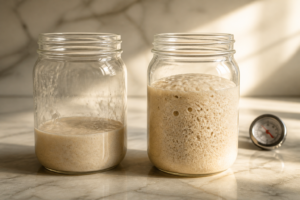
Once you see consistent bubbling, begin feeding once daily using a 1:1:1 ratio, meaning equal parts starter, flour, and water by weight. Keep using rye flour or transition to a mix of rye and bread flour. Discard about half before each feed to keep the ratios manageable. In Singapore’s heat, watch the timing closely. If your starter is peaking within three hours and collapsing before your next feed, try moving it somewhere slightly cooler, near the aircon vent in your living room works well, or feed it with slightly cooler water to slow things down a little.
Week 2 Onwards: Testing for Readiness
Your starter is ready to bake with when it reliably doubles within four to six hours of feeding, smells pleasantly sour and yeasty (not like nail polish remover or rotting matter), and passes the float test. Drop a small spoonful into water. If it floats, you’re good to go. If it sinks, give it a few more days of consistent feeding.
What You’ll Need: My Recommended Gear for Tropical Starters
Getting the right tools genuinely makes this process less stressful. Here’s what I use and recommend, especially for Singapore home kitchens where counter space is precious and humidity means you want airtight storage options.
For flour, rye is your best friend in the early days. I’ve ordered the King Arthur Organic Medium Rye Flour several times and love the consistent quality. It’s a US-grown, non-GMO medium rye that gives a lovely robust flavour and great fermentation activity. If you want a slightly darker, more whole grain option, the Bob’s Red Mill Organic Dark Rye Flour is excellent and comes in a four-pack which works out well economically for regular bakers. I’ve also tried the Great River Milling Organic Dark Rye Flour, which has a wonderfully earthy flavour and is particularly good if you want a starter with a more complex, tangy personality from the outset.
For jars, please do yourself the favour of using something with clear sides and a wide mouth so you can see your starter’s activity and feed it easily. I adore my Weck Tulip Jars, which are beautiful, functional, and large enough to accommodate a vigorous tropical rise without overflowing everywhere (this has happened to me). For beginners who want something purpose-designed with helpful markings, the INOBYO Sourdough Starter Jar Kit is a great entry point with a wide mouth and all the basics included.
Practical Tips Specific to Singapore Bakers
- Feed your starter at the same time each day and mark the jar with a rubber band at the starting level so you can track the rise accurately.
- If your kitchen is above 30 degrees Celsius, consider refrigerating your starter overnight once it’s established, pulling it out in the morning to feed and come to room temperature before use.
- Singapore tap water is potable but sometimes heavily treated. Leaving water out for 30 minutes to an hour before using it, or using filtered water, can make a small but noticeable difference in early starter activity, at least in my observation.
- Humidity here actually helps keep your starter from drying out on the surface, which is a problem bakers in drier climates deal with frequently. Count this as a win.
- If you see liquid pooling on top of your starter (called “hooch”), it’s hungry, not dead. Pour off the liquid, discard generously, and feed with fresh flour and water. I’ve rescued starters that looked completely hopeless this way.
The Happy Ending (and Why You Should Try This)
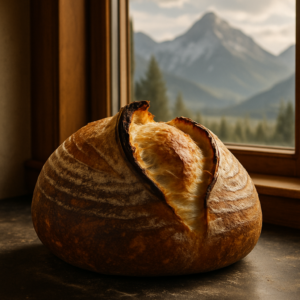
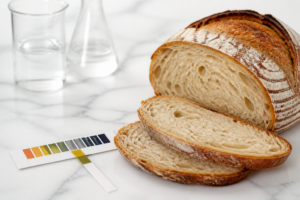
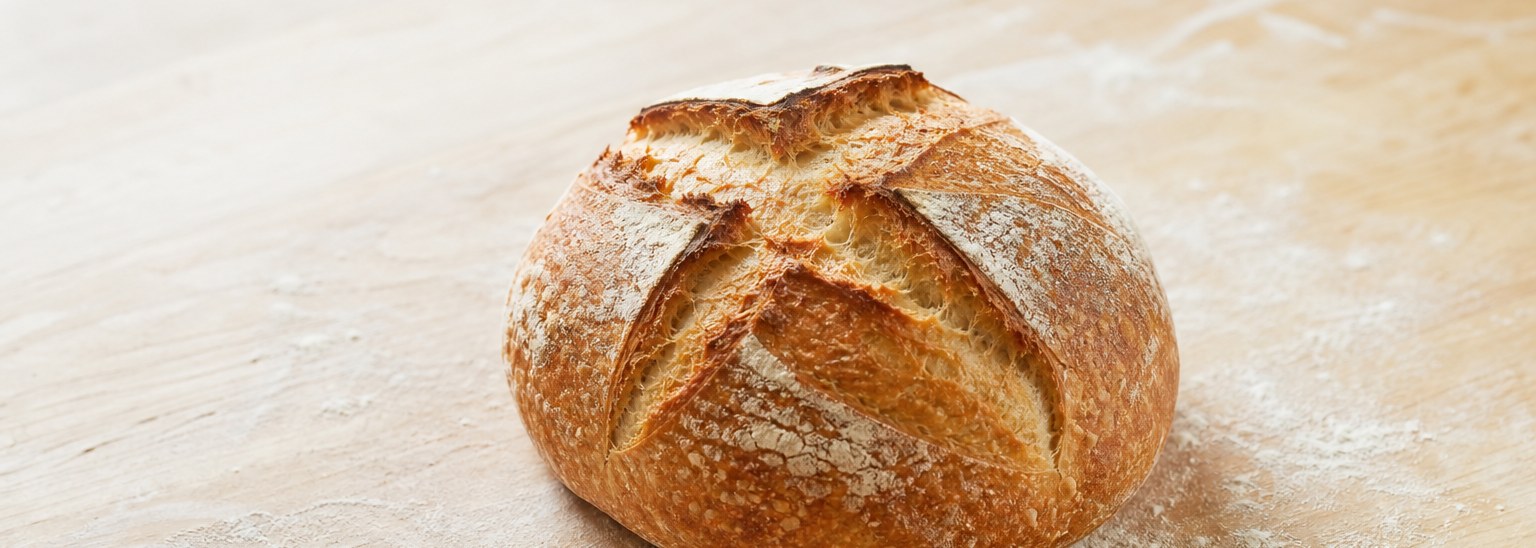
Back to my kitchen, three weeks after the Sad Grey Paste Incident. I pulled a loaf from the oven, the first successful bake from my accidentally-rye-saved starter, and the crust shattered when I tapped it. The crumb was open and chewy and smelled extraordinary. My husband, the same man who had questioned whether my creation was food, ate three thick slices with butter and asked when I was making the next one.
That starter, which I’ve since named Merlion (obviously), is still alive and going strong. It’s been through two house moves, a renovation period where the whole flat was covered in dust, and honestly more neglect than I care to admit. It always comes back. Wild yeast is resilient, and our Singapore climate, once you work with it rather than against it, is genuinely wonderful for fermentation.
About This Article

Written by Sam Whitaker. Sam Whitaker has been baking sourdough for over a decade, including three years baking commercially, and now works out of a home kitchen in the Pacific Northwest. Sam's eleven-year-old starter, Harold, is the foundation for every recipe and troubleshooting guide on Sourdough Rising — real bread tested over and over until it works. More about this site.
Scope and limits. Sam is a home baker with no formal culinary training. Follow current food safety guidance for storage and handling, particularly with enriched or filled doughs.
Verify this against a primary source
Specifics change, and your situation may differ from the one described here. These are the authorities worth checking directly:
- USDA FoodData Central — flour and ingredient composition data
- FoodSafety.gov — safe handling and storage