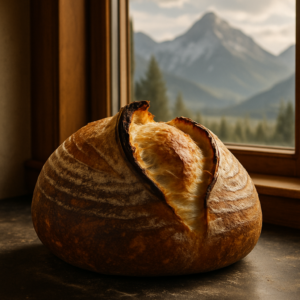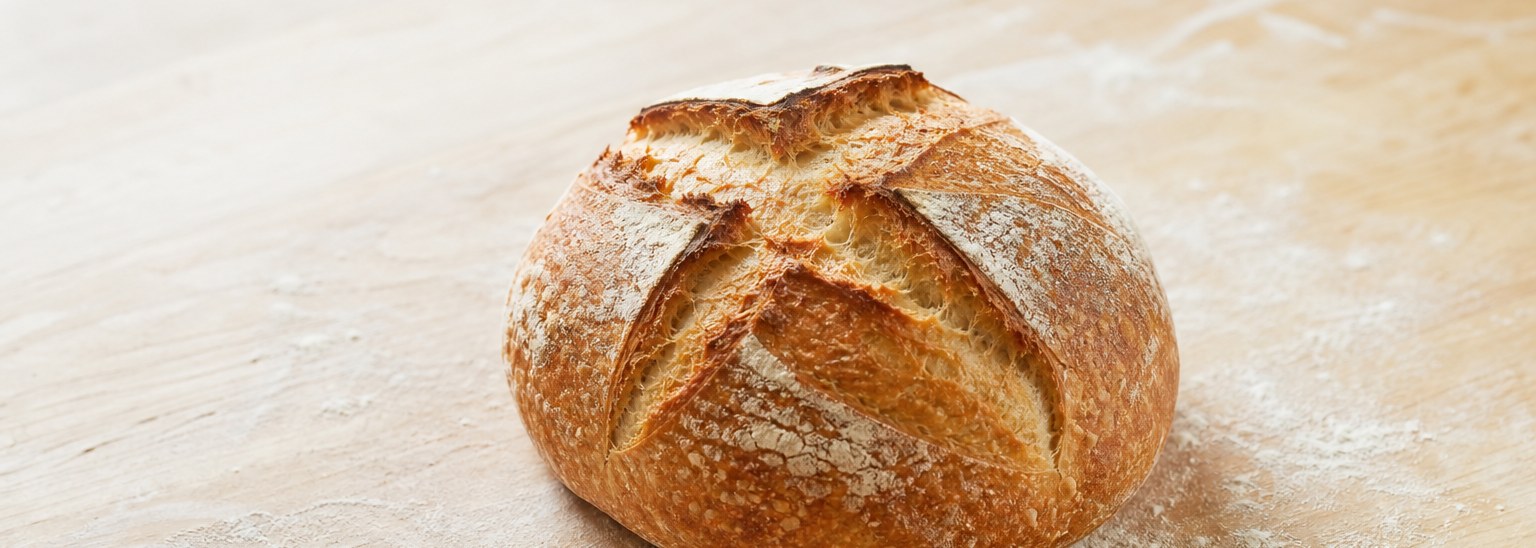
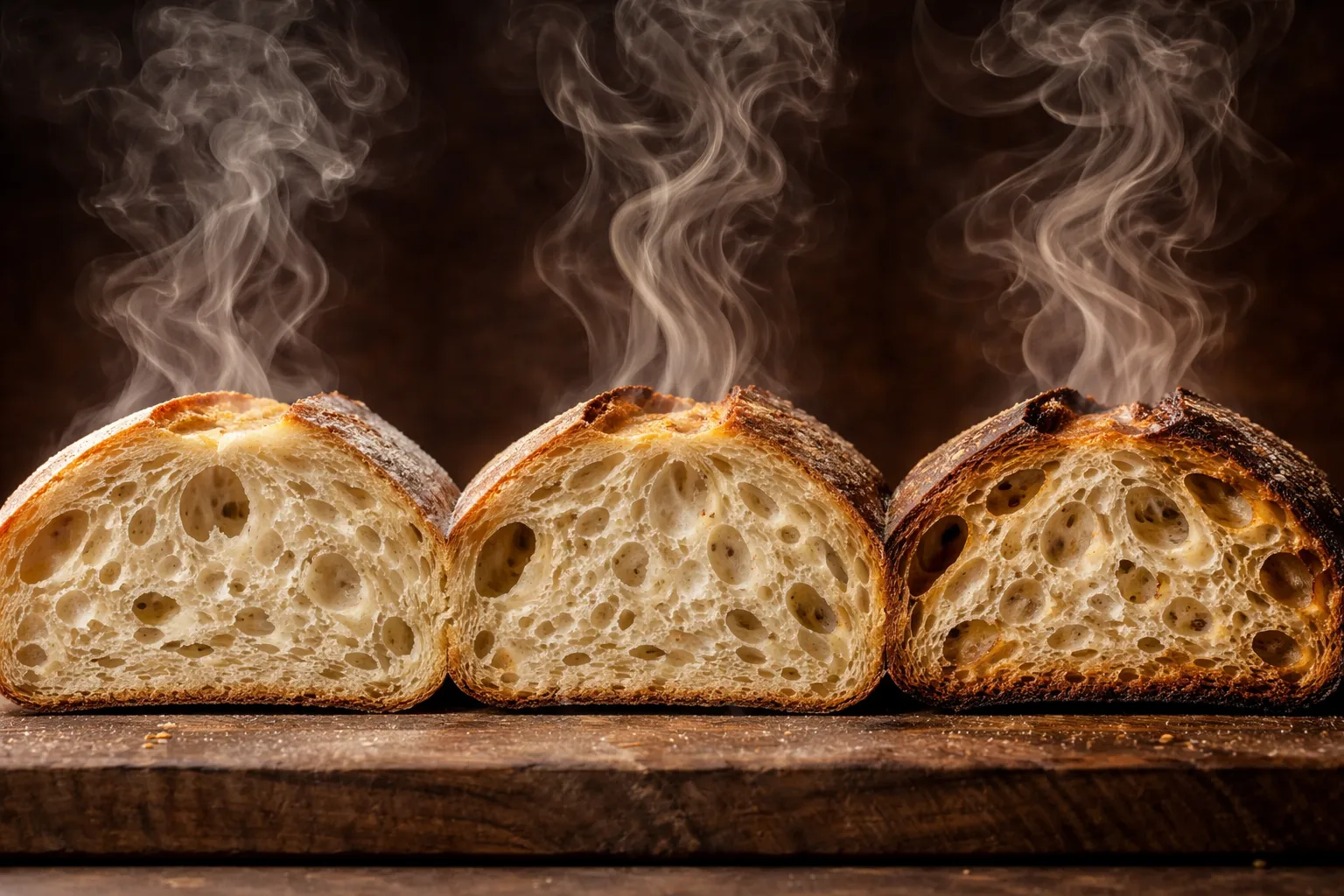
Somewhere around year four of baking sourdough, on a lazy Sunday afternoon, I hauled a loaf out of the oven, set it proudly on the cutting board, and hollered for my husband to come admire my work. He studied it for a second, then studied me, then said—kindly, but not kindly enough—”Babe… it’s pale.” He wasn’t wrong. That loaf looked like bread that had seen a ghost: flat, blonde, and about as inviting as a chunk of craft-store clay. At the time I had zero clue I was skipping past one of cooking’s most powerful chemical reactions. I’d never even heard the phrase maillard reaction sourdough crust bakers throw around constantly, and my bread was paying the price for my ignorance.
Looking back, that sorry little loaf ended up being one of the better teachers I’ve had in the kitchen. Weirdly enough, it launched me into one of my favorite baking lessons ever. Keep reading, because by the time you finish this post, your own crust will be coming out deeply bronzed, audibly crackly, and loaded with flavor. We’re diving into the chemistry, and I promise it pays off in taste.
The Maillard Reaction, Explained: Why It Matters for Sourdough Bakers
French chemist Louis-Camille Maillard first documented this reaction back in 1912, and it’s essentially a chemical handshake between amino acids and reducing sugars that fires up once food hits heat. This exact reaction is what gives seared steak its crust, coffee its toasted depth, roasted vegetables their color, and, of course, sourdough its gorgeous crust.
Here’s what trips people up: Maillard browning and caramelization are not interchangeable, even though they both darken food. Caramelization is purely about sugar breaking down on its own. Maillard is a two-way exchange between sugars and proteins, and that exchange generates hundreds of unique flavor compounds you can’t produce through any other process. Think nutty, toasted, faintly bitter, savory, malt-like notes, all stacked together right there in the crust.
With sourdough in particular, that extended fermentation you’re doing is quietly working in your favor. The wild yeast and bacteria living in your starter chew through the starches in your flour, converting them into simple sugars over time, and fermentation also churns out amino acids as a byproduct. Add more sugar plus more amino acids together and you get more fuel for the Maillard reaction to feed on. Every bit of patience you show during bulk fermentation is essentially banking flavor for later.
Getting the Maillard Reaction Working for Your Sourdough Crust
So what actually went wrong with my loaf? Turns out I was making a handful of rookie errors that were killing the Maillard reaction before it even had a chance to start. Here’s what I figured out.
Quit Trusting Your Oven Dial If You Want Real Crust Development
Your oven’s dial is not telling you the truth. I’ve pulled loaf after loaf out of the Dutch oven assuming I was baking at 500°F, only to find soft, pale dough that never got anywhere near the deep mahogany color the Maillard reaction needs. Picking up an oven thermometer is the quickest fix for wasting all that fermentation effort and bake time on a temperature reading you can’t rely on.
Where it delivers
- Stays remarkably accurate once the Dutch oven has finished preheating — I’ve tested it across three separate ovens and it’s landed within 2-3°F every single time.
- The stainless steel probe hasn’t discolored or broken down even after months baking inside a 500°F Dutch oven, and you can still read the dial clearly under your oven’s interior light.
- Thanks to the angled stand, you can position it to check the actual temperature without cracking the oven door open or making a guess — you know exactly what you’re working with before the loaf goes in.
Where it falls short
- If your kitchen lighting is low or you’re viewing it at an odd angle, the dial gets tricky to read — I’ve squinted at it more times than I care to admit.
- Since it’s analog rather than digital, there’s no remote readout or alert to warn you if the oven temperature drifts partway through a bake.
I nearly sent this back the first time I bought it, half-convinced a 50°F swing couldn’t possibly matter that much — until I ran a couple of back-to-back bakes at the actual temperature and watched the crust color change right in front of me. Grab the AcuRite 00620A2 Stainless Steel Oven Thermometer and stop letting your crust development be a coin flip.
Frequently Asked Questions
What is the Maillard reaction in sourdough baking?
The Maillard reaction is a chemical exchange between amino acids and reducing sugars that fires up once food hits heat. It generates hundreds of unique flavor compounds creating nutty, toasted, faintly bitter, savory, and malt-like notes in your sourdough crust—flavors you can’t produce any other way.
How does sourdough fermentation help the Maillard reaction?
Extended fermentation works in your favor because wild yeast and bacteria in your starter convert starches into simple sugars over time. Fermentation also churns out amino acids as a byproduct. More sugar plus more amino acids gives the Maillard reaction more fuel to work with.
Why is an oven thermometer important for crust development?
Your oven’s dial isn’t telling you the truth. An oven thermometer lets you check actual temperature before baking, ensuring you hit the deep mahogany color the Maillard reaction needs. Even a 50°F temperature swing noticeably changes crust color.
Is Maillard browning the same as caramelization?
No. Caramelization is purely sugar breaking down on its own. Maillard is a two-way exchange between sugars and proteins that generates hundreds of unique flavor compounds you can’t produce through caramelization alone.
About This Article

Written by Sam Whitaker. Sam Whitaker has been baking sourdough for over a decade, including three years baking commercially, and now works out of a home kitchen in the Pacific Northwest. Sam's eleven-year-old starter, Harold, is the foundation for every recipe and troubleshooting guide on Sourdough Rising — real bread tested over and over until it works. More about this site.
Scope and limits. Sam is a home baker with no formal culinary training. Follow current food safety guidance for storage and handling, particularly with enriched or filled doughs.
Verify this against a primary source
Specifics change, and your situation may differ from the one described here. These are the authorities worth checking directly:
- USDA FoodData Central — flour and ingredient composition data
- FoodSafety.gov — safe handling and storage