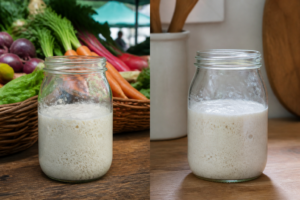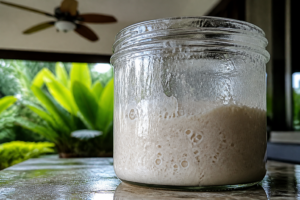
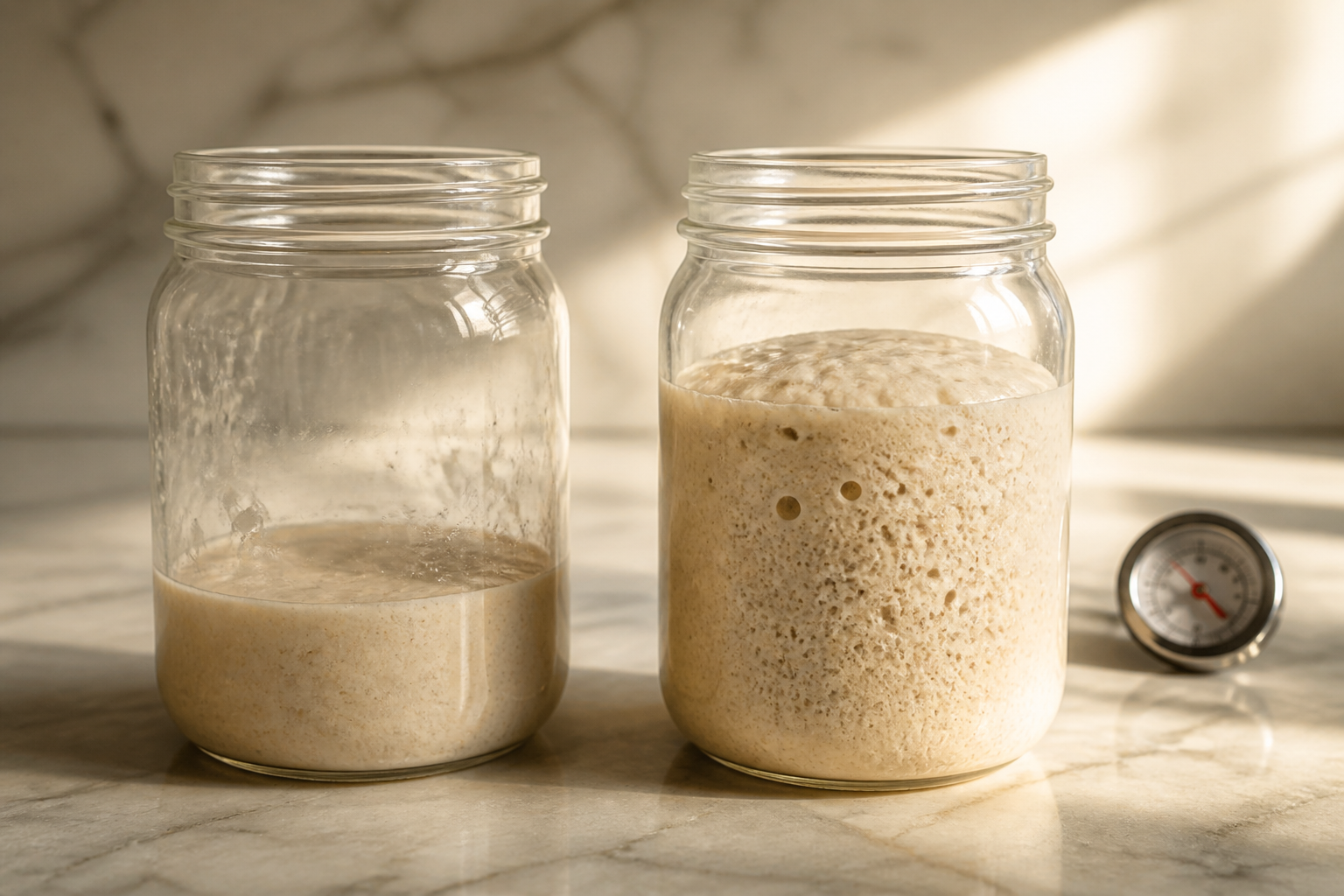
I still remember standing in my kitchen at 6am, bleary-eyed, fully expecting to see a sad, flat, lifeless blob of flour and water in my jar. It was only Day 3 of my very first sourdough starter. I had braced myself for at least another four days of patient waiting, the way every blog post and YouTube video had warned me. Instead, I found a gloriously bubbly, domed, almost aggressively alive mass that had climbed halfway up the jar and was threatening to overflow onto my countertop. My first thought? Something has gone terribly wrong.
I panicked. I googled “sourdough starter bubbling too fast is it dead.” I texted my friend who bakes. I even considered throwing the whole thing out and starting again. Spoiler alert: that would have been the biggest baking mistake of my life. Because what I was actually looking at was a perfectly healthy, raging-active starter that was ready to bake with, days ahead of schedule. The culprit, the hero, the explanation for everything? Singapore’s tropical heat. If you have been wondering why your sourdough starter ready fast in tropical heat is catching you completely off guard, you are in exactly the right place. Let me explain what happened, what I learned, and why living in this gloriously humid, 30-degree city is actually a secret superpower for sourdough bakers.
| Kitchen Climate | Temperature Range | Starter Timeline | Feeding Frequency |
|---|---|---|---|
| Tropical (Singapore) | 28–32°C | Ready by Day 3–4 | Twice daily |
| Cold climate (Europe, North America, Australia) | 18–22°C | Ready by Day 7–14 | Once daily |
Frequently Asked Questions
Why did my sourdough starter get ready in 3 days instead of 7?
Warmer kitchen temperatures dramatically speed up fermentation. Tropical kitchens sitting between 28 and 32 degrees Celsius create faster microbial activity than the 18 to 22 degrees Celsius typical in cold-climate kitchens where most guides are written. That 8 to 10 degree difference causes wild yeast and bacteria to work much faster, so your starter may show meaningful bubbling by Day 2 and pass the float test by Day 4.
What are the signs my tropical starter is actually ready to bake?
Watch for these behaviour indicators instead of the calendar: your starter reliably doubles within 4 to 6 hours of feeding, it has a domed top at peak rise, it smells pleasantly tangy and yeasty rather than sharp, and a small spoonful floats in water. These signs matter far more than which day you are on, since tropical heat accelerates the timeline unpredictably.
Should I feed my starter more often in hot climates?
Yes, you may need to feed twice daily instead of once in a 32-degree kitchen because your starter eats through its food supply very quickly. Alternatively, you can use a cooler spot like an air-conditioned room or a water bath at room temperature to slow fermentation down and better match your schedule to your starter’s rhythm.
What thermometer does Sam use to monitor fermentation?
Sam uses the 0.5 Sec Instant Read Meat Thermometer Digital with Plus or Minus 0.5 Degree Fahrenheit Precision for checking flour-water temperature, ambient kitchen air, and dough during bulk fermentation. He also recommends the TempPro TP19H 1 Sec Digital Meat Thermometer and the Vuwwey dual-probe model for monitoring two fermentation points simultaneously.
Why Sourdough Starter Gets Ready Fast in Tropical Heat: The Science (In Plain Human Words)
Here is the simple truth that no one told me when I started: sourdough fermentation is driven by living microorganisms, wild yeast and lactic acid bacteria, and like all living things, they are deeply affected by temperature. The warmer their environment, the faster they eat, multiply, and produce the gases and acids that make your starter bubble and rise.
Most sourdough guides are written from cold-climate kitchens in Europe, North America, or parts of Australia where ambient kitchen temperatures hover somewhere between 18 and 22 degrees Celsius. At those temperatures, a new starter might genuinely take 7 to 14 days to establish itself. The microbes are active, but they are working slowly and steadily.
Now compare that to my HDB kitchen in Singapore. On a typical day, without air conditioning running, my kitchen sits between 28 and 32 degrees Celsius. Even with the fan on, it rarely drops below 27. In my experience, that 8 to 10 degree difference is enormous for microbial activity. The wild yeasts and bacteria in my flour and in Singapore’s ambient air were essentially on a turbo setting from Day 1. This is not a lab test or a controlled experiment, just what I have personally noticed across multiple starter batches over the past two years, but the pattern has been remarkably consistent.
What I noticed specifically: my starters typically show meaningful bubbling by Day 2, peak activity by Day 3, and are reliably passing the float test by Day 4 at the latest. The same recipe, sent to my cousin in Melbourne, took her 9 days. Same flour brand, same method, wildly different timeline. Heat really is that powerful a variable.
What This Means Practically for Singapore Home Bakers
So if you are in Singapore, or anywhere in tropical Southeast Asia, here is what you actually need to know to avoid my 6am panic moment.
Watch Your Starter, Not the Calendar
Forget the “Day 7” milestone that most recipes quote. In our climate, that number means almost nothing. Instead, learn to read your starter’s behaviour. Signs it is genuinely ready include: it reliably doubles in size within 4 to 6 hours of feeding, it has a domed top at peak rise, it smells pleasantly tangy and yeasty rather than nail-polish-acetone sharp, and a small spoonful dropped into water floats. These signs matter far more than which day of the week it is.
Know Your Kitchen Temperature
This is where I wish someone had handed me a thermometer on Day 1. Not for the starter jar itself, but for my ambient kitchen temperature. Knowing whether your kitchen is 28 or 33 degrees helps you make smarter feeding decisions. For example, in a 32-degree kitchen, your starter may need feeding twice a day rather than once, simply because it is eating through its food supply so quickly. I now check my kitchen temp every morning out of habit. It is genuinely one of the most useful habits I have picked up.
Feed More Frequently, Or Manage the Temperature
If your starter is peaking and collapsing too quickly between feedings, you have two options. First, feed it more often. Second, use a slightly cooler spot in your home. A shelf in an air-conditioned room, or even placing your starter jar in a water bath at room temperature, can slow things down just enough to give you more control. This is less about fixing a problem and more about matching your schedule to your starter’s rhythm.
My Gear: What I Use to Keep Track of It All
After my Day 3 surprise, I got much more intentional about monitoring my starter and fermentation environment. Here is what I actually use in my own kitchen.
For Tracking Temperature
A good instant-read thermometer is honestly one of the most underrated sourdough tools. I use mine to check the temperature of my flour-water mixture when feeding, my ambient kitchen air, and occasionally the dough itself during bulk fermentation. My current favourite for everyday use is the 0.5 Sec Instant Read Meat Thermometer Digital with Plus or Minus 0.5 Degree Fahrenheit Precision. It reads in half a second, which sounds like a gimmick until you are actually using it one-handed while your other hand is covered in dough. The accuracy is excellent for the price, and it has become a permanent fixture on my kitchen counter.
If you want something with a bit more flexibility, the TempPro TP19H 1 Sec Digital Meat Thermometer for Cooking is a solid choice that many bakers in my community swear by. And if you want to monitor two points at once, say your starter jar and your bulk fermentation dough at the same time, the Vuwwey Instant Read Meat Thermometer Digital with Dual Probe is genuinely clever for this. The dual probe setup sounds fancy but it is actually really practical when you are managing multiple fermentation vessels.
For the Starter Jar Itself
Jar choice matters more than you might think, mostly because you need to be able to see the rise clearly. I love the Weck Tulip Jars 1 Liter Wide Mouth for this purpose. The straight sides make it incredibly easy to mark your starter’s starting level with a rubber band and watch it climb. They also look genuinely beautiful on the counter, which matters to me more than I care to admit.
For beginners who want an all-in-one setup, the INOBYO Sourdough Starter Jar Kit 24 OZ Wide Mouth comes with everything you need to get started, including measurement markings printed right on the jar, which removes a lot of the guesswork in those early, anxious days.
The Happy Ending (And What I Did With That Starter)
Back to my 6am panic. After some frantic googling, a reassuring text from my baker friend who simply replied “that sounds ready, just feed it and bake,” and a very deep breath, I did the float test. The little spoonful of starter bobbed cheerfully on the surface of the water. I fed it one more time, waited four hours, and then mixed my very first sourdough loaf.
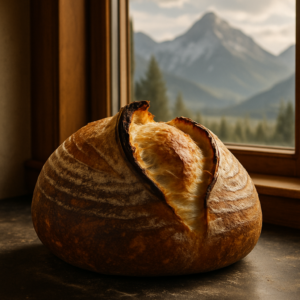
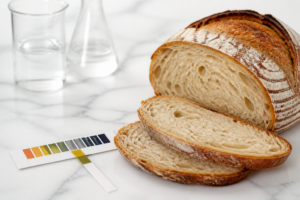
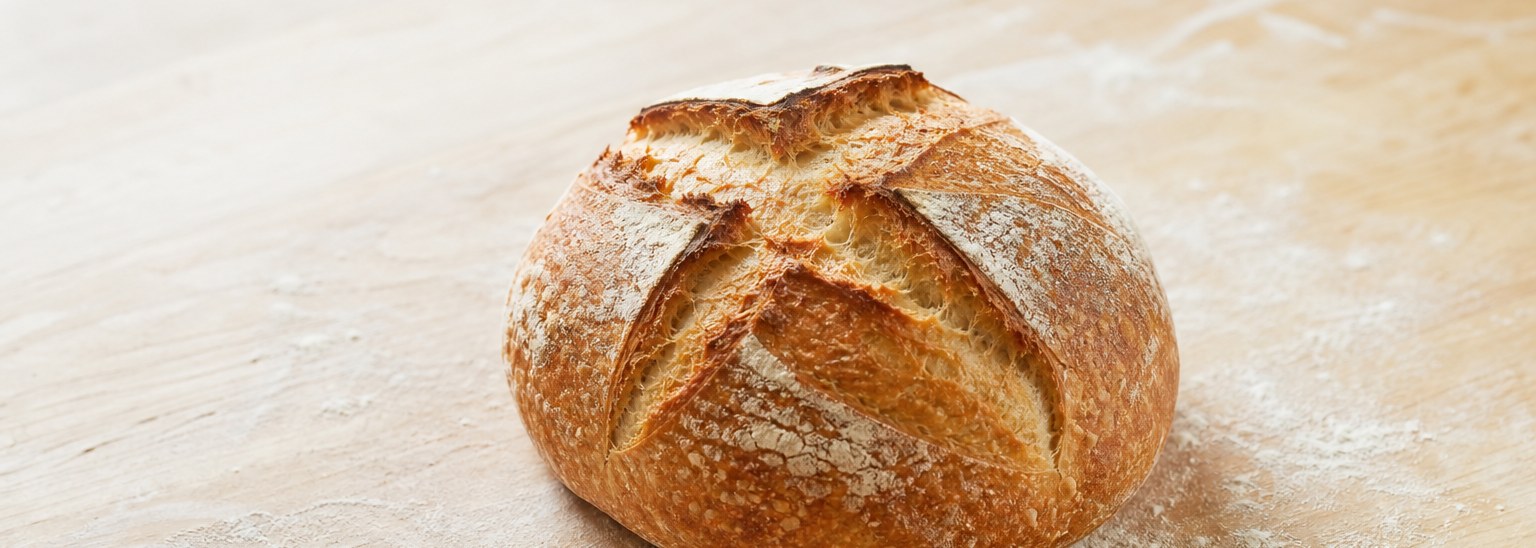
It was not a perfect loaf. The ears were a bit ragged and the crumb was slightly gummy in the middle because I did not bake it long enough. But it was unambiguously, unmistakably sourdough. Tangy and chewy with a crackling crust, and it came from a starter I had almost thrown in the bin because it worked too well, too fast.
That moment changed how I think about baking in Singapore. Our tropical heat is not an obstacle to work around. It is genuinely one of the most favourable environments on earth for sourdough fermentation. Our kitchens are warm, our ambient yeast populations are active and diverse, and our starters get going with remarkable enthusiasm. If you have been discouraged by guides that make sourdough sound like a 10-day commitment before you can even think about baking, I hope this post reframes things for you. Your sourdough starter ready fast in this tropical heat is not a mistake. It is your climate doing you a favour.
Start that starter, watch for the signs, trust your nose and your thermometer more than you trust the calendar, and bake something wonderful. Your Singapore kitchen is already set up to help you succeed.
About This Article

Written by Sam Whitaker. Sam Whitaker has been baking sourdough for over a decade, including three years baking commercially, and now works out of a home kitchen in the Pacific Northwest. Sam's eleven-year-old starter, Harold, is the foundation for every recipe and troubleshooting guide on Sourdough Rising — real bread tested over and over until it works. More about this site.
Scope and limits. Sam is a home baker with no formal culinary training. Follow current food safety guidance for storage and handling, particularly with enriched or filled doughs.
Verify this against a primary source
Specifics change, and your situation may differ from the one described here. These are the authorities worth checking directly:
- USDA FoodData Central — flour and ingredient composition data
- FoodSafety.gov — safe handling and storage