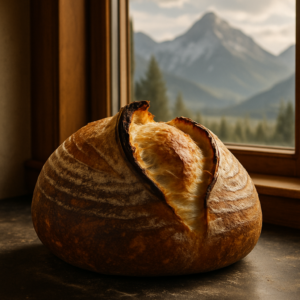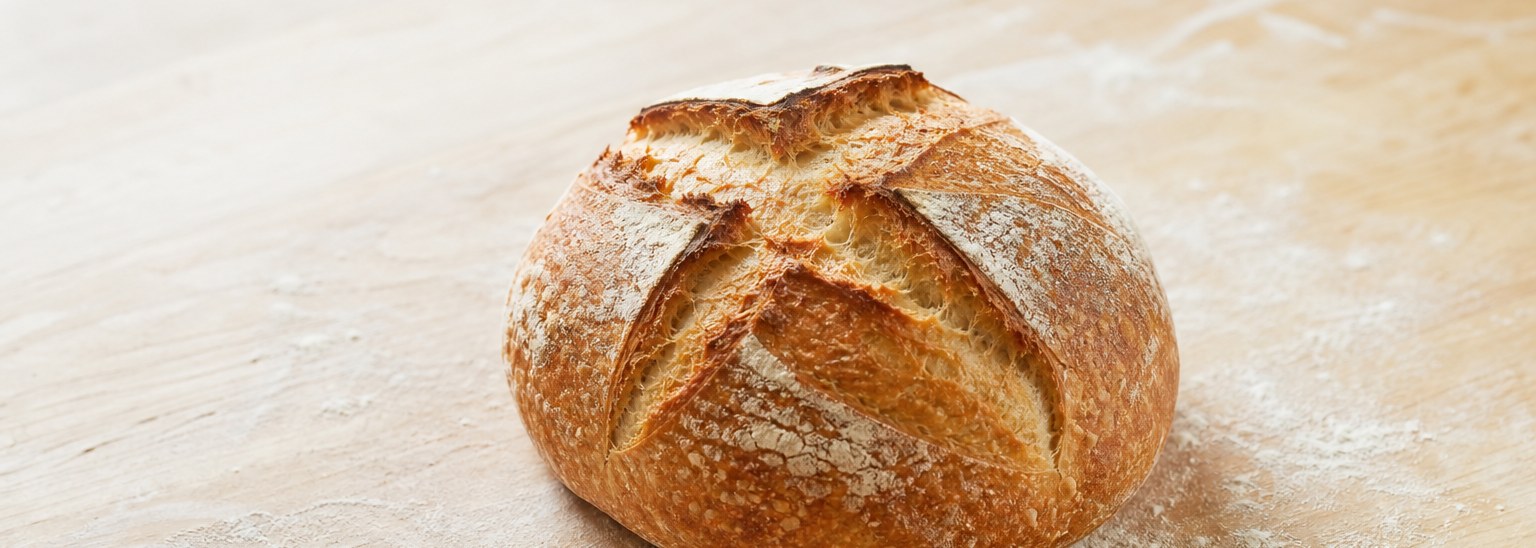
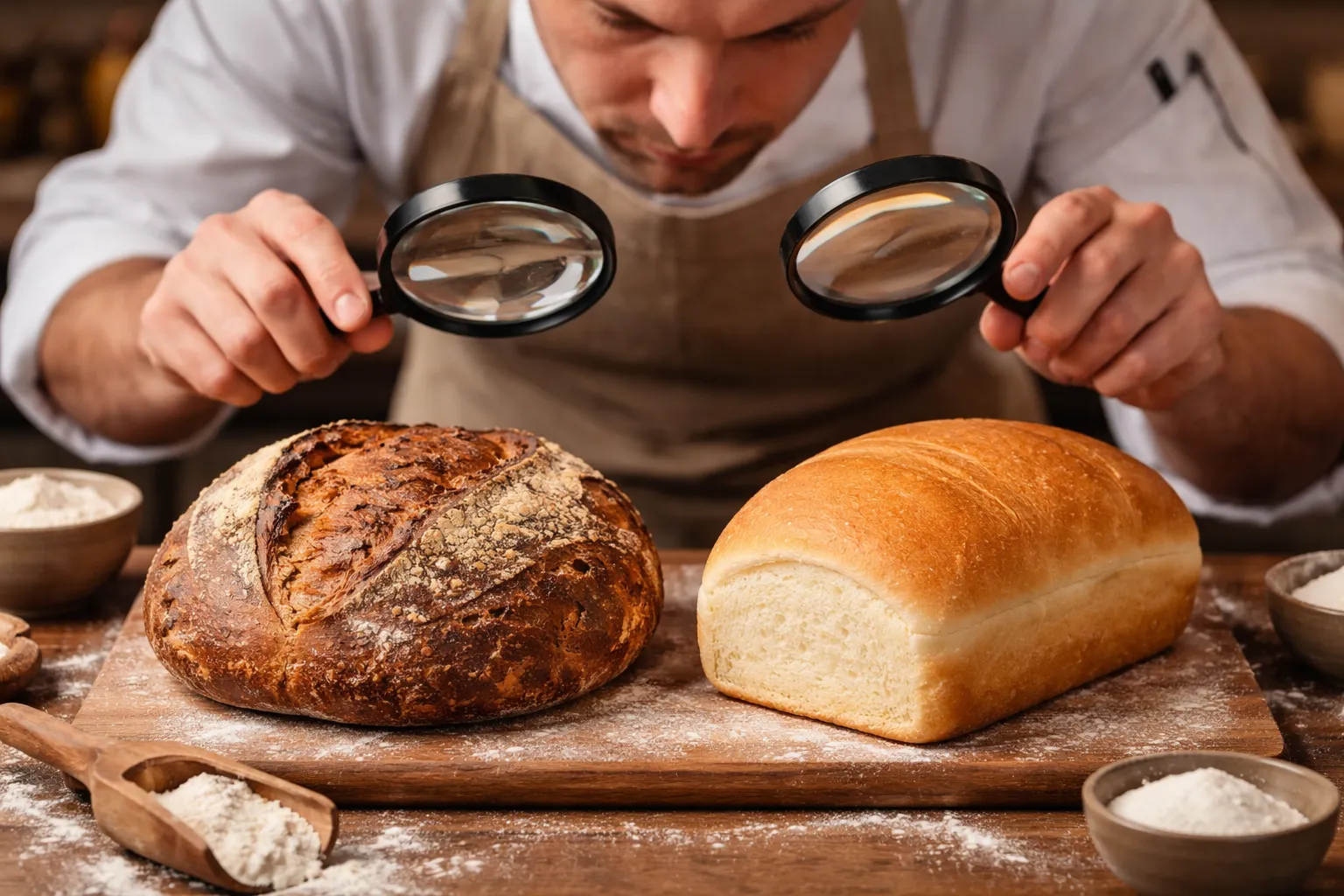
A brutal, un-air-conditioned July heat wave had turned my kitchen into a rogue proofing box, and that’s the backdrop for the Saturday morning I stood there holding two loaves that looked like twins, fully convinced I’d wrecked them both. My shirt was dusted in flour, my coffee had gone stone cold on the counter, and my dog was giving me the kind of look you reserve for someone who might need an intervention. This was the low point of my head-to-head test of wild yeast vs commercial yeast sourdough. Or at least, that’s what I thought at the time.
By then I’d logged roughly two years behind the sourdough learning curve, babying my starter the way some people baby a temperamental houseplant. Online, though, the same argument kept resurfacing — does wild yeast genuinely beat quick commercial yeast, or is that just baker folklore? I figured the only real way to settle it was to run my own controlled, side-by-side bake. What came out of that afternoon was equal parts kitchen science and slapstick comedy, and honestly, it taught me more than almost anything else I’ve picked up in this hobby.
| Attribute | Wild Yeast (Harold) | Commercial Yeast (Red Star Active Dry) |
|---|---|---|
| Fermentation consistency | Slow, unpredictable rise times | Rise times held steady bake after bake |
| Flavor profile | Complex, developed after 24 hours | Simpler, clean, neutral |
| Crust quality | Deeply satisfying crackle | Noticeably thinner, more fragile |
| Reliability as reference point | Unknown variable in equation | Fixed, dependable baseline |
| Pantry shelf life | Requires ongoing maintenance (starter care) | Keeps for months |
What Pushed Me to Put Wild Yeast and Commercial Yeast Head to Head
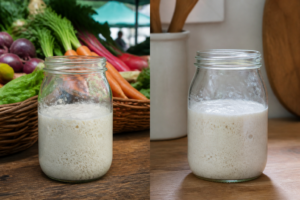
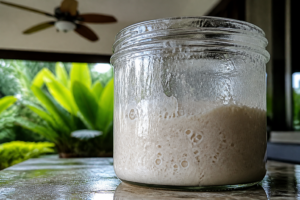
My starter — I call him Harold — had been through a genuinely rough stretch. He was moving slow, his smell had tipped from tangy into full-on vinegar, and three loaves in a row had come out about as light as a doorstop. My husband, sweet man, had started quietly sneaking store-bought sandwich bread into the pantry. I clocked it immediately. I said nothing. But I clocked it.
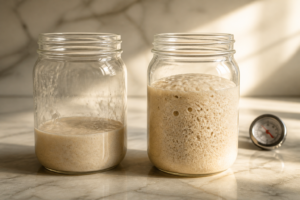
Someone in my online baking group floated an idea: bake the exact same recipe twice, at the same time, one batch leaning on Harold and one leaning on commercial yeast, and watch where the two paths split. The whole point was isolating a single variable — everything else locked down identically. Same flour, same hydration, same shaping method, same Dutch oven doing double duty. One dough carried by wild yeast and months’ worth of built-up lactic acid bacteria. The other propped up by a plain, dependable packet of commercial yeast pulled straight off the pantry shelf.
Here’s the spoiler: the gap between the two turned out to run far deeper than taste alone, and the whole humiliating saga with Harold traced back to a fixable cause I’d been overlooking for months.
Why My Sourdough Starter Lost My Trust — And Commercial Yeast Stepped In
Running wild yeast against commercial yeast in a fair test only works if the commercial side of the equation behaves itself every single time — which matters most exactly when your starter is misbehaving and you’re trying to figure out why one loaf rose beautifully while the other stalled out. That’s the role a dependable active dry yeast plays: it becomes your fixed point of reference instead of one more unknown in the equation.
Where Commercial Yeast Pulled Its Weight
- Its fermentation behaved on schedule — rise times held steady bake after bake, which let me pin down exactly what Harold was or wasn’t contributing.
- The flavor comes out simpler than wild yeast, sure, but it’s clean and neutral enough to stay out of the way while you’re trying to taste what actually separates the two methods.
- The packets keep for months sitting in the pantry, so on the occasion my starter flat-out died — it does happen — I had a backup that performed correctly the very first time I cracked it open.
Where It Fell Short
- The crust comes out noticeably thinner and more fragile than true sourdough crust, so you lose that deeply satisfying crackle when you slice in.
- Once your palate knows what a full 24 hours of wild yeast fermentation tastes like, the commercial yeast loaf starts to feel flat and one-note, no matter how long you stretch out the bulk ferment.
I nearly tossed my very first commercial yeast dough in the trash simply because it felt so unfamiliar — tighter, less airy, nothing like my sourdough dough — but that unfamiliarity turned out to be the whole value of the exercise. Red Star Active Dry Yeast gave me the baseline measurement I needed to finally understand what Harold’s wild yeast was actually doing on its own.
Frequently Asked Questions
Why did you compare wild yeast to commercial yeast?
I wanted to settle whether wild yeast genuinely beats commercial yeast or if that’s just baker folklore. By running a controlled, side-by-side bake with the same recipe, flour, hydration, and shaping method, I could isolate wild yeast as a single variable. This gave me a fixed point of reference to understand what Harold was actually contributing to my loaves.
What brand of commercial yeast did you use?
I used Red Star Active Dry Yeast. It gave me the baseline measurement I needed to finally understand what Harold’s wild yeast was actually doing on its own.
How long did commercial yeast fermentation take?
The article doesn’t specify a fermentation time for commercial yeast. However, the fermentation behaved on schedule with rise times holding steady bake after bake, which was consistent and predictable enough to use as a reliable comparison point against Harold’s wild yeast.
What’s the taste difference between wild yeast and commercial yeast?
Wild yeast from 24 hours of fermentation develops complex flavor that makes commercial yeast loaves taste flat and one-note by comparison. Commercial yeast produces simpler, cleaner flavor that’s neutral enough to stay out of the way while comparing the two methods, but once your palate knows true sourdough, commercial yeast feels noticeably less developed.
About This Article

Written by Sam Whitaker. Sam Whitaker has been baking sourdough for over a decade, including three years baking commercially, and now works out of a home kitchen in the Pacific Northwest. Sam's eleven-year-old starter, Harold, is the foundation for every recipe and troubleshooting guide on Sourdough Rising — real bread tested over and over until it works. More about this site.
Scope and limits. Sam is a home baker with no formal culinary training. Follow current food safety guidance for storage and handling, particularly with enriched or filled doughs.
Verify this against a primary source
Specifics change, and your situation may differ from the one described here. These are the authorities worth checking directly:
- USDA FoodData Central — flour and ingredient composition data
- FoodSafety.gov — safe handling and storage