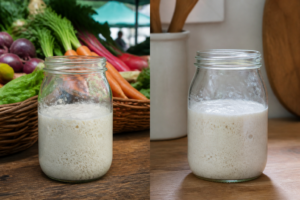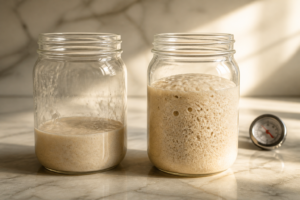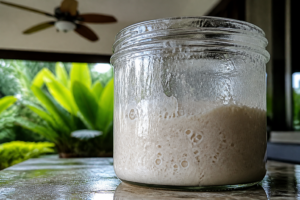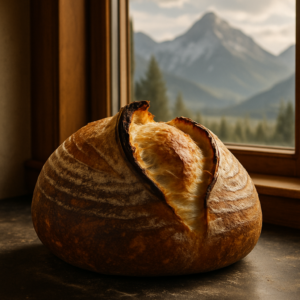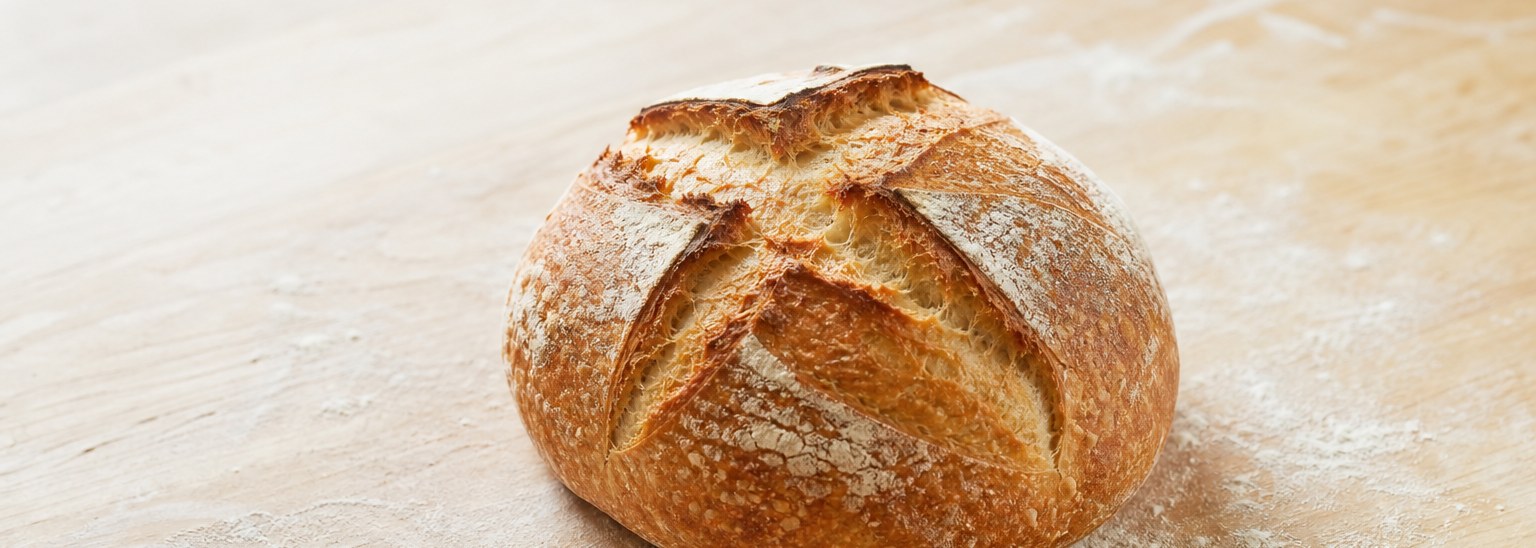
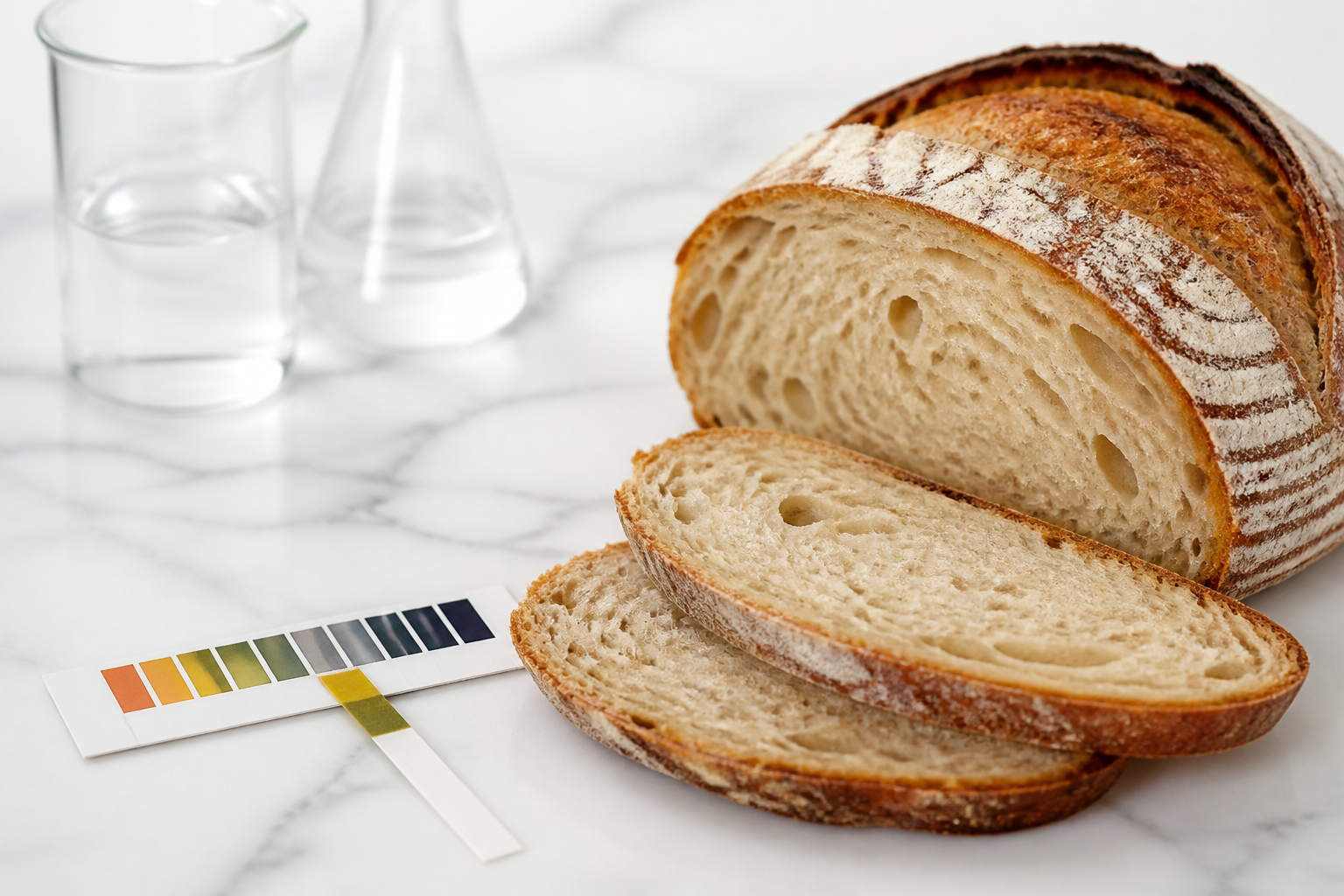
The lid barely cracked open before the smell hit me — something sharp, almost like vinegar folded into ripe yogurt — and my first thought was, that’s stronger than usual. That was the same starter I’d fed the night before, the one that went into the loaf I served my mother-in-law at dinner a few hours later. She took one bite, scrunched her face like she’d bitten straight into a lemon wedge, and announced to the whole table, “Goodness, this is SOUR! Did you forget to add sugar or something?” My husband’s eyebrows shot up. My face went hot. And sitting there, I genuinely couldn’t explain whether that bite of tang meant something had gone wrong — or whether is sourdough bread acidic simply describes what a properly fermented loaf is supposed to taste like.
That mortifying dinner sent me chasing pH charts, fermentation chemistry, and gut-health studies until the whole subject rearranged how I bake and how I explain my bread to people. Eleven years into this hobby now, including a stretch of several years running weekend bakes for neighbors out of my own kitchen, I learned that everything I thought I understood about sourness was barely the surface of it.
So, Is Sourdough Bread Acidic? Here’s the Quick Version
Yes, sourdough carries real acidity — but it’s the useful kind, not the flaw my mother-in-law assumed it was. The tang people notice comes from a loaf that typically sits somewhere between pH 3.5 and 4.5, and where exactly it lands depends on how long and how you let it ferment. That acid comes mainly from lactic acid and acetic acid, both generated by wild yeast and lactobacillus bacteria working slowly through your dough over hours or days.
Here’s what flipped a switch for me: is sourdough bread acidic in ways that actually make it gentler on digestion and more nutritious than a standard loaf of sandwich bread. That extended fermentation breaks phytic acid down naturally, can lower gluten content in certain cases, and leaves behind conditions where your gut bacteria practically feel invited in. Once I finally walked my mother-in-law through this at our next dinner, her skepticism turned into genuine curiosity.
The Chemistry Behind It: Where Sourdough’s Tang Actually Comes From
That sour edge in sourdough isn’t a slip-up — it’s the deliberate result of a slow fermentation process. Combine flour, water, and salt, then give wild yeast and lactobacillus cultures room to work over hours or even days, and those microbes churn out organic acids as they feed on the starches and sugars sitting inside your dough.
Two acids drive most of that sourness:
- Lactic acid: the gentler, brighter-tasting acid. It forms early in fermentation and gives you a pleasant tang without any harsh edge.
- Acetic acid: the sharper of the two. It builds up later in fermentation and produces that unmistakable, almost vinegar-like sourness that splits people into lovers and haters.
Somewhere in the middle of those big weekend-baking years, I figured out I could steer which acid took the lead just by tweaking temperature and timing. Warm, quick fermentations leaned lactic and produced milder bread. Cool, stretched-out ferments pushed things toward acetic acid and gave me funkier, sharper loaves. That single realization is what let me stop apologizing for my bread and start explaining it — nothing was going wrong, I was just choosing a direction.
Why This Acidity Isn’t Just About Flavor
This is the part of my research that actually won over skeptics at family gatherings. That acidity isn’t only shaping taste — it’s doing protective, beneficial work behind the scenes. A low-pH environment created by those acids handles several jobs at once:
- It neutralizes phytic acid, which otherwise locks up minerals like iron, zinc, and calcium and keeps your body from absorbing them
If you’d rather measure than guess when it comes to your dough’s or finished loaf’s acidity, a dedicated food pH meter is the most direct route there. The EZTOCH Food pH Meter, Digital pH Meter for Food Fermentation Canning is built specifically for food use, so you’re not forcing a general-purpose lab meter to do a job it wasn’t designed for. It hands you an actual number instead of a “smells about right” guess, which matters if consistency is what you’re chasing.
- It partially breaks down gluten protein chains, which may make the bread easier on you if you deal with mild gluten sensitivity
- It builds an environment where lactobacillus flourishes, potentially giving your gut microbiome a boost when you eat the finished bread
- It preserves the loaf naturally — that acidity functions as nature’s own preservative
Once I laid out these facts for my mother-in-law, something in the conversation changed. She stopped making faces and started asking real questions. By the time I handed her my copy of “The Sourdough School: The Ground-Breaking Guide to Making Gut-Friendly Bread,” she was actually curious about sourdough’s real benefits instead of writing it off as simply “too sour.”
My Go-To Tools for Getting a Handle on Sourdough Acidity
After more than ten years of trial and error, I’ve settled on a handful of tools and resources that genuinely help me understand and steer fermentation. If you’re trying to get a better handle on your own sourdough, these are the things that have moved the needle most for me:
Once you’re regularly checking your starter and dough, a meter shaped to fit into tight containers changes your whole workflow. The YINMIK Food pH Meter Digital pH Tester Spear pH Probe pH Reader for Canning uses a narrow, spear-style probe that makes testing small batches simple without needing a wide-mouth jar. It’s a solid pick if you’re switching between starter, dough, and canning jars in the same kitchen session.
To actually understand the science driving what’s happening in your dough, “Sourdough by Science: Understanding Bread Making for Successful Baking” is a book I recommend constantly. It lays out the chemistry without turning your brain to mush, and it completely changed the way I troubleshoot fermentation problems.
If you want a practical, modern approach that skips the microbiology degree, “10-Minute Sourdough: Breadmaking for Real Life” works well for busy people who still want a quality loaf. And if the health angle is what pulls you in, the “The Sourdough School Sweet Baking & The Sourdough School By Vanessa Kimbell 2 Books Collection Set” gives you the kind of thorough foundation I wish I’d had starting out.
The single tool that really changed my fermentation consistency was the “Aliquot Method Jar Sourdough Fermentation Tracker – 2 Pack.” It sounds like exactly the kind of gadget I’d normally skip, but being able to track dough rise objectively without repeatedly opening my banneton cut out an enormous amount of guesswork. It let me dial in precisely how sour I wanted my finished loaves by showing me exactly when bulk fermentation hit its sweet spot.
The Payoff: What Happened Once Understanding Took Over
Six months after that disastrous dinner, I invited my in-laws back over, this time with a carefully planned tasting lined up. I baked three loaves at different fermentation lengths and walked through exactly how long each one fermented and what that meant for its acid profile.
The loaf from an 18-hour bulk ferment came out mild and easy to like. The 48-hour cold ferment turned funkier and more layered. And sure, the 72-hour loaf was sour enough to make faces again — but this time I had an explanation ready: “That acidity is actually what makes this bread easier to digest and helps preserve it naturally. You’re not eating something that went wrong — you’re eating something built to work with your body instead of against it.”
One thing I tell any baker just starting to test pH is: don’t skip calibration. An uncalibrated meter is arguably worse than skipping the test altogether, since it hands you false confidence. The GIDIGI Digital pH Meter for Food Fermentation with pH Calibration Solution ships with calibration solution already included, so you get accurate readings straight out of the box instead of hunting down buffer packets separately. That small bundle removes just enough friction to help the testing habit actually stick.
My mother-in-law went with the mildest loaf, but she got the point. She understood that is sourdough bread acidic by design, and that design serves a purpose. Better still, she’s now the one in the family explaining the health benefits to everyone else. My husband still laughs about how a chemistry lesson turned his mother into a sourdough convert.
The bigger takeaway wasn’t just winning over a skeptic — it was realizing that understanding changes everything. Once you know why is sourdough bread acidic and what that acidity is actually doing, you stop being defensive about your loaves and start feeling proud of them. You get to shape your fermentation on purpose. You get to talk about your baking with confidence instead of apologizing for it.
That’s the point where sourdough stops feeling intimidating and starts feeling genuinely rewarding — both as something you eat and as something you’ve actually come to understand.
Has there been a moment when finally understanding the “why” behind your baking changed how you thought about it? Tell me about it in the comments. And if you’re ready to go deeper into the science of it all, grab one of the resources I mentioned above. Your next loaf — and your next family dinner — will be better for it.
Frequently Asked Questions
What pH range does sourdough bread typically have?
Sourdough bread typically sits somewhere between pH 3.5 and 4.5, depending on how long and how you ferment it. That acidity comes mainly from lactic acid and acetic acid, both generated by wild yeast and lactobacillus bacteria working slowly through your dough over hours or days.
Can I control how sour my sourdough loaf tastes?
Yes. Warm, quick fermentations lean toward lactic acid and produce milder bread. Cool, stretched-out ferments push things toward acetic acid and give you funkier, sharper loaves. You can steer which acid takes the lead by tweaking temperature and timing.
Does sourdough acidity actually help with digestion?
Sourdough’s acidity does beneficial work beyond flavor. The low-pH environment neutralizes phytic acid so your body can absorb minerals like iron, zinc, and calcium better. It partially breaks down gluten protein chains, potentially making bread easier on you if you have mild gluten sensitivity.
What’s the difference between lactic and acetic acid in sourdough?
Lactic acid is the gentler, brighter-tasting acid that forms early in fermentation and gives a pleasant tang. Acetic acid is sharper and builds up later in fermentation, producing that unmistakable, vinegar-like sourness that some people love and others avoid.
About This Article

Written by Sam Whitaker. Sam Whitaker has been baking sourdough for over a decade, including three years baking commercially, and now works out of a home kitchen in the Pacific Northwest. Sam's eleven-year-old starter, Harold, is the foundation for every recipe and troubleshooting guide on Sourdough Rising — real bread tested over and over until it works. More about this site.
Scope and limits. Sam is a home baker with no formal culinary training. Follow current food safety guidance for storage and handling, particularly with enriched or filled doughs.
Verify this against a primary source
Specifics change, and your situation may differ from the one described here. These are the authorities worth checking directly:
- USDA FoodData Central — flour and ingredient composition data
- FoodSafety.gov — safe handling and storage