Bread Lame, Grignette, or Bare Razor Blade: Which Scoring Tool Is Actually Right for You?
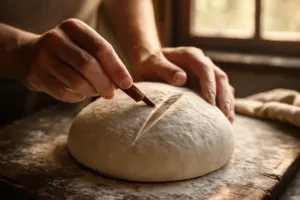
The moment that stuck with me was watching a dull blade snag on cold, tacky dough skin instead of gliding through it — a little tear where a clean line should have been, the surface tension bunching up around the cut like fabric caught on a nail. That single snag told me the tool in my hand, not my hand itself, was the problem. Any scoring tool can technically open a loaf, but the differences reveal themselves in the small stuff: how cleanly a blade releases from the dough, how much control you get over depth and curves, and how much money or fuss you’re okay with before your dough starts to slump and warm on the counter. If you’ve already got your angle, depth, and timing down — that’s covered step by step in our complete scoring technique guide — what’s left to sort out is which physical tool you should actually be holding. Here’s an honest breakdown of the three main contenders, and why one of them lives permanently in my apron pocket.
Technique Only Gets You So Far Without the Right Blade
No amount of practiced technique will rescue a bad blade. A dull edge tears and drags no matter how perfect your angle or timing is, and any tool that blocks your line of sight makes it harder to commit to a clean, confident stroke. The three tools that come up again and again — the curved lame, the grignette, and a plain, unadorned razor blade — each balance sharpness, cost, and ease of use differently. There’s no universal winner here. Which one suits you depends entirely on what shapes you’re scoring and how often that blade is coming out of the drawer.
The Curved Lame That Turned My Scoring From Guesswork Into a Skill
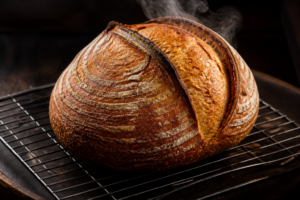
For a long stretch I was butchering my loaves with dull knives and razors that snagged the surface instead of slicing cleanly through it. Switching to a sharp, correctly angled bread lame flipped things around almost overnight — my scores started opening the way I wanted, real ears began forming, and I stopped muttering at the banneton every single bake.
Where it earns its keep
- The edge holds a real bite across dozens of bakes, so you’re never leaning into the dough or tearing through its surface tension the way I did with old kitchen knives.
- The handle geometry naturally holds you at that 30–45 degree sweet spot without any conscious effort, which is exactly what lets an ear form instead of the score just falling flat.
- It’s light enough to move fast before the dough softens in your hands, and unlike some blades it won’t gum up or need constant wiping between cuts.
Where it falls short
- Eventually the edge gives out — no blade lasts forever — and swapping in a fresh one costs more than you’d guess for such a small scrap of steel.
- Left-handed bakers or anyone with smaller hands will notice the handle angle fighting them, forcing a grip that takes a while to stop feeling foreign.
I doubted this tool would make that much of a difference until I scored my first cold, proofed loaf with it and watched the dough open exactly where I cut — no tearing, no second-guessing. Pick up a bread lame and you’ll understand why bakers have been using them for generations.
Weighing the Grignette Against the Straight Knife and the Naked Razor
A curved lame isn’t the only route to a good score, and depending on your bake, it might not even be the smartest pick. Here’s an honest look at how the other tools compare.
The Grignette: Sharper Control, Bigger Learning Curve
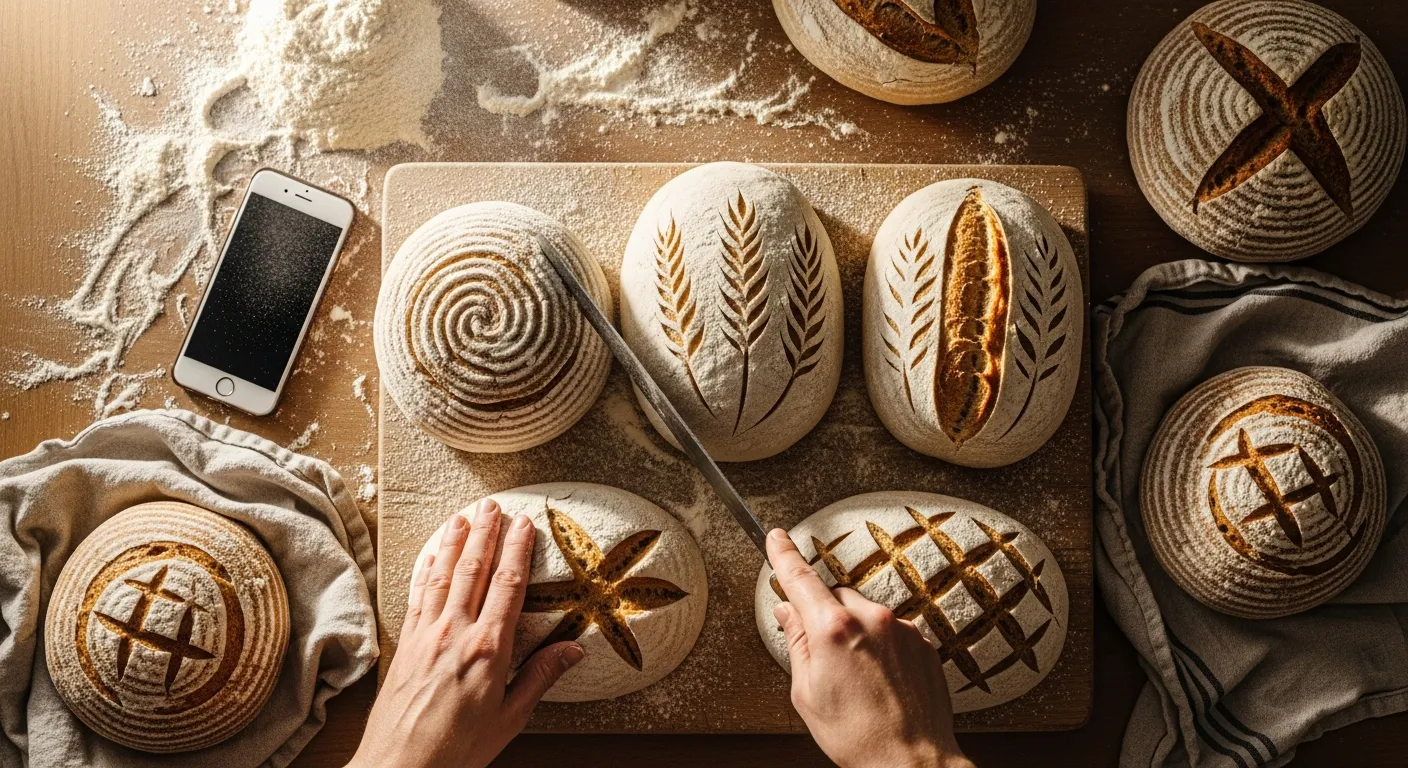
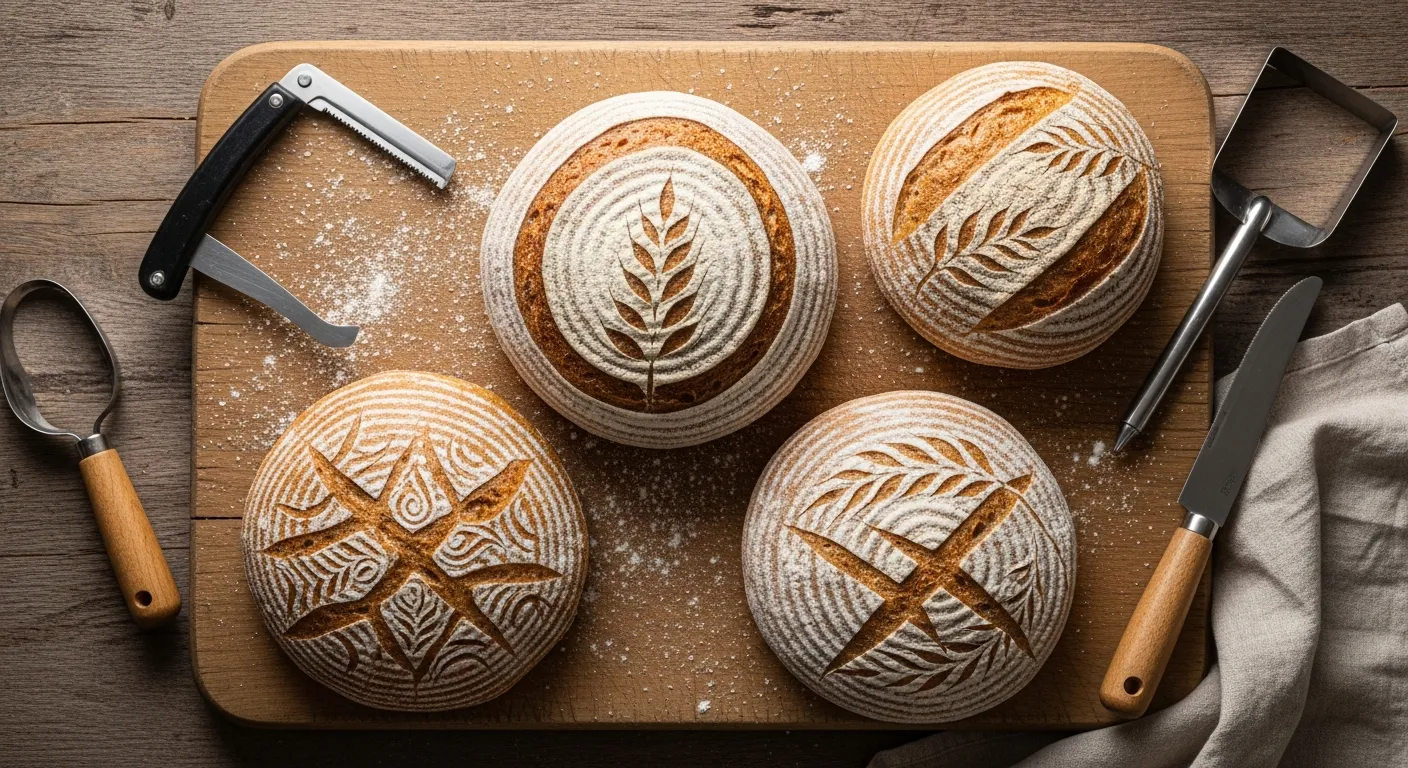
A grignette is a slim, flat-profile scoring tool. Among bakers, the word almost always points to a holder built around a swappable razor blade, rather than the fixed, curved edge you find built into a standard lame. Because you can pop the blade out and replace it, the edge stays razor-fresh indefinitely — no retiring the whole tool once it dulls. That constant sharpness, paired with a flat blade profile instead of a curved one, is exactly why experienced bakers reach for a grignette when they want intricate swirls, curving slashes, or wheat-stalk motifs that a curved lame just can’t pull off cleanly. The catch is control: held at a shallow angle, a flat blade wants to drift off course, so it demands steadier hands and real practice before your grignette results beat what a curved lame gives you straight out of the box.
The Straight Scoring Knife: Built for Long, Decorative Lines
A straight scoring knife gives up the curved lame’s ergonomic curve in exchange for a longer, stiffer blade. That added length lets you drag a single, unbroken cut across a full-size boule or batard without repositioning your hand halfway through — which counts for a lot if you’re chasing a long, decorative line instead of one utilitarian slash. It’s a specialty pick — most home bakers can skip it entirely — but if elaborate leaf or lattice patterns are a regular thing for you, the longer blade solves the “stitched-together short cuts” issue that a standard lame runs into.
The Bare Razor Blade: Rock-Bottom Cost, Real Compromises
Some bakers ditch the handle altogether and pinch a fresh double-edge razor blade between two fingers. It costs next to nothing if you’ve already got blades sitting around, and the edge itself is every bit as sharp as what’s tucked inside a lame or grignette — you’re only sacrificing ergonomics. Without a handle there’s no leverage, no built-in angle guide, and a genuine chance of nicking a finger on cold, slick dough, particularly if your hands are still damp from shaping. It gets the job done, and plenty of seasoned bakers stick with it out of pure habit, but it’s not what I’d hand a beginner as their very first scoring tool.
| Tool | Best For | Learning Curve | Typical Cost |
|---|---|---|---|
| Curved Bread Lame | Everyday single slashes and crosshatches, beginners | Low — works well on your first loaf | $ |
| Grignette | Intricate swirls, curves, wheat-stalk patterns | High — expect a few rough loaves while you learn | $–$$ |
| Straight Scoring Knife | Long, continuous decorative cuts on large loaves | Medium | $$ |
| Bare Razor Blade | Budget scoring, bakers who don’t mind no handle | Medium — no angle guide to lean on | Free–$ |
So Which Tool Should Land in Your Cart?
If you’re still working through your first couple dozen loaves, grab a curved bread lame first — it forgives the most mistakes in this lineup and delivers a genuine ear without requiring pinpoint blade control. Once basic slashes and crosshatches stop feeling like a gamble and you’re itching for more elaborate patterns, that’s your cue to pick up a grignette. Reserve the straight scoring knife for when you’re specifically baking oversized, decorative loaves, and think of the bare razor blade as a fallback tool rather than something to start with.
Frequently Asked Questions
What angle does a bread lame hold your blade at?
A curved bread lame’s handle geometry naturally holds you at the 30–45 degree sweet spot without any conscious effort. This correct angle is exactly what lets an ear form instead of the score just falling flat on your loaf.
Can you replace the blade in a grignette?
Yes, a grignette is built around a swappable razor blade, so you can pop the blade out and replace it whenever it dulls. Because the edge stays razor-fresh indefinitely, you never have to retire the whole tool once the blade loses its bite.
What’s the best scoring tool for beginners?
A curved bread lame is the best first choice. It forgives the most mistakes in the lineup and delivers a genuine ear without requiring pinpoint blade control, making it well-suited to your first couple dozen loaves.
Is scoring with a bare razor blade safe?
A bare razor blade costs next to nothing and has a sharp edge, but you sacrifice ergonomics and leverage. There’s a genuine chance of nicking a finger on cold, slick dough, particularly if your hands are still damp from shaping.
About This Article

Written by Sam Whitaker. Sam Whitaker has been baking sourdough for over a decade, including three years baking commercially, and now works out of a home kitchen in the Pacific Northwest. Sam's eleven-year-old starter, Harold, is the foundation for every recipe and troubleshooting guide on Sourdough Rising — real bread tested over and over until it works. More about this site.
Scope and limits. Sam is a home baker with no formal culinary training. Follow current food safety guidance for storage and handling, particularly with enriched or filled doughs.
Verify this against a primary source
Specifics change, and your situation may differ from the one described here. These are the authorities worth checking directly:
- USDA FoodData Central — flour and ingredient composition data
- FoodSafety.gov — safe handling and storage