Getting the Basics of Sourdough Scoring Right
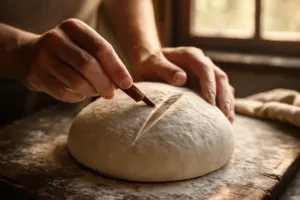
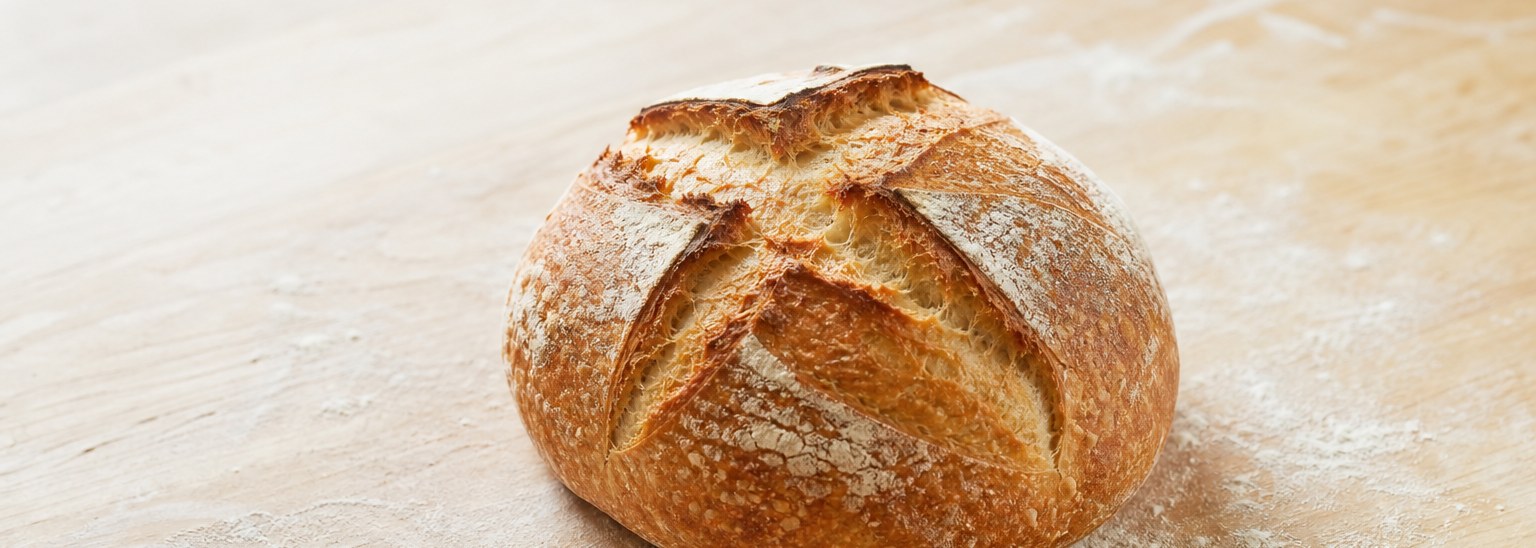
No recipe card walks you through this part: scoring is what turns an ordinary loaf into something people stop and stare at. It means slicing deliberately into the dough’s skin right before it hits the oven, and those slices aren’t just decoration. They also do a job — steering exactly how the loaf blows up during baking so you end up with a pattern instead of chaos.
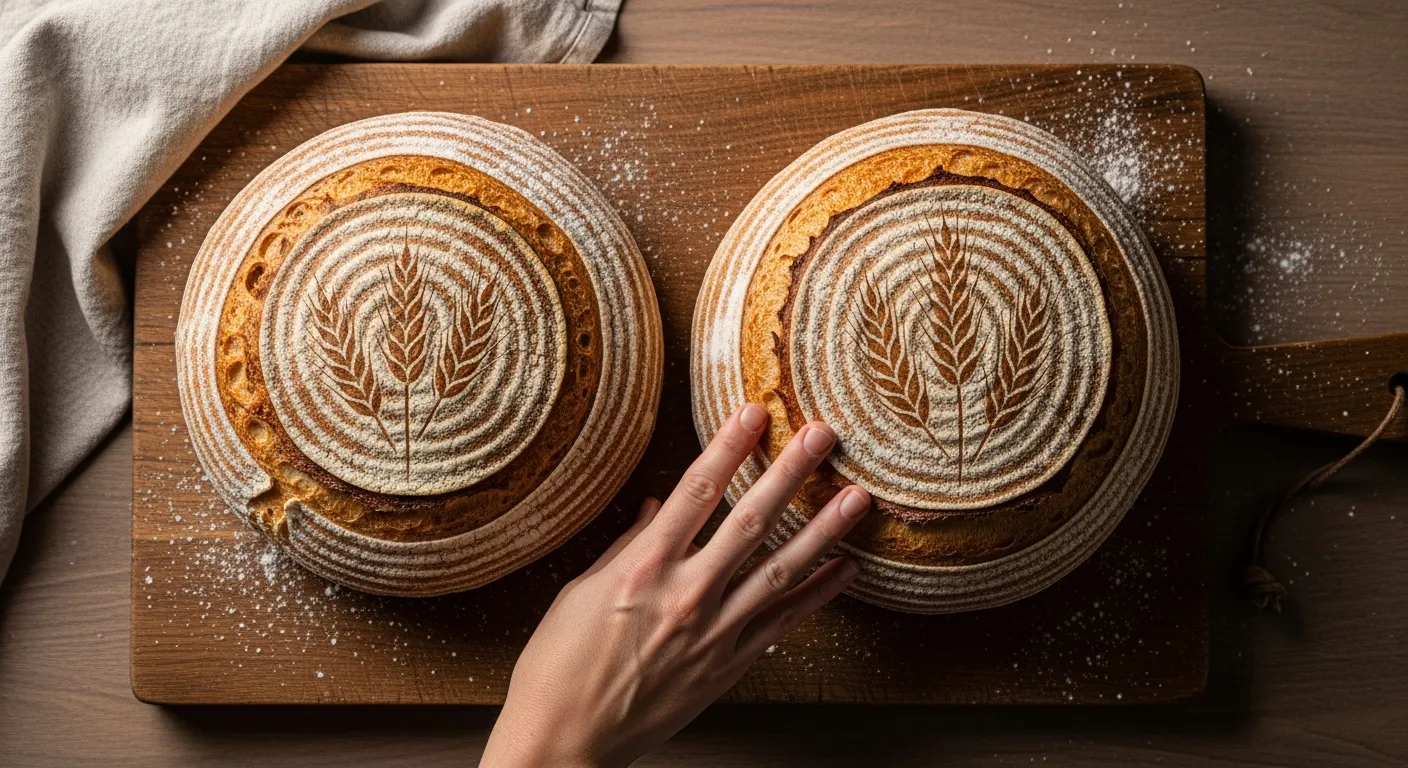
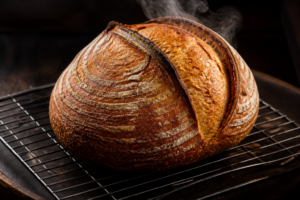
Every cut you make becomes a set of instructions for where the dough is allowed to go in the oven. Skip proper scoring and the loaf will find its own exit point, usually somewhere ugly. Cut with intention, though, and you funnel that oven spring exactly where you planned — which is how you end up with the dramatic “ear” bakers chase.
A score is basically a message to the dough: this is the only spot allowed to move. In those first violent minutes of baking, steam and yeast activity slam the dough upward and outward all at once. Skip the scoring and the crust hardens unevenly, so the loaf has no choice but to split wherever it’s weakest — not where you’d have picked. Get the scoring right, though, and you sidestep the blowouts entirely, landing instead on those clean, deliberate openings that make a loaf look like it came from a real bakery.
| Dough Temperature | Blade Result | Score Outcome |
|---|---|---|
| Cold, fridge-chilled | Clean cuts, holds edge | Holds line, opens in oven |
| Too warm / over-proofed | Slices through fine | Bounces back, seals before oven |
| Very cold from fridge | Can snag and shred | Ragged, brittle surface tears |
Why the Technique Matters More Than Most Bakers Assume
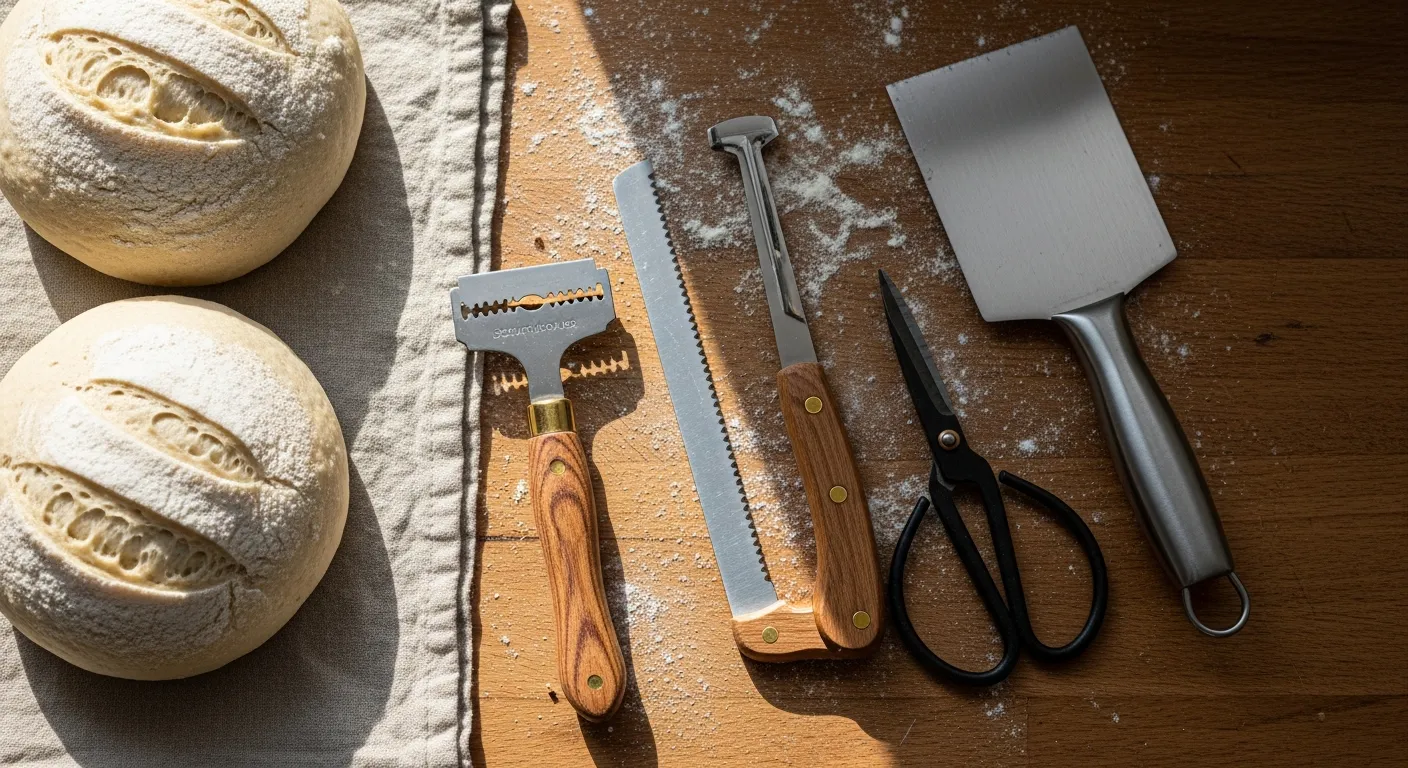
A lot of home bakers don’t realize how heavily their equipment and hand movements factor into the final result. For a stretch of years, my scores came out shallow and jagged because I was reaching for whatever blade was closest — my bread knife one day, a utility blade pinched between nervous fingers the next. The outcomes were all over the map: some loaves bloomed gorgeously, others tore open wrong or barely budged. It took a while before I understood the issue had nothing to do with my dough recipe and everything to do with how I was cutting it.
Good scoring rests on three things happening at once. First is angle — usually somewhere between 30 and 45 degrees, adjusted for whatever pattern you’re going for. Second is a blade sharp enough to glide through the dough in one clean stroke instead of snagging. Third is a tool small enough that it doesn’t block your line of sight while you cut. Miss any one of these and even flawless dough turns scoring into a frustrating guessing game.
The Lame That Finally Put Me in Control of My Cuts
A tired blade or a wobbly hand reduces scoring to luck — the cuts stay shallow, the metal drags, and whatever design you had in mind flattens into a sloppy gash. A real lame hands you the angle, steadiness, and razor-clean edge required to actually pull off the design in your head.
Where it earns its keep
- Because it folds, you get a true 45-degree angle without wrestling to hold the blade steady — the cut lands where you intended, not wherever the blade happened to slide.
- The razor holds its edge across several bakes, so you’re getting crisp openings instead of the torn, ragged look that shows up when a dull blade fights cold dough.
- The handle stays out of your sightline, so you can watch the actual surface as you cut instead of guessing at your own line halfway through.
Where it falls short
- Swapping the blade feels awkward the first couple of times — the mechanism itself is solid, but there’s a bit of a learning curve if you’ve never folded one before.
- Score dough straight out of the fridge without giving it even 5 minutes to warm, and the blade can still snag and shred slightly on that cold, brittle surface.
I almost returned mine after my first score went sideways—literally, the blade was at the wrong angle and I nearly tore a flap off—but once I got the feel for holding it, my scores became consistent for the first time. If you’re tired of ragged, unpredictable results, grab a folding bread lame.
The Actual Steps: How I Score, Start to Finish
Owning a good lame only solves part of the puzzle. What you do with it is what decides whether your cuts blossom or fall flat. Here’s the sequence that finally gave me results I could count on:
Get the dough into the right state first. Cut the loaf the moment it comes out of the fridge or the proofing basket. You want the surface cool, not stiff and frozen — dough that’s too cold gets brittle skin that tears instead of unfurling. If it just came from a very cold fridge, give it 5 to 10 minutes sitting on your work surface before you cut. Working with a room-temperature proof instead? Score right before it goes into your preheated Dutch oven or onto the stone.
Set the angle before you start cutting, not during. A 45-degree angle is what gives you maximum expansion and that classic ear. Bring the blade in at that angle from the very first touch — don’t try to correct your angle mid-stroke. This is exactly why a folding lame helps so much: it nudges you into that angle automatically.
Commit to the cut instead of tiptoeing through it. A hesitant hand gives you a shallow score that won’t open the way it should. Aim for a depth of roughly 1/4 to 1/2 inch, adjusting for the size of your loaf. Pull the blade through in one smooth, steady motion. One confident pass beats several timid ones — repeated shallow scratches just damage the dough without ever creating a real opening.
Pick a pattern you can actually execute. A straight single cut down the middle is the most forgiving option and almost always produces a solid ear. Crosshatch designs and wheat-stalk patterns demand more control but reward you visually when they come together. Nail one design consistently before you try layering in something fancier.
The Mistakes That Wreck Otherwise Good Scores
Even with solid equipment in hand, a handful of bad habits will quietly undo your results. I’ve made just about every one of these across dozens of loaves. Learning to spot them early is what sped up my progress the most.
Cutting dough that’s too warm. Let dough sit out too long or over-proof at room temperature, and the surface turns stretchy instead of crisp — it won’t hold a clean line. The blade slices through fine, but the dough just bounces back and seals the cut before it ever hits the oven. This is exactly why cold, fridge-chilled dough is actually the easier target to score.
Fighting the wrong angle. A common habit among home bakers is cutting straight down at 90 degrees, or barely grazing the surface at a shallow angle. Either way, you end up with a thin slit rather than the broad opening that lets oven spring show off. The 45-degree angle — the one a folding lame naturally guides you toward — is the sweet spot between control and drama.
Cutting too deep or not deep enough. Go too deep and you weaken the dough’s structure, inviting random blowouts. Stay too shallow and the score just sits there uselessly while the loaf splits somewhere else entirely. What you’re after is the middle: enough depth to steer the expansion, not so much that you compromise the whole loaf.
Wrapping Up: Put Real Effort Into Your Scoring Setup
Scoring sourdough is one of those deceptively simple-looking skills that actually demands both the right gear and real practice to nail down. For a long stretch, I assumed a beautiful score was proof of advanced skill — something for professional bakeries, not home kitchens. What I eventually figured out was that I’d been sabotaging myself with tools that weren’t up to the job. A proper lame strips away that friction while you’re still learning. It frees you up to focus on dough prep and timing instead of wrestling a blade that can’t hold its angle.
If you’re serious about improving your sourdough, a folding bread lame is one of the best investments you can make. It’s not expensive, it lasts for years with proper care, and it will transform your scoring consistency almost immediately. Combined with the right technique and a bit of practice, you’ll be producing loaves with beautiful, controlled scores that open perfectly every time.
Frequently Asked Questions
What angle should I score sourdough at?
A 45-degree angle gives you maximum expansion and that classic ear. Set the angle before you start cutting, not during, and bring the blade in at that angle from the very first touch. A folding lame naturally guides you toward this sweet spot between control and drama.
Should I score cold dough or warm dough?
Score cold, fridge-chilled dough. If it just came from a very cold fridge, give it 5 to 10 minutes sitting on your work surface before you cut. Warm dough turns stretchy instead of crisp and won’t hold a clean line—the blade slices through but the dough bounces back and seals the cut before it hits the oven.
How deep should I score sourdough?
Aim for a depth of roughly 1/4 to 1/2 inch, adjusting for the size of your loaf. Going too deep weakens the dough’s structure and invites random blowouts. Staying too shallow means the score sits uselessly while the loaf splits somewhere else entirely.
What makes a folding bread lame worth buying?
A folding lame gives you a true 45-degree angle without wrestling to hold the blade steady, holds its edge across several bakes for crisp openings, and keeps the handle out of your sightline so you can watch the surface as you cut. It’s not expensive and lasts for years with proper care.
About This Article

Written by Sam Whitaker. Sam Whitaker has been baking sourdough for over a decade, including three years baking commercially, and now works out of a home kitchen in the Pacific Northwest. Sam's eleven-year-old starter, Harold, is the foundation for every recipe and troubleshooting guide on Sourdough Rising — real bread tested over and over until it works. More about this site.
Scope and limits. Sam is a home baker with no formal culinary training. Follow current food safety guidance for storage and handling, particularly with enriched or filled doughs.
Verify this against a primary source
Specifics change, and your situation may differ from the one described here. These are the authorities worth checking directly:
- USDA FoodData Central — flour and ingredient composition data
- FoodSafety.gov — safe handling and storage