I’ll never forget the mortifying moment my mother-in-law bit into my prized sourdough loaf, made a face like she’d just licked a lemon, and announced loudly at the dinner table: “Goodness, this is SOUR! Did you forget to add sugar or something?” My husband’s eyes went wide. My face turned crimson. And I realized, in that crushing instant, that I had absolutely no idea how to explain why my bread was supposed to taste that way—or whether is sourdough bread acidic in a way that was actually a problem.
That embarrassing dinner party moment sent me down a rabbit hole of pH science, fermentation chemistry, and gut health research that fundamentally changed how I bake and talk about sourdough. After 11 years of home baking and three years running a microbakery, I discovered that what I thought I knew about sourness was only half the story.
Is Sourdough Bread Acidic? The Short Answer
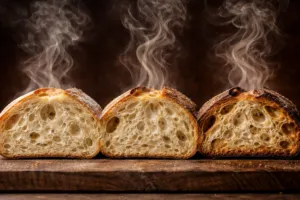
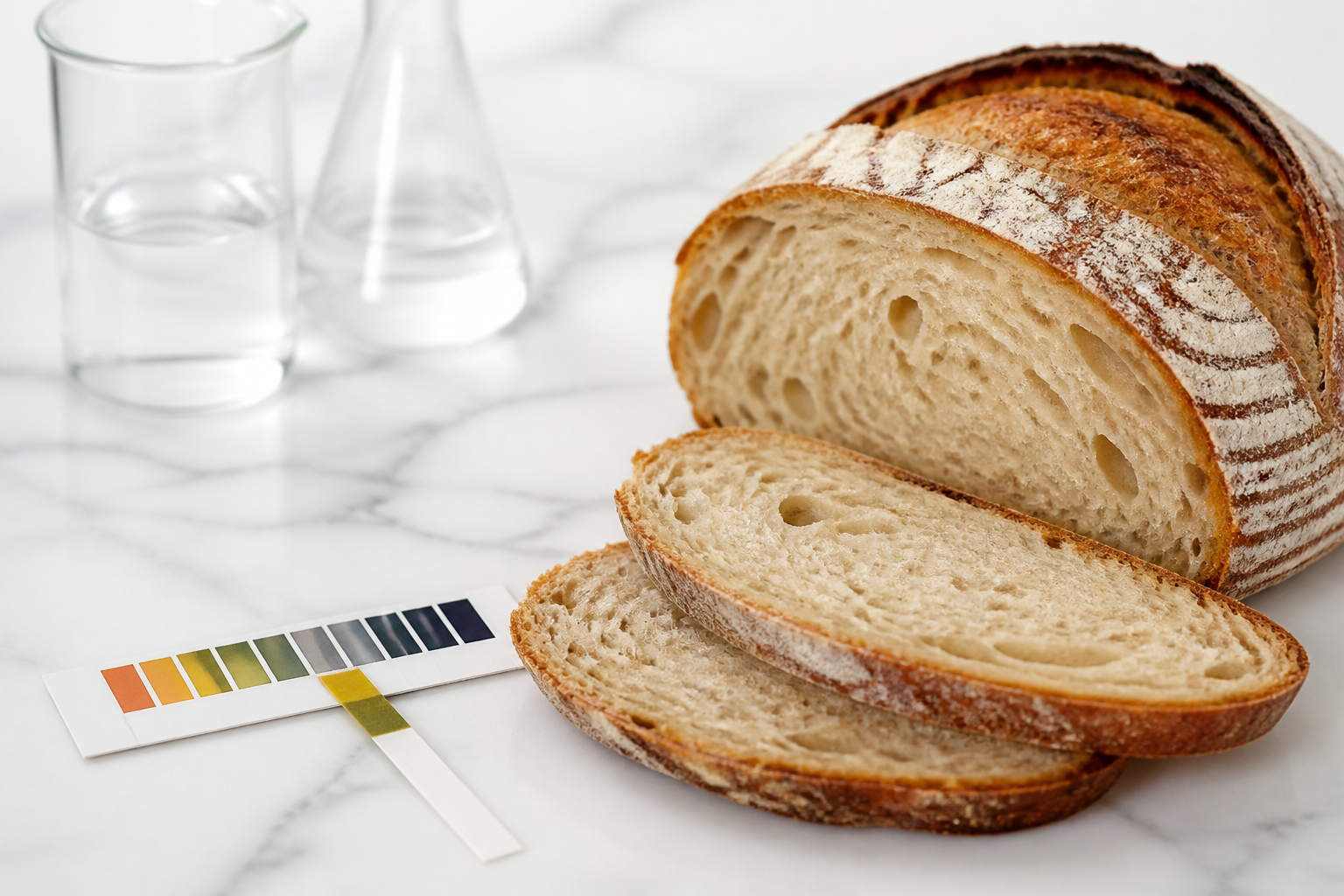
Yes, sourdough is acidic—but in a way that’s actually beneficial, not harmful. The “acidic” part that makes sourdough sour isn’t the enemy your mother-in-law seemed to think it was. The bread typically has a pH between 3.5 and 4.5, depending on fermentation length and conditions. That acidity comes primarily from lactic acid and acetic acid produced by wild yeast and lactobacillus bacteria during the slow fermentation process.
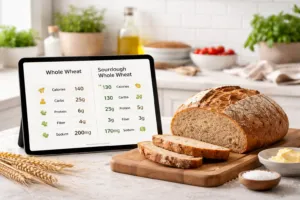
Here’s the thing that changed everything for me: is sourdough bread acidic in ways that can actually make it easier to digest and more nutritious than sandwich bread. The long fermentation naturally breaks down phytic acid, reduces gluten in some cases, and creates an environment where your gut bacteria feel right at home. When I finally explained this to my mother-in-law at the next family dinner, she went from skeptical to genuinely fascinated.
Understanding the Chemistry: Where Does the Sourness Come From?
The tang in sourdough isn’t an accident or a mistake—it’s the intentional byproduct of slow fermentation. When you mix flour, water, and salt, then let wild yeast and lactobacillus cultures do their work over hours or days, those microorganisms produce organic acids as they feed on the starches and sugars in your dough.
There are two main players in this acidic drama:
- Lactic acid: This is the milder, fresher-tasting acid. It develops in the earlier stages of fermentation and gives you that pleasant tang without the sharp bite.
- Acetic acid: This is the aggressive one. It shows up later in fermentation and creates that distinctive, almost vinegary sourness that makes people either love or hate sourdough.
During my microbakery days, I realized I could actually control which acid dominated in my loaves by adjusting temperature and fermentation timing. Warmer, shorter fermentations produced more lactic acid and milder bread. Cooler, longer ferments created more acetic acid and funkier, more sour bread. This was the insight that finally let me defend my sourdough to skeptics—I wasn’t making mistakes, I was making deliberate choices.
Why the Acidity Actually Matters for Your Health
Here’s where my research really paid off at family gatherings. That acidity isn’t just flavor—it’s actually protective and beneficial. The low pH environment created by those acids does several remarkable things:
- Breaks down phytic acid, which normally binds up minerals like iron, zinc, and calcium and prevents your body from absorbing them
- Pre-digests some of the gluten protein chains, potentially making the bread easier to process if you have mild gluten sensitivity
- Creates an environment where lactobacillus thrives, which can support your gut microbiome when you eat the bread
- Preserves the bread naturally—that acidity is essentially nature’s preservative
When I shared these facts with my mother-in-law, something shifted. She started asking real questions instead of making faces. By the time I showed her my copy of “The Sourdough School: The Ground-Breaking Guide to Making Gut-Friendly Bread,” she was genuinely interested in understanding sourdough’s actual benefits rather than just judging it as “too sour.”
What I Use to Master Sourdough Acidity
After more than a decade of experimenting, I’ve landed on some tools and resources that genuinely help me understand and control fermentation. If you’re trying to dial in your own sourdough game, here’s what’s made the biggest difference for me:
For understanding the science behind what’s happening in your dough, I can’t recommend “Sourdough by Science: Understanding Bread Making for Successful Baking” enough. It breaks down the chemistry without making your brain hurt, and it fundamentally changed how I troubleshoot fermentation issues.
If you want practical, modern approaches that don’t require a degree in microbiology, “10-Minute Sourdough: Breadmaking for Real Life” is a game-changer for busy people who still want quality bread. And if you’re serious about the health angle, the “The Sourdough School Sweet Baking & The Sourdough School By Vanessa Kimbell 2 Books Collection Set” gives you the comprehensive foundation I wish I’d had when I started.
The one tool that actually transformed my fermentation consistency was the “Aliquot Method Jar Sourdough Fermentation Tracker – 2 Pack.” I know it sounds like a gadget I’d normally roll my eyes at, but being able to objectively track dough rise without constantly opening my banneton took out so much guesswork. It helped me dial in exactly how much sourness I wanted in my finished loaves by showing me precisely when the bulk fermentation sweet spot hit.
The Happy Ending: When Knowledge Wins
Fast-forward six months from that disastrous dinner party. I invited my in-laws over again, this time armed with a carefully planned tasting. I made three loaves with different fermentation times, explaining exactly how long each one had fermented and what that meant for the acid profile.
The 18-hour bulk ferment loaf was mild and approachable. The 48-hour cold ferment was funkier and more complex. And yes, the 72-hour beast was genuinely sour enough to make faces, but this time I could explain why: “That acidity is actually making this bread more digestible and preserving it naturally. You’re not eating something wrong—you’re eating something that works with your body, not against it.”
My mother-in-law picked the mildest loaf, but she got it. She understood that is sourdough bread acidic by design, and that design has a purpose. Better yet, she’s now the person in the family telling people about the health benefits. My husband still laughs about how a chemistry lesson turned his mom into a sourdough evangelist.
The real lesson wasn’t just about convincing skeptics—it was about understanding that knowledge transforms everything. When you understand why is sourdough bread acidic and what that acidity actually does, you stop being defensive about your bread and start being proud of it. You can control your fermentation intentionally. You can talk about your baking with confidence instead of apologizing.
That’s when sourdough stops being intimidating and becomes genuinely satisfying—both as food and as something you’ve actually understood at a deeper level.
Have you had a moment where understanding the “why” behind your baking changed everything? I’d love to hear your story in the comments. And if you’re ready to dive deeper into sourdough science, pick up one of those resources I mentioned. Your next loaf—and your next family dinner—will be all the better for it.
This post contains affiliate links. As an Amazon Associate, I earn from qualifying purchases.