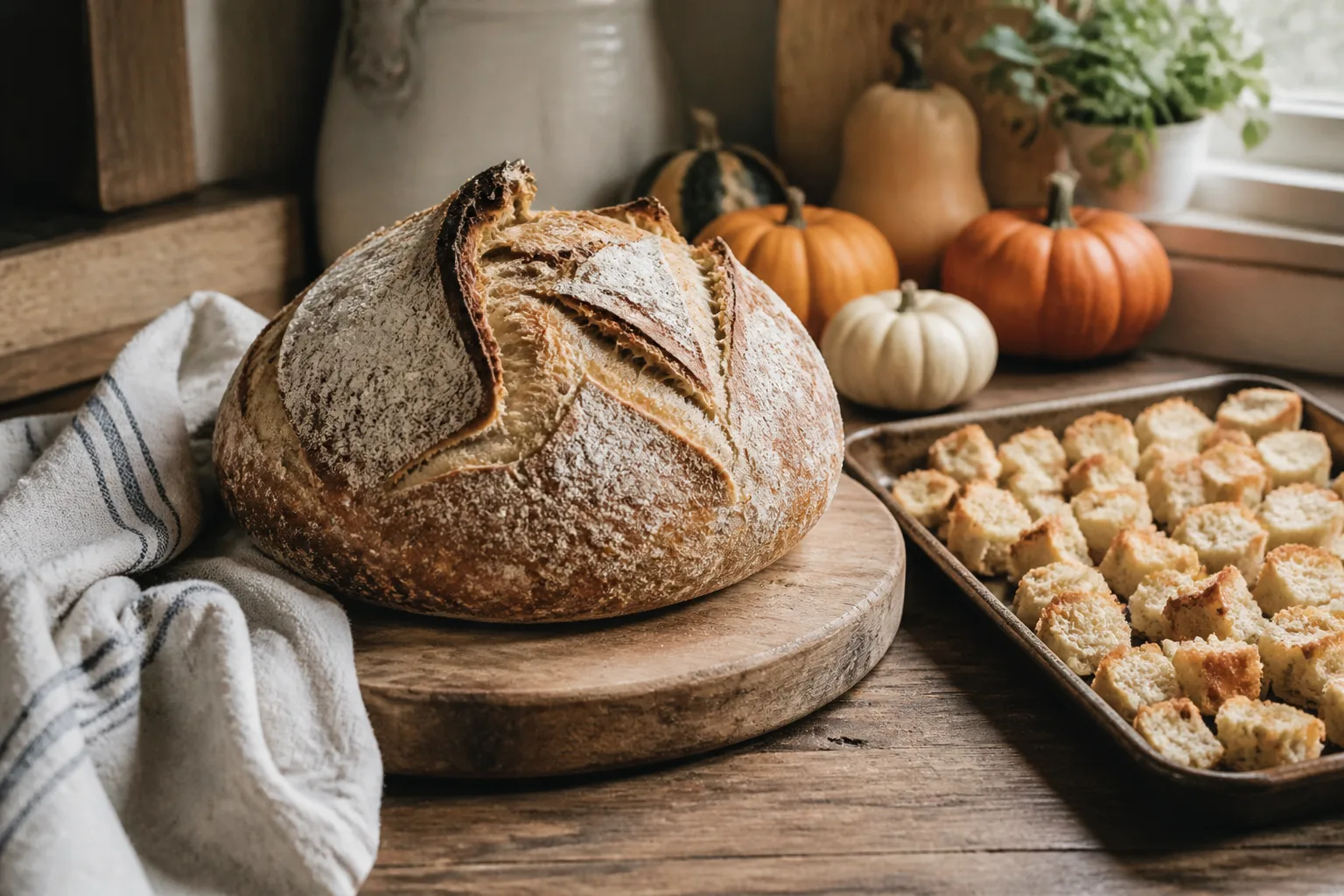
Every Thanksgiving I used to make the same mistake. I would wake up Thursday morning with a full schedule in my head, a turkey to get in the oven, a pan of stuffing to assemble, and a dough that still needed a bake of its own. The oven was the bottleneck, and I was fighting it all day. Eventually I realized the fix was not a faster oven. It was starting earlier.
So here is the short answer. Bake the stuffing bread the weekend before, bake the table loaf on Wednesday, and make the rolls Thursday only if you can fit them around the turkey. Almost everything else can be done before the holiday, which means Thursday is mostly reheating and rest. Working backward from dinner keeps the oven clear and the counter from turning into a dough-covered mess.
Why the Oven Decides Your Schedule
On Thanksgiving, the oven has a job to do before anything else gets a turn. A turkey wants several hours of steady heat, and the sides want their share of the rack. If a loaf of sourdough also needs to bake that morning, something is going to be late or underdone. The easiest way out is to move as much baking as you can to the days before, when the oven is empty and you have room to think.
Sourdough is a good candidate for early baking because it improves with a day or two of rest. The crumb sets, the flavor deepens and the slices hold together cleanly when you cut them. A loaf baked on Wednesday is in better shape on Thursday than one pulled from the oven at breakfast.
The Stuffing Bread: Bake It the Weekend Before
Stuffing needs bread that has lost its softness, but that does not mean bread that has merely gone stale in a bag on the counter. Staling is a change in the starch, while drying is water leaving the crumb, and the two behave differently in the pan. What you want for stuffing is dried bread, cut into cubes that can take up stock without collapsing into paste.
Bake a plain, lean loaf of about one pound (450 grams) on Saturday or Sunday, November 21 or 22. Plain means no add-ins, no heavy seeding and no sugar, so the cubes take on whatever flavor you build around them. On Monday, cut the cooled loaf into cubes about three-quarters of an inch on a side. One pound of bread gives roughly 10 to 12 cups of cubes, which is enough for a 9 by 13 inch pan of stuffing.
To dry the cubes, spread them on a sheet pan and put them in a low oven, around 250 to 275°F, for 30 to 45 minutes. Stir them once halfway through. Let them cool completely before bagging. Cubes dried this way soak up stock evenly and stay tender in the middle, which is the whole point.
The Table Loaf: Mix Tuesday, Bake Wednesday
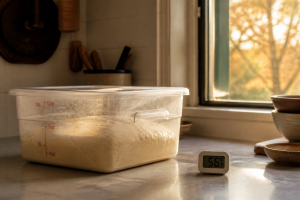
The loaf you slice at the table is the one that deserves the most attention, and it is also the easiest to plan around because the timing is forgiving. Late-November kitchens tend to be cool, and fermentation slows down accordingly. That means you should watch the dough rather than the clock. Aim for a dough temperature of about 76 to 78°F as you go. If your kitchen is chilly, the oven with only the light on makes a reasonable proofing box.
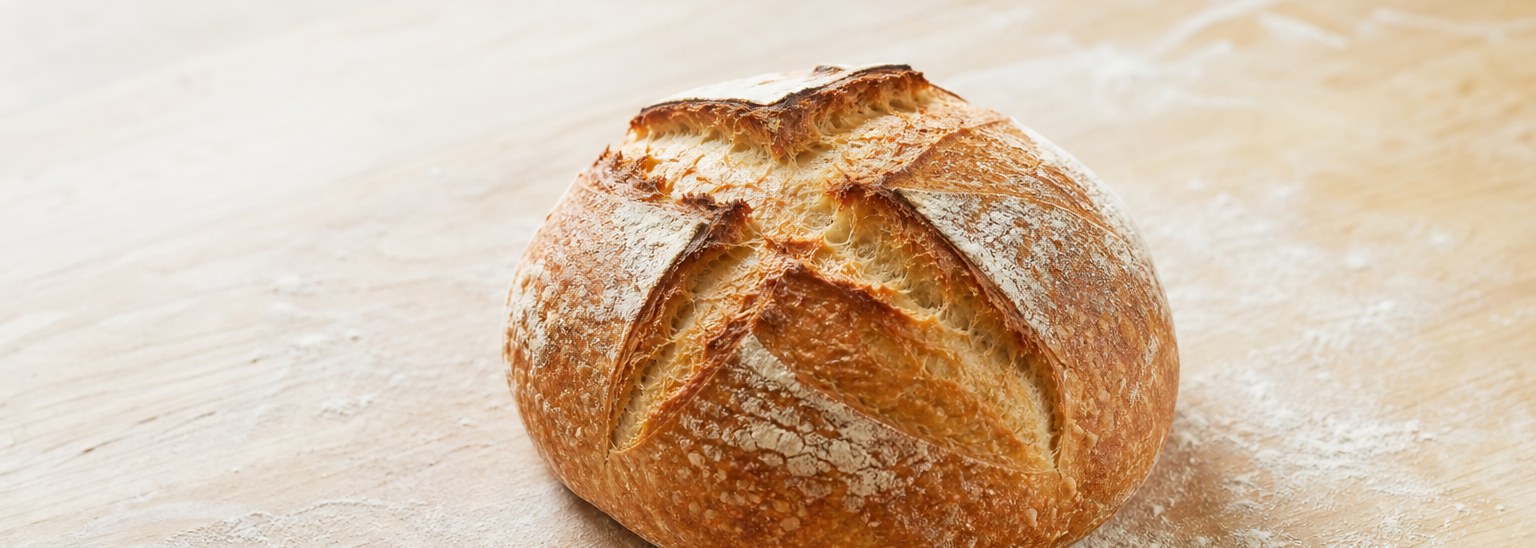
Here is the sequence I use. Feed the starter Monday night. On Tuesday, mix the dough and let it bulk ferment until it has grown and shows bubbles at the edges. Shape it that evening, place it in a banneton or bowl, and put it in the refrigerator overnight. A cold retard of 24 to 36 hours is comfortable, so Tuesday night is a good stopping point. On Wednesday, bake it. By Thursday it will have settled into exactly the loaf you wanted.
If you are nervous about the bake, remember that an underproofed loaf is a more forgiving problem than an overproofed one. A loaf that looks a little tight in the basket will still spring in the oven. A loaf that has gone slack will not come back.
Rolls: Decide Whether Thursday Has Room
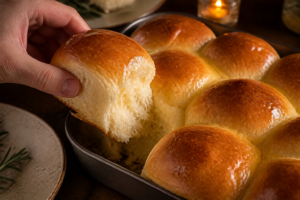
Rolls are the one item that can go either way. They are small, they bake fast and they make the house smell wonderful, so it is tempting to save them for the big day. The trouble is that Thursday already has a lot going on. If you want them fresh, here is how to fit them in. Mix the dough Wednesday morning, shape the rolls Wednesday evening, and refrigerate them overnight. Thursday, pull them out, let them come up at room temperature for an hour or so, and bake them either first thing in the morning or while the turkey rests.
A turkey rests for 30 to 45 minutes after it comes out of the oven, and that window is a natural slot for rolls. Bake them at 375 to 400°F for 20 to 25 minutes. If the oven is still busy, bake them off Wednesday evening instead and reheat them Thursday. They lose a little of their fresh-from-the-oven shine, but they are still very good.
The Day-by-Day Schedule
Here is the whole plan in one place. Adjust the times to your kitchen, and remember that the dough tells you when it is ready.
| Day | Stuffing bread | Table loaf | Rolls |
|---|---|---|---|
| Sat, Nov 21 | Bake the lean loaf | Nothing | Nothing |
| Sun, Nov 22 | Finish the loaf if needed | Nothing | Nothing |
| Mon, Nov 23 | Cube and dry the bread | Feed the starter | Nothing |
| Tue, Nov 24 | Bag the dried cubes | Mix, bulk ferment, shape, refrigerate | Nothing |
| Wed, Nov 25 | Nothing | Bake the loaf | Mix, shape, refrigerate overnight |
| Thu, Nov 26 | Assemble and bake stuffing | Slice and serve | Bake during turkey rest |
A few things to notice. The Saturday and Sunday work is light and completely separate from the rest of the week. The Monday and Tuesday work is the quiet part, mostly waiting. The Wednesday bake is the only real oven task before Thursday, and Thursday itself is mostly assembly and reheating.
A Few Checks Along the Way
Before you start, make a short list so nothing gets missed. Keep it simple:
- Confirm the starter is active and strong by Monday, feeding it at least once before you need it.
- Check that you have enough bags or containers for the dried cubes.
- Clear the fridge shelf for the banneton or bowl on Tuesday night.
- Set aside a clean sheet pan or two for the rolls.
If you plan to freeze anything, do it early. A loaf baked a week or more ahead cools completely, then freezes whole and well wrapped. Thaw it still wrapped at room temperature, then refresh it. That gives you a safety net if the week gets away from you.
Refreshing Bread You Baked Early
Day-old sourdough is easy to bring back to life. Set the loaf straight on the oven rack and warm it at 350°F for about 10 minutes. The crust crisps again and the inside softens. Do this just before serving, not hours before, so the bread does not dry out on the counter while you wait.
Frequently Asked Questions
Can I bake the table loaf the weekend before Thanksgiving?
You can, though the Wednesday bake gives you the best balance of freshness and flavor. A loaf baked the weekend before will still be good, and it frees up even more of the week. If you go that route, store it wrapped at room temperature and refresh it briefly before serving.
How do I know when the dough is ready in a cold kitchen?
Watch the dough instead of the clock. Look for growth, a slight dome and bubbles at the edges, and check that the dough temperature is around 76 to 78°F. Cold kitchens slow fermentation, so the timeline will stretch, and that is fine.
Are dried stuffing cubes the same as stale bread?
Not quite. Stale bread has changed in its starch structure, while dried bread has simply lost its water, and dried cubes soak up stock more evenly. Drying them in a low oven for 30 to 45 minutes gives you the best result for stuffing.
What if I want fresh rolls but my oven is busy on Thursday?
Shape the rolls Wednesday evening and refrigerate them overnight, then bake them during the turkey’s rest or first thing Thursday. If the oven is still tied up, bake them Wednesday night and reheat them Thursday. They will not be quite as fresh, but they will still be a welcome part of the meal.
About This Article

Written by Sam Whitaker. Sam Whitaker has been baking sourdough for over a decade, including three years baking commercially, and now works out of a home kitchen in the Pacific Northwest. Sam's eleven-year-old starter, Harold, is the foundation for every recipe and troubleshooting guide on Sourdough Rising — real bread tested over and over until it works. More about this site.
Scope and limits. Sam is a home baker with no formal culinary training. Follow current food safety guidance for storage and handling, particularly with enriched or filled doughs.
Verify this against a primary source
Specifics change, and your situation may differ from the one described here. These are the authorities worth checking directly:
- USDA FoodData Central — flour and ingredient composition data
- FoodSafety.gov — safe handling and storage