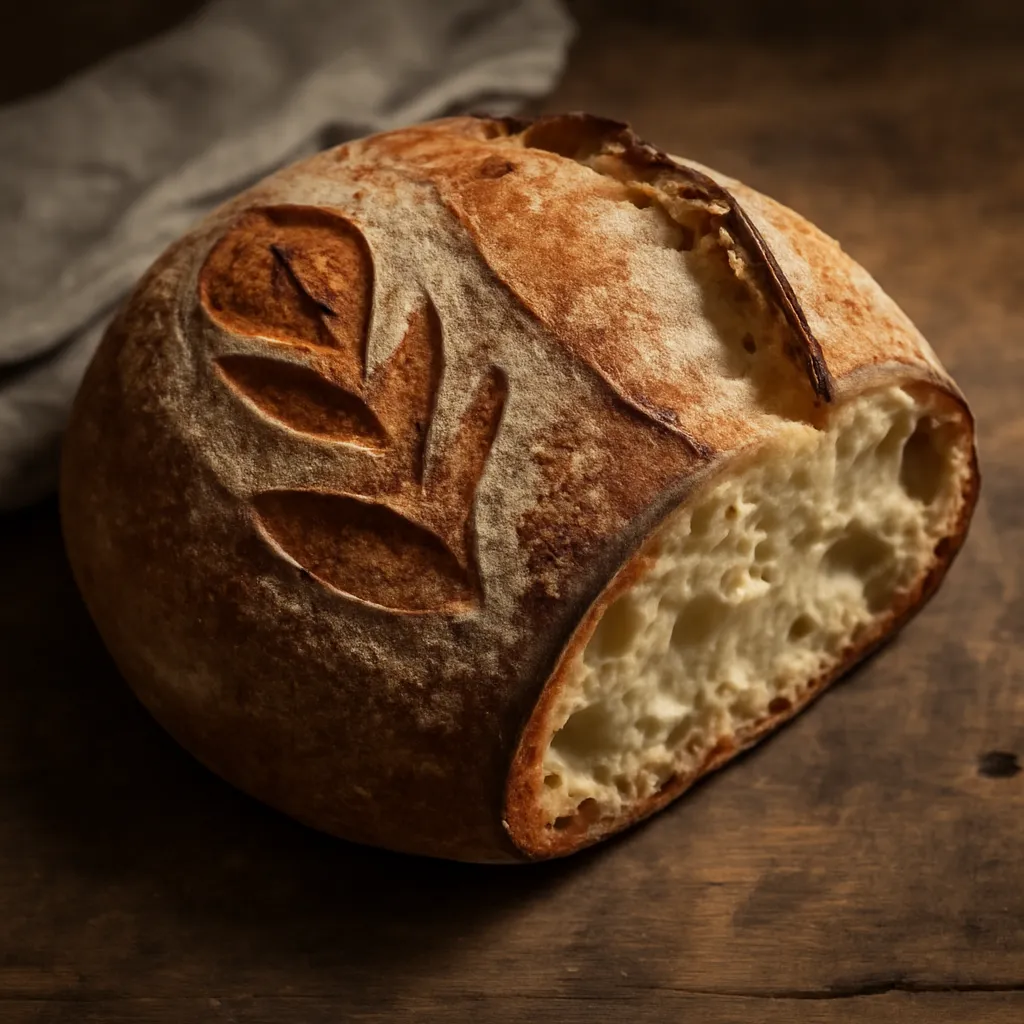
Introduction: The Ancient Pulse Hiding Inside Every Loaf
No recipe card is going to mention this, and most baking guides skip right past it too: the jar of flour and water bubbling on your counter is thousands of years older than the instructions you’re following. Feeding that starter isn’t a chore before the “real” baking begins—it’s you stepping into a ritual that traces straight back to the banks of the Nile. That living mix of microbes, flour, and water is a direct thread connecting your kitchen to sun-baked riverbanks in ancient Egypt. It’s culinary history you can actually hold in a jar, handed down through countless generations of bakers who never met each other. What follows is a look at how Egypt’s particular climate and cleverness turned plain flour-and-water paste into humanity’s first leavened bread—a legacy still rising on kitchen counters today. Along the way we’ll dig into the real history of sourdough bread in ancient Egypt and trace the actual origins of the sourdough starter back to where it began.
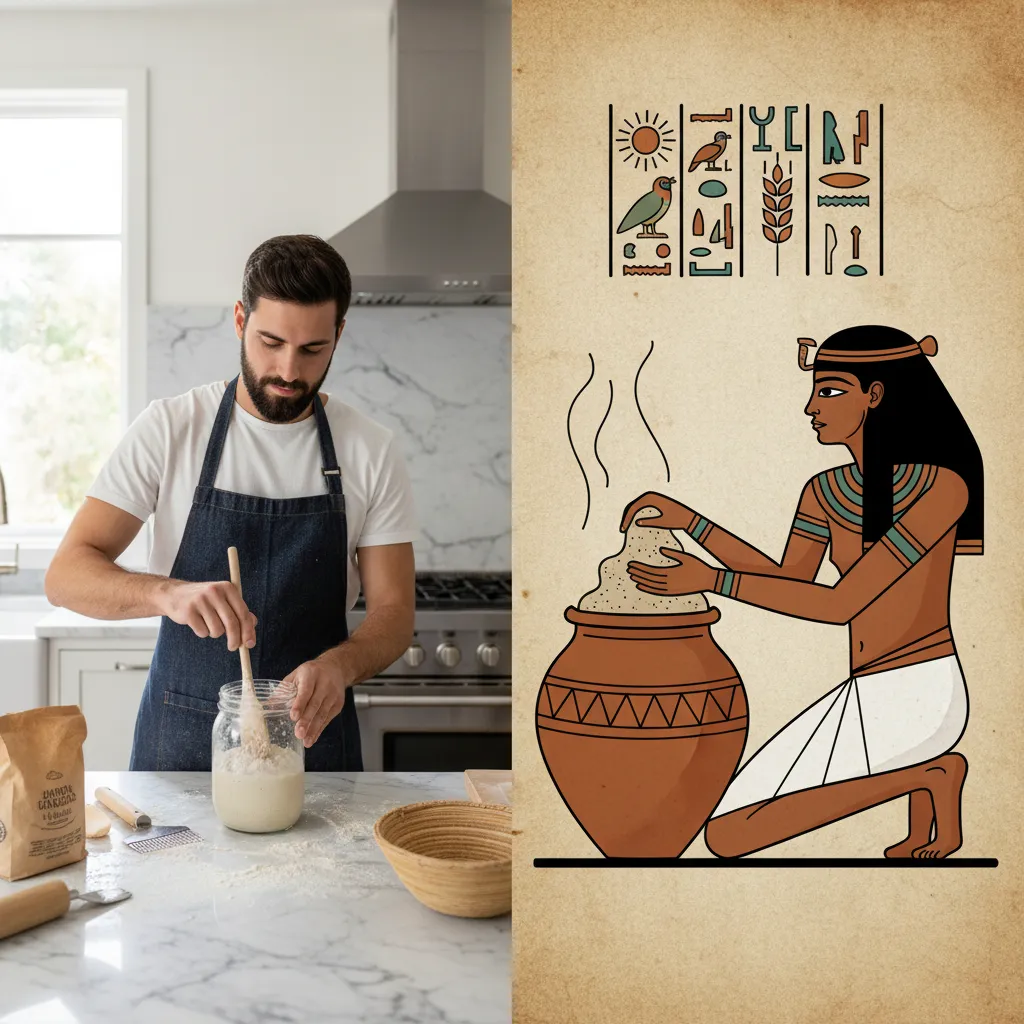
Fermentation’s First Spark: A Lucky Mistake in the Fertile Crescent
Long before Egyptian bakers refined anything, the groundwork was laid by an agricultural shift. Once people in the Fertile Crescent started cultivating wild grasses, grains like emmer wheat and barley got domesticated in the process. At first, all anyone did with them was grind the grain and stir it with water into a plain, flat porridge or gruel.
Getting from porridge to something resembling bread almost certainly happened by chance. Leave a bowl of that gruel sitting out in warm air long enough, and it turns into an open invitation for wild yeast and stray bacteria drifting through the air. Those unseen organisms would gorge themselves on the grain’s sugars and, in doing so, release carbon dioxide as a byproduct. Cook that bubbly, fermented batter on a hot stone and it puffs up—suddenly you’ve got something lighter, more flavorful, and easier on the stomach than any flatbread that came before.
This kind of accidental rise probably happened independently in more than one place, but some of the oldest hard evidence turns up somewhere unexpected:
* Switzerland, 3700 BC: Archaeologists uncovered pieces of leavened bread there, confirming Europeans were already working with fermentation well before anyone was writing history down.
So the basic principle of leavening was floating around in more than one culture. What set Egypt apart is that its bakers took that accident, observed it closely, and turned it into a craft they could repeat on command.
Egypt’s Contribution to the Craft: Sourdough Becomes Deliberate
Why Egypt specifically? The Nile Valley worked like a natural fermentation chamber. Steady warmth combined with air already thick with wild yeasts and microbes off the fertile soil gave a flour-and-water paste everything it needed to come alive. But Egyptian bakers had one more thing working in their favor: beer.
Brewing First, Baking Second
Egyptians brewed on a serious scale, producing a thick, nourishing beer that was practically a food group in its own right. What got left behind after brewing—a foamy, yeast-loaded runoff called barm—turned out to be a powerful leavener. Bakers almost certainly scooped up that barm to jump-start fermentation in their bread dough. Brewing and baking fed off each other, and out of that pairing grew a whole culture built around fermentation know-how.
Building the First ‘Mother’ Culture
Here’s where Egyptian ingenuity really shows: they figured out how to make fermentation self-sustaining. There was no need to keep going back to the brewers for barm. Once a batch of leavened dough turned out well, they’d simply pinch off a piece and set it aside for the following day. That leftover scrap—raw, teeming with microbes, the original ‘mother’ culture—got worked into the next batch, seeding it with the exact same yeast and bacteria that had already proven themselves.
That’s the moment the perpetual sourdough starter came into existence. It was a genuine breakthrough—one that delivered light, airy, consistent bread every time and turned baking from a gamble into something you could count on.
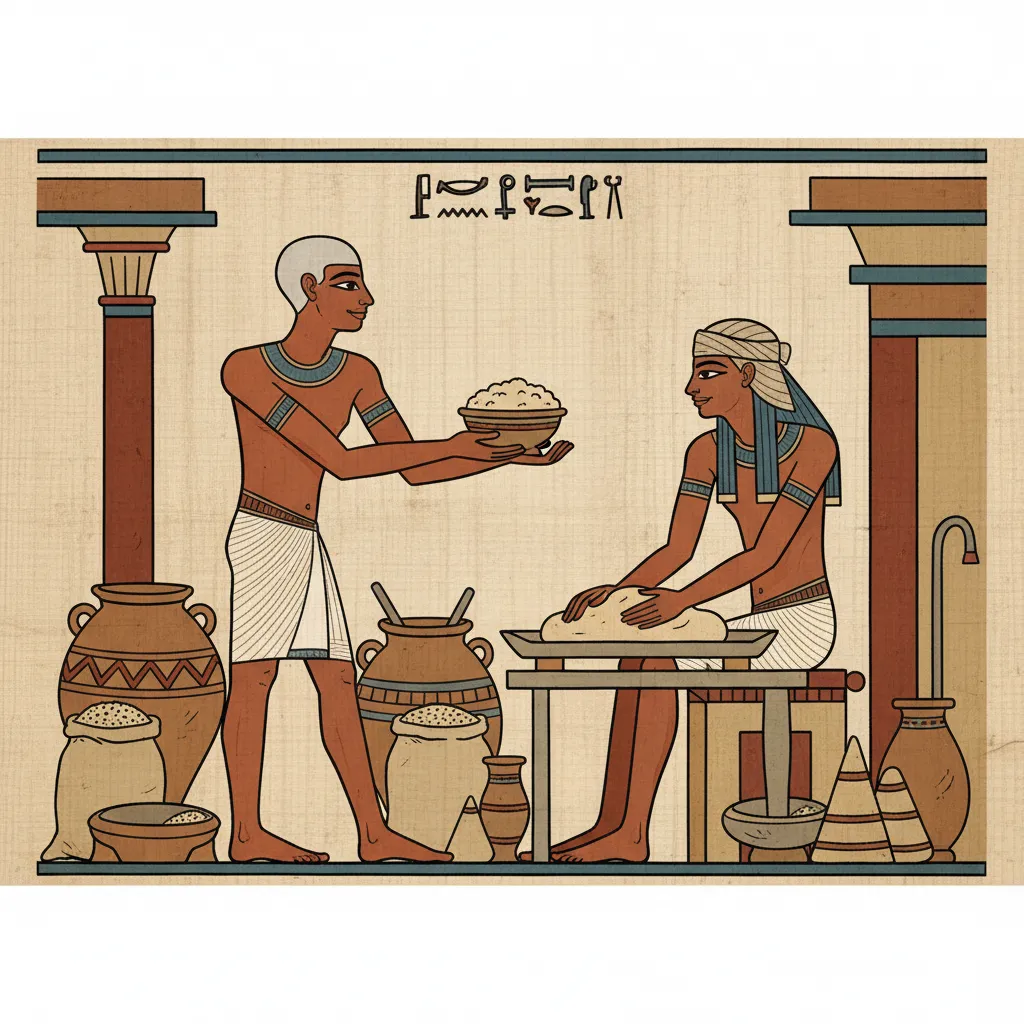
Step Inside an Egyptian Bakery: How the Ancient Process Actually Worked
We actually have a surprising level of detail about how Egyptian bakeries operated, thanks to records the Egyptians themselves left carved and painted into stone. Elaborate hieroglyphs and vivid tomb paintings—like those found in the 5th Dynasty Tomb of Ti or the New Kingdom Tomb of Ramesses III—lay out the whole bread-making process step by step.
Managing the ‘mother’ culture correctly sat at the center of everything they did. A chunk of the prior day’s dough was set aside, kept somewhere cool—probably a clay pot—until it went into a fresh mix of emmer wheat flour, water, and salt. That dough often got kneaded in oversized troughs, sometimes underfoot, to build up its structure.
| Tool of the Trade | Description | Function |
|---|---|---|
| Saddle Quern | A large, slightly hollowed stone slab paired with a smaller handstone. | Used to grind emmer wheat and barley into flour—demanding, full-body labor. |
| Mixing Troughs | Oversized vats made of pottery or wood. | Where flour, water, salt, and starter culture came together for mixing and kneading. |
| Bedja (Conical Molds) | Tall, cone-shaped clay pots. | Dough went inside these, then got heated in embers, baking into the loaf’s signature cone form. |
| Clay Ovens | Big, cylindrical clay ovens, functioning much like a modern tandoor. | Allowed several loaves to bake at once for bigger production runs. |
Beyond the Plate: What Sourdough Meant to Egyptian Life
In ancient Egypt, bread wasn’t just something you ate—it held up the economy, played a role in religion, and formed the backbone of everyday nutrition.
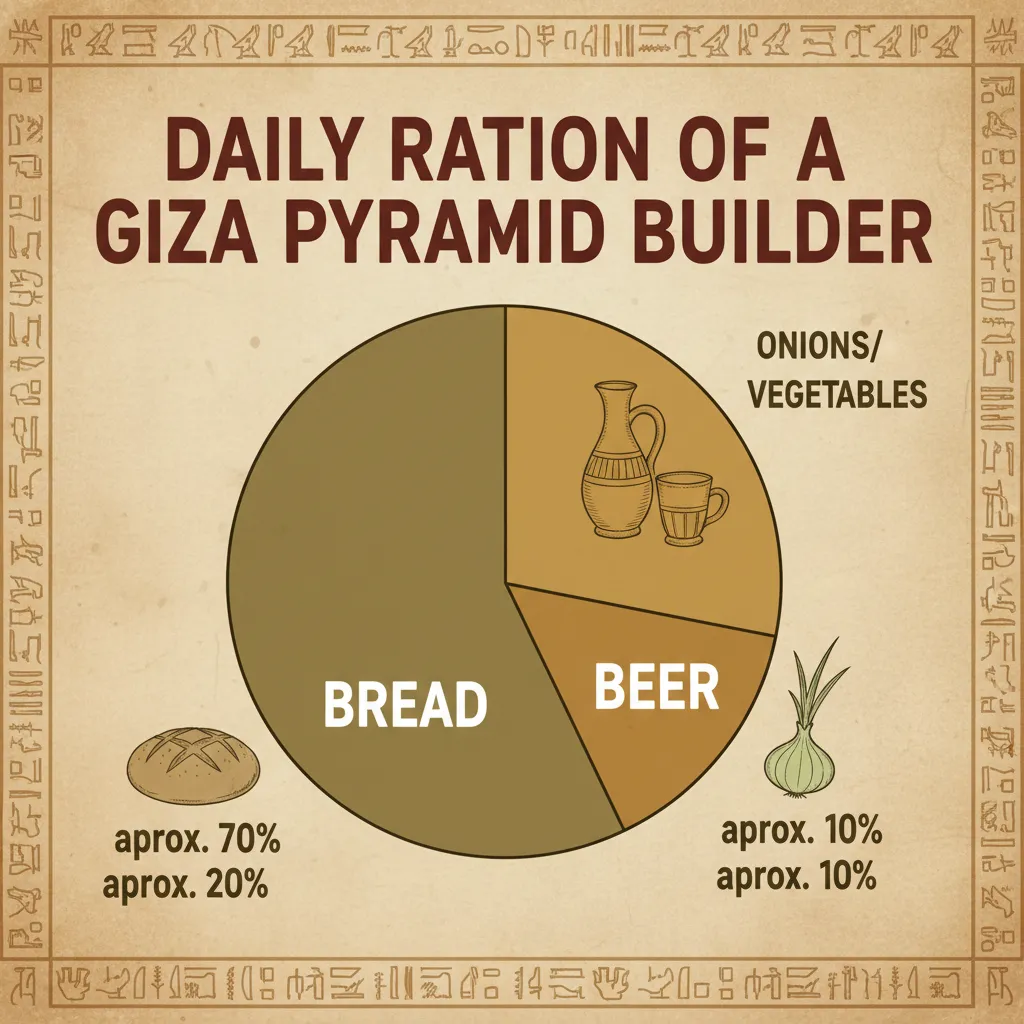
- Bread as Payment: The laborers who raised the pyramids didn’t collect coins for their work—they collected essentials. A typical day’s wage was ten loaves of bread alongside a portion of beer. That system is what kept an entire workforce fed through Egypt’s biggest building projects.
- An Offering to the Gods: Loaves were routinely left in temples and tombs, meant to nourish the dead in the afterlife. Certain shapes and styles of bread were reserved for particular gods and rituals.
- Everyday Nourishment: Made from nutrient-dense emmer wheat, sourdough bread fed everyone in Egyptian society—Pharaoh and farmer alike. Fermentation made it easier to digest and pulled more nutrition out of the grain than a simple porridge ever could.
Bringing an Ancient Recipe Back to Life
For a long time, actually tasting genuine ancient Egyptian bread felt like pure fantasy. Then one ambitious project made that fantasy real.
Reviving Egypt’s Oldest Known Starter
Back in 2019, a group made up of physicist-and-gamer Seamus Blackley, Egyptologist Dr. Serena Love, and microbiologist Richard Bowman set out on a wild attempt: bring dormant yeast from 4,500-year-old Egyptian pottery back to life. Working with careful, sterile lab methods, they pulled samples out of the microscopic pores in ancient ceramics that had once held dough or beer.
When the Lab Met the Nile
Once back in the lab, they patiently coaxed those dormant microbes back into activity. The team managed to isolate and grow a strain of yeast—Saccharomyces cerevisiae—along with a handful of bacterial species. That ancient microbial community was, in a real sense, the heart of Egyptian bread. Using it alongside heritage grains like emmer and barley, Blackley baked an actual loaf and documented the whole thing online as it happened.
What Ancient Bread Tastes Like Today
So what does bread made from 4,500-year-old microbes actually taste like? Those who’ve tried it describe something noticeably different from the sharp bite of a modern sourdough loaf. The smell comes across sweeter and richer, and the finished bread carries hints of caramel and honey in its flavor. It leans less sour and more deeply malty—a direct result of the specific microbial life that once thrived in the Nile Valley.
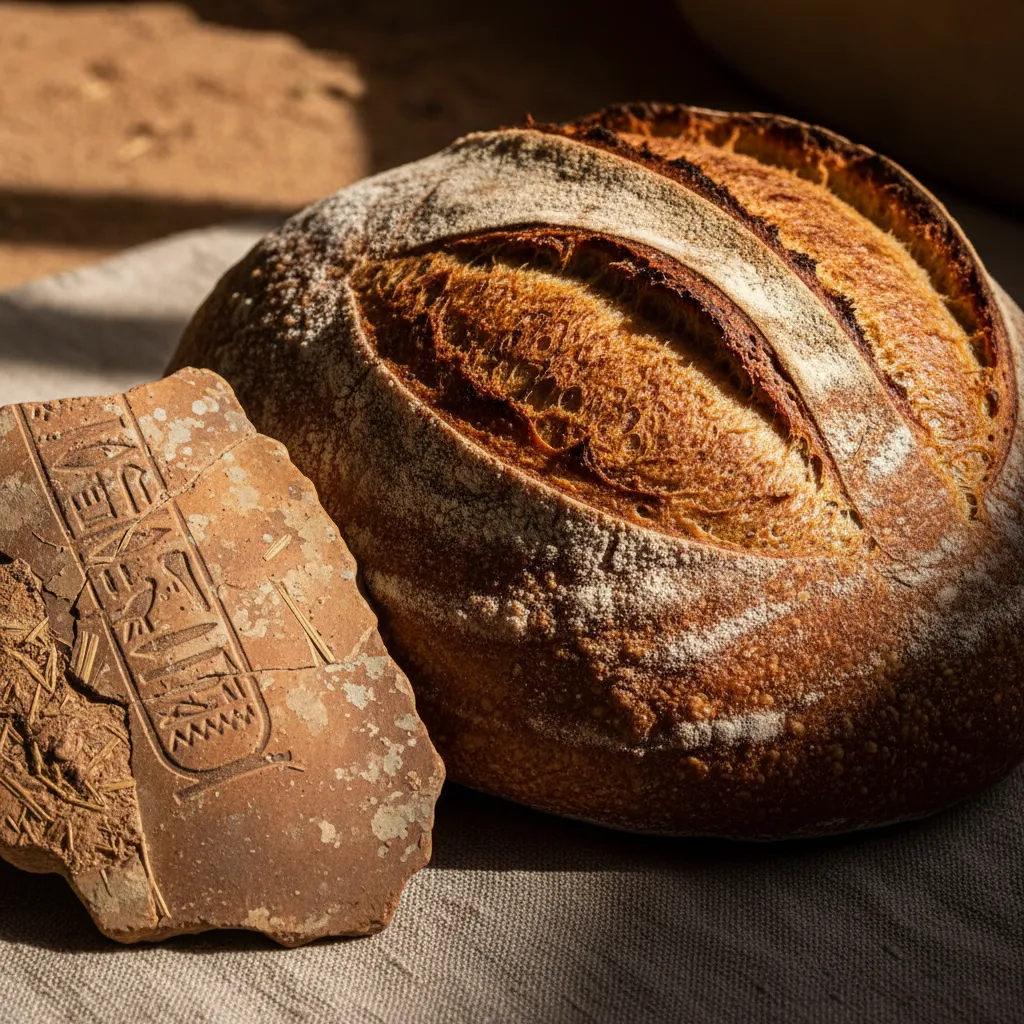
A Legacy That Kept Traveling: How Preserving Starters Reshaped the World
Egypt’s fermentation know-how didn’t stay put. This technique traveled far beyond its original borders.
- Greece and Rome: Greek bakers picked up their techniques from the Egyptians, and Romans later scaled it up into a full-blown state-run industry complete with professional bakers’ guilds and large production bakeries.
- Throughout Europe: The habit of keeping a shared family or village ‘mother’ starter spread across the continent and became woven into rural life for centuries afterward.
- From the Nile to the Klondike Trail: Carrying a precious, life-sustaining starter along on long treks shows up again and again throughout history. The best-known instance is the California Gold Rush, when prospectors hauled their starters across the country and picked up the nickname “sourdoughs” as a result. Without knowing it, they were carrying forward something Egyptian bakers had started thousands of years before.
The artisan bread revival happening right now is simply the newest installment of this long story. Every modern baker who babies their starter is, whether they realize it or not, reconnecting with an ancient habit—carrying forward a lineage that started with the very first baker smart enough to set a scrap of dough aside for the next day.
Conclusion: Carrying Egypt’s Craft Into Your Own Kitchen
What began as a lucky accident in the Fertile Crescent grew into a refined craft in the bakeries of the Pharaohs, and that arc is really the story of civilization itself. You can’t overstate Egypt’s role in it—capturing wild yeast, borrowing from brewing knowledge, and dreaming up the perpetual ‘mother’ starter. They didn’t just come up with leavened bread; they essentially invented the idea of the artisan baker.
So next time you’re admiring the open crumb inside your own loaf, give a nod to where it came from. That starter sitting on your counter is a living fragment of that history—a bubbling jar of microbes tying you directly to the first bakers who caught lightning in a bottle along the Nile.
Feeling inspired to bake like a Pharaoh? Drop your own sourdough story in the comments, or check out our guide to building your very first starter!
The Clear Jar That Finally Showed Me What My Starter Was Up To
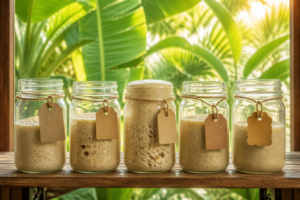
For a long stretch I stored my starter in an opaque plastic tub and had zero clue whether it was actually rising, splitting apart, or just sulking. Switching to a clear glass jar wasn’t about looks—it’s the gap between hoping your starter is behaving and genuinely watching it happen in real time.
Where it delivers
- You catch the exact moment your starter’s doubled and ready to go—no more late-night chopstick pokes just to guess.
- Straight sides marked with measurements let you keep track of feeding ratios without hauling out a separate scale—a 1:1:1 feed is visible right there on the glass.
- Glass simply doesn’t react; after years of acidic fermentation I’ve never once worried about flavor leaching in or plastic breaking down.
Where it falls short
- USDA FoodData Central — flour and ingredient composition data
- FoodSafety.gov — safe handling and storage
Frequently Asked Questions
How did ancient Egyptian bakers create the first sourdough starter?
Egyptian bakers observed that fermented dough worked well, then pinched off a piece and set it aside for the next day. That leftover scrap, teeming with microbes, became the original ‘mother’ culture. They’d work it into fresh dough made with emmer wheat flour, water, and salt, creating a self-sustaining starter that delivered consistent bread every time.
What did ancient Egyptian bread actually taste like?
Bread made from 4,500-year-old microbes revived in 2019 tasted noticeably different from modern sourdough. It carried a sweeter, richer smell with hints of caramel and honey in flavor. It leaned less sour and more deeply malty—a direct result of the specific microbial life that once thrived in the Nile Valley.
Why was ancient Egypt ideal for developing sourdough bread?
The Nile Valley worked like a natural fermentation chamber, with steady warmth and air thick with wild yeasts and microbes from fertile soil. Egyptian bakers also brewed beer on a serious scale, producing barm—a foamy, yeast-loaded runoff—which they used to jump-start fermentation in bread dough.
How did Egyptian pyramid workers get paid in bread?
Laborers who raised the pyramids received ten loaves of bread alongside a portion of beer as a typical day’s wage. This system kept an entire workforce fed through Egypt’s biggest building projects, making bread central to the economy.
About This Article

Written by Sam Whitaker. Sam Whitaker has been baking sourdough for over a decade, including three years baking commercially, and now works out of a home kitchen in the Pacific Northwest. Sam's eleven-year-old starter, Harold, is the foundation for every recipe and troubleshooting guide on Sourdough Rising — real bread tested over and over until it works. More about this site.
Scope and limits. Sam is a home baker with no formal culinary training. Follow current food safety guidance for storage and handling, particularly with enriched or filled doughs.
Verify this against a primary source
Specifics change, and your situation may differ from the one described here. These are the authorities worth checking directly: