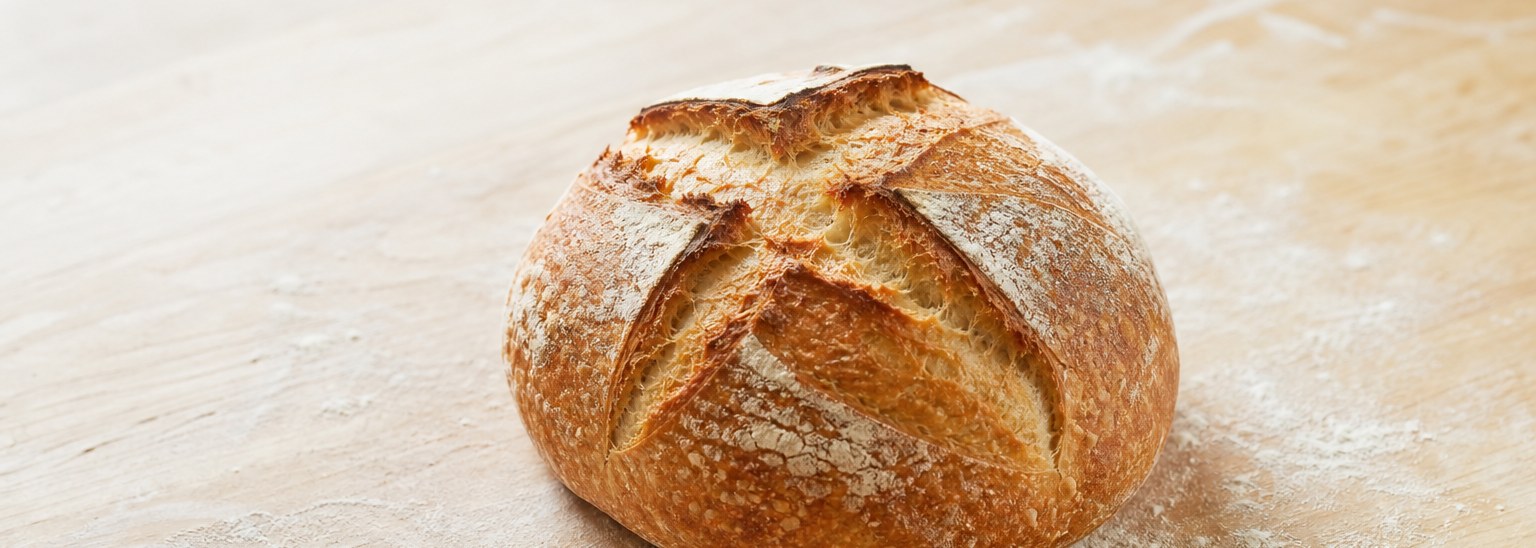
Most home bakers stick to the same five flavor combos: rosemary, olives, sun-dried tomatoes, everything bagel seasoning, and maybe some herbs de Provence if they’re feeling adventurous. Nothing wrong with that—those pairings work. But after 11 years of baking and three years running my microbakery, I’ve learned that sourdough’s complex, slightly tangy crumb is genuinely versatile. The right unexpected flavor addition can transform a good loaf into something people ask you to bake again.
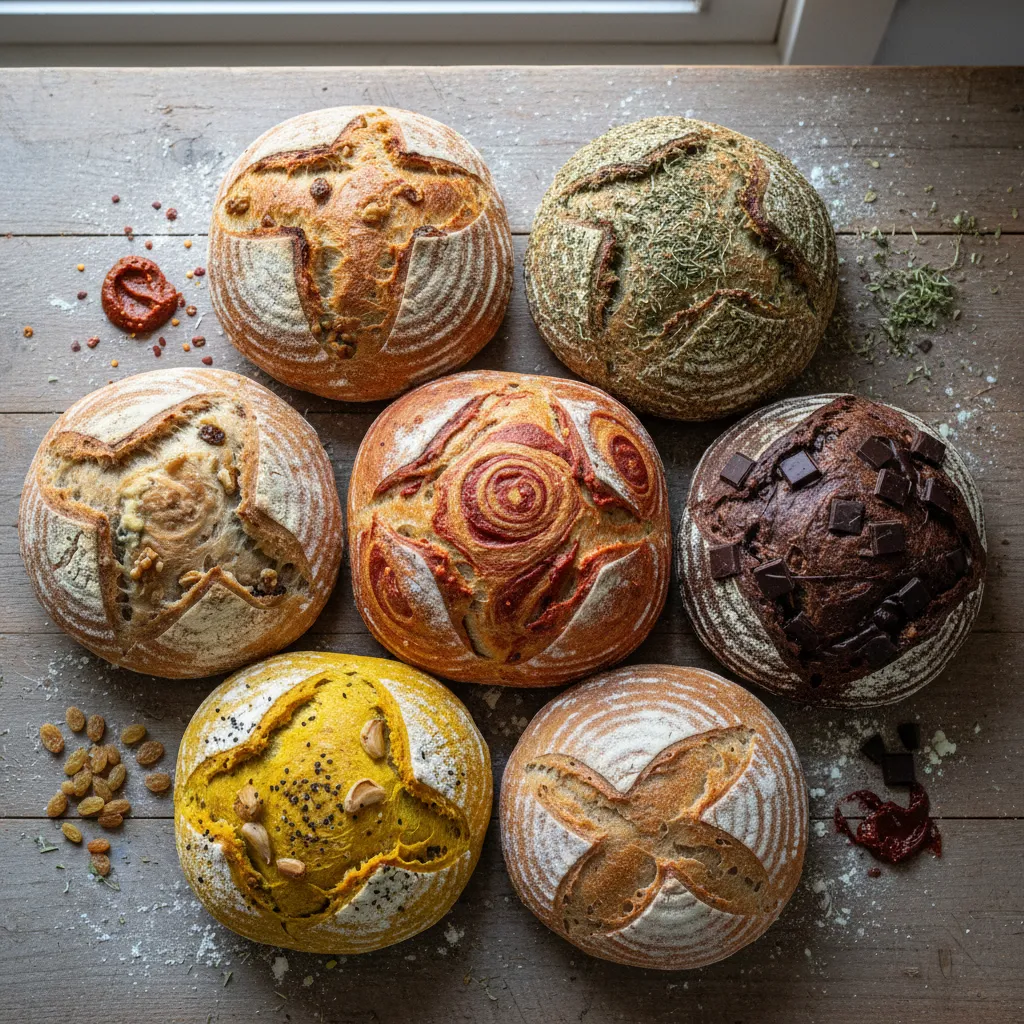
The trick isn’t reinventing technique. It’s understanding what your starter and fermentation are already doing, then leaning into it with flavors that either contrast or complement those natural notes. In this post, I’m sharing seven pairings I’ve tested extensively—some surprises, some refinements of classics—plus the specific methods that actually work.
Why Flavor Pairings Matter More Than You Think
Here’s a belief I held for years: sourdough flavor comes from fermentation time alone. Longer bulk, longer cold proof, boom—you get tang. That’s partially true. However, your starter’s microbial makeup and your local environment influence sourness far more than most recipes acknowledge. Adding intentional flavors isn’t about masking a weak fermentation. It’s about creating complexity that your baseline sourdough already supports.
The real reason most home bakers don’t experiment? They’re afraid of throwing off hydration or introducing too much moisture. That fear is justified—I’ve absolutely ruined loaves by dumping in wet ingredients without adjusting water content. But once you understand the math, the possibilities open up dramatically.
The 7 Unexpected Flavor Pairings
1. Miso and Black Garlic
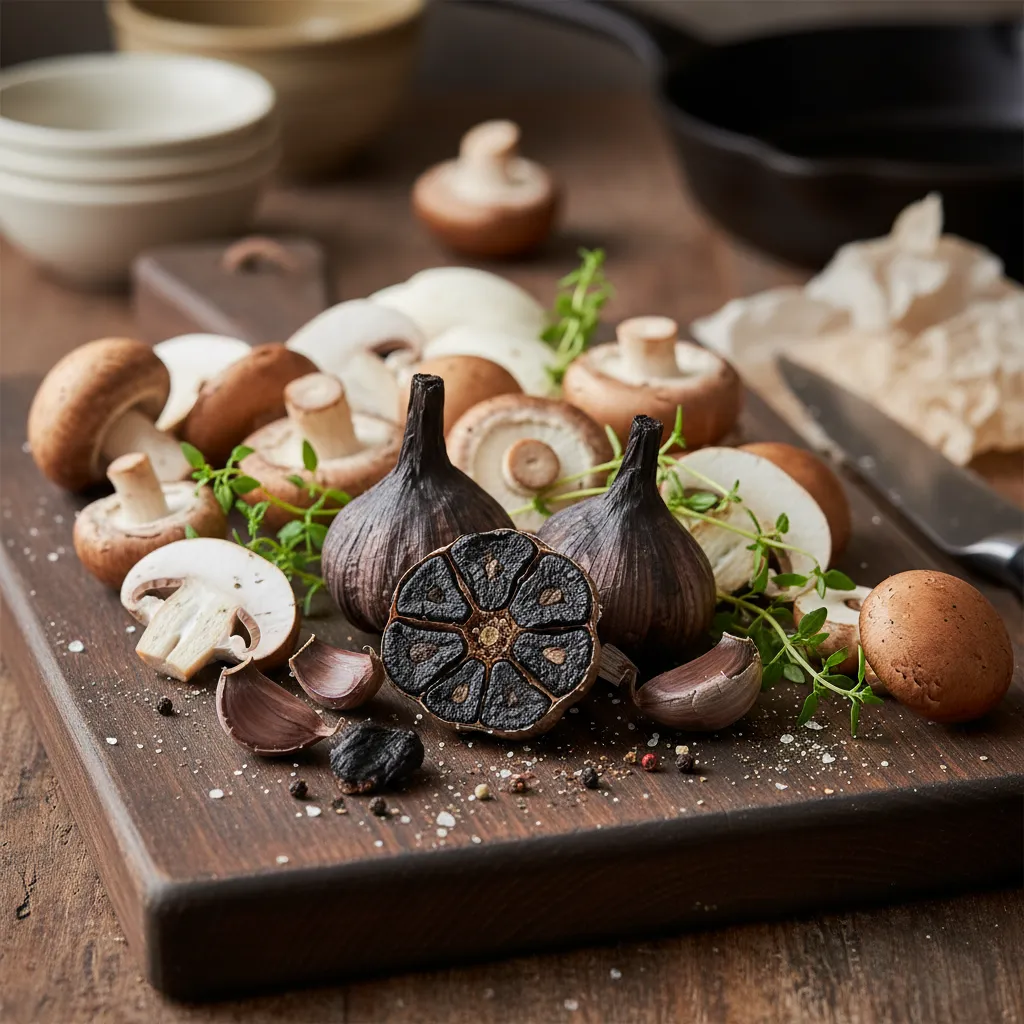
This pairing sounds wild, but both ingredients are fermented. Your starter recognizes that. Miso adds umami depth that makes the bread taste more savory, more complex. Black garlic brings sweetness without being sugary—it’s almost molasses-like underneath the fermented funk.
Here’s what I do: dissolve 1 tablespoon of miso (white or chickpea miso work best) in a small amount of warm water during your autolyse. Incorporate two finely minced black garlic cloves into the dough during the first set of folds. In my experience, this works best with a 75% hydration dough. The miso adds roughly 5 grams of water, so reduce your base water slightly to compensate.
Bake normally—no special timing needed. The flavor really emerges after a day of rest. That’s the magic moment to slice into it.
2. Anchovy, Lemon Zest, and Thyme
Anchovy in bread sounds questionable until you taste it. The fish ferments into the crumb almost invisibly—no fishiness, just a savory backbone that makes people say, “I can’t quite place what I’m tasting, but I want more.”
Mince two good-quality anchovy fillets very finely and add during the first set of folds. Then add about half a teaspoon of lemon zest and 1 teaspoon of fresh thyme leaves. The acidity from the lemon complements both the starter’s tang and the anchovy’s umami. That said, this combination demands restraint—less is genuinely more here.
I’ve made this loaf roughly 40 times now, and I’ve learned to keep thyme to fresh leaves only. Dried thyme overpowers the subtle anchovy work. Also, score the loaf a bit shallower than usual if your dough feels slack—the anchovy adds a small amount of oil that softens the structure slightly.
3. Coriander, Cumin, and Orange Peel
Middle Eastern spices and citrus feel luxurious in bread, but they’re also surprisingly grounding. This pairing works because the sourdough’s slight tartness plays off both the spice warmth and the citrus brightness.
Toast 1 teaspoon of coriander seeds and half a teaspoon of cumin seeds lightly in a dry pan until fragrant, then crush them roughly. For the orange peel, use fresh zest (not the bitter white pith). Add about three-quarters of a teaspoon. Incorporate everything during your first set of stretch-and-folds.
On the other hand, whole seeds can sometimes create small hard bits that some people find jarring. If that bothers you, grind the spices finely before adding. Your total dough weight barely changes, so hydration adjustment isn’t necessary.
4. Brown Butter, Sage, and Hazelnut
This is autumn in bread form. Brown butter alone would be incredible—the nutty, toasted flavor builds during fermentation rather than fading. Sage and hazelnut make it complete.
Brown 2 tablespoons of unsalted butter in a small saucepan over medium heat, stirring occasionally until the milk solids turn golden brown. Let it cool completely, then add it to your dough during the autolyse. Reduce your base water by about 15 grams to account for the butter’s fat. During your first set of folds, add 6 to 8 fresh sage leaves (chopped) and about 20 grams of toasted, finely chopped hazelnuts.
Fair warning: this loaf stays fresher longer than most. The fat from the butter and nuts slows staling. I’ve found it tastes best on days two through four after baking.
5. Cardamom, Tahini, and Dried Apricot
Cardamom brings floral sweetness that doesn’t register as dessert-like. Tahini adds a subtle nuttiness and moisture. Dried apricot brings real fruit notes without being jammy.
Crack 6 cardamom pods and remove the seeds (discard the pods). Grind the seeds finely. Chop about 25 grams of dried apricots into small pieces. During your autolyse, add 1 tablespoon of tahini and reduce your base water by 12 grams. During the first fold, add the cardamom and apricots.
Specifically, this dough benefits from slightly longer bulk fermentation—aim for about 5 to 5.5 hours at 72°F rather than the standard 4 hours. The spices and fruit develop more complexity over that extra time.
6. Malt Vinegar, Caraway, and Black Onion Seeds
This pairing is distinctly European—think German rye influence, but adapted for white sourdough. The vinegar sharpens the starter’s existing tang. Caraway and black onion seeds provide earthy complexity.
During your autolyse, add 1 tablespoon of malt vinegar and reduce your base water by the same amount. Toast half a teaspoon of caraway seeds and half a teaspoon of black onion seeds (nigella) lightly, then add them during your first set of folds.
One warning from hard experience: don’t confuse black onion seeds with black sesame. The flavor difference is massive, and sesame will throw off your intended profile entirely. Source your black onion seeds carefully.
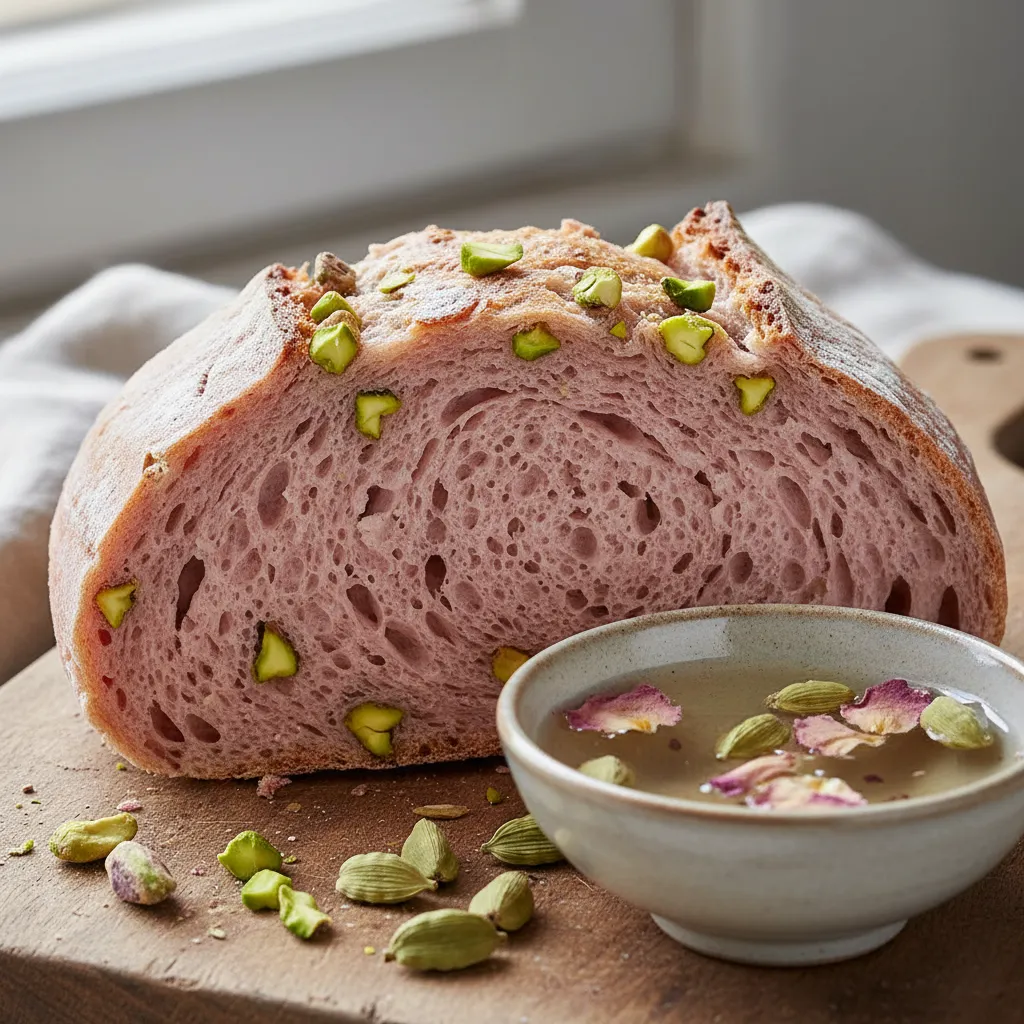
7. Pomegranate Molasses, Sumac, and Toasted Pistachios
Pomegranate molasses is a thick, tart concentrate that tastes nothing like regular pomegranate juice. Combined with sumac’s lemony-tangy brightness and pistachio’s buttery richness, it creates a flavor profile that’s genuinely sophisticated.
During autolyse, add 1.5 teaspoons of pomegranate molasses and reduce your base water by 10 grams. During the first fold, add half a teaspoon of sumac and 25 grams of roughly chopped toasted pistachios.
This loaf reaches peak flavor on day three after baking. The molasses tannins mellow slightly, and the spice and nut flavors settle into something truly delicious. I usually wrap it and hold it for a day before serving to guests.
Key Hydration Adjustments for Flavored Loaves
Here’s where most home bakers stumble. They add ingredients without adjusting water, and suddenly their dough feels slack or impossible to score. A digital kitchen scale is genuinely non-negotiable here—eyeballing these adjustments will fail.
The basic rule: if you’re adding fat (butter, tahini, oil), reduce water by roughly 80% of the fat weight added. If you’re adding liquid (vinegar, molasses, miso), reduce water by the full amount. If you’re adding dry ingredients (seeds, nuts, spices, dried fruit), you usually don’t need to adjust—they absorb some water during fermentation, but not enough to shift your dough’s feel meaningfully.
In practice, I recommend baking at least three times with any new pairing at the exact same hydration before making adjustments. Your hands will eventually tell you if the dough feels off. Until then, trust the math.
Frequently Asked Questions
How do you adjust water when adding miso to sourdough?
Dissolve 1 tablespoon of miso in warm water during autolyse. Since miso adds roughly 5 grams of water, reduce your base water slightly to compensate. This works best with 75% hydration dough. The flavor really emerges after a day of rest.
What’s the best way to use brown butter in sourdough dough?
Brown 2 tablespoons of unsalted butter over medium heat until milk solids turn golden brown, then cool completely before adding during autolyse. Reduce your base water by about 15 grams to account for the butter’s fat. Add 6 to 8 fresh chopped sage leaves and 20 grams of toasted hazelnuts during your first folds.
How long should cardamom apricot sourdough bulk ferment?
Aim for 5 to 5.5 hours at 72°F rather than the standard 4 hours. Crack 6 cardamom pods and grind the seeds finely. During autolyse, add 1 tablespoon of tahini and reduce base water by 12 grams. Add cardamom and 25 grams of chopped dried apricots during the first fold.
How do you bake pomegranate molasses pistachio sourdough?
Bake at 500°F for 20 minutes covered. Tent the top with foil and bake 15 minutes more covered, then finish uncovered for 12 to 15 minutes. Add 1.5 teaspoons of pomegranate molasses during autolyse, reducing base water by 10 grams. Add half a teaspoon of sumac and 25 grams of chopped pistachios during the first fold.
Fermentation Timing and Temperature Shifts
Some flavor additions actually affect fermentation speed slightly. Miso and tahini are both rich in enzymes and can accelerate gluten breakdown. As a result, watch your bulk fermentation closely—don’t just set a timer and walk away.
With miso and tahini loaves, I typically reduce bulk time by 20 to 30 minutes. With vinegar additions, fermentation might speed up very slightly because of the added acidity. With spices and nuts, timing usually stays consistent.
The safest approach: judge by the dough, not the clock. Your bulk fermentation is done when the dough has increased by about 50% and shows clear bubbles at the surface. That’s true regardless of what’s in the dough.
What Temperature Matters Most
Room temperature dramatically affects fermentation speed, and flavor intensity depends partly on fermentation length. In my experience, 68°F to 75°F is ideal for most of these pairings. Cooler kitchens mean longer fermentation, which can actually deepen the flavors.
I proof most of these loaves cold overnight—16 to 18 hours in the fridge at 38°F to 40°F. The extended cool fermentation gives every flavor time to develop and integrate. That said, if your kitchen runs warm, reduce that to 12 to 14 hours to avoid overproofing.
Baking and Scoring Considerations
These flavored loaves bake almost identically to plain sourdough, but a few specifics matter. Dough that’s enriched with fat (miso, tahini, brown butter) sets faster and can sometimes shatter when scored. I use a slightly shallower score—about a quarter-inch deep instead of my usual half-inch—and score more deliberately.
For my Dutch oven setup (a standard 5-quart enameled cast iron), I bake at 500°F for 20 minutes covered, then 25 to 30 minutes uncovered at 450°F. Most of these loaves brown slightly faster because of the added ingredients. Check your loaf around minute 20 of the uncovered bake—if it’s already deep golden, pull it early.
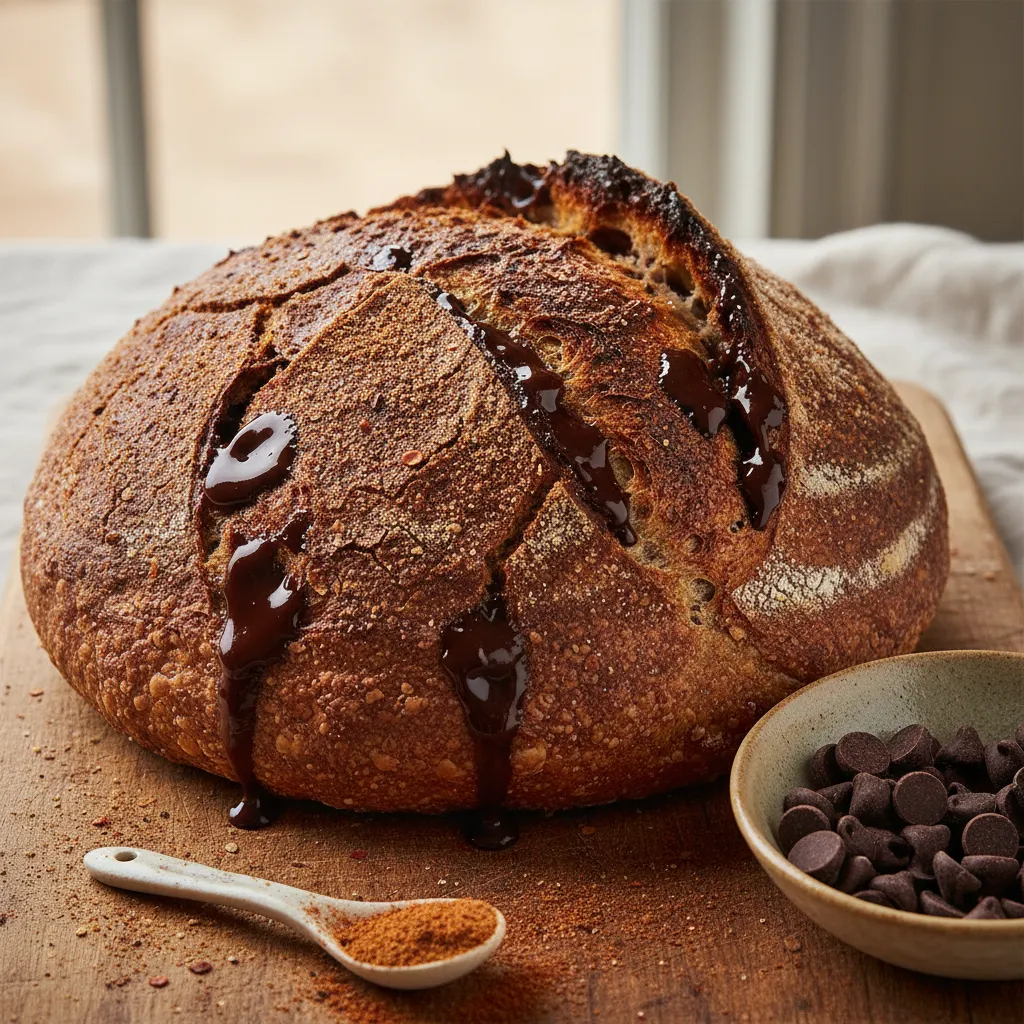
Specifically, the pomegranate-pistachio loaf can brown aggressively because of the molasses. I usually tent the top with foil after the initial 20 minutes, bake for another 15 minutes covered, then finish uncovered for 12 to 15 minutes. It takes more attention, but the result is worth it.
Storing and Serving Your Flavored Loaves
Fat-enriched loaves (brown butter, tahini, pistachio) stay fresher longer and toast beautifully on day three or four. Store them wrapped in a linen towel at room temperature, not in plastic—plastic traps moisture and makes the crust soggy.
Loaves with fresh herbs and citrus zest (anchovy-lemon-thyme, coriander-cumin-orange) are best eaten within two days. The bright flavors fade more quickly. These are the ones to slice and serve the day after baking, ideally with good butter or cheese.
Every single one of these loaves freezes well. Wrap them tightly in plastic, then foil, and freeze for up to a month. Thaw at room temperature for about an hour, then warm in a 350°F oven for 10 to 12 minutes to restore the crust. The flavors remain vibrant after freezing—I promise.
Final Thoughts: Trust Your Palate
These seven pairings came from thousands of hours baking—some planned, some happy accidents. However, your kitchen, your starter, your water chemistry, and your preferences are unique. Use these as starting points, not gospel.
Make notes on every batch. Record your exact water amounts, fermentation times, temperatures, and how the flavor turned out. After three or four bakes of the same pairing, you’ll understand what you’re doing well and what could improve. That’s how real baking knowledge builds—not from recipes, but from paying attention to what actually happens in your hands.
What unexpected flavor combination are you most curious about? Start with whichever speaks to you. Your sourdough is more flexible than you think.
About This Article

Written by Sam Whitaker. Sam Whitaker has been baking sourdough for over a decade, including three years baking commercially, and now works out of a home kitchen in the Pacific Northwest. Sam's eleven-year-old starter, Harold, is the foundation for every recipe and troubleshooting guide on Sourdough Rising — real bread tested over and over until it works. More about this site.
Scope and limits. Sam is a home baker with no formal culinary training. Follow current food safety guidance for storage and handling, particularly with enriched or filled doughs.
Verify this against a primary source
Specifics change, and your situation may differ from the one described here. These are the authorities worth checking directly:
- USDA FoodData Central — flour and ingredient composition data
- FoodSafety.gov — safe handling and storage