Most of what Australians call “sourdough” at the supermarket isn’t sourdough at all. It’s a regular yeasted loaf with vinegar or citric acid added for tang, sold under a name that implies slow fermentation nobody actually did. I started testing loaves after a reader sent me photos of a “sourdough” ingredient list with baker’s yeast listed second.
What “Sourfaux” Actually Is
Sourfaux is a marketing shortcut. A commercial bakery adds vinegar, lactic acid, or a flavor compound to a conventional dough, then labels it sourdough because the tang matches what customers expect. There’s no wild yeast culture, no multi-day fermentation, none of the digestibility or flavor-complexity benefits that come from an actual starter doing the work over 12 to 24 hours.
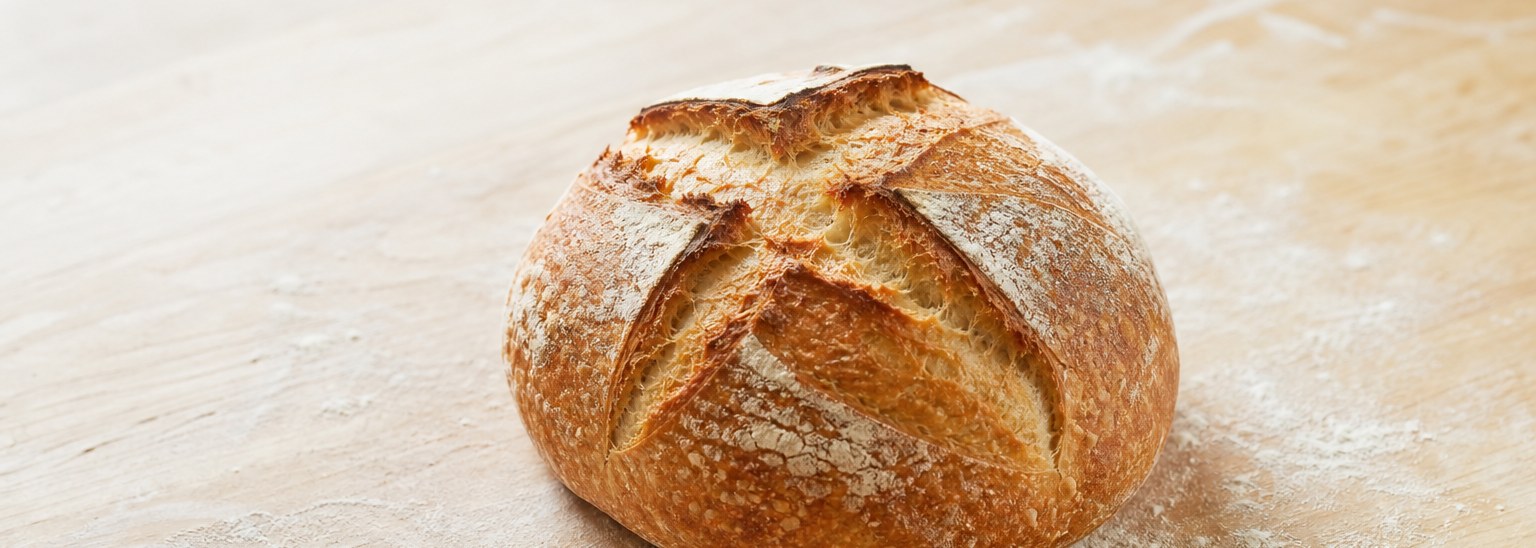
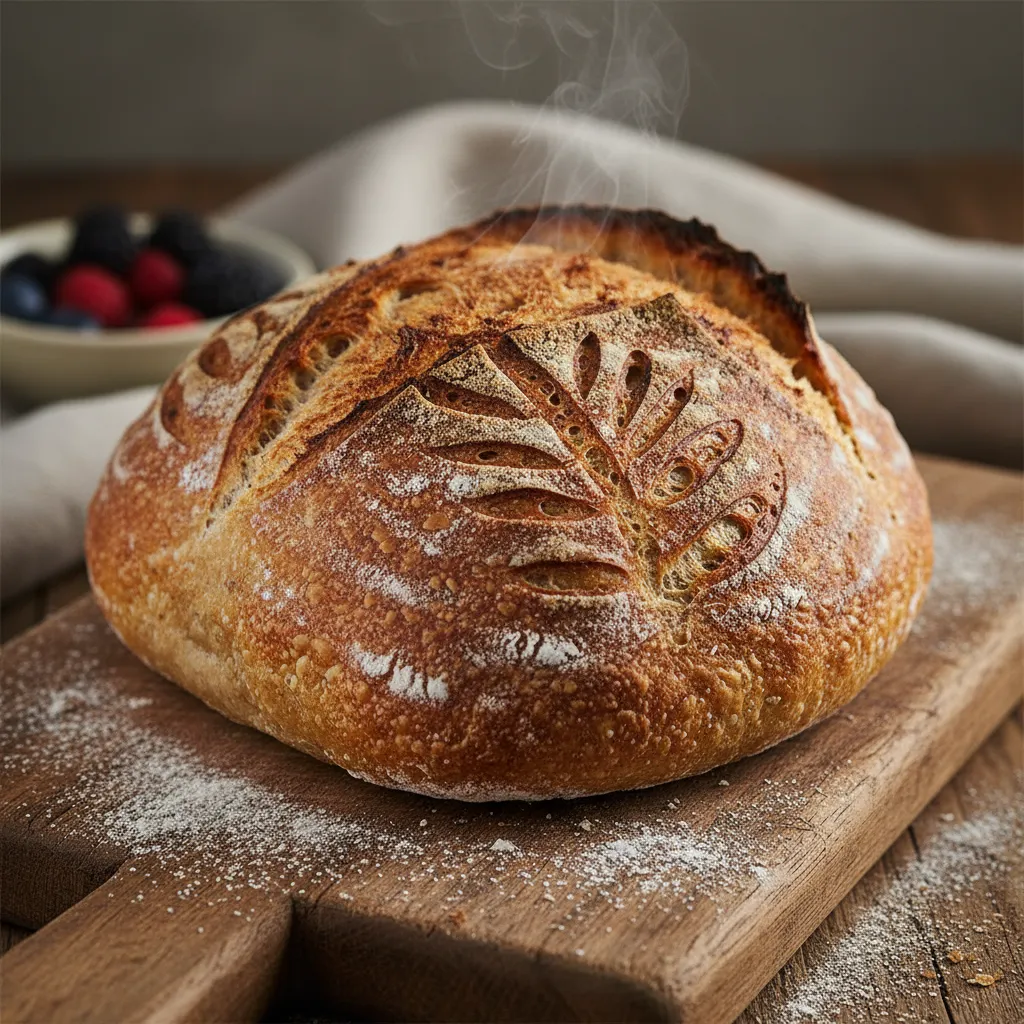
Genuine sourdough uses only flour, water, and salt, leavened entirely by a wild yeast and bacteria culture you’ve been feeding for days, weeks, or years. The tang comes from lactic and acetic acid produced during real fermentation — not squeezed in from a bottle.
Why This Matters Beyond Just Taste
The health claims people associate with sourdough — easier digestion, a lower glycemic response, better mineral absorption — come specifically from the long fermentation process, not from the tang alone. Lactic acid bacteria break down phytic acid and partially digest gluten structures during the 12-24 hour fermentation a real starter needs. A vinegar-spiked conventional dough skips all of that. You get the flavor without any of the reasons people seek sourdough out in the first place.
That’s the real cost of sourfaux. It’s not just a labeling technicality — you’re paying a premium for a health halo that the bread hasn’t actually earned.
How to Spot the Fakes on the Shelf
Check the ingredient list first. Real sourdough has three ingredients: flour, water, salt (sometimes a fourth for enriched variants like rye). If you see “sourdough culture” alongside commercial yeast, vinegar, or “natural flavors,” you’re looking at sourfaux.
- Yeast on the label — genuine sourdough never lists commercial or baker’s yeast
- Vinegar or citric acid — a shortcut for tang that shouldn’t be necessary
- Suspiciously short shelf life claims — “fresh baked daily” doesn’t tell you anything about fermentation time
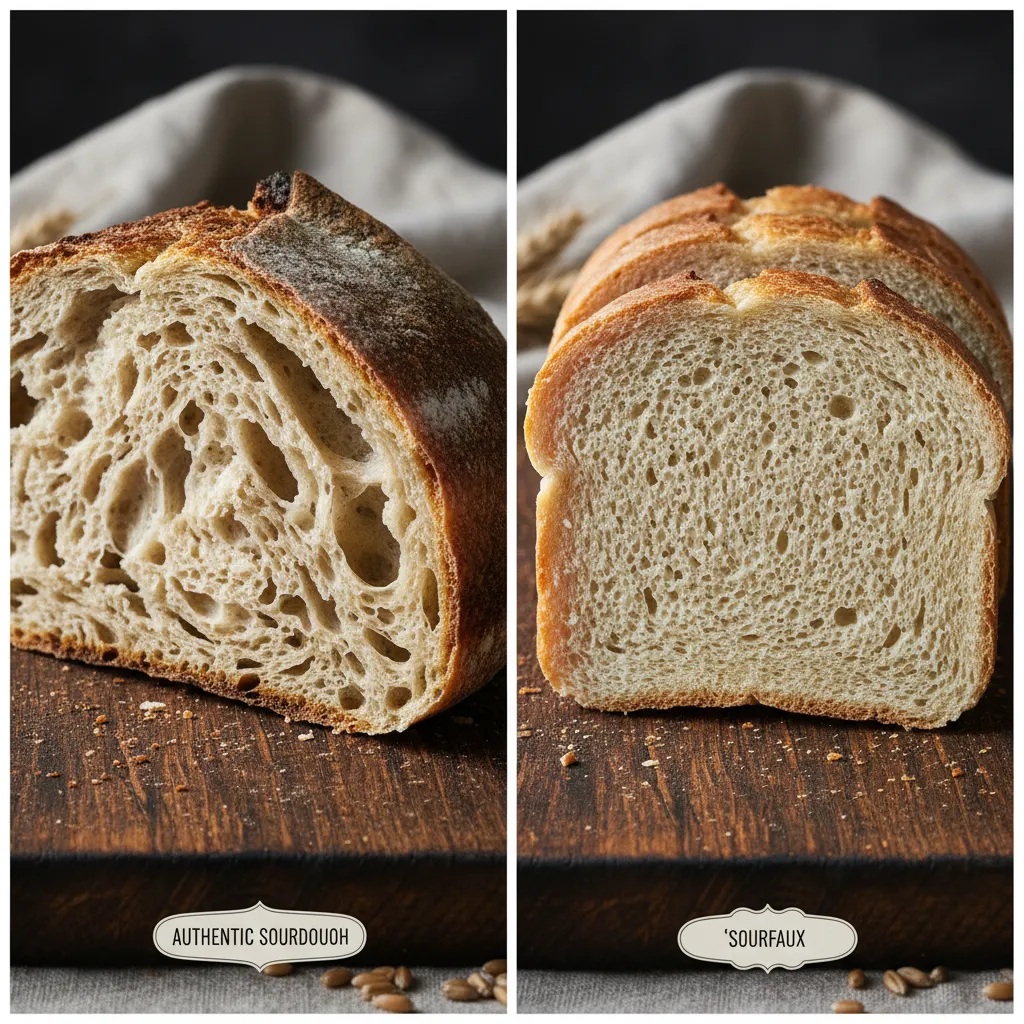
- A crumb that’s too uniform — real sourdough has irregular holes; machine-mixed sourfaux often doesn’t
- A price that seems too low — genuine long-fermented sourdough takes a bakery’s oven and labor for 18-24 hours per batch; that cost shows up in the price
The pH Test That Settled It for Me
I bought a cheap pH meter — the kind sold for soil testing works fine, or a dedicated food pH pen if you want more accuracy — and started testing loaves at home. Genuine long-fermented sourdough typically reads between 3.8 and 4.5 — properly acidic. One “artisan sourdough” loaf from a major chain read 5.6, closer to regular bread than anything fermented for real. That single number told me more than the packaging ever would.
To test a loaf yourself, blend a small piece of crumb with a little distilled water into a paste, then dip the probe directly in. It takes under a minute and works on any bread, not just sourdough — it’s a useful trick any time you’re curious whether a “sourdough” claim on a label actually holds up.
Buying Real Sourdough
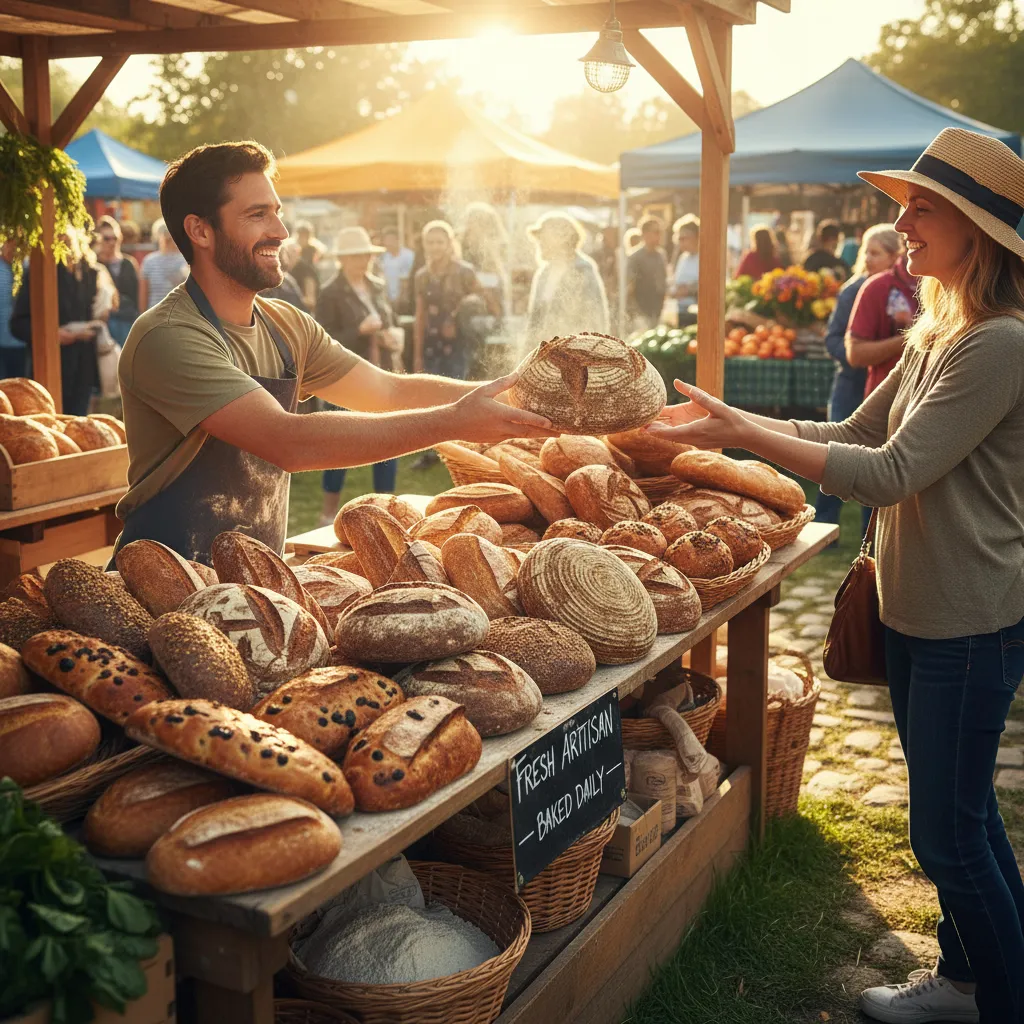
Look for small bakeries that list fermentation time on their packaging — 18 hours or longer is a good sign. Ask directly if you’re at a farmers market stall. Most genuine sourdough bakers are proud to talk about their starter’s age and their process; sourfaux producers usually can’t answer beyond “it’s made with a special culture.”
If you bake your own, you already know exactly what went into it, which is honestly the most reliable fix of all.
A Note on Supermarket “Artisan” Ranges
Several major Australian chains now sell bread under an “artisan” or “traditional” sub-brand, positioned near the real bakery section to imply the same process. I’ve tested loaves from three of these ranges, and every single one listed either commercial yeast or an acid additive alongside the word “sourdough.” The packaging language is doing a lot of work that the ingredient panel doesn’t back up. Always flip the loaf over before you trust the front label.
The Bottom Line
“Sourdough” on a label in Australia isn’t a protected term the way it is in some countries, so the burden is on you to check ingredients rather than trust marketing. Once you know what to look for, spotting sourfaux takes about ten seconds.
Frequently Asked Questions
What ingredients does real sourdough contain?
Genuine sourdough uses only flour, water, and salt, leavened entirely by a wild yeast and bacteria culture. Sometimes a fourth ingredient appears in enriched variants like rye. Real sourdough never contains commercial yeast, vinegar, citric acid, or artificial flavorings.
How long does real sourdough fermentation take?
Genuine sourdough requires 12 to 24 hours of fermentation, with many bakers aiming for 18 to 24 hours per batch. This extended fermentation is what produces the digestibility and flavor-complexity benefits associated with real sourdough, not just the tang.
What pH should real sourdough measure?
Genuine long-fermented sourdough typically reads between 3.8 and 4.5 on a pH meter. You can test any loaf by blending a small piece of crumb with distilled water into a paste and dipping the probe directly in—it takes under a minute.
Why do health benefits require long fermentation?
Lactic acid bacteria break down phytic acid and partially digest gluten structures during the 12 to 24 hour fermentation. Sourfaux breads with added vinegar skip this process entirely, so you get tang without the digestibility or mineral absorption benefits real sourdough offers.
About This Article

Written by Sam Whitaker. Sam Whitaker has been baking sourdough for over a decade, including three years baking commercially, and now works out of a home kitchen in the Pacific Northwest. Sam's eleven-year-old starter, Harold, is the foundation for every recipe and troubleshooting guide on Sourdough Rising — real bread tested over and over until it works. More about this site.
Scope and limits. Sam is a home baker with no formal culinary training. Follow current food safety guidance for storage and handling, particularly with enriched or filled doughs.
Verify this against a primary source
Specifics change, and your situation may differ from the one described here. These are the authorities worth checking directly:
- USDA FoodData Central — flour and ingredient composition data
- FoodSafety.gov — safe handling and storage