Three winters back, I nearly wrecked a batch of dough late one evening while trying to cover up a kitchen blunder before my husband got home and asked what that smell was. The whole mess started with an unmarked jar, a flash of panic, and a frantic search through baking forums well past midnight. Somewhere in that scramble I stumbled onto malted barley flour sourdough — and honestly, my loaves haven’t looked the same since.
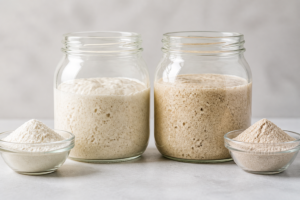
Let me walk you through it. I’d bought a handful of specialty flours and, in a burst of misguided organization, poured every single one into matching unlabeled glass jars — a real apothecary-of-chaos situation. Weeks later I scooped what I was positive was bread flour, mixed a full batch of dough, and didn’t figure out my error until the next day when I noticed the empty bag still sitting out. Turns out I’d stirred a heaping tablespoon of diastatic malt powder — concentrated malted barley flour, essentially — into the mix instead of plain flour. The proportion was nowhere close to right. Way, way too much. So naturally, I handled it the mature way: kept quiet, shoved the dough into the fridge for a cold ferment, and spent the next few hours frantically Googling whether I’d just torched an entire batch.
| Malt Type | Enzyme Status | Effect on Fermentation | Crust Result |
|---|---|---|---|
| Diastatic Malt | Enzymes active | Nudges gluten development quicker | Deep golden, glassy, crackling crust |
| Non-Diastatic Malt | Heat-treated to kill enzymes | No fermentation benefit | Brings flavor and color only |
Malted Barley Flour, Explained: Why It Matters for Sourdough
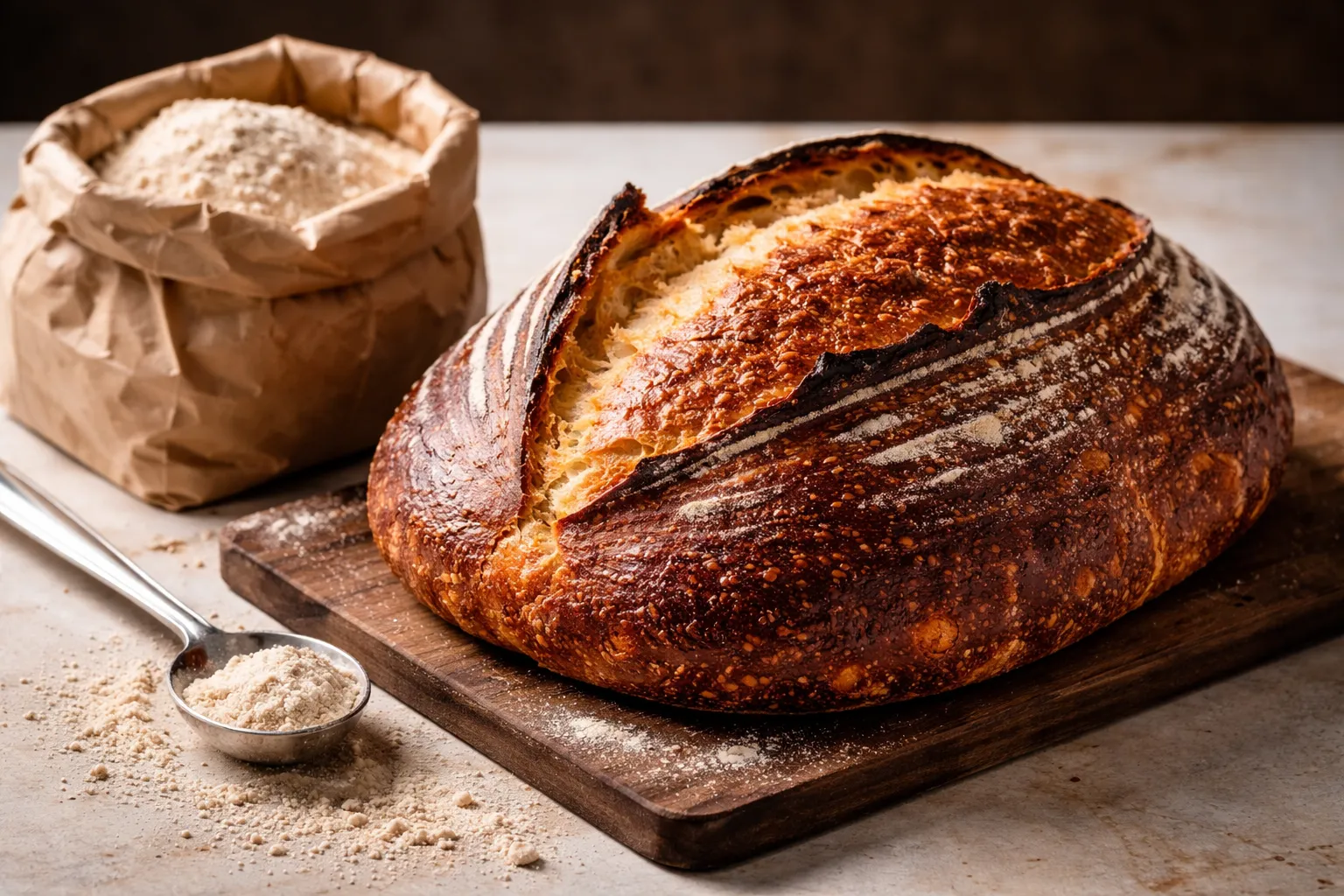
Here’s the gist of what that late-night rabbit hole taught me. Diastatic malt powder comes from barley grain that’s been sprouted, dried out, then milled into a fine powder. Sprouting triggers a set of natural enzymes — mainly amylase — that break flour starches down into simple sugars. Those sugars pull double duty. First, they act as extra food for your yeast, giving it more fuel to pump out carbon dioxide, which means a livelier, more energetic rise. Second — and this is the bit that genuinely got me a little emotional pulling my loaf from the oven — those same sugars caramelize gorgeously in the heat, giving you a deep golden, glassy, crackling crust that looks bakery-bought.
That’s a different animal from non-diastatic malt, which gets heat-treated to kill off the enzymes entirely. Non-diastatic malt still brings flavor and color to the table, but it won’t do anything for fermentation. When bakers mention malted barley flour sourdough, they almost always mean the diastatic kind — that’s where the actual magic lives.
Here’s the hard lesson, though: piling on more doesn’t get you better results. The go-to guideline is somewhere between 0.5 and 1 percent of your total flour weight. So for a 500g flour recipe, you’re looking at roughly half a teaspoon up to a full teaspoon — nothing more. Overdo it and those enzymes go into overdrive, chewing through your gluten structure until you’re left with a slack, gooey dough that oozes outward instead of rising up. Which — hypothetically — is precisely the fate that befell my dough that night. Hypothetically.
How Diastatic Malt Rescued My Sad, Washed-Out Crusts
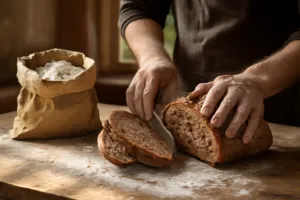
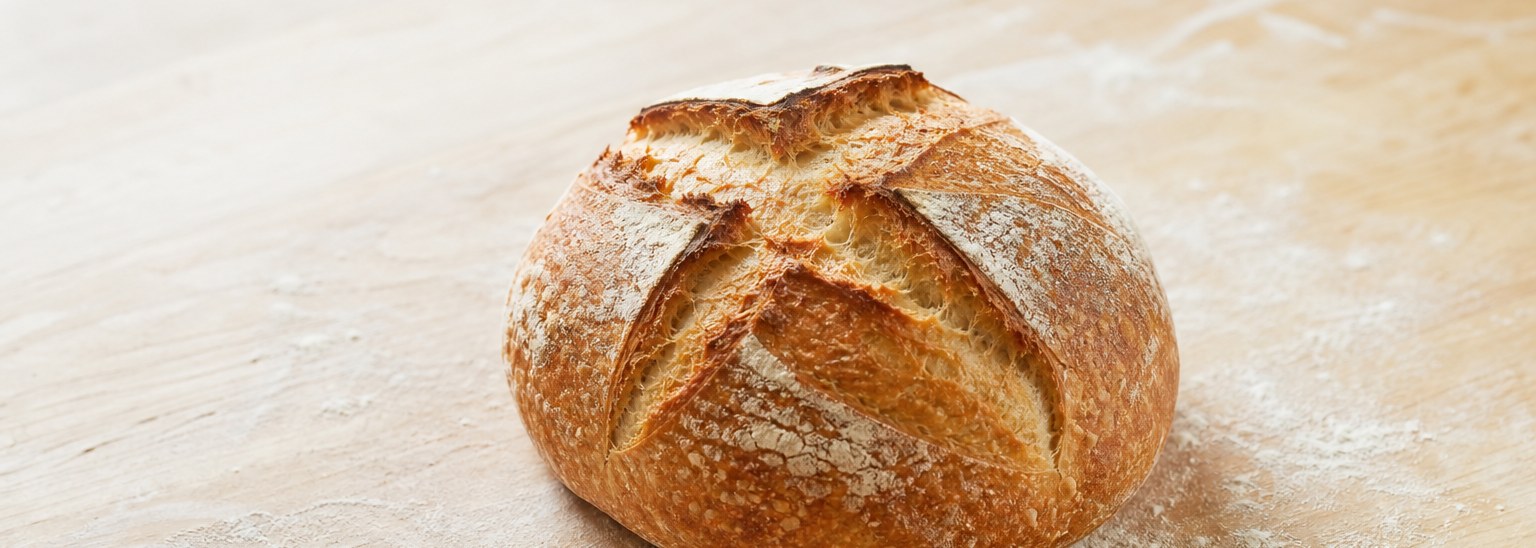
For a long stretch, my crusts were… acceptable. Pale, flat-looking, a little dull — the sort of loaf you’d mistake for a supermarket shelf item rather than something that took hours of my own effort and patience. Eventually it clicked that I was skipping the single ingredient responsible for real caramelization and that deep, mahogany sheen.
Where it earns its keep
- A teaspoon or so is all it takes to shift your crust from washed-out to a deep, burnished brown — I saw the change after a single bake, no trial-and-error needed.
- It blends completely into the dough, leaving no gritty bits or stray granules in the crumb — a worry of mine that turned out to be unfounded.
- The enzyme activity nudges gluten development along a bit quicker, so you can stick to your usual bulk fermentation window without constantly second-guessing timing.
Where it trips you up
- Ounce for ounce, it costs a lot more than everyday flour, and since a single bag stretches far longer than you’d guess, it’s easy to forget you own one and buy a duplicate.
- Go past a teaspoon per loaf and your dough turns sticky and hyperactive faster than seems reasonable — a lesson I picked up the hard way.
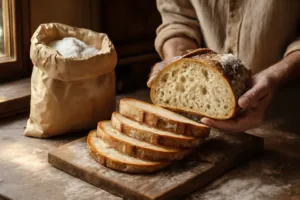
I hesitated for weeks before ordering, convinced that one more ingredient would complicate my routine, but the moment I opened my first loaf with that deep mahogany crust, I understood why bakers keep this stuff stocked. Bakers Club Artisan Diastatic Malt Powder has become part of every sourdough I make now.
Frequently Asked Questions
How much diastatic malt powder should I add to sourdough?
Use between 0.5 and 1 percent of your total flour weight. For a 500g flour recipe, that’s roughly half a teaspoon up to a full teaspoon. More than that causes enzymes to overdrive, breaking down gluten structure and leaving you with slack, gooey dough that spreads instead of rising.
What is diastatic malt powder and how does it work?
Diastatic malt powder comes from barley grain that’s been sprouted, dried, and milled into powder. Sprouting triggers natural enzymes called amylase that break flour starches into simple sugars. These sugars feed your yeast and caramelize in the oven, creating a deep golden, glassy, crackling crust.
Does malted barley flour change how my dough feels during fermentation?
Yes. The enzyme activity nudges gluten development along a bit quicker, so you can stick to your usual bulk fermentation window without constantly second-guessing timing. The dough handles more predictably overall.
What is the difference between diastatic and non-diastatic malt?
Non-diastatic malt gets heat-treated to kill off enzymes entirely. It still brings flavor and color, but won’t help fermentation or create that deep caramelized crust. Diastatic malt keeps its enzymes active, which is where the actual magic lives for sourdough.
About This Article

Written by Sam Whitaker. Sam Whitaker has been baking sourdough for over a decade, including three years baking commercially, and now works out of a home kitchen in the Pacific Northwest. Sam's eleven-year-old starter, Harold, is the foundation for every recipe and troubleshooting guide on Sourdough Rising — real bread tested over and over until it works. More about this site.
Scope and limits. Sam is a home baker with no formal culinary training. Follow current food safety guidance for storage and handling, particularly with enriched or filled doughs.
Verify this against a primary source
Specifics change, and your situation may differ from the one described here. These are the authorities worth checking directly:
- USDA FoodData Central — flour and ingredient composition data
- FoodSafety.gov — safe handling and storage