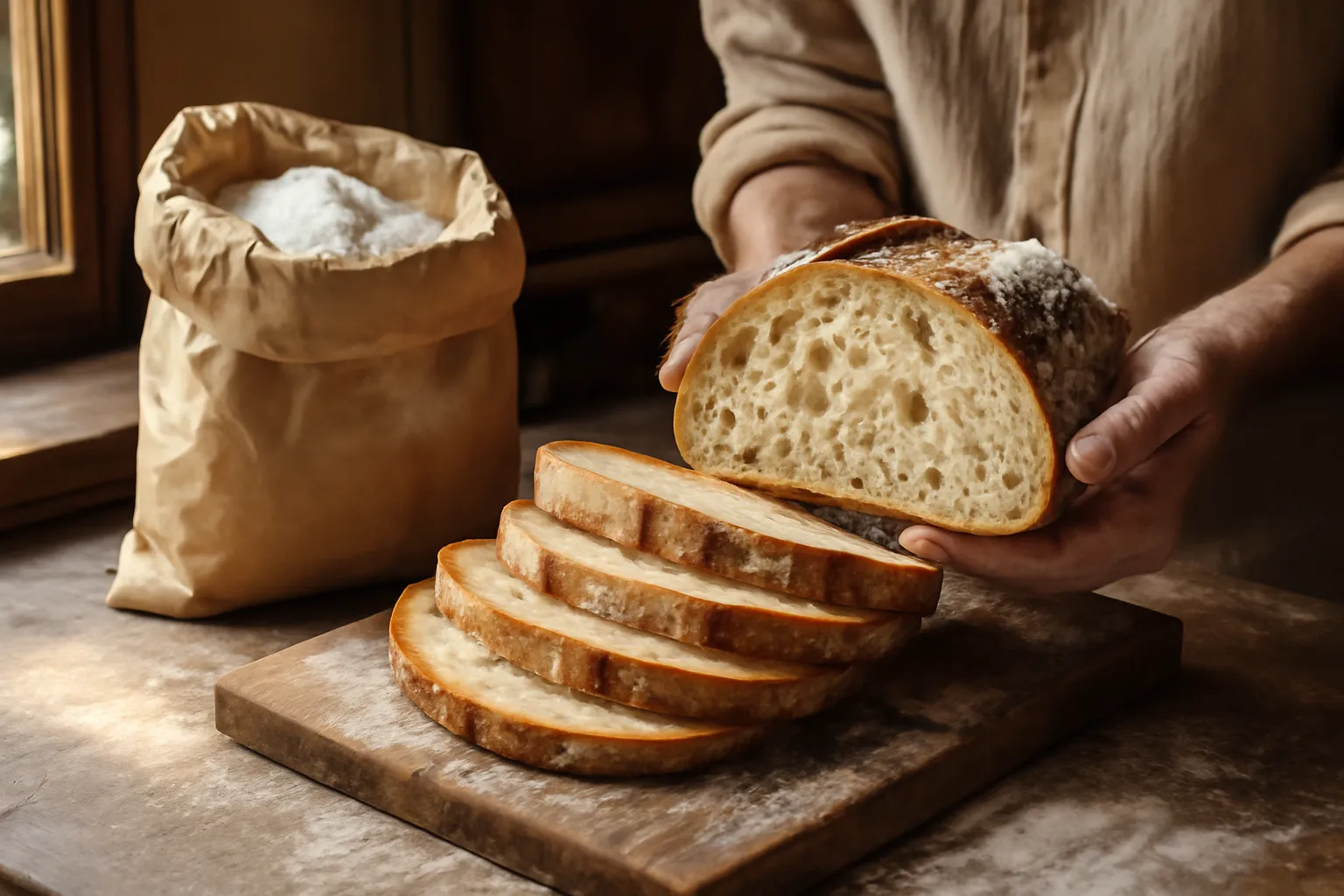
Pull up the photo I snapped of my loaf six weeks into this experiment and you’ll see exactly what protein content does to a crumb — dense, tight, almost gummy in the center, nothing like the open lace I get now. Anyone who has spent real time at the bench already senses how much the bag of flour you grab actually matters. I burned through nearly eight months chasing better oven spring and a more open interior before I finally quit pointing the finger at my starter. This King Arthur bread flour sourdough review comes out of six deliberate weeks of testing after I abandoned a generic store-brand flour for good. The shift wasn’t subtle, and I’m going to break down precisely what changed — and, just as important, what stayed exactly the same.
One issue kept showing up loaf after loaf: my dough would ooze outward across the banneton rather than climbing skyward in the oven. The crust came out soft and pale instead of that deep amber, shattering crackle I was after. My scoring technique was solid every time, yet the ears I cut just sagged flat. I fiddled with hydration percentages, stretched out my bulk fermentation window, and even splurged on a new Dutch oven — none of it made a lasting difference. It took a handful of bakers in an online sourdough forum to finally steer me toward the real suspect: my flour.
Turns out the generic bread flour I’d been using clocked in around 11.5 percent protein. On the surface that number looks fine, but proper bread flour usually needs to hit 12.5 percent or above to build the kind of gluten network sourdough actually depends on. Once that clicked for me, narrowing down a replacement flour got a lot simpler.
| Flour Type | Protein Content | Dough Behavior | Crumb Result |
|---|---|---|---|
| Generic Store-Brand | ~11.5% | Oozes outward, sprawls sideways | Dense, tight, gummy center |
| King Arthur Bread Flour | Higher than 11.5% | Holds tension through bulk fermentation | Open, consistent crumb |
The Flour Switch That Stopped My Dough From Sprawling Sideways
I spent months blaming a sluggish starter or careless shaping, when the actual problem was a flour without enough protein to keep structure intact through bulk fermentation. Once I swapped in King Arthur’s bread flour — with its higher protein percentage and dependable strength batch after batch — the way my dough handled itself, from the initial mix straight through to the bake, changed completely.
Where This Flour Delivers
- Through the entire bulk fermentation, the dough keeps its tension instead of collapsing or thinning out — by the four-hour mark in the banneton, where my loaves used to go flat, I could actually see the structure holding.
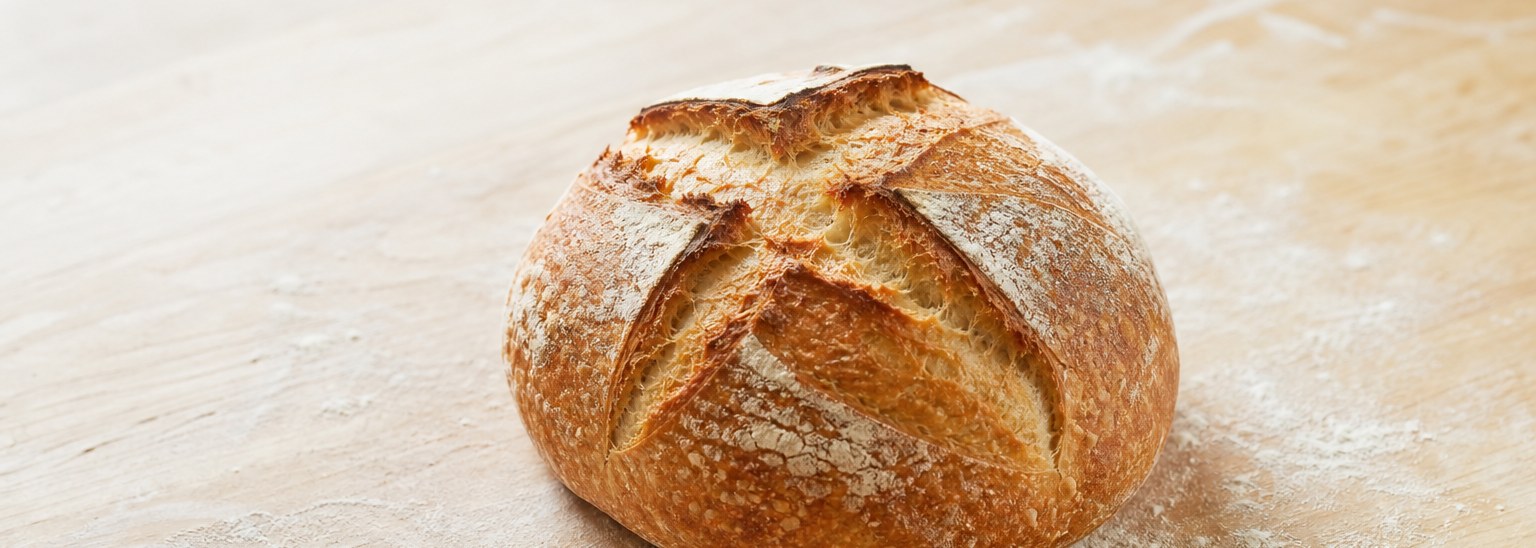
- Oven spring is now something I can count on rather than hope for; my loaves climb upward instead of oozing sideways, finally producing the kind of ear I’d been after for eight straight months.
- Without touching my hydration percentage or my technique at all, the crumb turned noticeably more open and consistent — proof that the flour itself was simply doing its job.
Where It Falls Short
- It runs pricier than a generic store-brand bag, and that 5 lb bag empties fast if you’re turning out more than one loaf a week.
- Because of its organic certification, this flour isn’t bleached, which means your dough needs a touch more time to fully develop gluten — rush it and the crumb will tell on you.
I almost talked myself out of buying a second bag because the price stung after years of grabbing whatever was on sale, but one flat loaf with old flour convinced me fast. King Arthur 100% Organic Bread Flour, Unbleached, 5 lb (Pack of 1) – Non-GMO Project Verified, No Preservatives
Frequently Asked Questions
Why did switching to King Arthur bread flour improve my oven spring?
King Arthur bread flour has higher protein content than generic store-brand flour. Sam’s original flour clocked in around 11.5 percent protein, while proper bread flour needs 12.5 percent or above to build the gluten network sourdough requires for strong oven spring and ear development.
What protein percentage does King Arthur bread flour contain?
The article doesn’t specify King Arthur’s exact protein percentage, only that it’s higher than the 11.5 percent Sam found in his generic store-brand flour. Sam chose it because it has dependable strength batch after batch and the higher protein content needed for proper sourdough structure.
Does unbleached organic bread flour need longer to develop?
Yes. Because King Arthur’s organic flour isn’t bleached, your dough needs a touch more time to fully develop gluten. Rush it and the crumb will show the problem, so don’t skip the full bulk fermentation window this flour requires.
How long did Sam test King Arthur bread flour before writing this?
Sam tested this flour deliberately for six weeks after abandoning generic store-brand flour for good. Before that, he’d spent eight months chasing better oven spring and open interior with his original flour before realizing the flour itself was the real problem.
About This Article

Written by Sam Whitaker. Sam Whitaker has been baking sourdough for over a decade, including three years baking commercially, and now works out of a home kitchen in the Pacific Northwest. Sam's eleven-year-old starter, Harold, is the foundation for every recipe and troubleshooting guide on Sourdough Rising — real bread tested over and over until it works. More about this site.
Scope and limits. Sam is a home baker with no formal culinary training. Follow current food safety guidance for storage and handling, particularly with enriched or filled doughs.
Verify this against a primary source
Specifics change, and your situation may differ from the one described here. These are the authorities worth checking directly:
- USDA FoodData Central — flour and ingredient composition data
- FoodSafety.gov — safe handling and storage