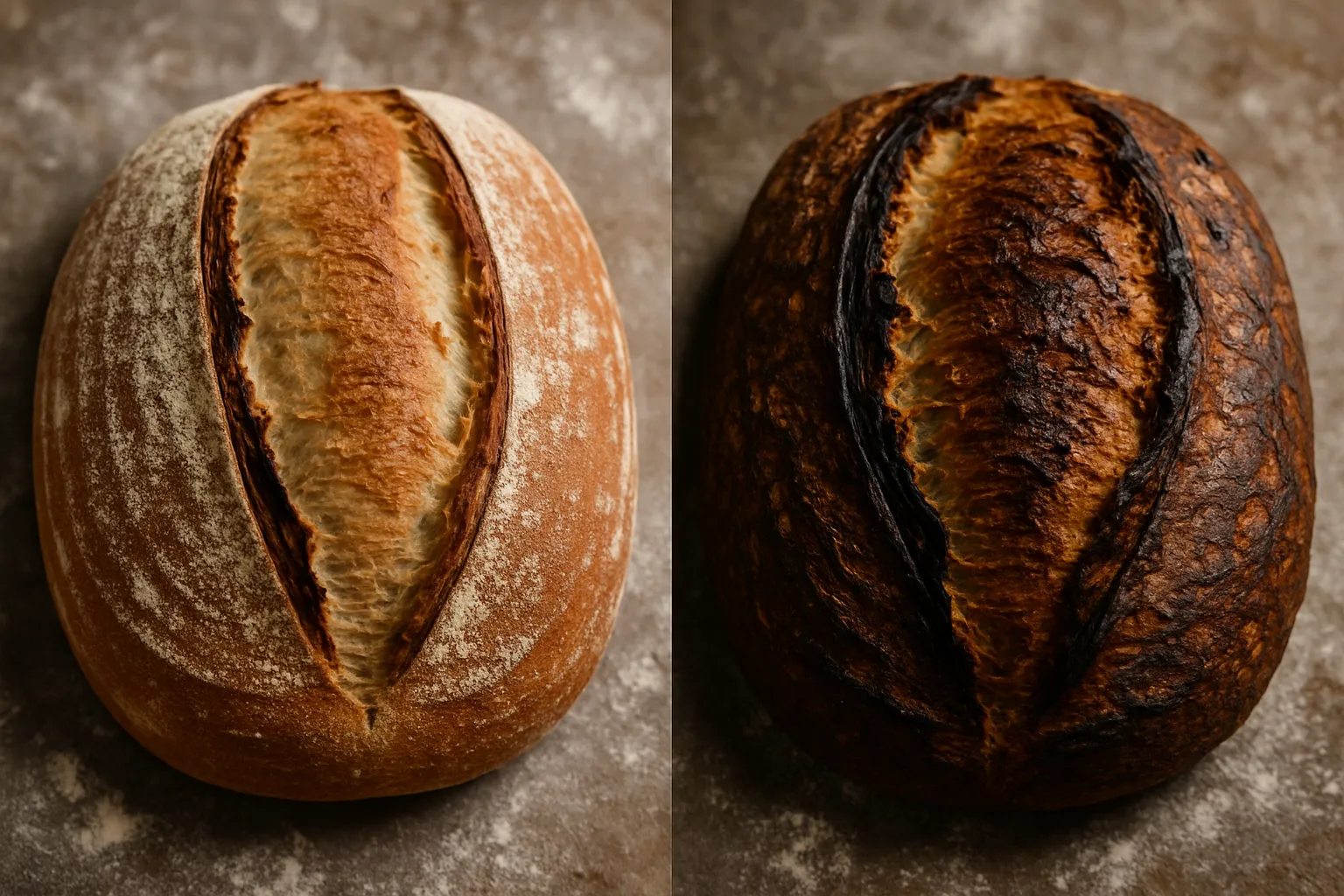
Here’s a claim that trips up most people new to sourdough: refrigeration doesn’t pause fermentation, it just changes what kind of fermentation you’re getting. I used to believe the fridge was basically a “hold” button — a place to park dough when life got in the way of baking on schedule. Then one Tuesday night, too worn out to wait through a final proof, I wrapped my shaped loaf, stuck it in the fridge, and gave up on baking it that day entirely. What emerged from the oven the next morning wasn’t a rescued backup plan — it was the most flavorful, complex loaf I’d pulled off up to that point. That one accidental bake is what pushed me to actually study what cold does to dough, and the answer reshaped how I bake permanently.
| Cold Fermentation Duration | Flavor Character | Crust Color |
|---|---|---|
| 8 to 12 hours (overnight) | Gentle, well-rounded tang | Standard |
| 24 hours | Obvious sourness | Enhanced |
| 48 to 72 hours | Bold, layered acidity | Hard to achieve any other way |
What’s Really Going On Inside a Cold-Proofing Dough
Most guides skip right past this detail: your dough never actually shuts down in the refrigerator. Fermentation slows to a crawl, sure, but the wild yeast and lactic acid bacteria living in that dough are still active, just working at a much lazier tempo. That drawn-out, low-gear activity is precisely where the good flavor gets built.
Left at room temperature, dough ferments in a hurry — the yeast pumps out carbon dioxide quickly, so you get solid rise, but the bacteria responsible for flavor barely get a chance to contribute anything meaningful. Move that same dough somewhere cold, roughly 34°F to 40°F, and the yeast activity nearly stalls while the bacteria keep quietly generating lactic and acetic acids at a much slower, more controlled clip. Lactic acid is what gives the crumb that smooth, almost yogurt-like tang; acetic acid brings the sharper, vinegar-forward edge. Whichever one dominates — largely a function of how cold and how long — is what decides the exact character of the loaf you eventually pull from the oven.
Stretching that cold ferment out also buys your flour’s enzymes extra time to work through the starches and proteins inside it. The payoff shows up in several places at once: easier digestion, richer crust color once it hits the oven, and that wide-open, irregular crumb that so many sourdough bakers chase. So leaving dough in the fridge overnight — or even letting it sit for 48 to 72 hours — isn’t just a scheduling trick. It’s actively upgrading the loaf you’re about to bake.
Dialing In Your Cold Fermentation Sourdough Flavor
Once you’ve got a handle on what’s happening chemically, you can start steering the outcome instead of just hoping for the best. These are the levers that actually move the needle on flavor.
How Long It Sits in the Cold
A typical overnight stint — roughly 8 to 12 hours — gives you a gentle, well-rounded tang along with strong oven spring. Stretch that to a full 24 hours and the sourness becomes much more obvious. Let it go 48 to 72 hours and you’re rewarded with bold, layered acidity plus a crust color that’s hard to achieve any other way. My advice: start with a single overnight rest, then gradually push the timeline further across multiple bakes until you land on the flavor you actually want.
Dough Hydration and Flour Choice
Firmer, lower-hydration dough leans toward producing acetic acid, which reads as a sharper, more pronounced sourness. Looser, higher-hydration dough favors lactic acid instead, which comes across as creamier and more layered on the palate. Whole wheat and rye speed up fermentation considerably thanks to their higher mineral content and enzyme activity, so factor that in before you commit to a longer cold rest with either flour in the mix.
Getting the Starter Amount and Timing Right
Scaling your starter down — think 10 to 15% instead of the more typical 20% — slows fermentation right from the start, which sets up nicely for a long cold rest. Do the opposite, using a generous amount of starter and then refrigerating for a full 72 hours, and you’re flirting with over-fermentation and a gummy, dense crumb. It’s a balancing act. Personally, I prefer retarding fully shaped loaves rather than dough still in bulk, since a shaped loaf holds its structure much better across a long fridge stay.
Why the Right Banneton Matters When Fermentation Goes Long
Stretching fermentation out in the fridge means you need to actually watch what your dough is doing — and that requires proofing baskets that won’t fuse to the surface after 12-plus hours of condensation and slow rising. I found this out the hard way, fighting a cold, stuck loaf out of a banneton that was simply too small, at six in the morning, half-awake.
Where these earn their keep
- Having both an oval and a round on hand lets you cold-proof a boule and a batard side by side, so you can compare which shape actually develops better flavor within your particular timeline.
- The rattan weave is snug enough that dough releases cleanly even after a long fridge stay, sparing you the torn, sticky surface that wrecks both your scoring and your morning mood.
- With two baskets available, you’re never left improvising with a mixing bowl when you want to genuinely test whether a longer cold ferment changes your crust the way everyone claims.
Where they fall short
- Skip a generous flouring before the cold proof and the dough will still grab the basket during that extended fridge sit — this isn’t a hands-off tool if you rush the prep.
- They take up real space if fridge room is tight, and once dough is loaded inside and stacked, you’re locked into whatever bake schedule you’ve committed to.
I doubted whether buying two baskets was worth it until I realized I was actually changing my fermentation habits based on whether I had the space—that’s when I knew the setup was working. Grab the Sourdough Proofing Basket Gift Set with a 9-inch Round and 10-inch Oval Banneton and stop improvising.
Frequently Asked Questions
Does refrigeration actually pause sourdough fermentation?
No. Refrigeration slows fermentation to a crawl, but wild yeast and lactic acid bacteria remain active at roughly 34°F to 40°F. This slower activity is where flavor develops—the bacteria generate lactic and acetic acids at a controlled pace that room-temperature fermentation can’t match, creating more complex, tangy loaves.
How long should I cold ferment shaped sourdough dough?
Start with an overnight rest of roughly 8 to 12 hours for gentle, well-rounded tang. Stretch to 24 hours for obvious sourness, or 48 to 72 hours for bold, layered acidity and superior crust color. Sam recommends starting with one overnight rest, then gradually extending the timeline across multiple bakes until you find your preferred flavor.
Does hydration percentage affect cold fermentation flavor?
Yes. Firmer, lower-hydration dough produces sharper acetic acid sourness, while looser, higher-hydration dough favors creamier lactic acid instead. Whole wheat and rye speed up fermentation due to higher mineral content and enzyme activity, so factor that in before committing to longer cold rests with those flours.
What starter percentage works best for long cold ferments?
Using 10 to 15% starter instead of the typical 20% slows fermentation from the start, setting things up nicely for extended cold resting. Using generous starter amounts paired with 72-hour refrigeration risks over-fermentation and a gummy, dense crumb, so balance is essential.
About This Article

Written by Sam Whitaker. Sam Whitaker has been baking sourdough for over a decade, including three years baking commercially, and now works out of a home kitchen in the Pacific Northwest. Sam's eleven-year-old starter, Harold, is the foundation for every recipe and troubleshooting guide on Sourdough Rising — real bread tested over and over until it works. More about this site.
Scope and limits. Sam is a home baker with no formal culinary training. Follow current food safety guidance for storage and handling, particularly with enriched or filled doughs.
Verify this against a primary source
Specifics change, and your situation may differ from the one described here. These are the authorities worth checking directly:
- USDA FoodData Central — flour and ingredient composition data
- FoodSafety.gov — safe handling and storage