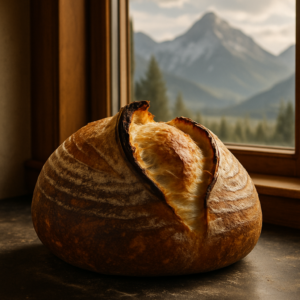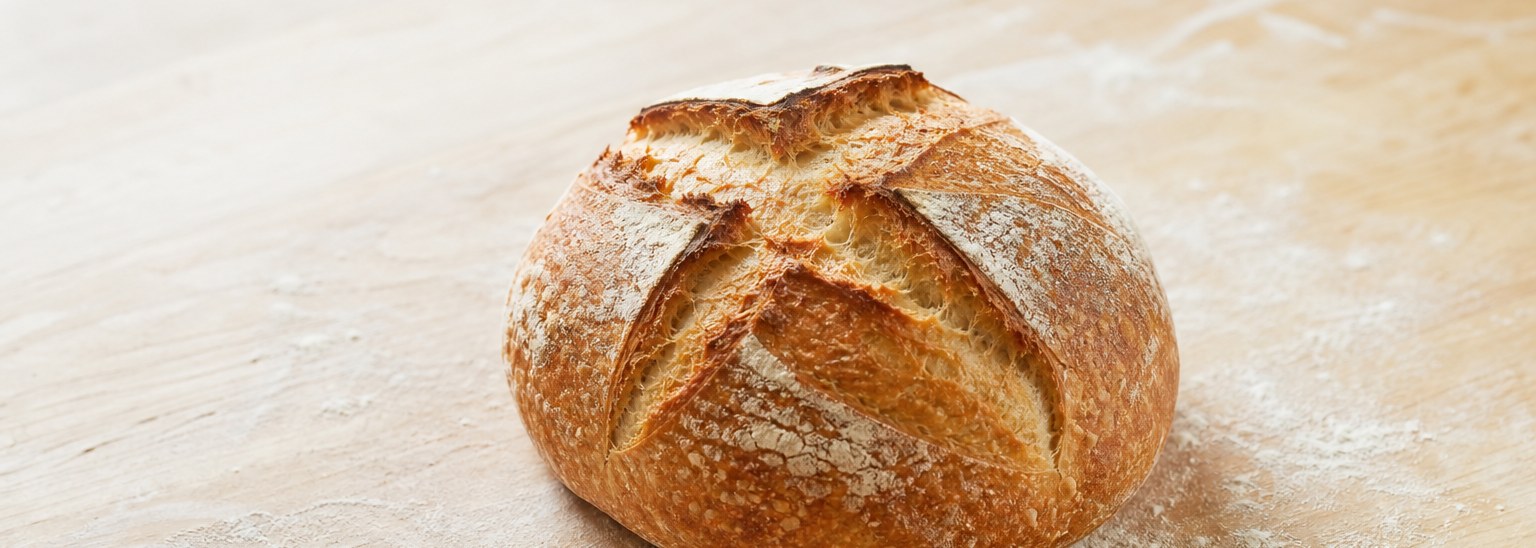
Nearly every home baker starts out assuming that dough basically develops itself — that if you mix flour, water, salt, and starter and just leave it alone long enough, structure shows up on its own. That exact assumption is what wrecked the loaf I proudly set on the counter the first time my in-laws came to visit. What landed there looked like a punctured football: flat, pale, gummy in the center. My mother-in-law picked it up, turned it over twice, and delivered the kindest possible lie: “Oh, how… rustic.” It was not rustic. It had no structure at all. The real culprit, I’d discover later, was my complete blind spot around gluten development in sourdough stretch fold technique — I’d mixed the dough, tossed a towel over the bowl, and wandered off for four hours as if bread just figures itself out. No folds. No structure. No dignity, honestly.
That mortifying football-shaped loaf turned out to be one of the more useful failures of my baking life. It sent me chasing down everything I could find about what gluten actually is, what a stretch and fold session is really doing inside the dough, and why skipping it hands you a loaf that can’t win a fight with gravity. Stay with me here — once the logic clicks, the technique itself stops feeling like a mysterious ritual and starts feeling obvious.
Gluten, Explained: Why It’s Not the Enemy People Make It Out to Be
Gluten has a rough reputation in some corners of the internet, but inside a sourdough loaf, it’s doing you an enormous favor. The instant flour meets water, two proteins that occur naturally in wheat — glutenin and gliadin — bond together and form gluten. Picture it as an elastic, web-like mesh running all the way through your dough. That mesh handles two essential jobs at once: it traps the carbon dioxide your fermentation is producing, and it gives the finished loaf enough backbone to hold its shape once it hits the oven.
When that mesh isn’t strong enough, the gas just leaks out instead of staying trapped. Rather than climbing upward, the dough slumps sideways. The crumb turns dense and wet instead of light and chewy. Sound familiar? It should — that’s exactly the fate of my football loaf. Fermentation wasn’t the issue; my starter was lively and bubbling away just fine. The dough simply had no framework built into it to hold onto all that gas, because I’d never given it one.
Why the Stretch and Fold Method Builds Gluten So Effectively
This is the part I find genuinely fascinating. It’s tempting to assume kneading is the only path to gluten development, and a lot of traditional bread baking really does lean on it hard. Sourdough runs on a slower clock, though, and that slower pace does a lot of the heavy lifting for you. A handful of stretch and fold sets spread across bulk fermentation, paired with time itself, can build a gluten network every bit as strong as kneading would — no vigorous working of the dough required.
Every fold you perform is doing several things simultaneously. It physically lines the gluten strands up into a tighter, more organized web. It also redistributes the yeast and bacteria throughout the dough, handing them fresh sugars to keep fermentation active. And it releases a bit of gas without flattening the structure you’ve already built. Once you understand what’s actually happening, it’s a remarkably efficient little process.
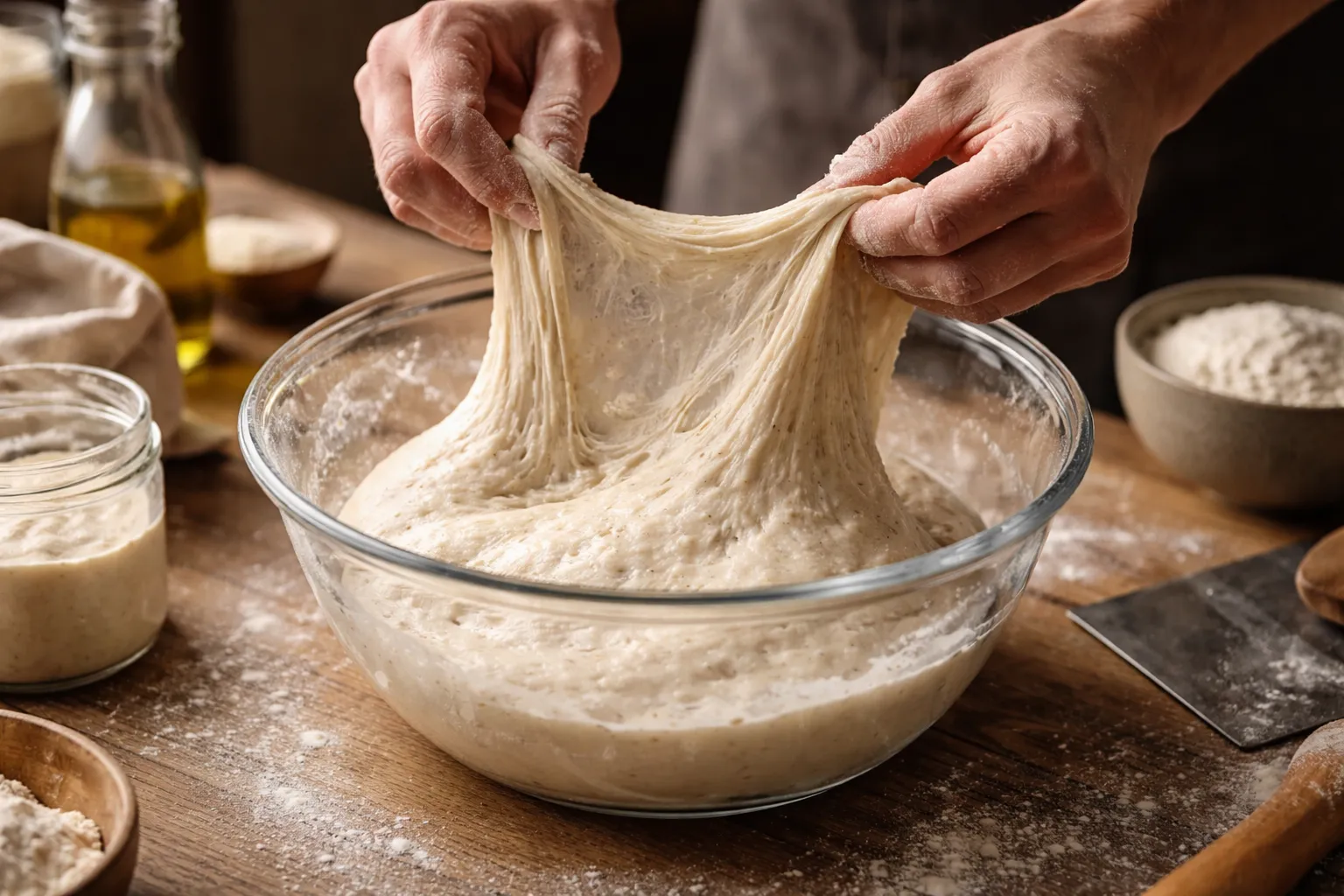
The typical rhythm is four rounds of stretch and folds, spaced roughly 30 minutes apart, done within the first couple hours of bulk fermentation. Wet your hand, grab one edge of the dough, pull it upward as far as it will go without tearing, then fold it across to the opposite side. Give the bowl a quarter turn and repeat. Four pulls make one full set. By your second or third set, you’ll feel the dough change under your hands — firmer, springier, almost smooth. That pushback is your gluten network doing exactly what it should, and it’s genuinely satisfying to feel.
Once the basic fold feels natural, coil folds are worth trying too — you lift the dough from underneath its center and let the edges drape and tuck under on their own. Plenty of bakers save coil folds specifically for the later rounds, once the dough already has some tightness built in. Either way, the goal never changes: more tension, more structure, more strength.
How to Tell Your Gluten Is Actually Developing
Ever since my football-loaf disaster, I’ve become a little obsessive about reading the dough throughout bulk fermentation. Here’s what I now watch for to confirm gluten development is heading in the right direction.
- Each round of folds leaves the dough noticeably firmer and springier than the round before it.
- It holds its shape sitting in the bowl instead of pooling flat and looking defeated.
- Pulling on the dough during a stretch meets some resistance rather than tearing immediately — that pushback is a good sign.
- By the time bulk fermentation ends, the dough has puffed up noticeably, domed slightly on top, and shows bubbles along the edges and surface.
- The windowpane test succeeds — a small piece of dough stretches thin enough for light to show through it without splitting.
Discovering the windowpane test changed the game for me. Before that, I was essentially guessing my way through bulk fermentation. Now I have an actual physical checkpoint confirming the gluten network is strong enough to trap gas and hold its shape all the way through proofing and into the oven.
The Tools I Reach For to Make This Easier
You absolutely don’t need specialty gear to build solid gluten in sourdough, but having the right tools on hand makes the whole process more enjoyable and a lot less messy. Here’s what I actually use and keep coming back to.
The Bowl That Finally Let Me Watch Gluten Development Happen
For years I folded dough in solid, opaque bowls, which meant I was more or less working blind — no way to tell whether the dough was actually strengthening or simply getting warmer. Switching to a clear bowl changed that completely, because now I can watch the transformation happen in real time, see the gluten mesh tighten as I fold, and know exactly when it’s time to stop.
Where it delivers
- Watching gluten development unfold is genuinely possible — seeing the dough shift from shaggy clumps to a smooth, cohesive mass mid-fold gives you real-time confirmation, so there’s no more guessing about when you’ve done enough.
- The lid keeps the dough from crusting over between folds while you’re monitoring it, which matters a great deal during those critical opening hours of bulk fermentation.
- It’s roomy enough for high-hydration doughs (mine usually sit above 80%) without spilling over the rim or climbing the sides during more aggressive folds.
Where it falls short
- Glass transfers temperature quickly, so bulk fermentation can finish faster than you’d expect in summer months — I’ve had to start checking my dough earlier than most recipes suggest.
- The lid doesn’t create a true seal, which is usually fine for sourdough, but if you’re worried about drying or want a fully airtight setup, plan on layering a damp towel over the top as backup.
There was one batch where I doubted the dough was strong enough to shape, because impatience had me cutting the folds short — and it wasn’t until I could actually see through the glass that I realized almost no strength had built up at all. Four extra folds later, real structure finally showed up. If you want to actually understand what stretch and fold is doing to your dough instead of guessing at it, grab the EWAFILU 4.7QT Large Glass Mixing Bowl with Lid.
Frequently Asked Questions
What does stretch and fold actually do to sourdough dough?
Stretch and fold physically lines gluten strands into a tighter, more organized web. It also redistributes yeast and bacteria throughout the dough, giving them fresh sugars to keep fermentation active, and releases gas without flattening the structure you’ve already built.
How many stretch and folds should I do during bulk fermentation?
The typical rhythm is four rounds of stretch and folds, spaced roughly 30 minutes apart, done within the first couple hours of bulk fermentation. Each round involves four pulls total — grab one edge, pull upward, fold across to the opposite side, then quarter-turn the bowl and repeat.
How can I tell if my gluten is developing properly?
Each fold round leaves the dough noticeably firmer and springier. It holds its shape instead of pooling flat, pulls with some resistance rather than tearing immediately, and by bulk fermentation’s end, it’s puffed up with a domed top and surface bubbles. The windowpane test succeeds when a small piece stretches thin enough for light to show through without splitting.
Why did my sourdough loaf turn out flat and gummy inside?
Without stretch and fold, your dough never builds a gluten network strong enough to trap carbon dioxide from fermentation. The gas leaks out instead, causing the dough to slump sideways, creating dense, wet crumb rather than light, chewy structure.
About This Article

Written by Sam Whitaker. Sam Whitaker has been baking sourdough for over a decade, including three years baking commercially, and now works out of a home kitchen in the Pacific Northwest. Sam's eleven-year-old starter, Harold, is the foundation for every recipe and troubleshooting guide on Sourdough Rising — real bread tested over and over until it works. More about this site.
Scope and limits. Sam is a home baker with no formal culinary training. Follow current food safety guidance for storage and handling, particularly with enriched or filled doughs.
Verify this against a primary source
Specifics change, and your situation may differ from the one described here. These are the authorities worth checking directly:
- USDA FoodData Central — flour and ingredient composition data
- FoodSafety.gov — safe handling and storage