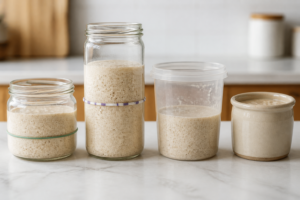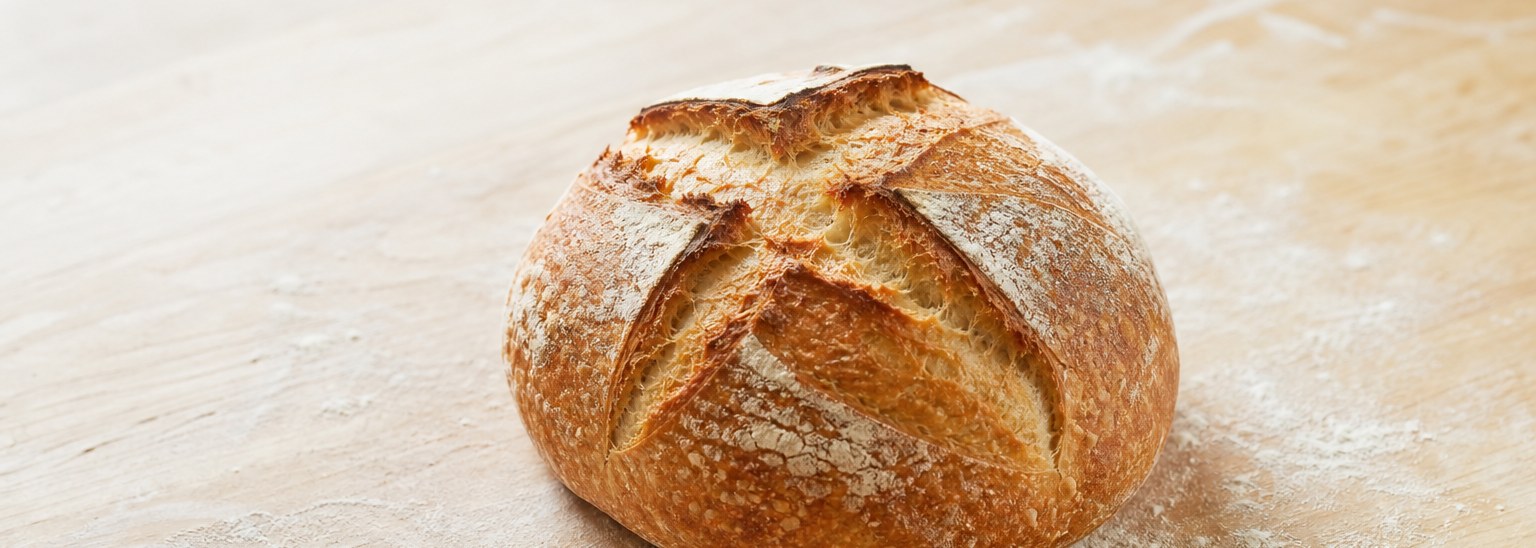
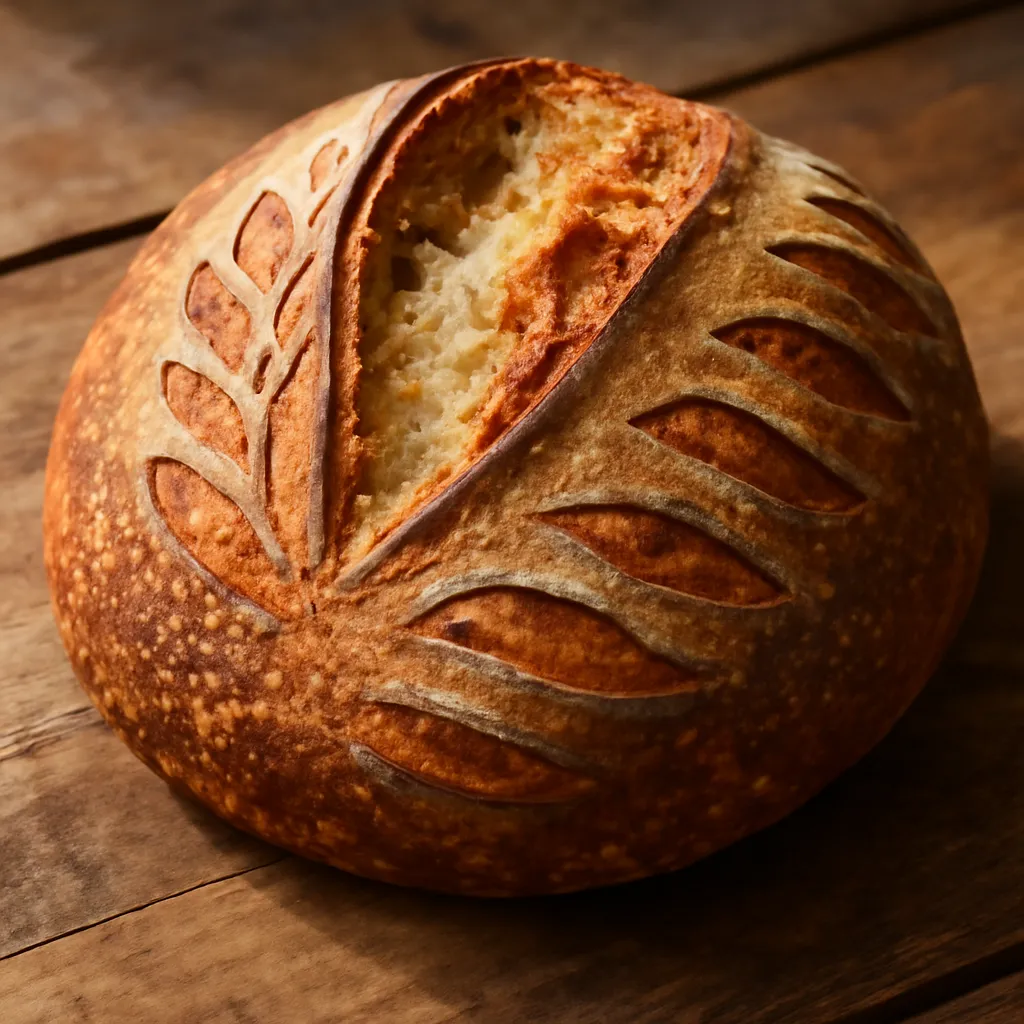
A brutal heat wave rolled through my kitchen last July and turned my starter into an overachiever almost overnight — and it made something obvious: the right gear isn’t a nice-to-have, it’s what keeps you connected to a craft that’s been refined for hundreds of years. Sure, the tools have ridiculous names. That doesn’t stop them from working exactly as intended.
So let’s get into the actual gear — where the strange names came from, and why they matter more than the packaging suggests. Once you know the backstory behind each one, you’ll stop seeing them as odd kitchen novelties and start seeing them as the specific, purpose-built instruments they are.
Why Oddly Named Gear Actually Earns Its Keep
I’ll admit it — early on I figured half these names were invented for a novelty catalog. “A spurtle? That belongs in a medieval tale, not on my counter.” Turns out I was wrong on both counts. These strangely labeled tools aren’t gimmicks dreamed up by a marketing team. They’ve been around for generations, and the goofy names are simply a byproduct of bakers being, well, bakers — a crowd that’s never shied away from calling things by their oldest, weirdest labels.
Take the “spurtle” — it sounds like it belongs in a spellbook, yet it’s really just the ideal implement for stirring dough without overdeveloping the gluten. Or the “Danish whisk,” which conjures images of longships, but is in fact the softest way to bring a starter together. And the “lame”? That’s just French for blade — it just happens to sound like an insult in English.
Here’s the part that actually matters: none of these are novelty items wearing silly costumes. Each one solves a specific problem in your process. A spurtle stirs without punishing the gluten. A Danish whisk folds ingredients together without whipping air into the mix. And a lame is built for one job — clean, controlled scoring — and it does that job better than anything improvised.
Yes, the names are amusing. But the results speak louder than the labels. Would you rather own a boringly named tool that underperforms, or a ridiculous-sounding one that consistently gives you better bread? I know which side I’m on.
And honestly, it makes for decent kitchen small talk. “I stirred this with my spurtle.” “My Danish whisk saved my starter.” “My lame gave me that perfect leaf pattern.” You sound like you’re reciting a spell, but really you’re just a baker with a well-chosen toolkit.
Quick Comparison Table
Here’s a snapshot of the ten pieces of equipment I consider must-haves:
| Tool | Price | Rating | Type | Origin |
|——|——-|——–|——|——–|
| 1. Zulay Kitchen 13-Inch Danish Dough Whisk | $12.99 | 4.6 stars (7,252 ratings) | Danish Whisk | Denmark |
| 2. TEEVEA Danish Dough Whisk Stainless Steel | $16.99 | 4.8 stars (5,998 ratings) | Danish Whisk | Denmark |
| 3. KneadAce Upgraded Extractable & Magnetic Bread Lame | $13.98 | 4.5 stars (1,193 ratings) | Bread Lame | France |
| 4. Sourdough Starter Warmer Mat | $29.99 | 4.6 stars (150 ratings) | Temperature Control | Modern Innovation |
| 5. HULISEN Flour Duster for Baking | $7.99 | 4.7 stars (5,054 ratings) | Flour Duster | Professional Bakeries |
| 6. Fenikara Premium Magnetic Bread Lame | $7.99 | 4.5 stars (123 ratings) | Bread Lame | France |
| 7. SAINT GERMAIN Premium Hand Crafted Bread Lame | $8.99 | 4.6 stars (7,042 ratings) | Bread Lame | France |
| 8. 2 Pack Wooden Spurtle for Sourdough Starter | $9.99 | 4.6 stars (210 ratings) | Spurtle | Scotland |
| 9. RAPSAKEMOH Bread Knife for Homemade Bread | $12.48 | 4.7 stars (1,337 ratings) | Bread Knife | Professional Bakeries |
| 10. SURDOCA Dough Scraper Bench Scraper – 3 Pack | $4.99 | 4.6 stars (5,643 ratings) | Bench Scraper | Professional Bakeries |
Product-by-Product Breakdown
1. Zulay Kitchen 13-Inch Danish Dough Whisk
Price: $12.99
Rating: 4.6 stars (7,252 ratings)
Type: Danish Whisk
Origin: Denmark
Danes call this a “brodpisker,” and the name alone sounds like it’s meant for battling invaders, not folding a starter together. In reality it’s about the gentlest tool you can put in a jar of bubbling dough. I found this out the hard way, after my regular wire whisk got completely wedged in a thick starter and I had to dig it out with a butter knife. Not a proud kitchen moment.
#### What Sold Me on This Whisk
This thing moves through a stiff starter without ever getting stuck. The three coiled loops cut cleanly through thick mixtures the way a standard whisk cuts through eggs and butter, minus the overmixing. The long wooden handle keeps things comfortable even when the dough fights back a little. First use, I noticed the cleanup right away — nothing clung inside the loops the way it always did with my old wire whisk.
#### How It Holds Up
Set this next to an ordinary whisk and the difference is obvious — this one is built specifically for heavier doughs. The stainless rings resist rust and hold their shape over time, and the ergonomic grip means my hand doesn’t cramp halfway through mixing. It’s become my default for starter, and I’ve since started reaching for it with pizza dough and cake batter too. For under thirteen dollars, it punches way above its price point.
What sets it apart: The classic Danish coil shape is the whole story here — bakeries in Denmark have relied on this exact design for generations, and it’s earned that trust. The three-loop build is engineered for thick doughs specifically, the wooden handle stays comfortable in the hand, and it’s genuinely the only whisk I’ve found that doesn’t fight you when mixing starter. Regular whisks just clog up.
2. TEEVEA Danish Dough Whisk Stainless Steel
Price: $16.99
Rating: 4.8 stars (5,998 ratings)
Type: Danish Whisk
Origin: Denmark
I grabbed the TEEVEA version specifically to test whether a fourth ring actually speeds things up compared to the standard three-loop design. Short answer: it does. That extra coil roughly doubles how efficiently the dough gets worked, which in practice means I’m cutting my starter-mixing time in half. The handle is wood, and it stays gripable even when my hands are wet and messy, which — let’s be honest — is most of the time.
#### Built to Last
The coil is made from 304 stainless steel, so corrosion and rust just aren’t a concern here, and it’s held its shape through years of use — something I can’t say for whisks that warp or splay over time. It’s compact too, at roughly 12.99 x 3.13 x 1.18 inches, so it tucks away easily in a drawer. Cleanup takes seconds; a quick rinse and it’s done.
#### Stacked Against the Competition
Put next to the Zulay whisk, this one has an extra loop, which shaves a bit of time off mixing. The build quality is top-notch, and the wooden handle feels good in hand. It costs a little more, but between the four-loop design and the material quality, it earns that premium. I reach for this one when speed matters, and switch to the Zulay when I want a more old-school feel.
What sets it apart: That fourth loop is the headline feature — it noticeably speeds up mixing versus three-ring whisks. The 304 stainless steel is genuinely high-grade, and the non-slip wooden handle stays comfortable even soaked. If speed is your priority, this is the pick.
3. KneadAce Upgraded Extractable & Magnetic Bread Lame
Price: $13.98
Rating: 4.5 stars (1,193 ratings)
Type: Bread Lame
Origin: France
Say it “lahm,” not “lame” like the English word — it’s just French for blade, and it’s the single tool responsible for turning a plain-looking loaf into something with actual character. I ended up with this magnetic version after my old scoring blade vanished somewhere in a kitchen drawer. I spent a good twenty minutes hunting for it while my dough sat there proofing past its window. Not a great morning.
#### The Magnetic Storage Angle
The standout here is that it sticks to metal — my fridge, my oven door — so it’s always in arm’s reach instead of buried somewhere. The sliding knob lets you dial in exactly how much blade is exposed, and the magnetic blade holder keeps everything locked in place without shifting mid-cut. It even ships with a little booklet of scoring patterns, which taught me a handful of designs I’d never have thought to try.
#### Actual Scoring Results
The handle sits comfortably in the hand, and the razor blades bite clean and precise every time. My first score with this lame came out sharper than anything I’d managed before, and the oven spring that followed showed it. It ships with five spare blades, so replacements aren’t an immediate concern, and thanks to the magnetic mount, misplacing it is basically a non-issue now.
What sets it apart: Magnetic storage is the big differentiator — no more digging through drawers to find it. The sliding knob adjusts blade exposure, the magnetic holder keeps the blade from shifting, and the included pattern booklet is a genuinely useful extra for anyone still learning to score.
4. Sourdough Starter Warmer Mat
Price: $29.99
Rating: 4.6 stars (150 ratings)
Type: Temperature Control
Origin: Modern Innovation
My house is old and drafty, and I learned the hard way just how much temperature dictates fermentation. Come winter, my kitchen turns cold, and my starter would barely budge even after sitting a full 12 hours. A vendor I chat with at the farmer’s market mentioned warming mats, and I was doubtful — right up until I tried one myself.
#### Dialing In the Exact Temperature
The thermostat holds temperature within 1°F, which is remarkably tight control. I keep mine locked at 78°F — the sweet spot where my starter really wakes up. There’s a 24-hour timer, so I can walk away and stop thinking about it, and a memory function that recalls my last setting automatically. During the coldest winter stretches, when my thermostat seemed to have opinions of its own, this thing carried my starter through.
#### Getting Set Up Safely
Note that you’ll need your own jar — this mat isn’t sold with one, but it fits containers up to 40oz. I pair it with a Weck jar and honestly it feels like the setup was made for each other. The materials are kitchen-safe and BPA-free, the heating element runs at low wattage, and there’s built-in overheat protection so I’m not worried about leaving it running.
What sets it apart: That 1°F precision is the headline — most warming mats give you a loose range, while this one gives exact control. The 24-hour timer and memory setting add real convenience, and the small footprint means it doesn’t hog counter space.
5. HULISEN Flour Duster for Baking
Price: $7.99
Rating: 4.7 stars (5,054 ratings)
Type: Flour Duster
Origin: Professional Bakeries
I found this after a genuinely messy attempt to flour my banneton using a fine mesh sieve. Flour landed everywhere — the counter, the floor, even my very unimpressed cat. Clearly there was a better method out there somewhere.
#### Works With One Hand Free
This duster turned out to be that better method. Squeeze the spring handle and you’re dusting with one hand, which matters when your other hand is holding a proofed dough ball. One side is perforated and spreads flour in an even layer, while the solid side scoops flour up for refills. It’s 18/8 stainless steel, dishwasher-safe, and small enough to store without a second thought.
#### Precision Without Waste
What sold me was the control — I can target exactly where flour needs to go without dumping excess everywhere. Being able to work one-handed matters when the other hand is occupied holding dough. Coverage on my bannetons is consistently even now, every single time. For under eight bucks, it’s one of the more genuinely useful items in my kit.
What sets it apart: One-handed use is the real selling point — dusting flour while holding dough in the other hand is a small thing that makes a real difference. The spring handle holds together through repeated use, the 18/8 stainless steel goes straight in the dishwasher, and the mess factor basically disappears.
6. Fenikara Premium Magnetic Bread Lame
Price: $7.99
Rating: 4.5 stars (123 ratings)
Type: Bread Lame
Origin: France
Curiosity about the push-pull mechanism is what got me to try the Fenikara. Does that setup genuinely simplify scoring? It does. Three separate functions — secure magnetic storage, adjustable scoring length, and a stable locking position — make this more versatile than I expected. The magnet grabs onto any metal surface, so it stays wherever I leave it near the oven.
#### Adjustable Blade Setup
Push-pull adjustment means you can dial in the blade length depending on the pattern you’re going for, and the locking mechanism keeps everything steady while you cut. Ten high-strength razor blades come included, so I’m covered for quite a while, and the pattern guides help translate designs onto the loaf without guesswork.
#### Comfortable for Multiple Loaves
The handle is shaped to reduce fatigue, which matters when I’m scoring a whole batch in one session. The first time I picked this up, intricate patterns came together far more easily than I expected. The adjustable blade length handles both simple slashes and more elaborate designs without swapping tools.
What sets it apart: The three-mode push-pull system is the core feature — blade length adjusts to whatever pattern you’re attempting. Magnetic storage keeps it within reach, the included ten blades and pattern guides are a solid bonus, and the ergonomic handle makes longer scoring sessions comfortable.
7. SAINT GERMAIN Premium Hand Crafted Bread Lame
Price: $8.99
Rating: 4.6 stars (7,042 ratings)
Type: Bread Lame
Origin: France
This is the old-school French version — a hand-finished wooden handle paired with a stainless steel stem that holds replaceable blades. I picked it up after my cheap plastic lame cracked, and I wanted something built to actually last. This one is.
#### Craftsmanship That Shows
The handle is shaped for a firm, comfortable grip that holds the blade securely. There’s a lifetime warranty covering replacement blades, meaning I’ll never need to buy them separately again — the ten included blades are covered for life, which is a remarkable deal. It also comes with a hand-made leather sheath that protects the blade between uses, a small but appreciated detail.
#### Where Precision Comes From
The build quality here is what stands out most — the wood handle is finished beautifully, and the stainless stem holds its position without wobble. My very first cuts with this lame came out cleaner than I expected, with the blade tracking exactly where I aimed it. The grip gives you real control over depth and angle. This is the same style French bakers have relied on for generations.
What sets it apart: The hand-crafted build is the story here — it’s the traditional design professional bakers still reach for. A lifetime blade warranty is an outstanding value, and the included leather cover is a thoughtful touch. If you want a lame built to outlast the trend, this is it.
8. 2 Pack Wooden Spurtle for Sourdough Starter
Price: $9.99
Rating: 4.6 stars (210 ratings)
Type: Spurtle
Origin: Scotland
The spurtle — sometimes spelled “spirtle” — is a Scottish wooden stirring stick with roots tracing back to the 1400s. Its name is a mashup of the Latin “spatula” and the Old English “spirtle,” both circling around the idea of stirring. Porridge was its original job; now bakers keep one around specifically because it mixes dough without pushing gluten development too far.
#### The Shape Does the Work
I picked one up after a regular wooden spoon got permanently stuck mid-stir in a thick starter, forcing me to pry it free. Frustrating, to say the least. The spurtle’s tapered profile slides through even the stickiest mixtures without resistance. Its long handle reaches the bottom of a deep jar easily, and since this comes as a two-pack, there’s always a backup on hand. The teak construction is fully food-safe.
#### Easy on the Gluten
What stands out most is how little it disturbs the dough structure — it mixes without overworking gluten, which is ideal for both delicate pastry work and starter maintenance. The finish is non-toxic and food-contact safe, and the wood surface wipes clean easily. It also handles heat fine for stovetop use, and won’t scratch a non-stick pan.
What sets it apart: This design has centuries of Scottish kitchen history behind it, and it earns that longevity. The taper glides through sticky mixtures, the long handle reaches deep containers, having two on hand means a spare is always ready, and the teak wood holds up to repeated use.
9. RAPSAKEMOH Bread Knife for Homemade Bread
Price: $12.48
Rating: 4.7 stars (1,337 ratings)
Type: Bread Knife
Origin: Professional Bakeries
I went looking for a bow-shaped bread knife after crushing my very first proper loaf trying to slice it with an ordinary kitchen knife. The bake itself was fine — the slices looked like they’d been through a car accident. Something had to give.
#### Why the Bow Shape Matters
The bowed frame is what makes this knife stand out — the serrated blade saws through soft crumb without crushing the loaf’s shape, keeping structure intact. The wooden handle stays comfortable in the hand, and at 15.7 inches long, it handles even oversized loaves with ease. The serration produces thin, consistent slices, which works especially well on baguettes and rustic country loaves.
#### Practical Extras
It comes with its own protective sheath that keeps the blade covered between uses — a detail I appreciate. It can also be switched to left-handed use: loosen a couple of screws, flip the blade, reattach, done. The handle stays comfortable through long slicing sessions, and honestly, the build quality outpaces the price tag.
What sets it apart: The bowed design is the defining feature — it stops loaves from getting crushed mid-slice, a common issue with a standard knife. The serration gives thin, even cuts, the handle stays comfortable, and the left-handed conversion is a nice touch for anyone who needs it.
10. SURDOCA Dough Scraper Bench Scraper – 3 Pack
Price: $4.99
Rating: 4.6 stars (5,643 ratings)
Type: Bench Scraper
Origin: Professional Bakeries
Also called a dough scraper or baker’s bench knife, this piece has held a spot in professional bakeries for centuries. It earns its name from doing double duty — scraping dough off the workbench and cutting or dividing it into portions. It’s the closest thing to a multitool in a baker’s kit.
#### Bends Where You Need It To
I picked these up after fighting to clean my counter post-mixing — flour scattered everywhere and dough wedged into every corner. These SURDOCA scrapers are made from durable PE plastic that flexes more readily than the rigid metal versions, meaning they conform nicely to the curve of whatever bowl I’m working in.
#### Three Tools in One Pack
The three-pack is the real value — one for scraping, one for dividing, one for transferring dough. Between the rounded edge, straight edge, and angled corners, cleaning wet dough out of odd-shaped bowls gets much easier. The anti-slip surface keeps it steady in your hand, and the food-grade, BPA-free PE plastic goes straight into the dishwasher when you’re done.
What sets it apart: The flexible PE plastic build is the key detail — it conforms to bowl shapes, which makes scraping corners far easier than with rigid tools. Getting three in one pack covers multiple tasks at once, the varied edges (round, straight, angled) add versatility, and at under five dollars for the set, it’s hard to beat on value.
Where These Strange Names Actually Came From
The Spurtle: Straight Out of Scotland
The spurtle — occasionally spelled “spirtle” — is a traditional Scottish wooden stirring implement that goes back to the 1400s. Its name blends the Latin “spatula” with the Old English “spirtle,” both pointing toward the act of stirring. It began life stirring porridge, and today bakers value it for mixing dough without overdeveloping the gluten.
#### The Story Behind It
As the story goes, a Scottish baker invented the spurtle after growing tired of his wooden spoon jamming inside stiff dough. The tapered shape slides through even the most stubborn mixtures the way a knife glides through soft butter. It looks like something out of a fairy tale, but it’s really the ideal tool for working thick starters without punishing the gluten. The long handle reaches deep into tall jars, and the smooth wood won’t gouge your containers. Think of it as a centuries-old Scottish trick hiding in plain sight in your kitchen drawer.
The Lame: A French Original
Pronounced “lahm” — not like the English word for uncool — “lame” is simply French for blade. It’s a razor mounted on a handle, used to score dough right before it goes into the oven. Those cuts aren’t decorative fluff; they let the loaf expand properly as it bakes. French bakers coined the term because they needed something precise enough for intentional, controlled cuts.
#### The Reason Scoring Isn’t Optional
English speakers mangle the pronunciation constantly, turning “lahm” into “lame” like the word for boring — French bakers probably find it funny, but it doesn’t change how essential the tool is. Skip proper scoring and your loaf can burst open unpredictably in the oven, and not in a way that looks intentional. The cuts give built-up steam somewhere to go and let the crumb expand the way it’s supposed to — essentially giving the bread room to breathe as it bakes. And as a bonus, those clean cut patterns are what make a home loaf look like it came out of a professional oven.
The Danish Whisk: Not Actually a Viking Weapon
The Danish whisk — also called a dough whisk — is a distinctive spiral-and-loop mixing tool. It originated in Denmark, purpose-built for working thick dough without tangling or seizing up. “Danish” simply refers to where it came from, a country where this shape has been a bakery staple for generations.
#### Why It Outperforms a Standard Whisk
Some call it a dough whisk, others a spiral whisk — whatever the label, anyone who’s actually used one knows it’s the rare tool that can handle a thick starter without turning into a sticky mess. It practically feels like a trick, minus the tricks. Where a standard whisk jams up in dense dough, this one slides right through. The coiled loops fold ingredients together without whipping air in, which is exactly what you want when mixing starter. It’s the one whisk that genuinely does the job — everything else just clogs and struggles.
The Bench Scraper: One Tool, Several Jobs
Known also as a dough scraper or baker’s bench knife, this has been standard equipment in professional bakeries for centuries. The name reflects its two main functions: clearing dough off the work surface and cutting or portioning it. It’s essentially the multitasker of the baking bench.
#### How Professionals Actually Use It
French bakers call it a “coupe-pâte,” or dough cutter, and use it with enough precision to divide dough into near-identical portions purely by eye. That’s a serious skill. Think of the bench scraper as a baker’s Swiss Army knife — you’ll use it to clear your counter, portion dough, move dough without deflating it, and even shape loaves. It’s the single tool that ends up in constant rotation. Once you start using one regularly, going back feels ridiculous.
Autolyse: A Technique, Not a Tool
Credit for the term “autolyse” goes to French baker Raymond Calvel, who developed the technique back in the 1970s. It combines “auto” (self) with “lyse” (breakdown) — the idea being that flour and water start breaking down on their own. Think of it as giving your dough a quiet moment to rest before you start working it.
#### What’s Actually Happening During That Rest
Autolyse is really just letting flour and water sit together before salt and yeast get added. It sounds like a technical term, but it’s simply a resting period. Water gets absorbed, gluten starts forming on its own, and you don’t have to lift a finger. Call it the dough’s quiet time — and it genuinely improves the final loaf. Turns out dough benefits from a little downtime too. This rest strengthens gluten and improves elasticity, which translates into better structure and a stronger rise. It’s not unlike stretching before exercise — your dough simply performs better once it’s had a chance to prepare.
Final Thoughts
Thinking about building out your own sourdough toolkit? The picks above are a solid place to start — worth a look if you’re ready to push your baking further. And keep this in mind: behind every ridiculous tool name is an actual story, and every one of those stories is worth knowing.
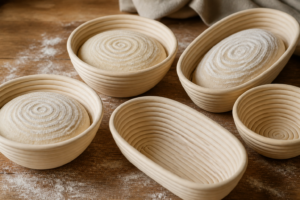
The Banneton That Stopped My Dough From Spreading Into a Pancake
For two solid years I made do with tea towels draped over mixing bowls, watching every carefully shaped loaf slump and flatten out during its final proof. Switching to an actual banneton fixed that almost immediately — my dough finally held its shape and had nowhere left to go but upward in the oven.
What works
- Those spiral or oval ridges hold wet dough in place, stopping the slow sideways collapse that ruins oven spring.
- Unlike a bare bowl, the fabric doesn’t grab onto flour — dough releases cleanly onto your peel, which sets you up for sharper scoring and a more defined ear.
- The shape itself pushes you toward better shaping habits; there’s no dumping dough in carelessly and hoping for the best — it requires real, deliberate tension.
What doesn’t
- Dried dough residue builds up in the fabric over time, and skipping a proper rinse between bakes lets old flour transfer onto your next loaf.
- Forget to flour it heavily before each use and you’ll rip fabric fibers right off along with your dough — a mistake I made in the most embarrassing way possible.
I doubted mine for exactly two bakes before I realized I was under-flouring it like an amateur, but once I committed to the ritual, it became the one tool I couldn’t imagine baking without. Grab a Sourdough Banneton Proofing Basket and watch your loaves hold their shape.
Frequently Asked Questions
What’s the difference between a Danish whisk and a regular whisk?
A Danish whisk has three or four coiled loops that glide through thick starter without clogging, while regular whisks jam up in dense dough. The coiled design folds ingredients together without whipping air in, making it ideal for mixing starter and thick doughs without overdeveloping gluten.
Why is a bread lame called a lame?
Lame is simply French for blade. French bakers developed this razor-mounted tool for precise scoring before baking. English speakers often mispronounce it to rhyme with the word for uncool, but the name just reflects its French origin and purpose of making controlled cuts.
What does a spurtle actually do for sourdough?
A spurtle is a tapered wooden stirring stick from 1400s Scotland that mixes starter without jamming or overdeveloping gluten. Its shape slides through thick, sticky doughs smoothly, and the long handle reaches deep into jars. It stirs gently, making it ideal for maintaining starter.
How does a sourdough starter warmer mat work?
The mat holds temperature within 1°F precision, keeping your starter at the ideal fermentation temperature. You set it to your preferred temperature like 78°F, and it uses a 24-hour timer with a memory function so you can walk away without monitoring it constantly.
About This Article

Written by Sam Whitaker. Sam Whitaker has been baking sourdough for over a decade, including three years baking commercially, and now works out of a home kitchen in the Pacific Northwest. Sam's eleven-year-old starter, Harold, is the foundation for every recipe and troubleshooting guide on Sourdough Rising — real bread tested over and over until it works. More about this site.
Scope and limits. Sam is a home baker with no formal culinary training. Follow current food safety guidance for storage and handling, particularly with enriched or filled doughs.
Verify this against a primary source
Specifics change, and your situation may differ from the one described here. These are the authorities worth checking directly:
- USDA FoodData Central — flour and ingredient composition data
- FoodSafety.gov — safe handling and storage