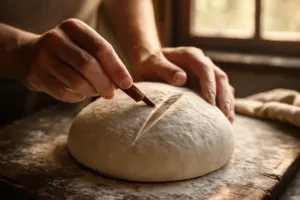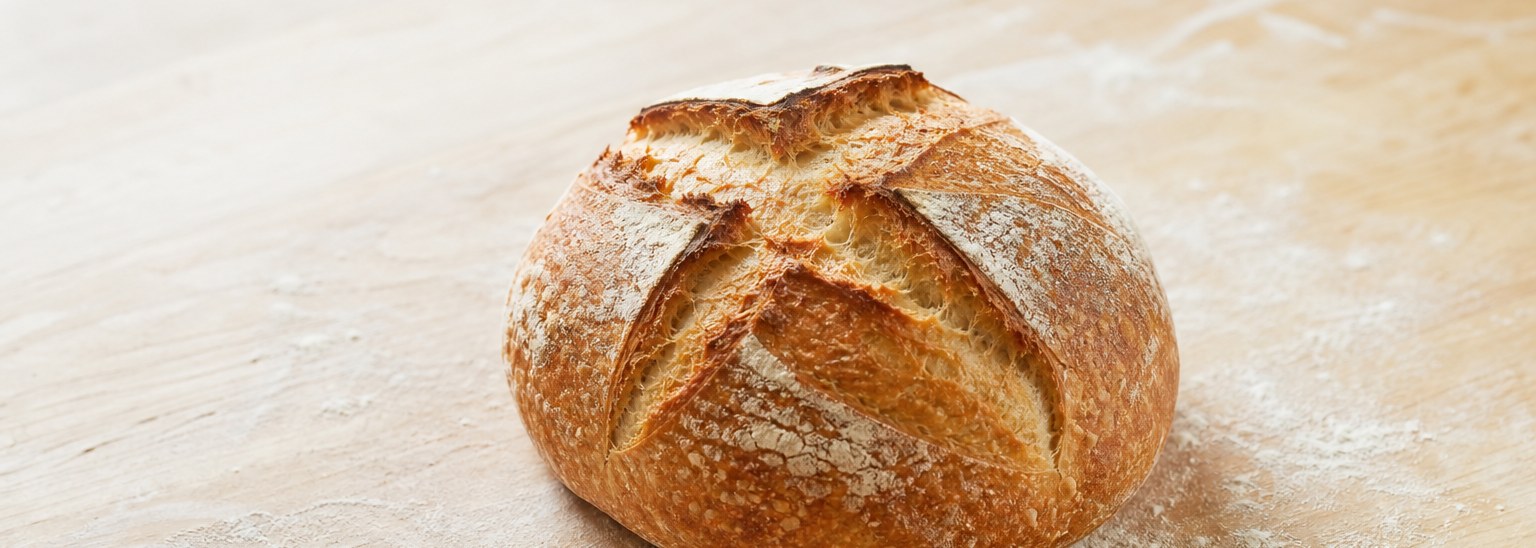
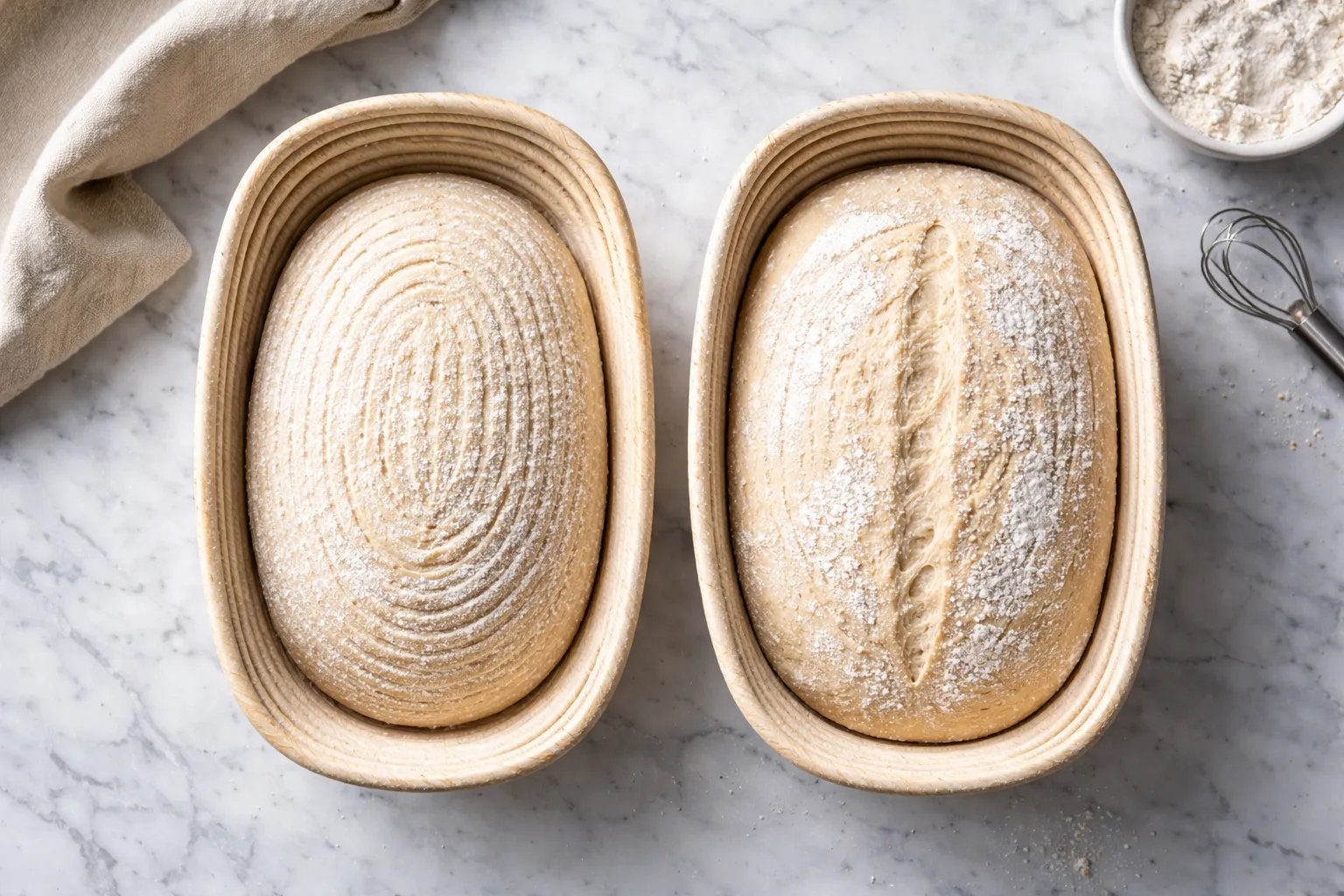
Half the sourdough advice floating around tells you cold proofing overnight is the only responsible way to build flavor and get clean scores. The other half swears room temperature is the real secret to an open, glassy crumb. One of those camps is dead wrong, or at least missing half the story — and I only figured out which one after flour-side-down disaster involving my own dog’s water bowl. I’d just pulled what I was convinced was my finest loaf yet out of the fridge, fumbled it, and watched it land squarely in Fido’s bowl. I stood there in my pajamas staring at a sad, soggy, unscored lump of dough slowly soaking up Labrador backwash, thinking: this is what three straight weeks of obsessing over cold proof versus room temperature proof gets you.
Here’s the twist, though — that ruined-looking loaf baked up gorgeous anyway. And the whole project it belonged to taught me more about proofing than any single bake ever had. Let me rewind and explain how I got there.
| Proofing Method | Temperature | Duration | Result |
|---|---|---|---|
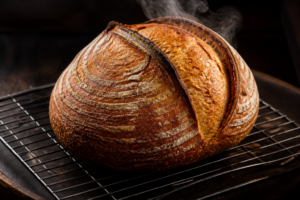
| Cold proof | 38–40°F (fridge) | Overnight | Clean scores, tall loaf (with proper basket support) |
| Room temperature proof | Around 72°F | 2–4 hours | Excellent results (with proper dough support) |
| Cold proof (worn banneton) | 38–40°F (fridge) | Overnight | Flat, pancake-like loaf |
| Cold proof (sturdy linen banneton) | 38–40°F (fridge) | Overnight | Tall, confident loaf |
How My Kitchen Ended Up as an Unofficial Proofing Lab
Eleven years into baking sourdough, and for the bulk of that time I just followed whatever a recipe told me without a second thought. Cold proof overnight? Fine by me. Room temperature for a few hours? Also fine. Problem was, my results kept swinging wildly, and I could never pin down whether the culprit was my shaping, my starter, my oven, or the proof itself. My husband, with love, suggested I “stop making bread your entire personality.” I answered by planning out a twelve-loaf side-by-side test. Very well-adjusted of me.
Across three separate weekends, I baked six matched pairs of loaves, each pair coming from identical dough, the same starter at the same hydration, shaped the same way on the same day. The one thing I let vary was the final proof: cold in the fridge overnight at roughly 38 to 40 degrees Fahrenheit, or left out at room temperature for two to four hours around 72 degrees. I logged everything — notes, photos, a full spreadsheet. Even the dog knew to keep his distance this time.
The Proofing Basket That Kept My Cold-Proofed Dough From Going Flat
Weeks into comparing cold and room-temperature proofs, it hit me that a chunk of my failures had nothing to do with timing at all — my worn-out, sagging banneton was letting all the tension drain out of the dough during those long overnight cold proofs. Once I switched to a basket that actually holds the dough’s shape through an extended proof, the gap between a tall, confident loaf and a flat pancake became obvious.
What worked for me
- The linen liner has enough body that it won’t collapse under a cold, heavy dough — even after a 16-hour stint in the fridge, the boule keeps its shape rather than spreading out against the basket sides.
- The coiled spiral pattern genuinely holds onto the dough, which counts for a lot during those long cold proofs, once condensation starts making surfaces slick.
- The liner that comes with it releases from chilled dough cleanly, no tearing, no sticking — sparing you that last-second scramble to pry a cold loaf loose right before you score it.
Where it fell short
- It costs noticeably more than the cheaper banneton options out there, and if you’re mostly proofing at room temperature, the payoff might not be worth the extra spend.
- You need to let the liner dry out fully between bakes, especially if cold proofing is a regular habit — a liner that’s still damp can leave odd sticky patches that mess with how the dough releases.
I almost returned it after the first use because I’d convinced myself a banneton was just a banneton, but that cold-proofed loaf told the real story. If you’re serious about comparing cold proof vs room temperature—or just tired of flat loaves—grab the Saint Germain Bakery Premium Round Bread Banneton Basket with Liner.
Frequently Asked Questions
Is cold proofing or room temperature proofing better for sourdough?
Both work well—Sam tested them side-by-side across twelve loaves and found the real difference comes down to your setup. Cold proofing overnight at roughly 38 to 40 degrees Fahrenheit and room temperature proofing for two to four hours around 72 degrees each produced excellent results when the dough was properly supported.
What temperature should I use for cold proofing?
Sam cold-proofed at roughly 38 to 40 degrees Fahrenheit overnight. This temperature, maintained in a standard refrigerator, worked well for building flavor and achieving clean scores when paired with proper equipment to support the dough shape.
Why did Sam’s cold proofed loaves keep coming out flat?
Sam’s worn-out banneton was letting tension drain from the dough during long overnight cold proofs. After switching to a basket with a sturdy linen liner that holds shape through extended proofs, the difference between a tall loaf and a flat pancake became obvious.
Can a banneton liner still be damp before cold proofing?
No. Sam found that a damp banneton liner can leave sticky patches that interfere with dough release. The liner needs to dry out fully between bakes, especially if cold proofing regularly, to avoid these issues.
About This Article

Written by Sam Whitaker. Sam Whitaker has been baking sourdough for over a decade, including three years baking commercially, and now works out of a home kitchen in the Pacific Northwest. Sam's eleven-year-old starter, Harold, is the foundation for every recipe and troubleshooting guide on Sourdough Rising — real bread tested over and over until it works. More about this site.
Scope and limits. Sam is a home baker with no formal culinary training. Follow current food safety guidance for storage and handling, particularly with enriched or filled doughs.
Verify this against a primary source
Specifics change, and your situation may differ from the one described here. These are the authorities worth checking directly:
- USDA FoodData Central — flour and ingredient composition data
- FoodSafety.gov — safe handling and storage