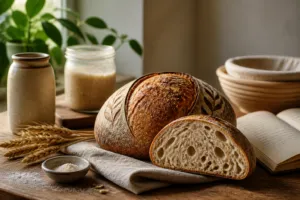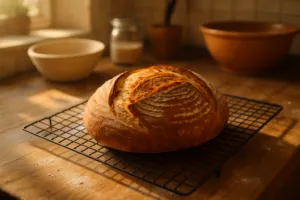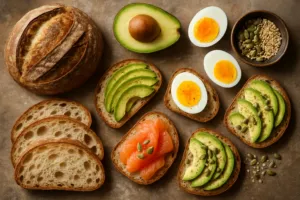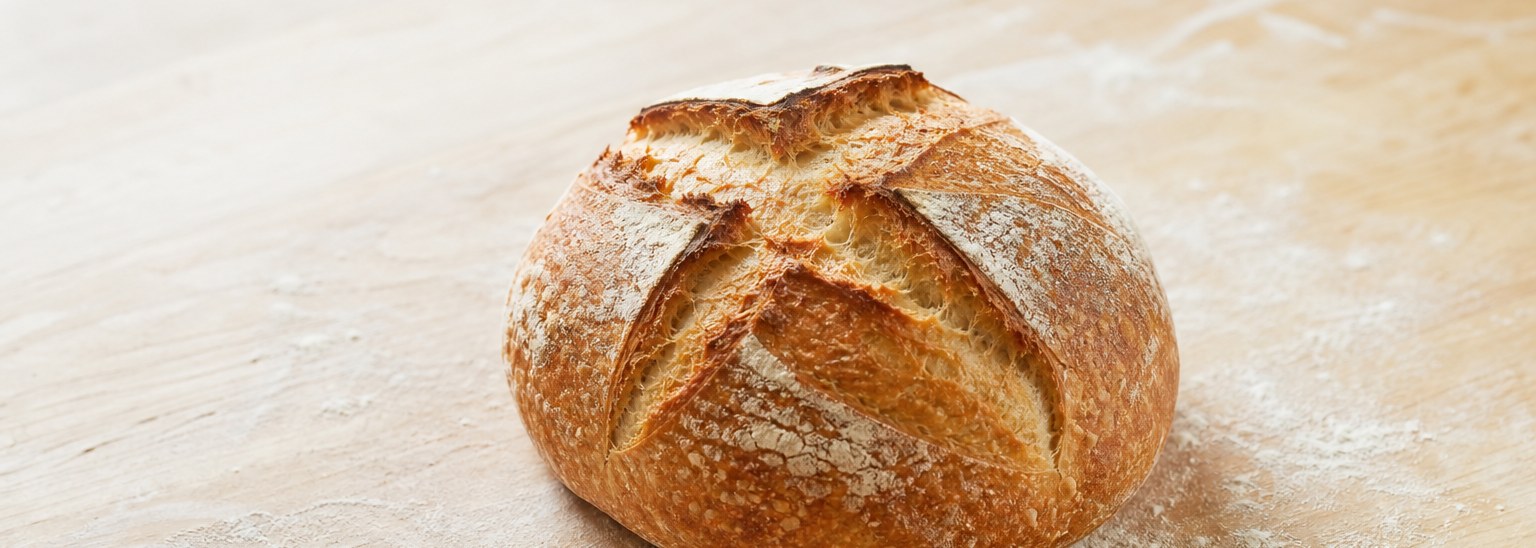
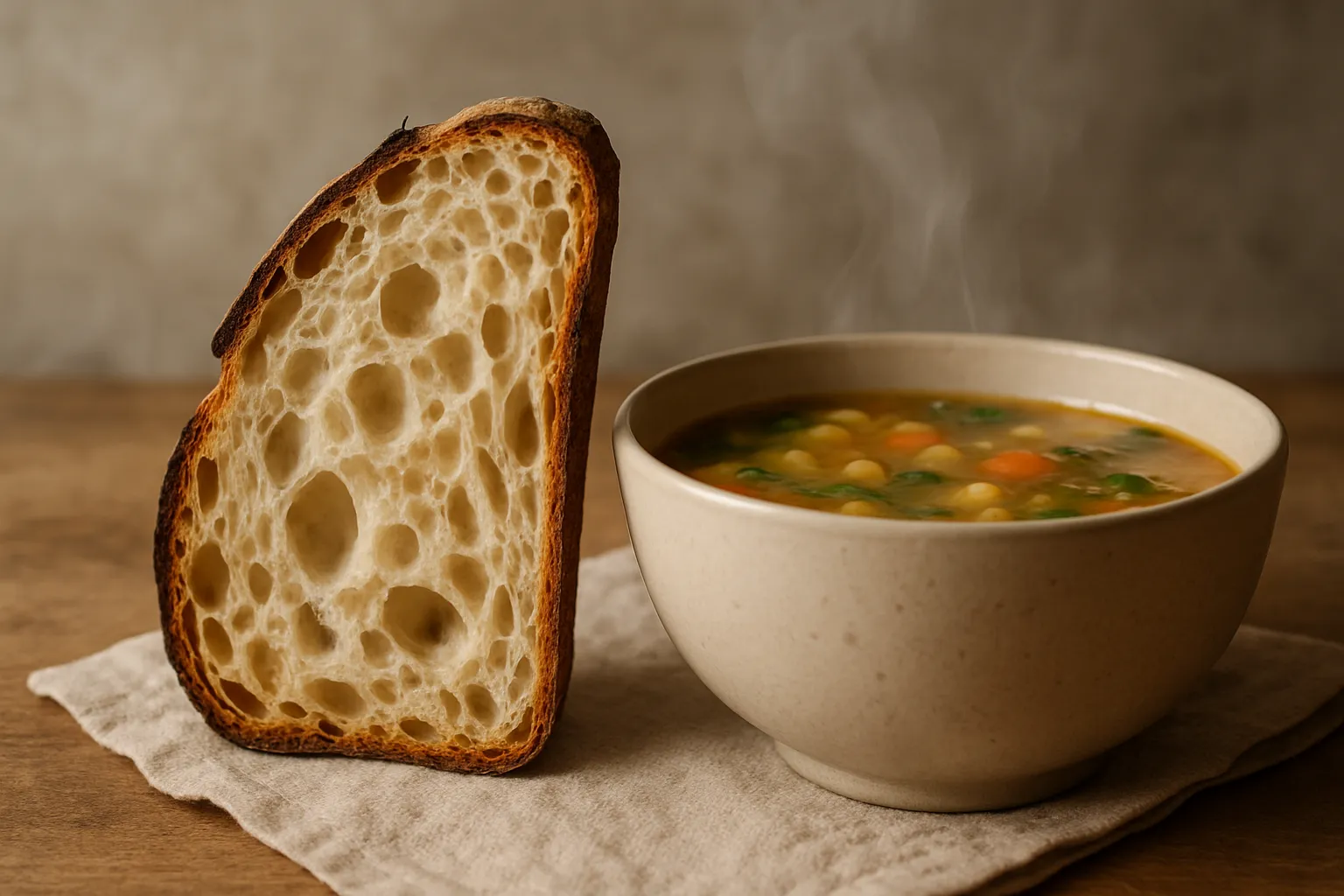
“How come regular bread wrecks my stomach but yours never does?” That’s the exact line my brother-in-law threw at me across the picnic table one afternoon, plate half-finished, looking almost personally offended. Fair question — he’d just watched me polish off two slices of my own loaf without a single complaint from my gut, while a store-bought roll had him reaching for antacids twenty minutes later. So I told him about the sink incident years back: hunched over the drain, bloated and miserable after a batch of ordinary yeast bread, despite using solid flour, filtered water, and honest effort. A friend had pushed me toward sourdough at the time, and I remember scoffing — bread’s bread, right? That assumption turned out to be completely off base. That one nudge launched a years-long deep dive into fermentation science, and today I can say with full confidence that sourdough is genuinely gentler on digestion than regular bread — and the mechanics behind why are worth unpacking.
The Digestive Case for Sourdough Over Standard Bread
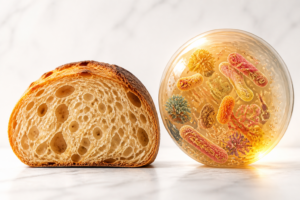
The whole explanation traces back to the slow, drawn-out fermentation that defines sourdough in the first place. Once flour, water, and a living starter culture come together, you’ve essentially released billions of wild yeast and lactic acid bacteria into that bowl of dough. Across the hours that follow — often stretching into an overnight rest — those microbes quietly dismantle several of the trickier compounds naturally present in wheat, long before the loaf ever reaches your plate.
Here are the three factors that matter most when it comes to how your gut handles it.
Phytic Acid Drops Off Significantly
Wheat naturally carries phytic acid — often labeled an “antinutrient” — which latches onto minerals such as iron, zinc, and magnesium and makes them tougher for your body to absorb. In sensitive guts, it can also aggravate the lining. During sourdough’s fermentation window, the acidic conditions switch on an enzyme called phytase, which dismantles a large chunk of that phytic acid. Research indicates that a properly long-fermented sourdough can cut phytic acid levels by as much as 90%, compared to roughly 38% for fast-rise commercial yeast bread. That translates to better mineral absorption with far less gut irritation — and that’s a genuine payoff worth highlighting.
Gluten Gets a Head Start on Breakdown
This is the part that catches most people off guard. During fermentation, the lactic acid bacteria living in sourdough generate enzymes that start dismantling gluten proteins before baking even happens. To be perfectly clear, that does not make sourdough safe for anyone with celiac disease — full stop. But for people dealing with general gluten sensitivity or ordinary bread-related discomfort, the partially broken-down gluten in a properly long-fermented sourdough loaf tends to sit much easier in the digestive tract. Essentially, your body gets a running start before the bread even reaches your stomach.
A Gentler Blood Sugar Curve
Fermentation reshapes the starch structure inside sourdough, which slows down how quickly your body breaks it down. The result is a noticeably lower glycemic index than what you’d get from conventional bread — meaning steadier blood sugar and a fuller feeling that actually lasts. Anyone who’s polished off two slices of white sandwich bread only to feel starving an hour later already knows what a sharp glycemic spike feels like. Sourdough operates on an entirely different rhythm.
When Your Culture Refuses to Rise: Why I Made the Switch to a Reliable Starter
If you’ve lost a starter — or two, or five — you already know the anxiety of guessing whether the feeding ratio’s off, the kitchen’s too cold, or you’re simply cursed with bad luck. A dependable starter culture erases that guesswork entirely and gives you strong, consistent fermentation right from the start — which translates directly into faster digestibility gains and more thorough gluten breakdown.
Where it delivers
- Shows real activity inside 24 hours — no three-week staring contest wondering if the jar’s even alive.
- Keeps rise and oven spring steady even during the weeks I’ve slacked on feeding schedules, meaning fermentation stays predictable and enzymatic breakdown stays consistent.
- Its San Francisco lineage delivers that signature tang and layered flavor without needing to chase down wild yeast or babysit ideal conditions.
Where it falls short
- It runs $15–20 upfront, unlike wild-caught yeast which costs nothing — though one packet, maintained well, lasts essentially forever.
- You give up the sentimental “handed-down from my grandmother” backstory. It’s practical and dependable, not heirloom — and that mattered to me more than I expected going in.
After months of nursing along a sluggish homemade culture, I figured a store-bought version would bake up bland and lifeless. The first loaf out of the oven proved that assumption wrong immediately. If failed starters keep sabotaging your progress toward more digestible bread, grab a Cultures for Health San Francisco Sourdough Style Starter Culture.
Frequently Asked Questions
How much does phytic acid decrease in long-fermented sourdough?
Research indicates that a properly long-fermented sourdough can cut phytic acid levels by as much as 90%, compared to roughly 38% for fast-rise commercial yeast bread. This reduction means better mineral absorption and significantly less gut irritation from wheat’s natural antinutrient.
Is sourdough safe for people with celiac disease?
No. While fermentation partially breaks down gluten proteins, that does not make sourdough safe for anyone with celiac disease. However, people dealing with general gluten sensitivity or ordinary bread-related discomfort may find long-fermented sourdough easier to digest.
How quickly should a reliable starter show activity?
A dependable starter culture shows real activity inside 24 hours, eliminating the guesswork of wondering whether the jar’s even alive. This consistent fermentation translates directly into faster digestibility gains and more thorough gluten breakdown in your finished loaf.
How much does a store-bought sourdough starter cost?
A store-bought starter runs $15–20 upfront, though one packet maintained well lasts essentially forever. Unlike wild-caught yeast which costs nothing, the initial investment is offset by long-term reliability and consistent fermentation results.
About This Article

Written by Sam Whitaker. Sam Whitaker has been baking sourdough for over a decade, including three years baking commercially, and now works out of a home kitchen in the Pacific Northwest. Sam's eleven-year-old starter, Harold, is the foundation for every recipe and troubleshooting guide on Sourdough Rising — real bread tested over and over until it works. More about this site.
Scope and limits. Sam is a home baker with no formal culinary training. Follow current food safety guidance for storage and handling, particularly with enriched or filled doughs.
Verify this against a primary source
Specifics change, and your situation may differ from the one described here. These are the authorities worth checking directly:
- USDA FoodData Central — flour and ingredient composition data
- FoodSafety.gov — safe handling and storage