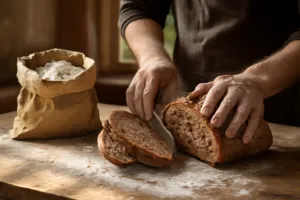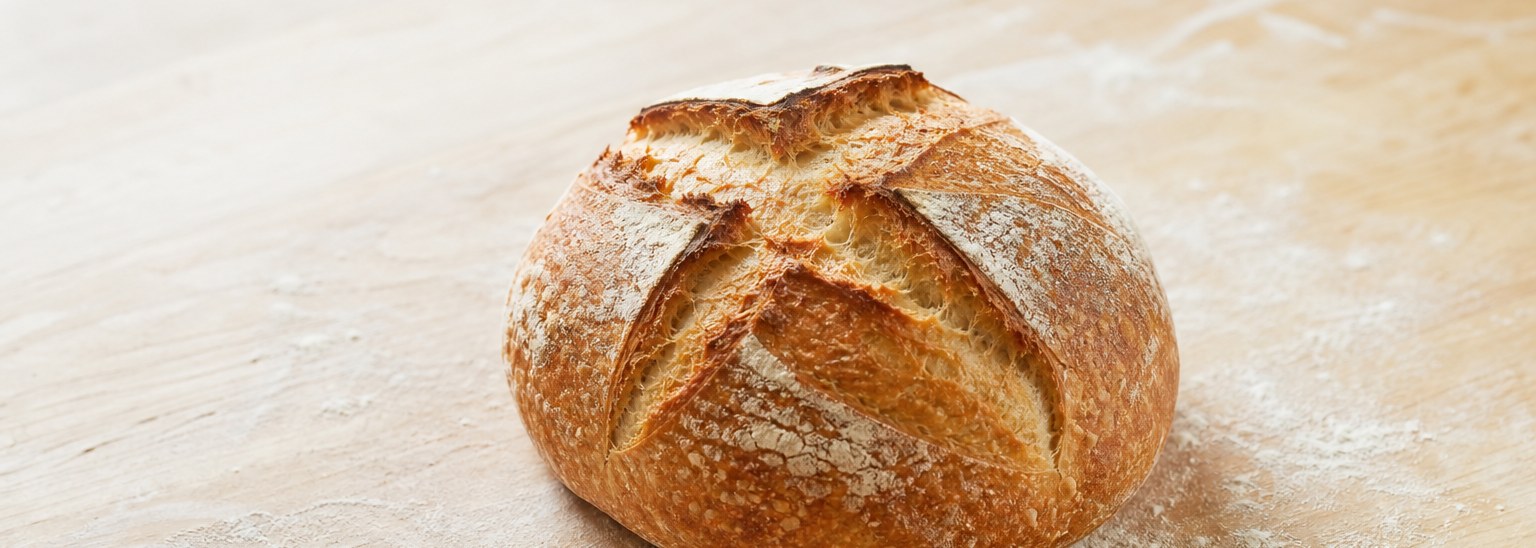
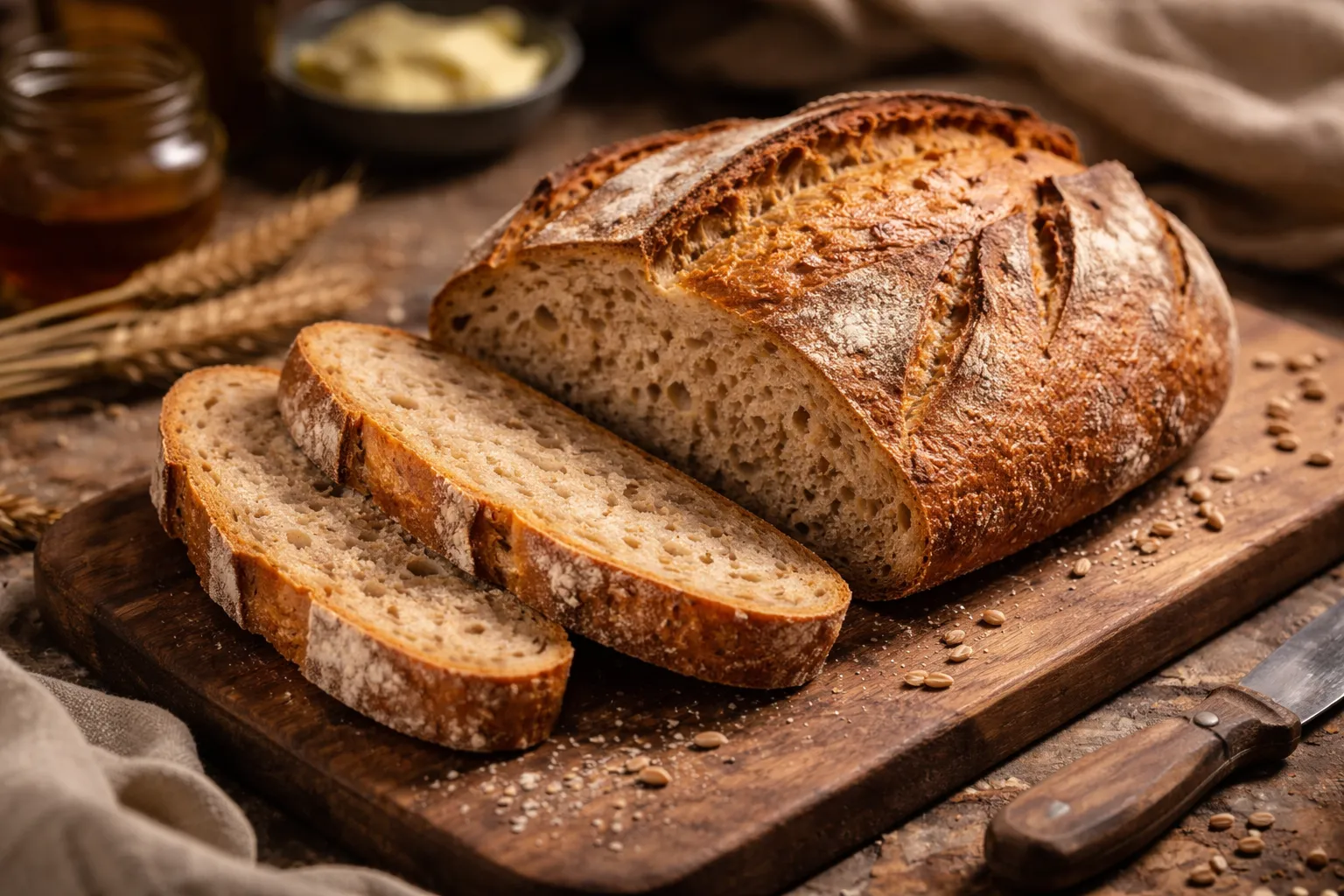
The smell hit me before the sound did — that warm, toasty, almost caramelized aroma filling the kitchen on a random Tuesday night, right as I flipped my very first spelt sourdough loaf out onto the cooling rack. Then came the thud. Not a gentle little tap, but a genuine, dense, wet-sounding thud, the kind of noise a dropped paperback makes on a wood floor. My husband walked in from the other room and asked, flat out, if something had fallen. Nothing had fallen. That sound was just my bread.
By that point I’d had a couple of years of sourdough baking under my belt, which apparently gave me just enough confidence to think I could swap in a brand-new flour and improvise my way through it. Turns out you cannot do that. Yet that gummy, weirdly heavy, slightly deflating loaf ended up kicking off one of my longest-running baking fixations, because spelt sourdough, done right, is genuinely something special. Getting there took three more attempts, a stack of reading, and a blunt little chat with myself about how I was handling hydration. Consider this post my attempt to hand you the shortcut I didn’t have.
How Spelt Behaves Differently Than Standard Wheat Flour
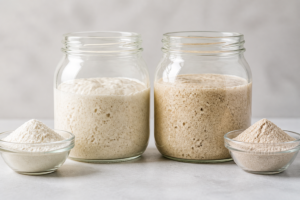
Spelt is one of those old-world grains, a far-flung relative of the wheat we bake with today, grown by people for thousands of years before modern flour even existed. What sets it apart is a flavor — nutty, faintly sweet, nothing like what you’d pull out of a bag of white or even whole wheat flour. That taste alone justifies putting up with a learning curve. But here’s what caught me completely off guard: spelt doesn’t ferment or bake anything like wheat does, and treating it like a stand-in for bread flour is exactly how you end up with your own personal doorstop.
There is gluten in spelt, yes, but it’s a looser, more stretchy, more delicate version of it compared to what wheat gives you. The flour soaks up water almost immediately, and fermentation can run away from you fast. One minute the dough looks perfectly developed, and shortly after that it’s loose, slack, and sticking to everything in sight. This isn’t a flour you can walk away from mid-bake. Pay attention to it, though, and it pays you back with one of the richest, most earthy, most satisfying loaves you’ll ever pull out of an oven.
Choosing a Spelt Flour That Won’t Fall Apart on You
Spelt drinks up water in its own unpredictable way, and its gluten network is on the flimsy side to begin with — which means the actual bag of spelt you reach for matters way more than you’d expect. I figured this out the painful way, after that doorstop of a loaf, once I finally admitted I’d just been grabbing whatever spelt happened to be cheapest at the co-op.
What actually delivers
- The dough holds together noticeably better — I could run through stretch-and-folds without watching it rip apart like wet paper.
- Water absorption stopped being a guessing game; no more wondering if I should be at 65% or 75%, because this flour acts the same way loaf after loaf.
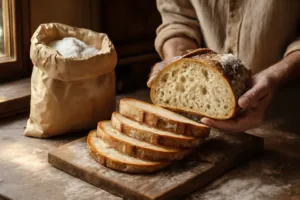
- The finished crumb actually looks like bread — open, irregular, full of little air pockets — instead of that sad, compressed, gummy center I started with.
Where it still falls short
- It’s pricier than a plain bag of whole wheat, so it’s not something you’ll want to bake with for every single loaf if you’re watching your grocery bill.
- Better flour or not, spelt keeps fermenting on a faster clock than you’d guess — you can’t run it on the same timeline as your standard white or whole wheat sourdough without shifting your schedule around.
I was skeptical that swapping flour could actually fix what felt like a fundamental technique problem, but my second attempt with this one was genuinely different. Nature’s Legacy VitaSpelt Organic Whole Spelt Flour
Frequently Asked Questions
Why did my first spelt sourdough loaf turn out so dense?
Spelt’s gluten is looser and more delicate than wheat, and the flour soaks up water almost immediately, making fermentation run away fast if you’re not paying attention. Treating spelt like bread flour without adjusting hydration is how you end up with a gummy, heavy loaf instead of one with open crumb.
How is spelt flour different from regular wheat flour?
Spelt has a nutty, faintly sweet flavor unlike white or whole wheat flour. It ferments and bakes differently than wheat, with a looser, more stretchy gluten that’s delicate. The flour soaks up water almost immediately, and fermentation can run away from you fast without careful attention.
Does flour brand matter for spelt sourdough baking?
Yes, significantly. Nature’s Legacy VitaSpelt Organic Whole Spelt Flour holds together noticeably better through stretch-and-folds and offers consistent water absorption, unlike cheaper spelt options. The finished crumb actually looks like bread with open, irregular air pockets instead of sad, compressed, gummy centers.
Can I bake spelt sourdough on the same schedule as wheat?
No. Spelt ferments on a faster clock than standard white or whole wheat sourdough, so you’ll need to shift your timeline around. You can’t run it on the same schedule without adjusting your baking plan accordingly.
About This Article

Written by Sam Whitaker. Sam Whitaker has been baking sourdough for over a decade, including three years baking commercially, and now works out of a home kitchen in the Pacific Northwest. Sam's eleven-year-old starter, Harold, is the foundation for every recipe and troubleshooting guide on Sourdough Rising — real bread tested over and over until it works. More about this site.
Scope and limits. Sam is a home baker with no formal culinary training. Follow current food safety guidance for storage and handling, particularly with enriched or filled doughs.
Verify this against a primary source
Specifics change, and your situation may differ from the one described here. These are the authorities worth checking directly:
- USDA FoodData Central — flour and ingredient composition data
- FoodSafety.gov — safe handling and storage