Two Breads, Two Different Stories
Don’t assume Pain au Levain and sourdough are just two names for the same loaf — mixing them up costs you flavor and consistency you’re not expecting to lose. Both breads lean on wild fermentation, sure, but the path each one takes gets you to a noticeably different crumb, crust, and bite. Where they come from, how the starter is handled, and what your tongue picks up at the end — that’s where the real gap sits.
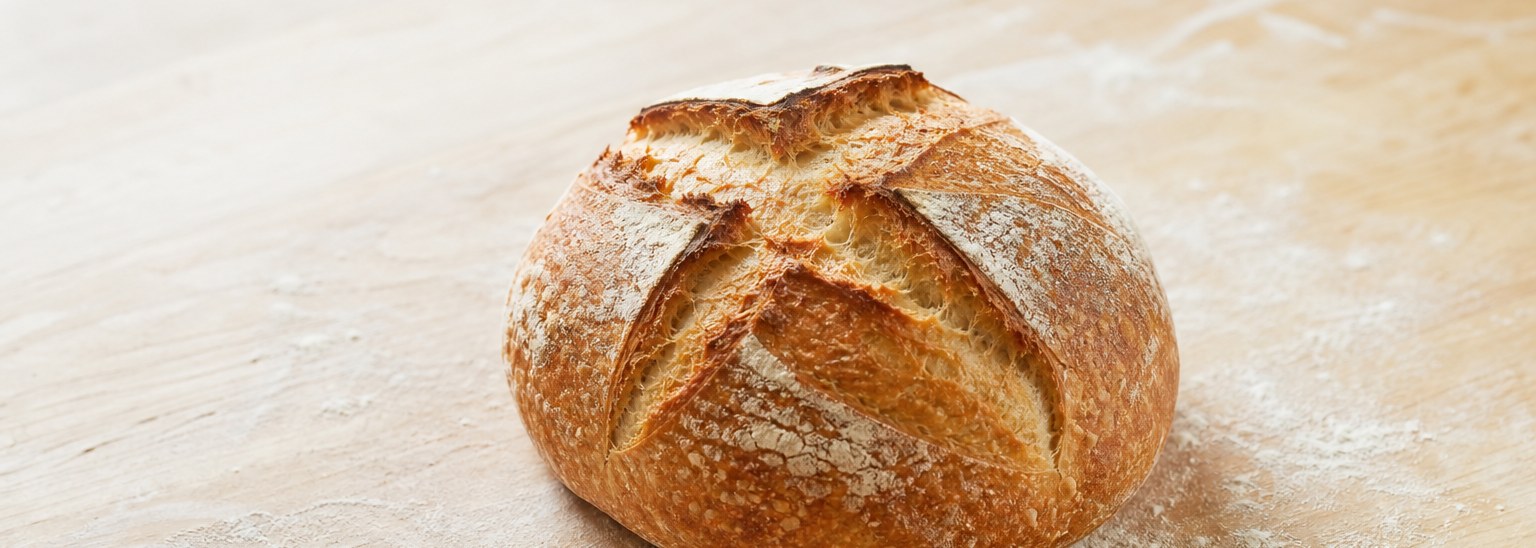
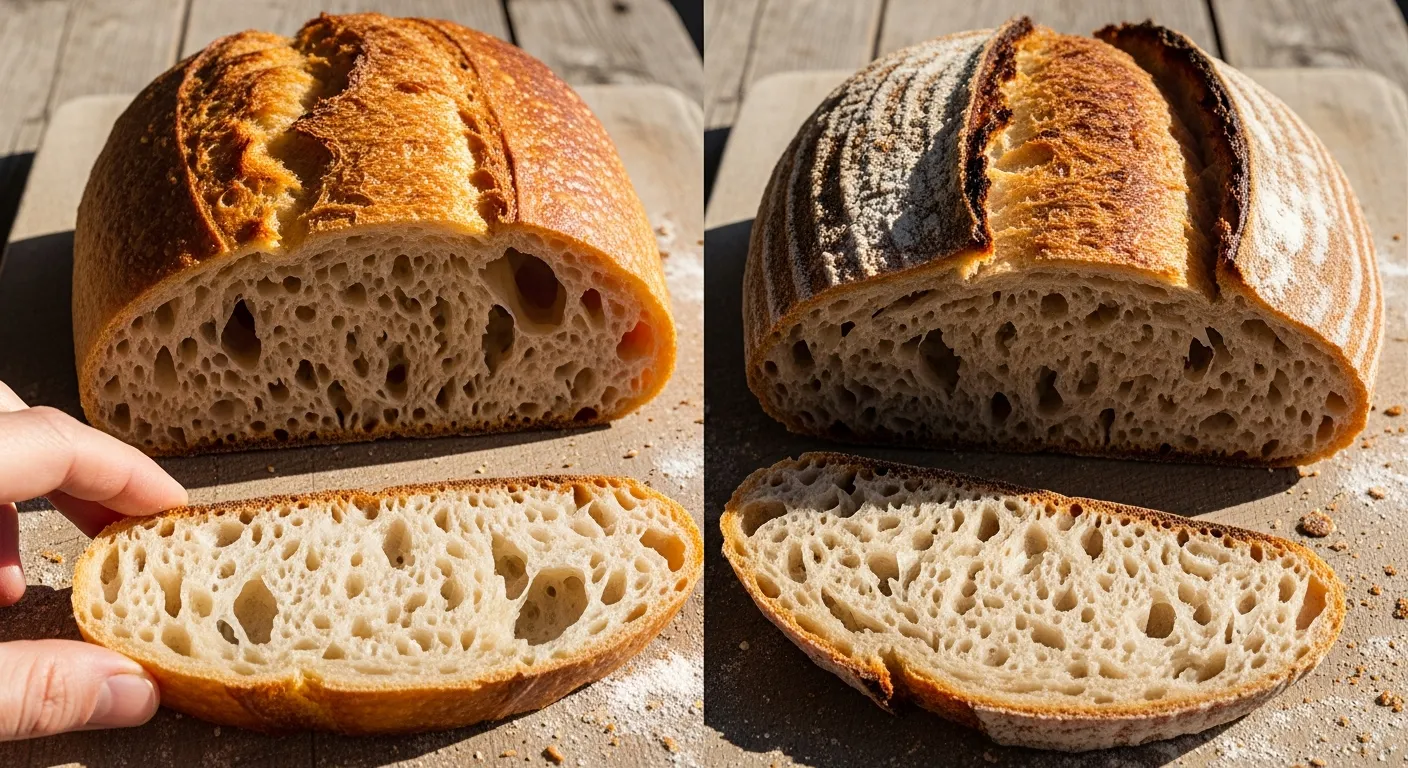
Set a loaf of each side by side and you’d swear they were twins — same blistered, dark crust, same wide-open irregular holes. Cut in and taste, though, and the illusion breaks fast. This isn’t a trivia-night distinction either — it changes how you mix your dough, how you time fermentation, and how you bake the thing. Once it clicks, your loaves stop landing in “decent” territory and start landing in “genuinely great” territory.
| Attribute | Pain au Levain | Sourdough |
|---|---|---|
| Starter deployment | Fresh levain preferment built 4–8 hours before mix | Active starter folded directly into final dough |
| Bulk fermentation time | Roughly 3–4 hours at room temperature | 4 to 6 hours (longer, slower pace) |
| Levain/starter temperature | 70–75°F | Varies with kitchen temperature |
| Hydration range | 75–78% | Past 80% |
| Flavor profile | Gentler, more polished | Deeper, sharper tang |
| Crumb character | More even, less chaotic | Rustic, more layered |
| Fermentation predictability | Quicker, more predictable | Slower, requires closer attention |
The Reference Book That Finally Explained Why My Two Loaves Never Tasted the Same
For a stretch of months I baked both loaves back to back, noticing flavor gaps I couldn’t quite put words to, and it turned out I was missing the fermentation logic sitting underneath each method. A dependable bread reference finally connected the dots and showed me exactly why the two approaches land so differently.
Where the Fermentation Actually Splits
The real fork in the road between Pain au Levain and sourdough comes down to how the starter gets built and deployed. Pain au Levain — French for “bread with levain” — relies on a levain, a standalone preferment you build fresh right before each bake. Usually that means taking a portion of your mature starter and combining it with flour and water, then giving it room-temperature time (generally 4–8 hours) to climb to peak strength.
Sourdough skips that intermediate step and folds your established starter straight into the final dough. From there, the culture keeps contributing lift across the whole fermentation stretch. That changes your bulk timing, how the dough behaves along the way, and how much it rises by the end — even starting from the identical mother culture. Because the levain method hands you a known, active quantity right at its peak, you get much tighter control over the clock.
How Flavor and Crumb Turn Out
Pain au Levain tends toward a gentler, more polished flavor compared to a straight sourdough loaf. Since the levain is freshly built and ferments hard and predictably, you end up with balanced tang and a solid rise. The crumb usually reads as more even and less chaotic than rustic sourdough, though it still holds plenty of airy, open structure.
Sourdough, riding on a chunk of your mature starter, can push into deeper, more layered sour territory depending on how old your starter is, how often you feed it, and what temperature you’re fermenting at. Those flavor compounds keep building across the full bulk ferment and any cold retard you add in, so you get a loaf with sharper tang and more of a distinct personality.
What works
- Breaks down the fermentation gap between levain-built dough and pure sourdough in a way that genuinely reshapes how you schedule bulk fermentation.
- Walks through shaping and scoring step by step, and it’s the kind of guidance you can put to use on your very next bake — no filler.
- Breaks down hydration and dough handling for both loaves so you’re no longer guessing whether the dough should feel sticky or firm at each stage.
What doesn’t
- It presumes you’ve already got sourdough basics down — a complete beginner will likely need another source for starter care.
- Certain recipes lean on gear or fermentation windows that don’t match a typical home setup, so plan on adjusting the timing yourself.
How to Actually Run Each Method
For Pain au Levain: Build the levain somewhere between 4 and 8 hours ahead of your final mix. Combine equal weights of active starter, flour, and water. Let it sit at 70–75°F until it’s doubled and you see either a dome or a slight settling right at the peak. Once it’s there, work it into your main dough along with the remaining flour, water, and salt. Run 4 to 6 rounds of stretch-and-folds through bulk fermentation (roughly 3–4 hours at room temp), then move on to shaping and proofing. Because a fresh levain behaves predictably, you can mostly judge readiness by eye — watch for a 50–75% jump in volume and a slight jiggle in the banneton when you nudge it.
For Sourdough: Combine active starter (roughly 15–20% of your total flour weight), flour, water, and salt directly. Bulk fermentation runs longer here since the starter is spread thinner through the dough and works at a slower pace. Depending on your kitchen’s temperature, plan on 4 to 6 hours of bulk fermentation with steady stretch-and-folds along the way. Letting it retard overnight (or beyond) in the fridge builds more acidity and makes the dough easier to score. This route asks for closer attention to dough temp and room conditions, since the fermentation creeps along more quietly and gradually than the levain method.
Mistakes Worth Avoiding
Early on, my biggest error was running Pain au Levain and sourdough on the same timeline. A fresh levain moves quicker, so applying sourdough timing to it left me with an over-fermented Pain au Levain more than once. Read your dough’s actual behavior instead of watching the clock. A second trap: underfeeding the levain. If it hasn’t genuinely hit its peak — dome shape, passes the poke test — your final dough drags and comes out dense. And don’t overlook the hydration gap: Pain au Levain generally lives around 75–78% hydration, while sourdough can push past 80% comfortably, since its longer fermentation gives the gluten more time to relax and stretch.
I second-guessed my levain ratios through my whole first attempt before realizing I’d misread the instructions — one clear explanation in that reference book saved me from tanking an entire batch. Grab a solid bread book and stop wasting flour on guesswork.
Frequently Asked Questions
What is the main difference between pain au levain and sourdough?
Pain au Levain uses a fresh levain preferment built 4–8 hours before mixing, while sourdough folds active starter directly into the final dough. This changes bulk fermentation timing, dough behavior, and final flavor. Pain au Levain tends toward gentler, more polished flavor, while sourdough can push into deeper, sharper tang depending on starter age and fermentation conditions.
How long should I ferment pain au levain bulk dough?
Run Pain au Levain bulk fermentation for roughly 3–4 hours at room temperature with 4 to 6 rounds of stretch-and-folds. Watch for a 50–75% jump in volume and a slight jiggle in the banneton when you nudge it rather than relying on the clock, since a fresh levain moves quicker and predictably than sourdough.
What hydration percentage should pain au levain be?
Pain au Levain generally lives around 75–78% hydration. Sourdough can push past 80% comfortably since its longer fermentation gives the gluten more time to relax and stretch. Getting hydration right matters for how the dough handles and feels sticky or firm at each stage of mixing and fermentation.
How do I build a pain au levain levain?
Combine equal weights of active starter, flour, and water. Let it sit at 70–75°F until it’s doubled and you see either a dome or a slight settling right at the peak. Building the levain somewhere between 4 and 8 hours ahead of your final mix gives you a known, active quantity ready to work into your main dough.
About This Article

Written by Sam Whitaker. Sam Whitaker has been baking sourdough for over a decade, including three years baking commercially, and now works out of a home kitchen in the Pacific Northwest. Sam's eleven-year-old starter, Harold, is the foundation for every recipe and troubleshooting guide on Sourdough Rising — real bread tested over and over until it works. More about this site.
Scope and limits. Sam is a home baker with no formal culinary training. Follow current food safety guidance for storage and handling, particularly with enriched or filled doughs.
Verify this against a primary source
Specifics change, and your situation may differ from the one described here. These are the authorities worth checking directly:
- USDA FoodData Central — flour and ingredient composition data
- FoodSafety.gov — safe handling and storage