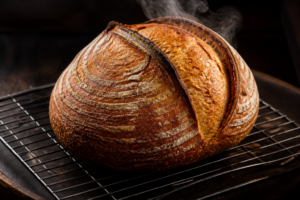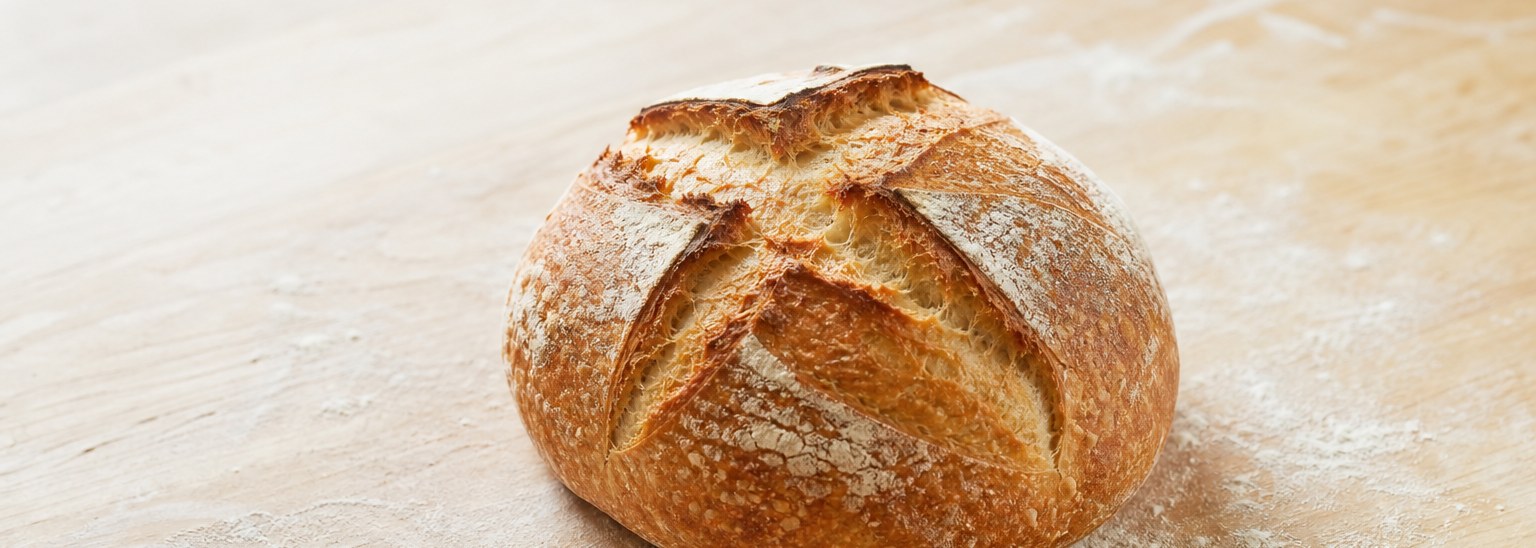
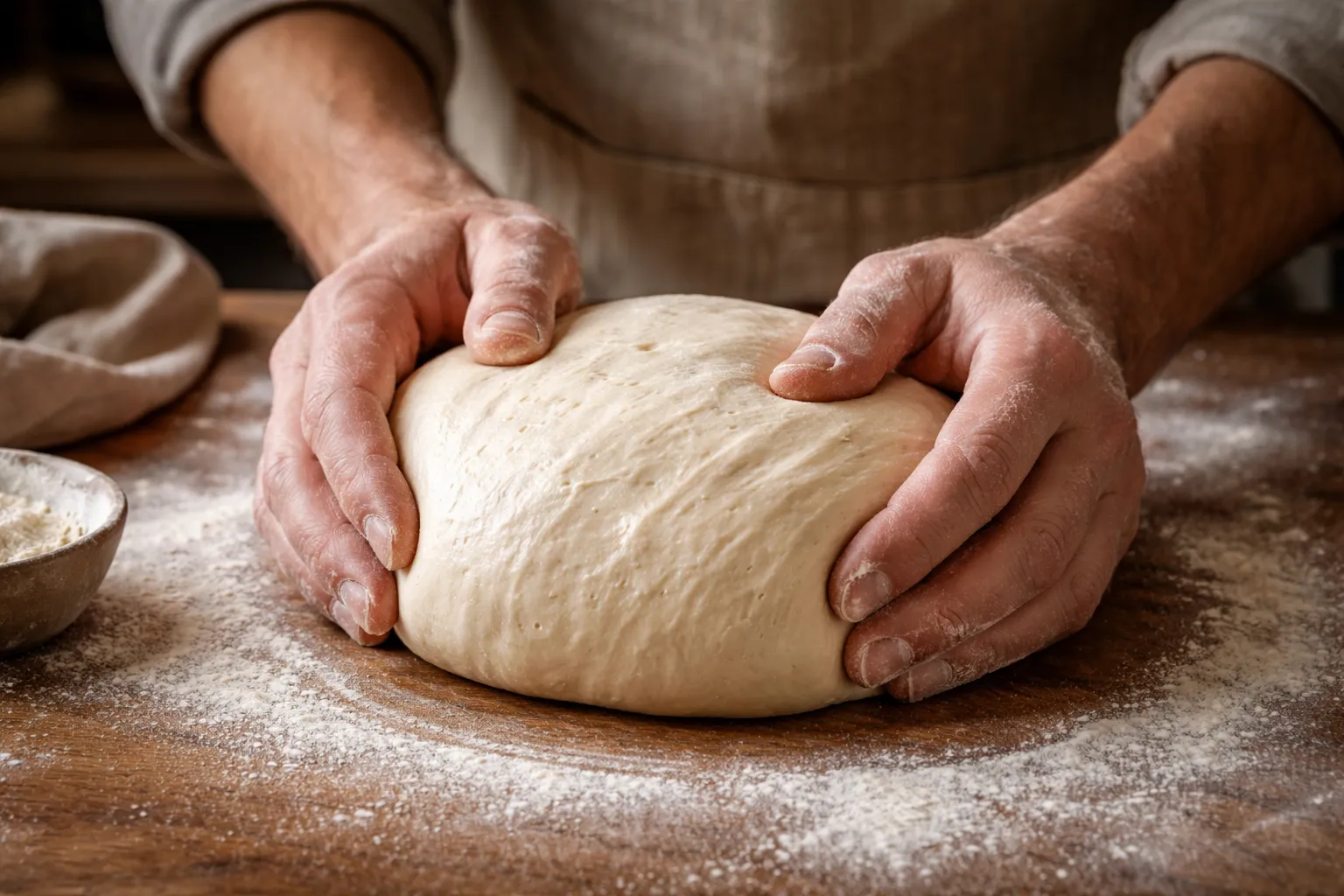
Ninety seconds. That’s the entire time investment standing between a loaf that holds its shape and one that spreads into a sad, sagging puddle on the parchment. Late one Tuesday, clock ticking toward 11pm, I found myself staring at a loaf so flat it looked more like something off an IHOP menu than something pulled from a Dutch oven. Not slightly deflated — genuinely pancake-shaped, the sort of flop that makes you question whether calling this hobby “relaxing” was ever accurate. I’d checked every box: starter bubbly and lively, bulk ferment looking textbook, final shaping done with total confidence. The one thing I hadn’t bothered learning properly was how to pre-shape sourdough dough. That brief, 90-second stage I’d been fast-forwarding through in every tutorial I ever watched? Turns out that was exactly what had been quietly sabotaging my bakes for weeks.
Ever pulled a loaf from your oven that looked more like a frisbee than an actual country boule? There’s a decent chance pre-shaping was your missing piece too. Stay with me here, because once this step finally makes sense, the rest of your bread process starts falling into place almost on its own. Once pre-shaping feels second nature, my full shaping guide picks up exactly where this one leaves off, walking through final shaping for both boules and batards.
| Bench Scraper Type | Edge Quality | Performance on Chilled Dough | Durability Consideration |
|---|---|---|---|
| Stainless steel with crisp edge | Thin, sharp edge | Glides under without tearing or catching | Metal edge loses sharpness with aggressive use |
| Plastic scraper | Bends under pressure | Bends, fails to control dough properly | Not discussed |
| Fancy Japanese dough knife | Not specified | Not discussed in detail | Not discussed |
Why Pre-Shaping Isn’t a “Nice to Have” — Even When It Feels Optional
Here’s what most beginner tutorials fail to stress about pre-shaping: it has nothing to do with looks. It’s about constructing the internal framework your dough needs before it can even attempt to hold a proper final shape. Skip it, and you’re essentially asking your dough to handle two separate jobs at once during final shaping — and dough, much like me at 11pm on a bad night, simply doesn’t function well under that kind of strain.
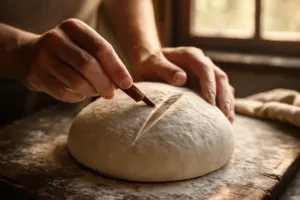
Once bulk fermentation is finished, your dough turns loose, stretchy, and honestly a bit shapeless. Great news for fermentation, terrible news for shaping. Pre-shaping steps in to gently realign the gluten network, build a light layer of surface tension, and give the dough a short window to firm back up before you ask it to hold a genuine shape. Think of it as gathering yourself before a big moment. That bench rest right after pre-shaping isn’t dead air — it’s recovery time, and it’s the reason final shaping ends up feeling controlled instead of like wrestling a soggy paper sack.
The day this finally clicked for me, I was rewatching some tutorial for probably the fourth time, and instead of skipping past the pre-shape section like I usually did, I actually let it play through and paused. Something shifted. I grabbed my dough scraper, took it slow and deliberate, and for the very first time, my dough actually cooperated once I got to final shaping. It was one of those small kitchen breakthroughs that makes you want to call someone up and brag about it.
The Bench Scraper That Finally Kept My Pre-Shaped Dough From Sticking to Everything
Pre-shaping already has enough tension built into it — you’re trying to add structure to chilled dough without knocking the gas out of it, and the last thing you need is a scraper that slides or leaves dough glued to the counter. A solid metal scraper with a crisp edge is what separates a confident pre-shape from a five-minute standoff trying to peel dough off your work surface.
Where it pulls its weight
- That thin stainless edge glides under chilled dough without catching or tearing it, which matters a great deal when limiting gluten damage during that short pre-shape window is your whole goal.
- The grip is solid enough to give you real, deliberate control — no death-gripping required — so your movements stay steady and your dough stays intact.
- It also works as a bench scraper for spreading flour and tidying up dough scraps, meaning you’re not scrambling for extra tools mid-bake with your hands already covered in dough.
Where it comes up short
- Use it aggressively every single bake and that metal edge will eventually lose its sharpness — resharpening is doable, but don’t expect it to stay razor-sharp forever untouched.
- A cold or slightly damp bench can make even a great scraper grab a little, which isn’t really the tool’s fault, but it’s worth knowing so you can adjust your technique accordingly.
I spent three weeks convinced I needed some fancy Japanese dough knife before I realized the real problem was I was using a plastic scraper that was bending under pressure. OXO Good Grips Stainless Steel Multi-Purpose Scraper and Chopper changed that immediately.
Frequently Asked Questions
How long does pre-shaping sourdough actually take?
Pre-shaping takes 90 seconds. This brief stage realigns your gluten network, builds surface tension, and gives the dough time to firm up before final shaping. Skipping or rushing it often results in flat, spread-out loaves that lack proper structure and hold.
What does pre-shaping do for sourdough dough?
Pre-shaping gently realigns the gluten network, builds a light layer of surface tension, and prepares your dough to hold a genuine shape during final shaping. After bulk fermentation, dough becomes loose and stretchy, so pre-shaping recovers its structure before the bench rest and final shaping.
Why is my sourdough spreading flat during baking?
A flat, spread-out loaf often signals that pre-shaping was skipped or done improperly. Without this step, your dough can’t handle both pre-shaping and final shaping jobs at once, resulting in a loaf that lacks the internal framework needed to hold its shape in the oven.
What bench scraper works best for pre-shaping sourdough?
A solid stainless steel scraper with a crisp edge works best. It glides under chilled dough without tearing or catching, giving you deliberate control while limiting gluten damage. The OXO Good Grips Stainless Steel Multi-Purpose Scraper is what Sam uses for both pre-shaping and bench work.
About This Article

Written by Sam Whitaker. Sam Whitaker has been baking sourdough for over a decade, including three years baking commercially, and now works out of a home kitchen in the Pacific Northwest. Sam's eleven-year-old starter, Harold, is the foundation for every recipe and troubleshooting guide on Sourdough Rising — real bread tested over and over until it works. More about this site.
Scope and limits. Sam is a home baker with no formal culinary training. Follow current food safety guidance for storage and handling, particularly with enriched or filled doughs.
Verify this against a primary source
Specifics change, and your situation may differ from the one described here. These are the authorities worth checking directly:
- USDA FoodData Central — flour and ingredient composition data
- FoodSafety.gov — safe handling and storage