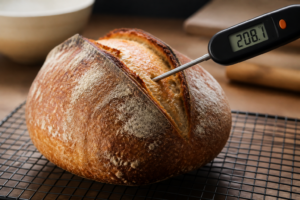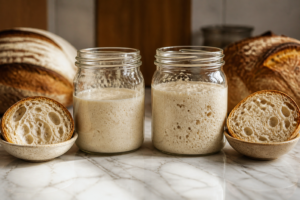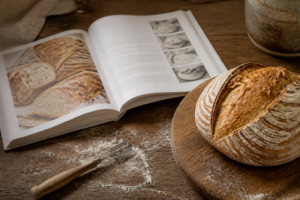
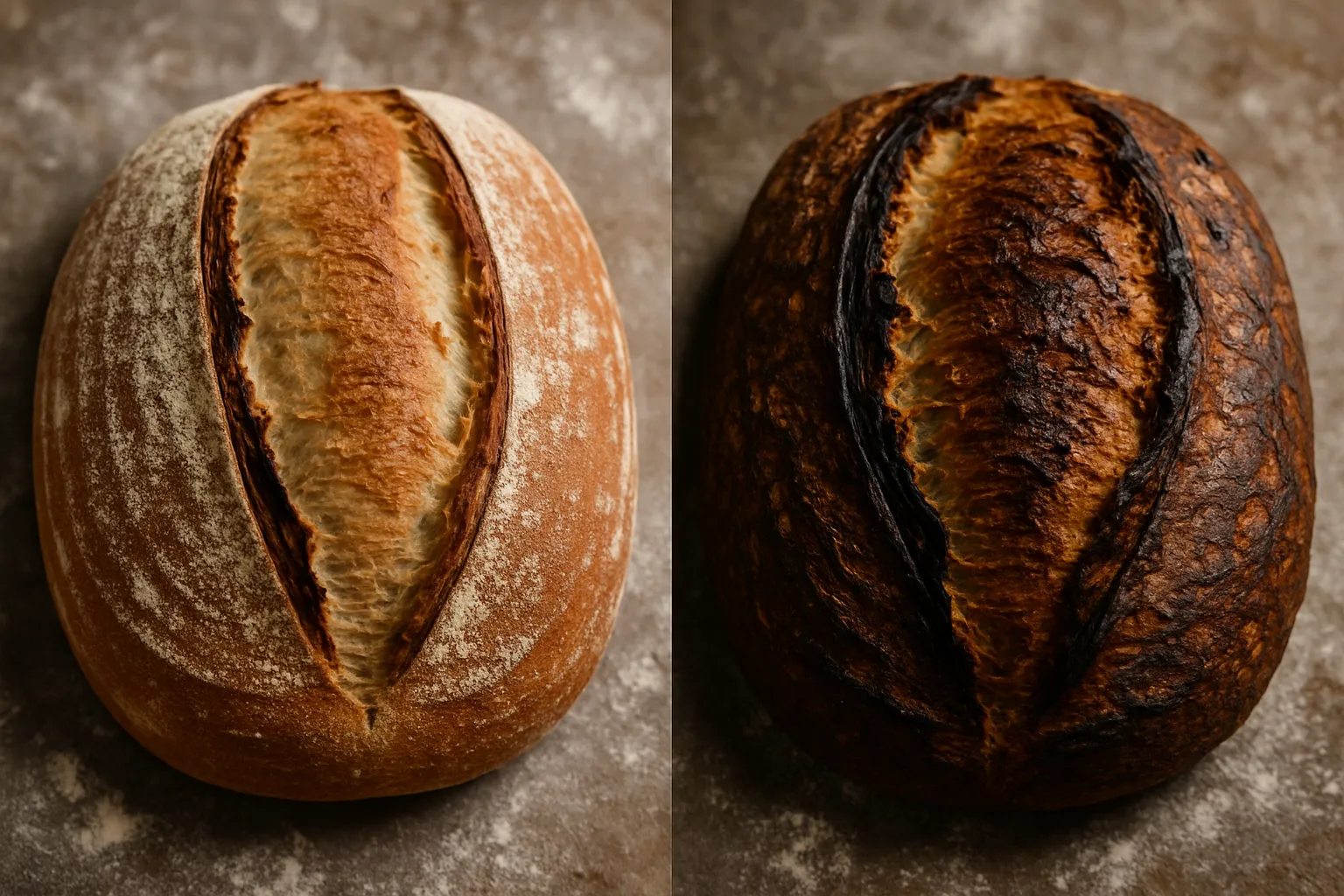
I still remember the loaf that changed everything for me. It was a Tuesday night, I was exhausted, and my shaped dough was sitting on the counter waiting for its final proof. Instead of staying up to bake it, I did something I thought was a mistake — I covered it, shoved it in the fridge, and went to bed. The next morning I pulled it out half-expecting disaster. What came out of the oven instead was the most complex, deeply flavorful loaf I had ever made. That happy accident introduced me to the world of cold fermentation sourdough flavor, and I have never looked back.
What Actually Happens During Cold Fermentation
Here is the thing most baking guides gloss over: fermentation does not stop in the refrigerator. It slows way down, yes, but the wild yeast and lactic acid bacteria in your dough keep working — just at a much more leisurely pace. And that slow, extended activity is exactly where the magic happens.
At room temperature, your dough ferments quickly and efficiently. The yeast produces carbon dioxide fast, giving you a good rise, but the flavor-building bacteria barely have time to do their best work. Drop that dough into a cold environment — somewhere between 34°F and 40°F — and you dramatically slow the yeast while allowing the bacteria to keep producing lactic and acetic acids at a controlled rate. Lactic acid gives your bread that smooth, yogurt-like tang. Acetic acid is sharper and more vinegary. The balance between them, shaped largely by temperature and time, determines the specific flavor profile of your finished loaf.
A longer cold ferment also gives enzymes more time to break down the complex starches and proteins in your flour. This improves digestibility, deepens color during baking, and contributes to that gorgeous open, irregular crumb structure that sourdough bakers obsess over. So when you refrigerate your dough overnight — or even for 48 to 72 hours — you are not just buying yourself convenience. You are actively building a better loaf.
Cold Fermentation Sourdough Flavor: How to Control It
Once you understand what is happening inside the dough, you can start making intentional choices about the cold fermentation sourdough flavor profile you want to develop. Here are the variables that matter most.
Time in the Fridge
A standard overnight cold proof runs about 8 to 12 hours and produces a mild, balanced tang with excellent oven spring. Push it to 24 hours and the sourness deepens noticeably. Go 48 to 72 hours and you get a pronounced, complex acidity with incredible crust color. I recommend starting at overnight and working your way up over several bakes to find what you love.
Hydration and Flour
Stiffer, lower-hydration doughs tend to produce more acetic acid, which means a sharper, more assertive sour flavor. Wetter, higher-hydration doughs favor lactic acid production, giving you something creamier and more nuanced. Whole wheat and rye flours accelerate fermentation significantly because of their higher enzyme activity and mineral content, so keep that in mind when extending your cold proof.
Starter Quantity and Timing
Using a smaller percentage of starter — say 10 to 15% instead of 20% — means fermentation moves more slowly from the start, which pairs beautifully with an extended cold proof. If you use a lot of starter and then refrigerate for 72 hours, you risk over-fermentation and a dense, gummy crumb. Balance matters. I also like to cold retard my shaped loaves rather than bulk-fermented dough, because the shaped structure holds up better over longer periods in the fridge.
The Right Bannetons Make Cold Fermentation Actually Visible
When you’re doing a long cold fermentation, you need to actually see what your dough is doing in the fridge—and you need baskets that won’t stick to it after 12+ hours of condensation and rising. I learned this the hard way after wrestling a cold dough out of a cramped, undersized banneton at 6 a.m.
What works
- The oval and round combo means you can cold-proof two different shapes at once—boule and batard—so you can actually experiment with which one develops better flavor on your schedule.
- The rattan is tight enough that even after hours in the fridge, the dough releases cleanly without that sticky, torn-surface mess that ruins your ear and your mood.
- Two baskets means you’re not scrambling to find a bowl or improvise a proofing vessel when you want to test whether cold fermentation actually changes your crust the way you think it does.
What doesn’t
- The baskets need floured well before cold proof, or the dough will still cling during that long fridge sit—it’s not foolproof if you’re rushing and skip this step.
- They’re bulky to store if you don’t have much fridge space, and stacking them with dough inside means you’re committed to a specific bake schedule.
I doubted whether buying two baskets was worth it until I realized I was actually changing my fermentation habits based on whether I had the space—that’s when I knew the setup was working. Grab the Sourdough Proofing Basket Gift Set with a 9-inch Round and 10-inch Oval Banneton and stop improvising.
This post contains affiliate links. As an Amazon Associate, I earn from qualifying purchases at no extra cost to you.