For the first two years of my sourdough journey, my loaves were flat. Not pancake-flat, but definitely not the dramatic, ear-splitting, Instagram-worthy loaves I kept seeing everywhere. I had decent flour, a healthy starter, and a solid scoring technique. Yet every single bake came out looking like a slightly deflated football. After reading countless baking steel sourdough bread review posts and forum threads, I finally understood my real problem: my oven just wasn’t holding enough heat. That realization sent me down a rabbit hole that ended with a 19-pound slab of steel sitting on my kitchen floor.
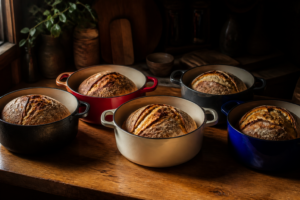
My home oven maxes out at 500°F. On paper, that should be plenty. In practice, every time I opened the door to load my Dutch oven, the temperature dropped fast. The recovery time was long enough that my dough was already setting before the real oven spring could happen. Friends on the sourdough subreddit kept pointing to two solutions: a better Dutch oven or a baking steel. I already had a good Dutch oven. So steel it was.
Six months later, I’ve baked over 40 loaves on the same steel. My oven spring is genuinely unrecognizable compared to what I was getting before. This is my honest account of that experience — including the parts that surprised me, the parts that frustrated me, and whether I think it’s worth the investment for home bakers like you.
The Steel That Finally Gave Me Real Oven Spring
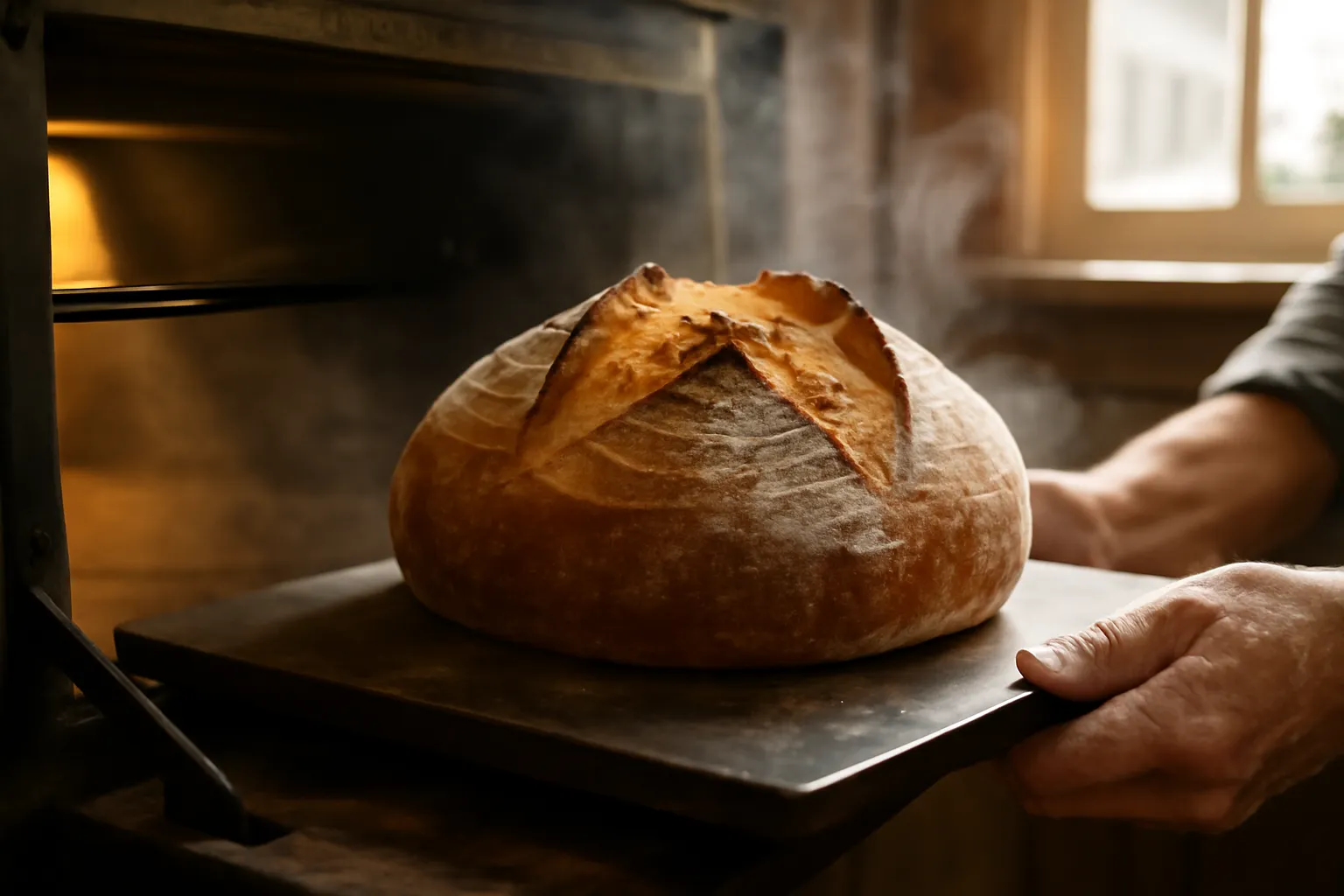
A baking steel conducts heat way more efficiently than a standard oven rack, which means your dough gets that aggressive bottom heat it needs to actually rise up instead of spreading out. For me, switching to steel was the single biggest variable that changed my flat loaves into ones with real lift and character.
What works
- The 1/4″ thickness holds heat like nothing else—I can actually feel the difference in how aggressively the crust sets in the first few minutes, and the oven spring kicks in immediately instead of tapering off halfway through the bake.
- At 19.2 lbs, it’s heavy enough that it doesn’t cool down when you open the oven door to score, which used to sabotage my loaves when I was baking on a thin rack.
- The 14×20 size fits two loaves comfortably, so I can bake my whole week’s bread in one session without rotating or stacking.
What doesn’t
- It takes a solid 30–40 minutes to fully preheat, which means you can’t just throw it in the oven 10 minutes before baking like you might with a Dutch oven.
- The weight makes it awkward to pull out of a hot oven safely, and I’ve definitely had a few moments where I miscalculated the grip and nearly dropped it.
I’ll admit, my first few bakes on steel made me nervous—the loaves rose so fast I second-guessed whether they were actually proofed enough, and I almost pulled one out early thinking it was overproofed. But that anxiety melted the moment I saw the real ear and actual height. ThermiChef 14×20 Pizza Steel, 1/4″ Thick, 19.2 lbs
This post contains affiliate links. As an Amazon Associate, I earn from qualifying purchases at no extra cost to you.